





menu

Roof Cricket Drainage Issues in Philadelphia – Expert Diagnosis and Permanent Solutions

Atlas Roofing Philadelphia identifies the exact cause of chimney saddle water pooling, improper cricket pitch, and roof cricket ponding, then fixes it right the first time to prevent recurring leaks and structural damage.

Slider Image 1
Slider Image 2
Slider Image 3
Slider Image 4
Slider Image 5
Slider Image 7
Slider Image 8
Slider Image 9
Slider Image 10
Slider Image 11

Why Philadelphia Roofs Struggle with Cricket Drainage Failure

You notice water stains on your ceiling near the chimney after every heavy rain. The drywall bulges. The paint peels. You had someone patch the flashing twice, but the leak keeps coming back. This is not a flashing problem. This is a roof cricket drainage failure.

Philadelphia's freeze-thaw cycles make this worse. Water pools behind your chimney because the cricket pitch is too shallow or nonexistent. When temperatures drop, that pooled water freezes, expands, and cracks the sealant. When it thaws, it seeps under shingles and into your attic. The cycle repeats every winter.

Most roofers slap on more tar and call it fixed. They ignore the real issue, which is chimney saddle water pooling caused by improper cricket pitch. A cricket is a small peaked structure behind the chimney that diverts water around it. If the pitch is less than the main roof slope, water collects instead of draining. If the cricket is missing entirely, you get roof cricket ponding, which accelerates shingle decay and leads to chimney diverter leaks.

Philadelphia's older rowhomes and twins often have chimneys added after the original roof framing. Contractors cut corners. They skip the cricket or build it flat. Years later, you pay for it with rotted decking and mold in the attic. The problem is structural, not cosmetic. You need a properly pitched roof saddle, not another patch job.

Why Philadelphia Roofs Struggle with Cricket Drainage Failure
How We Fix Cricket Drainage Problems the Right Way

How We Fix Cricket Drainage Problems the Right Way

We do not patch leaks. We eliminate the conditions that cause them. Atlas Roofing Philadelphia rebuilds the cricket structure to the correct pitch, installs ice and water shield under the shingles, and fabricates custom counterflashing that integrates with your chimney masonry.

First, we remove the shingles and flashing around the chimney. We inspect the decking for rot and replace any compromised plywood. Then we frame a new cricket using treated lumber, angled to match or exceed the main roof pitch. This ensures water flows down and off, not sideways into a low spot.

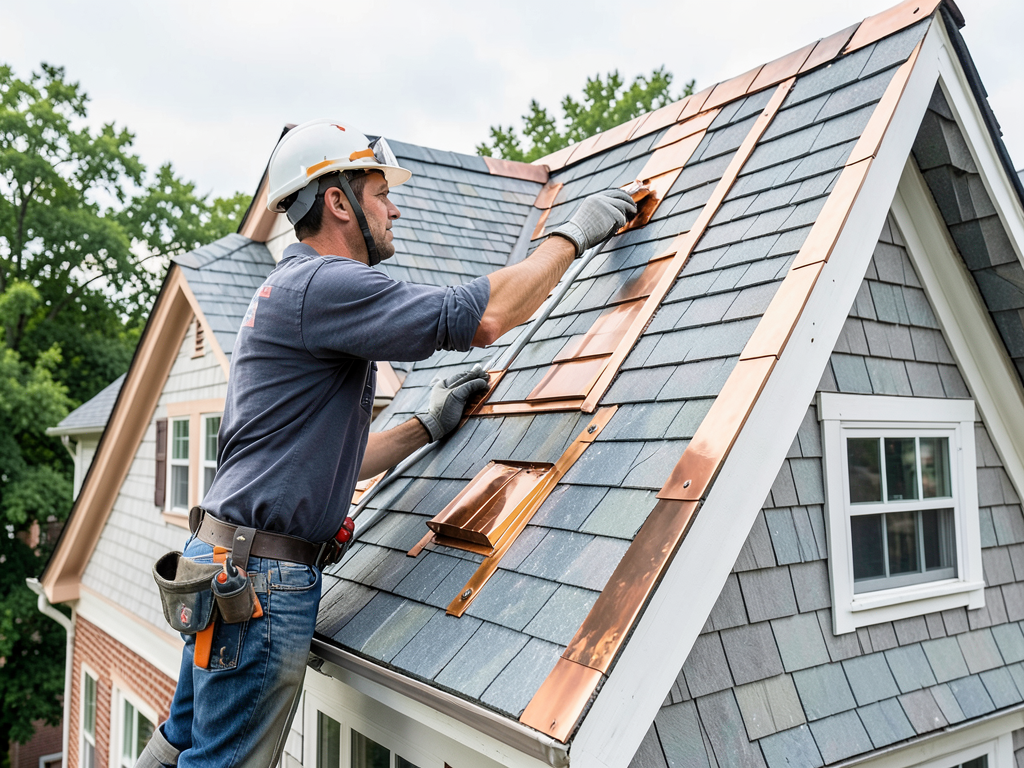
We cover the cricket frame with ice and water shield, a self-sealing membrane that prevents water infiltration even if shingles lift during high winds. We install step flashing along the chimney sides and a custom saddle pan behind the chimney. The saddle pan is a one-piece metal diverter that channels water around the chimney base. We fabricate this on-site from galvanized steel or copper, depending on your roof type and longevity goals.

The counterflashing is embedded into the chimney mortar joints, not surface-mounted with caulk. We grind out the mortar, insert the flashing, and repoint the joints with fresh mortar. This creates a permanent water barrier that moves with the chimney during seasonal expansion and contraction.

We test the drainage path before we reshingle. We spray water behind the chimney and verify runoff. If water hesitates or pools, we adjust the cricket pitch until it flows clean. Only then do we install the finish shingles and seal the ridge cap.

What Happens During a Cricket Repair

Roof Cricket Drainage Issues in Philadelphia – Expert Diagnosis and Permanent Solutions
01

Teardown and Inspection

We remove shingles and flashing around the chimney to expose the cricket structure and roof decking. We photograph any rot, improper framing, or missing components. You see exactly what failed and why. We measure the existing cricket pitch and compare it to the main roof slope to confirm inadequate drainage angle. This diagnostic step prevents guesswork and ensures the new cricket solves the problem.
02

Cricket Rebuild and Waterproofing

We frame a new cricket to the correct pitch using dimensional lumber and secure it to the roof decking and chimney framing. We install ice and water shield over the entire cricket surface and up the chimney sides. We fabricate and install a custom saddle pan and step flashing, embedding the counterflashing into repointed mortar joints. Every seam is sealed and overlapped to direct water outward, not inward.
03

Testing and Finish

We test the drainage path with a hose to confirm water flows cleanly off the cricket without pooling or backing up under shingles. After verifying proper runoff, we install matching shingles over the cricket and seal the ridge cap. We clean the roof and haul away all debris. You get a permanent fix with a clear drainage path that handles Philadelphia's heavy rains and snowmelt without leaking.

Why Philadelphia Homeowners Trust Atlas Roofing for Cricket Repairs

Most roofers in Philadelphia do not rebuild crickets. They caulk the flashing, add another layer of tar, and hope it holds. That approach fails because it ignores the drainage geometry. Water will always find the low spot. If the cricket pitch is wrong, no amount of sealant will stop the leak.

Atlas Roofing Philadelphia specializes in structural roof repairs, not cosmetic patches. We understand Philadelphia's building stock. Many rowhomes in Fishtown, South Philly, and West Philly have chimneys that were added during heating system upgrades in the 1950s and 1960s. Contractors framed these chimneys through existing roofs without proper cricket installation. Decades later, the shortcuts show up as chronic leaks.

We also understand Philadelphia's weather. The city averages 42 inches of precipitation per year, with freeze-thaw cycles from November through March. Improperly pitched crickets trap snowmelt, which refreezes at night and lifts shingles during expansion. This creates gaps that let water into the attic. A correctly built cricket eliminates standing water, so there is nothing to freeze.

We work with Philadelphia's building codes and inspection requirements. If your repair requires a permit because of structural framing changes, we handle the paperwork and coordinate inspections. We also work with historic district guidelines in areas like Society Hill and Chestnut Hill, where exterior work must meet preservation standards.

You get a roofer who knows the difference between a quick fix and a real solution. We do not leave until the drainage works.

What to Expect When You Call Atlas Roofing Philadelphia

Response Time and Scheduling

We schedule roof inspections within 48 hours of your call. If you have active leaking, we prioritize your job and provide temporary tarping to stop water intrusion while we prepare for the permanent repair. Cricket rebuilds typically take one to two days, depending on the extent of decking damage and chimney size. We complete most residential projects in a single visit. Weather delays are communicated immediately, and we reschedule without pushing your job to the bottom of the queue.

Inspection and Diagnosis Process

We climb onto your roof and inspect the chimney area from all angles. We measure the cricket pitch, check for rot in the decking, and examine the flashing installation. We take photos and show you exactly what is causing the drainage failure. You receive a written diagnosis that explains the structural issue, not just the symptom. We provide a detailed repair plan with material specifications and a timeline. There are no vague estimates or upselling of unnecessary work.

Quality of the Final Repair

You get a cricket built to the correct pitch with properly embedded counterflashing and a custom saddle pan. We match your existing shingles and seal every penetration. The repair is invisible from the ground and performs better than the original construction. We test the drainage before we leave and confirm no pooling or hesitation. Your attic stays dry through the next storm, and the leak does not come back. The repair lasts as long as your roof.

Warranty and Follow-Up

We provide a workmanship warranty on all cricket repairs. If the repair leaks due to our installation, we return and fix it at no charge. We also offer an optional annual roof inspection service to check flashing integrity and clear debris from behind the chimney. This service catches small issues before they become leaks. You receive a checklist after each inspection with notes on any areas that need attention. We keep records of all work performed, so you have documentation for future buyers if you sell the home.

Frequently Asked Questions

You Have Questions,
We Have Answers

What problems do roof crickets solve? +

Roof crickets prevent water from pooling behind chimneys and large rooftop structures. They divert water flow around these obstructions, reducing leak risk and extending roof life. In Philadelphia, where freeze-thaw cycles are common, trapped water behind chimneys can freeze and expand, causing shingle damage and flashing failure. Crickets also prevent debris buildup that clogs gutters and creates ice dams during winter storms. Without them, water sits stagnant, seeps under shingles, and causes rot in the roof deck. They are especially critical on low-slope roofs where gravity drainage is slower.

What are the signs of a failing roof drain? +

Watch for water stains on ceilings near drains, ponding water on flat sections after rain, and slow drainage during storms. You might notice rust around drain hardware or loose gravel near drain openings. In Philadelphia row homes and commercial buildings, sagging roof sections or visible pooling indicate clogs or structural failure. Gurgling sounds during rain suggest blockage. If interior walls show dampness or mold growth near the roofline, your drain system likely failed. Overflow during heavy Philadelphia thunderstorms means the drain cannot handle volume. Check for plant growth around drains, which signals standing water and poor drainage.

How to get rid of crickets in the roof? +

Seal all entry points including gaps around chimneys, vents, and eaves where crickets enter. Remove debris from gutters where they nest. In Philadelphia homes, check soffit vents and fascia boards for openings. Apply weather stripping to attic access points. Use a vacuum to remove live crickets from accessible attic spaces. Install door sweeps and repair torn window screens. Consider applying food-grade diatomaceous earth in attic spaces as a deterrent. If infestation persists, call a pest control professional. Address moisture issues in the attic, as crickets seek damp environments common in Philadelphia's humid summers.

What is a drainage cricket? +

A drainage cricket is a peaked structure built behind chimneys or HVAC units on sloped roofs. It redirects water flow around obstructions, preventing pooling and ice dam formation. Think of it as a mini-roof within your roof. In Philadelphia, where row homes often share chimneys and flat roofs are common on commercial buildings, crickets are critical for proper drainage. They are typically framed with wood or metal and covered with the same roofing material as the main roof. Building codes often require crickets for chimneys wider than 30 inches to prevent water backup and structural damage.

Are roof crickets worth the cost? +

Yes. Roof crickets prevent thousands in water damage repair costs. In Philadelphia, where winter ice and summer storms stress roofing systems, crickets extend roof life by 5 to 10 years. They prevent ponding that leads to membrane failure on flat roofs and shingle deterioration on sloped roofs. The upfront cost is small compared to replacing rotted roof decking or repairing interior water damage. Insurance claims from preventable leaks often increase premiums. Crickets also improve resale value by demonstrating proper roof maintenance. For commercial properties, they reduce liability from interior damage and business interruption.

How to get rid of a cricket infestation in your house? +

Identify entry points around foundations, windows, door frames, and utility penetrations. Seal cracks with caulk and install door sweeps. Reduce indoor moisture by fixing leaky pipes and using dehumidifiers, especially in Philadelphia basements prone to dampness. Remove clutter where crickets hide. Vacuum visible crickets and dispose of the bag immediately. Apply sticky traps along baseboards and in corners. Use food-grade diatomaceous earth in basements and crawl spaces. Keep outdoor vegetation trimmed away from the foundation. If infestation spreads beyond a few crickets, contact a licensed pest control service for targeted treatment.

Does homeowners insurance pay for a leaky roof? +

Homeowners insurance typically covers sudden, accidental damage like storm damage or fallen trees. It does not cover gradual wear, poor maintenance, or age-related deterioration. In Philadelphia, if a winter storm tears shingles and causes immediate leaks, insurance usually pays. If your roof leaks from neglected flashing or clogged drains, insurance denies the claim. Review your policy for exclusions and coverage limits. Document damage immediately with photos. Insurance adjusters often deny claims if they determine the leak resulted from deferred maintenance. Regular roof inspections help prove you maintained the roof properly.

How often should roof drains be cleaned? +

Clean roof drains at least twice yearly, in spring and fall. In Philadelphia, increase frequency to quarterly due to heavy leaf debris from mature tree canopies and ice formation during winter. After major storms, inspect drains for blockages. Commercial flat roofs need monthly checks during peak debris seasons. Clogged drains cause ponding, which accelerates membrane deterioration and creates ice dams. Remove leaves, twigs, and sediment buildup. Check strainer baskets and downspouts for obstructions. If drains repeatedly clog, consider installing larger strainers or secondary overflow drains. Professional roof maintenance contracts include drain cleaning.

Are collapsed drains covered by house insurance? +

Coverage depends on the cause. Sudden collapse from a covered peril like a tree impact or storm damage typically qualifies. Gradual deterioration from age, corrosion, or poor maintenance does not. In Philadelphia, freeze damage to pipes may be covered if you maintained heat. Review your policy's exclusions. Some policies exclude earth movement, which can shift drain lines in areas with clay soil. Document the collapse immediately with photos and contact your insurer within required timeframes. Your adjuster will determine if the collapse was sudden or gradual. Consider sewer backup coverage as an endorsement.

How to stop crickets from coming up the drain? +

This question likely refers to insect crickets, not roofing crickets. Crickets enter through floor drains, especially in Philadelphia basements. Pour water down infrequently used drains to maintain the P-trap seal, which blocks sewer gas and pests. Install drain covers with fine mesh screens. Use enzymatic drain cleaners monthly to remove organic buildup that attracts crickets. Seal gaps around pipe penetrations in basement floors. Keep basements dry using dehumidifiers, as crickets seek moisture. If crickets persist, check for sewer line cracks or separated joints that allow entry. Contact a plumber for camera inspection.

Why Philadelphia's Freeze-Thaw Cycles Demand Proper Cricket Pitch

Philadelphia experiences an average of 60 freeze-thaw cycles each winter, which is higher than cities to the south and creates unique stress on roof structures. When water pools behind a chimney due to improper cricket pitch, it freezes overnight and expands. This expansion lifts shingles, cracks sealant, and opens gaps in the flashing. During the day, the ice melts and water seeps through the gaps into the attic. The cycle repeats every night, causing progressive damage. A properly pitched cricket eliminates pooling, so there is no water to freeze. This is why cricket drainage issues are more destructive in Philadelphia than in warmer climates.

Philadelphia's roofing contractors are familiar with the city's older housing stock and the common shortcuts taken during mid-century renovations. Many rowhomes and twins in neighborhoods like Port Richmond, Kensington, and Manayunk have chimneys that were added after the original roof framing. These retrofits often lacked proper cricket installation because contractors prioritized speed over long-term performance. Atlas Roofing Philadelphia has repaired hundreds of these chimneys and understands the framing limitations and flashing techniques required to fix them permanently. We work within the constraints of older construction while meeting current code standards for water management and structural integrity.
Roofing Services in The Philadelphia Area

Atlas Roofing proudly serves the entire Philadelphia area, including all surrounding counties. We invite you to view our service area on the map to confirm we cover your neighborhood. As your trusted local roofing contractor, we are always ready to deploy our expert teams promptly to your home or business, ensuring you receive the high-quality, professional service you deserve, exactly when you need it.

Address:
Atlas Roofing Philadelphia, 100 N 18th St, Philadelphia, PA, 19103

Additional Services We Offer

Our news updates

Latest Articles & News from The Blogs

The Best Way to Handle Downspout Runoff in Narrow Manayunk Alleyways Water pouring off your roof into the narrow alleyway…

The Best Way to Handle Downspout Runoff in Narrow Manayunk Alleyways

The Best Way to Handle Downspout Runoff in Narrow Manayunk Alleyways Water pouring off your roof into the narrow alleyway…

Finding the Leak in Your Complicated Tudor Roof in West Mt. Airy

Finding the Leak in Your Complicated Tudor Roof in West Mt. Airy Water dripping from your ceiling during a storm…

Why Ridge Vents Alone Might Not Be Enough for Your Hot Attic in Wynnefield

Why Ridge Vents Alone Might Not Be Enough for Your Hot Attic in Wynnefield Your attic feels like an oven…

Contact Us

Call Atlas Roofing Philadelphia at (267) 344-1222 to schedule a roof inspection. We diagnose the exact cause of your chimney leak and provide a permanent cricket repair that eliminates water pooling and prevents future damage.