





Lancaster sits in Pennsylvania's humid continental climate zone where roofs endure punishment from all directions. Winter freeze-thaw cycles crack shingles and loosen flashing as temperatures swing from single digits to melting conditions within days. Spring brings heavy rainfall that tests every seal and valley, while summer heat exceeds 90 degrees and bakes asphalt shingles until they curl and crack.
The city's architecture adds complexity. Lancaster's historic districts feature steep pitch roofs on homes built in the 1800s, many with slate or tile that requires specialized knowledge. Newer developments in areas near Manheim Pike and Lititz Pike use modern composition shingles that fail differently under stress. Wind events from storms tracking up the Susquehanna River valley can exceed 60 mph, tearing shingles and damaging flashing.
Local building codes require proper ventilation to combat attic moisture from Lancaster's humidity, which averages over 70 percent. Without correct airflow, mold grows and decking rots from the inside out. Ice dams form along eaves when heat escapes through poorly insulated attics, backing water under shingles and into walls. These conditions demand roofing contractors who understand Lancaster's specific climate challenges and building requirements, not generic solutions that fail within years.
Atlas Roofing Philadelphia has protected Lancaster County homes for years by responding when roofs fail and families need help now. We built our reputation on honest assessments and refusing to sell unnecessary replacements when repairs will do the job. When you call during a leak emergency, we answer and dispatch quickly because we know water damage multiplies by the hour.
Our crews understand Pennsylvania's specific roofing requirements. We navigate Lancaster City and County permit processes efficiently and meet all code requirements for ventilation, flashing, and ice dam prevention. Every technician carries manufacturer certifications for the shingle brands Lancaster homeowners trust, which means your warranty stays valid and installations meet exact specifications.
We approach every roof as engineers, not salespeople. Our inspections identify the actual problem, whether that's failed flashing around a chimney, wind-damaged shingles on the west exposure, or inadequate ventilation causing premature aging. We explain what failed, why it failed, and what fixes will actually last in Lancaster's climate.
Lancaster experiences weather that tests roofs constantly. Atlas Roofing Philadelphia uses materials proven to survive freeze-thaw cycles, wind events, and thermal stress. We install proper underlayment, seal every penetration correctly, and ensure water sheds off your roof exactly as designed. Our repairs hold because we address root causes instead of covering symptoms. When we leave your property, your roof works as a complete weather protection system built for Pennsylvania's demands.

When your roof leaks, we answer calls fast and dispatch immediately to Lancaster homes. Our crews arrive with tarps, tools, and materials to stop water damage while we assess the full scope. Emergency repairs happen the same day when possible because we know every hour of water intrusion causes more damage to insulation, ceilings, and belongings.

We inspect roofs to find what actually failed, not to sell you a full replacement when patches will work. Our crews climb every roof and document damage with photos. You get a clear explanation of what needs repair, what can wait, and realistic costs. We never pressure Lancaster homeowners into unnecessary work.
Every Atlas Roofing Philadelphia technician carries manufacturer certifications and understands Pennsylvania building codes. We pull proper permits for Lancaster City and County projects, install to exact specifications, and ensure your manufacturer warranty stays valid. Our work passes inspection because we follow requirements precisely.
We know how Lancaster's freeze-thaw cycles, humidity, and wind patterns damage roofs. Our material choices and installation methods account for thermal expansion, ice dam formation, and moisture infiltration specific to Pennsylvania's climate. Your repairs last because we build for the conditions your roof actually faces.
Atlas Roofing Philadelphia handles every roofing need Lancaster homeowners face, from emergency leak repairs to complete roof replacements. We work on all roof types common to the area including asphalt shingle, slate, tile, and flat membrane systems. Our service range covers urgent damage that needs immediate attention, planned maintenance that prevents failures, and full replacement when roofs reach the end of their lifespan.
We structure our roofing services around what Lancaster homeowners actually need. Storm damage requires fast response and insurance coordination. Aging roofs need strategic repairs that extend life without overspending. Complete failures demand efficient replacement with quality materials. Each situation calls for different expertise, materials, and timelines.
Our crews handle roof leak repair, flashing replacement, shingle patching, ventilation correction, and complete tear-offs with the same attention to detail. We source materials from suppliers who stock products proven to survive Pennsylvania weather. Whether you need emergency patching after wind damage or a planned replacement for a 25-year-old roof, Atlas Roofing Philadelphia provides the specific roofing solution your Lancaster home requires with honest pricing and quality workmanship.
When storms damage your roof or leaks appear without warning, Atlas Roofing Philadelphia responds immediately to Lancaster homes. We dispatch crews with tarps and materials to stop active water intrusion, then assess the full damage scope. Our emergency services include wind-damaged shingle replacement, flashing repairs around chimneys and vents, valley patching, and temporary weatherproofing. We work directly with insurance companies, document damage thoroughly, and complete permanent repairs fast to protect your home from further weather exposure.
Not every aging roof needs complete replacement. Atlas Roofing Philadelphia restores Lancaster roofs through targeted repairs that add years of life. We replace deteriorated sections, install new flashing, correct ventilation problems, and address minor leaks before they become major failures. Our restoration approach works for roofs showing age but maintaining structural integrity. We assess remaining lifespan honestly and recommend restoration only when it makes financial sense. This service saves Lancaster homeowners thousands compared to premature replacement while ensuring reliable weather protection.
When roofs reach failure or sustain damage beyond repair, Atlas Roofing Philadelphia provides complete replacement services for Lancaster homes. We tear off existing materials down to decking, inspect and repair structural issues, install proper underlayment, and apply new roofing systems built for Pennsylvania weather. Our replacement process includes permit acquisition, material delivery coordination, efficient installation, and thorough cleanup. We install asphalt shingle, architectural shingle, and specialty materials with manufacturer certifications. Every replacement includes updated ventilation, modern flashing techniques, and warranties that protect your investment.
Lancaster's climate and housing stock create specific roofing challenges that appear repeatedly across the city. The combination of freeze-thaw cycles, high humidity, and architectural diversity means roofs fail in predictable patterns. Understanding these common problems helps homeowners recognize damage early and call for repairs before minor issues become expensive disasters.
Wind events tracking up from the Susquehanna River valley frequently damage exposed roof sections, particularly on west and south-facing slopes. Ice dams form along eaves when attic heat melts snow that refreezes at the roof edge. Historic homes in Lancaster's older neighborhoods often have inadequate ventilation by modern standards, which accelerates shingle aging and promotes mold growth. Flashing around chimneys, skylights, and vent pipes deteriorates faster in areas with acid rain and pollution.
These issues compound over time. A small leak around flashing allows water into walls where it rots framing and grows mold. Wind-damaged shingles expose underlayment that breaks down in UV light. Ice dams back water under shingles where it saturates insulation and drips into living spaces. Atlas Roofing Philadelphia sees these problems daily across Lancaster and repairs them before they compromise entire roof systems.
Lancaster experiences wind gusts over 60 mph during storms, which lifts shingles and tears flashing loose from roof penetrations. Once shingles lift, wind-driven rain infiltrates underlayment and decking. The damage often appears on specific exposures rather than the entire roof, making partial repairs effective when caught early.
Heat escaping through poorly insulated attics melts snow on upper roof sections. Water runs down and refreezes at the cold eave, creating ice dams that block drainage. Water backs up under shingles and seeps into walls and ceilings. This problem requires both immediate removal and long-term ventilation correction.
Flashing that seals chimneys to roofs deteriorates from thermal expansion cycles and weather exposure. Lancaster's freeze-thaw conditions crack caulk and loosen metal. Water enters through these gaps and runs down inside walls where damage stays hidden until stains appear on interior surfaces.
Roofs without proper attic ventilation trap heat and moisture, which cooks shingles from below and promotes granule loss. Lancaster's humidity makes this worse. Shingles rated for 25 years fail in 15 when ventilation is inadequate. The problem affects the entire roof and requires ventilation correction along with replacement.
Atlas Roofing Philadelphia runs roofing projects with clear communication and respect for your property. From your first call through final cleanup, we explain what happens next and deliver on our commitments. You work directly with experienced crews who show up on time, protect your landscaping, and answer questions throughout the project.
We start every job with a thorough inspection and honest assessment of what your roof needs. You get photos of damage, clear explanations of repair options, and written estimates with no hidden costs. We schedule work around your timeline when possible and notify you before crews arrive. During repairs or replacement, we protect gardens with plywood walkways, tarp vulnerable areas before rain, and use magnetic tools to collect nails daily.
Lancaster homeowners should expect quality workmanship and attention to detail. Our crews don't rush through installations or skip steps that matter. We install every shingle to manufacturer specifications, seal all penetrations properly, and ensure water sheds correctly before we leave. When work is complete, your property looks cleaner than when we arrived. You get documentation for warranties, permit inspections pass without issues, and your roof protects your home the way it should.
From your first call to project completion, Atlas Roofing Philadelphia keeps you informed about what happens next. We answer questions directly, explain repair options in plain language, and provide written estimates with detailed scope. You receive advance notice before crews arrive and updates if weather delays work. Our project managers stay accessible by phone and respond quickly when you need information or have concerns about the work in progress.
We treat your Lancaster property with care throughout the roofing process. Crews lay plywood walkways to protect landscaping, cover plants near work areas, and use tarps to contain debris. Magnetic sweepers collect nails from your lawn and driveway multiple times daily. We haul away all old materials and debris the same day whenever possible. Your property stays as clean as possible during work and looks better when we finish than before we started.
Every Atlas Roofing Philadelphia installation meets Pennsylvania building codes and manufacturer specifications. We pull proper permits for Lancaster projects and schedule inspections when required. Our work passes inspection without corrections because we follow requirements exactly. You receive all warranty documentation, care instructions, and permits properly closed out. The repair or replacement we complete protects your home through every season and maintains its value for years ahead.
Atlas Roofing Philadelphia makes roofing repairs and replacements as simple as possible for Lancaster homeowners. We handle the complicated parts while keeping you informed and in control of decisions.
We start with a complete roof inspection to identify all damage and assess structural condition. Our crews climb your roof safely, photograph problem areas, and check attic spaces for ventilation and moisture issues. You get a clear explanation of what failed, why it happened, and what repairs will actually fix the problem. We provide written estimates with material specifications and labor costs broken down clearly. For insurance claims, we document everything adjusters need.
Once you approve the work, we schedule installation at your convenience and order materials. Our crews arrive on time with everything needed to complete the job efficiently. We protect your property, remove damaged materials, make any necessary decking repairs, and install new roofing to exact specifications. Work progresses methodically with attention to flashing details, sealant application, and proper nailing patterns. We clean the site daily and keep you updated on progress throughout the project.
After installation completes, we inspect every detail to ensure quality meets our standards. We walk your property with magnets to collect any missed nails and verify complete cleanup. You receive all warranty documentation, care instructions, and permit paperwork properly filed. We explain what to watch for in the first year and provide contact information for any questions. Your roof is ready to protect your Lancaster home through every weather event ahead.
Pennsylvania building codes establish specific requirements for roofing systems that protect homes from the state's climate extremes. Lancaster County enforces these standards through permit and inspection processes that verify proper installation. Atlas Roofing Philadelphia navigates these requirements daily and ensures every project meets or exceeds code minimums.
The Pennsylvania Uniform Construction Code requires adequate attic ventilation calculated by square footage, typically one square foot of net free ventilation area per 150 square feet of attic space. This prevents moisture accumulation and heat buildup that damages shingles from below. Lancaster's high humidity makes proper ventilation critical. Ridge vents combined with soffit vents create airflow that removes moisture and reduces attic temperatures by 30 degrees or more in summer.
Ice dam prevention requires proper insulation between living spaces and attic areas, maintaining attic temperatures close to outdoor conditions. The code specifies R-values for insulation based on climate zones. Lancaster falls in Zone 5, requiring minimum R-38 in attics. Without proper insulation, heat escapes and melts snow unevenly, creating ice dams that damage roofs and interiors.
Flashing installation around roof penetrations follows detailed specifications in the International Residential Code. Step flashing at sidewalls, counter-flashing at chimneys, and valley flashing all require specific overlap dimensions and fastening patterns. These details prevent the most common leak sources. Atlas Roofing Philadelphia installs flashing exactly to code because we know inspectors check these areas first and homeowners experience failures when contractors cut corners.
Wind resistance matters in Lancaster where gusts exceed 60 mph during storms. Shingles must meet Class D wind rating and installation requires proper nailing patterns with six nails per shingle. High-wind areas may require additional sealant. We follow manufacturer specifications exactly because proper installation keeps shingles attached during wind events and maintains warranty coverage.
Pennsylvania code mandates specific attic ventilation ratios to prevent moisture damage and heat buildup. Lancaster homes need continuous ridge and soffit vents that create airflow removing humidity. We calculate exact ventilation area required and install systems that meet code minimums. Proper ventilation prevents mold growth, extends shingle life, and reduces cooling costs during summer months.
Roofing costs depend on material quality, roof complexity, and labor requirements. Architectural shingles cost more than three-tab but last longer and look better. Proper underlayment adds expense but prevents leaks when shingles fail. We specify materials that match your budget and meet manufacturer warranty requirements. Cutting costs on underlayment or ventilation voids warranties and causes premature failure.
Complete roof replacement on an average Lancaster home takes two to four days depending on size, pitch, and complexity. Weather delays work since we cannot install shingles in rain or high winds. Emergency repairs happen faster, often same-day for active leaks. We schedule around your needs when possible but never rush installations that require proper curing time for sealants and adhesives.
Lancaster City and County require permits for roof replacement and major repairs. Atlas Roofing Philadelphia handles permit applications, pays fees, and schedules required inspections. Inspectors verify proper flashing, ventilation, and nailing patterns. Our installations pass inspection without corrections because we follow code requirements exactly. You receive closed permits that document code-compliant work, which protects resale value.
Comprehensive guide to roofing repair and replacement services in Lancaster, Pennsylvania. Covers common roofing problems caused by local freeze-thaw cycles, humidity, and wind patterns. Explains Pennsylvania building code requirements for ventilation, flashing installation, and ice dam prevention. Details the roof repair process including inspection, material selection, installation techniques, and warranty protection. Reviews emergency leak repair procedures, storm damage assessment, and complete roof replacement timelines for Lancaster area homes.
Atlas Roofing Philadelphia serves the entire Lancaster area with fast response times and local expertise. We work throughout the city from the historic district near Penn Square and Queen Street east to the residential neighborhoods along Lincoln Highway. Our crews regularly handle projects in Lancaster Township, Manheim Township, and East Hempfield Township where housing developments built over the past decades require modern roofing solutions.
The roofing challenges vary significantly across Lancaster County. Homes in the older sections near downtown feature steep pitch roofs, slate materials, and architectural details that require specialized repair knowledge. These historic roofs demand careful flashing work around chimneys and dormers common to Victorian and Colonial architecture. We approach these projects with respect for original construction while updating weatherproofing to modern standards.
Newer developments along Fruitville Pike, Lititz Pike, and Route 30 use composition shingles on standard pitch roofs. These areas experience different failure patterns, often related to builder-grade materials and rapid construction methods. Wind damage appears frequently on exposed west-facing sections. We see ventilation problems in tract homes where builders minimized soffit vents. Our repairs focus on correcting these construction shortcuts while staying within homeowner budgets.
The Conestoga River valley creates microclimates that affect roofing performance. Areas near the river experience higher humidity and more frequent fog, which accelerates shingle aging and promotes algae growth. Properties on higher elevations around Wheatland and Rohrerstown face stronger wind exposure. We adjust our material recommendations and installation techniques based on these specific location factors.
Lancaster's proximity to the Susquehanna River means storm systems often track up the valley and hit the city with concentrated wind and rain. We respond throughout the metro area from Mountville and Millersville south to the commercial corridors around Park City Center and Rockvale. Whether you live in an established neighborhood near Franklin and Marshall College or a newer development off Route 283, Atlas Roofing Philadelphia knows your area's specific roofing challenges and responds quickly when you need emergency repairs or planned replacement services.
Lancaster roofing requires understanding the local climate and weather patterns. The area experiences hot summers, cold winters, and regular storms. Your roof must withstand temperature fluctuations, heavy rain, occasional snow, and high winds. Asphalt shingles remain the most popular choice for residential properties due to their durability and value. Metal roofing has gained popularity for its longevity and energy efficiency. Most roofs in Lancaster last 15-25 years with proper maintenance. Schedule annual inspections to catch minor issues before they become major problems. Local contractors understand regional building codes and weather challenges specific to Lancaster homes.
Choose a roofing contractor based on experience, local reputation, and proper credentials. Research online reviews and ask neighbors for recommendations. Get at least three written estimates for comparison. Verify the contractor holds appropriate licenses for Pennsylvania. Check references from recent projects similar to yours. Ask about the crew's experience and whether they use subcontractors. Establish clear timelines for project completion. Make sure your contract includes detailed material specifications, labor terms, and cleanup procedures. A trustworthy contractor will answer all your questions and provide transparent communication throughout the entire process.
Roof replacement timing depends on several factors. Asphalt shingle roofs typically need replacement after 20-25 years. Look for missing or curling shingles as warning signs. Check for granules accumulating in gutters. Water stains on ceilings or walls indicate leaks. Sagging areas suggest structural damage. Multiple layers of old shingles add excessive weight and trap moisture. Spring and fall offer ideal weather conditions for installation in Lancaster. Summer heat makes shingles more pliable but increases crew fatigue. Winter installations require special precautions. Plan your replacement before emergency situations force rushed decisions.
Lancaster roofing requires understanding the local climate and weather patterns. The area experiences hot summers, cold winters, and regular storms. Your roof must withstand temperature fluctuations, heavy rain, occasional snow, and high winds. Asphalt shingles remain the most popular choice for residential properties due to their durability and value. Metal roofing has gained popularity for its longevity and energy efficiency. Most roofs in Lancaster last 15-25 years with proper maintenance. Schedule annual inspections to catch minor issues before they become major problems. Local contractors understand regional building codes and weather challenges specific to Lancaster homes.
Choose a roofing contractor based on experience, local reputation, and proper credentials. Research online reviews and ask neighbors for recommendations. Get at least three written estimates for comparison. Verify the contractor holds appropriate licenses for Pennsylvania. Check references from recent projects similar to yours. Ask about the crew's experience and whether they use subcontractors. Establish clear timelines for project completion. Make sure your contract includes detailed material specifications, labor terms, and cleanup procedures. A trustworthy contractor will answer all your questions and provide transparent communication throughout the entire process.
Roof replacement timing depends on several factors. Asphalt shingle roofs typically need replacement after 20-25 years. Look for missing or curling shingles as warning signs. Check for granules accumulating in gutters. Water stains on ceilings or walls indicate leaks. Sagging areas suggest structural damage. Multiple layers of old shingles add excessive weight and trap moisture. Spring and fall offer ideal weather conditions for installation in Lancaster. Summer heat makes shingles more pliable but increases crew fatigue. Winter installations require special precautions. Plan your replacement before emergency situations force rushed decisions.
Roof inspections should happen at least once per year. Schedule inspections after severe storms or high winds. Look for damaged or missing shingles from ground level. Check gutters for excessive granule buildup. Inspect your attic for water stains or light penetration. Professional inspectors examine flashing around chimneys and vents. They assess the condition of underlayment and decking. Inspectors identify potential weak spots before they fail. Early detection saves money by preventing minor issues from becoming major repairs. Document all inspection findings with photos for future reference and insurance purposes.
Roofing materials vary in performance, appearance, and lifespan. Asphalt shingles offer affordability and come in numerous colors. Architectural shingles provide enhanced durability and dimensional appearance. Metal roofing lasts 40-70 years and reflects heat efficiently. Slate roofs offer exceptional longevity but require specialized installation. Clay and concrete tiles suit specific architectural styles. Each material has different weight requirements affecting your roof structure. Consider your budget, home style, and long-term plans. Climate impacts material performance, so choose options suited for Lancaster weather. Your choice affects energy efficiency, maintenance needs, and overall home value.
Common roofing problems in Lancaster include wind damage from storms, ice dam formation in winter, and heat-related deterioration in summer. Flashing failures around chimneys and skylights cause frequent leaks. Poor ventilation leads to premature shingle aging and ice dams. Tree branches scratching shingles create entry points for water. Clogged gutters cause water backup under shingles. Moss and algae growth indicate excess moisture. Missing or loose shingles expose underlayment to weather. Address small problems immediately to prevent extensive damage. Regular maintenance prevents most common issues from developing into expensive repairs.
Roof maintenance includes regular gutter cleaning, at least twice yearly. Trim overhanging tree branches to prevent damage and debris accumulation. Remove leaves and debris from roof valleys. Check and repair damaged or missing shingles promptly. Inspect flashing around penetrations for gaps or corrosion. Clean moss and algae growth with appropriate solutions. Ensure proper attic ventilation to prevent moisture buildup. Check for signs of animal intrusion or nesting. Document maintenance activities with dated photos. Professional maintenance plans include detailed inspections and minor repairs. Consistent upkeep extends roof life and maintains manufacturer warranties.
Roof ventilation prevents moisture buildup and extends shingle life. Proper airflow requires balanced intake and exhaust vents. Ridge vents along the peak allow hot air to escape. Soffit vents provide cool air intake from the eaves. Attic fans supplement natural ventilation in larger homes. Poor ventilation causes ice dams in winter when warm attic air melts snow. Trapped moisture leads to mold growth and wood rot. Adequate ventilation reduces cooling expenses in summer. Most building codes specify minimum ventilation requirements. Your contractor should evaluate your ventilation system during inspections and recommend improvements when needed.
Storm damage assessment requires immediate attention after severe weather. Walk around your property looking for visible damage. Check for missing, cracked, or lifted shingles. Look for dents on metal components like vents and flashing. Inspect gutters for damage or detachment. Document everything with dated photographs. Contact your insurance company to report potential claims. Schedule a professional inspection before making repairs. Temporary measures like tarps prevent additional water intrusion. Keep receipts for emergency repairs. Understand your insurance deductible and coverage limits. Some damage becomes apparent only after several days, so monitor your roof closely following storms.
Energy-efficient roofing reduces heating and cooling expenses. Cool roof technology reflects more sunlight than traditional materials. Light-colored shingles absorb less heat in summer. Metal roofing with reflective coatings offers excellent thermal performance. Proper insulation works with your roof system for maximum efficiency. Adequate ventilation prevents heat buildup in attic spaces. Energy Star rated products meet specific performance standards. Radiant barriers reduce heat transfer into living spaces. Some improvements qualify for tax credits or utility rebates. Calculate long-term energy savings when comparing material options. Your contractor should discuss efficiency features available for your budget and climate needs.
Roof inspections should happen at least once per year. Schedule inspections after severe storms or high winds. Look for damaged or missing shingles from ground level. Check gutters for excessive granule buildup. Inspect your attic for water stains or light penetration. Professional inspectors examine flashing around chimneys and vents. They assess the condition of underlayment and decking. Inspectors identify potential weak spots before they fail. Early detection saves money by preventing minor issues from becoming major repairs. Document all inspection findings with photos for future reference and insurance purposes.
Roofing materials vary in performance, appearance, and lifespan. Asphalt shingles offer affordability and come in numerous colors. Architectural shingles provide enhanced durability and dimensional appearance. Metal roofing lasts 40-70 years and reflects heat efficiently. Slate roofs offer exceptional longevity but require specialized installation. Clay and concrete tiles suit specific architectural styles. Each material has different weight requirements affecting your roof structure. Consider your budget, home style, and long-term plans. Climate impacts material performance, so choose options suited for Lancaster weather. Your choice affects energy efficiency, maintenance needs, and overall home value.
Common roofing problems in Lancaster include wind damage from storms, ice dam formation in winter, and heat-related deterioration in summer. Flashing failures around chimneys and skylights cause frequent leaks. Poor ventilation leads to premature shingle aging and ice dams. Tree branches scratching shingles create entry points for water. Clogged gutters cause water backup under shingles. Moss and algae growth indicate excess moisture. Missing or loose shingles expose underlayment to weather. Address small problems immediately to prevent extensive damage. Regular maintenance prevents most common issues from developing into expensive repairs.
Roof maintenance includes regular gutter cleaning, at least twice yearly. Trim overhanging tree branches to prevent damage and debris accumulation. Remove leaves and debris from roof valleys. Check and repair damaged or missing shingles promptly. Inspect flashing around penetrations for gaps or corrosion. Clean moss and algae growth with appropriate solutions. Ensure proper attic ventilation to prevent moisture buildup. Check for signs of animal intrusion or nesting. Document maintenance activities with dated photos. Professional maintenance plans include detailed inspections and minor repairs. Consistent upkeep extends roof life and maintains manufacturer warranties.
Roof ventilation prevents moisture buildup and extends shingle life. Proper airflow requires balanced intake and exhaust vents. Ridge vents along the peak allow hot air to escape. Soffit vents provide cool air intake from the eaves. Attic fans supplement natural ventilation in larger homes. Poor ventilation causes ice dams in winter when warm attic air melts snow. Trapped moisture leads to mold growth and wood rot. Adequate ventilation reduces cooling expenses in summer. Most building codes specify minimum ventilation requirements. Your contractor should evaluate your ventilation system during inspections and recommend improvements when needed.
Storm damage assessment requires immediate attention after severe weather. Walk around your property looking for visible damage. Check for missing, cracked, or lifted shingles. Look for dents on metal components like vents and flashing. Inspect gutters for damage or detachment. Document everything with dated photographs. Contact your insurance company to report potential claims. Schedule a professional inspection before making repairs. Temporary measures like tarps prevent additional water intrusion. Keep receipts for emergency repairs. Understand your insurance deductible and coverage limits. Some damage becomes apparent only after several days, so monitor your roof closely following storms.
Energy-efficient roofing reduces heating and cooling expenses. Cool roof technology reflects more sunlight than traditional materials. Light-colored shingles absorb less heat in summer. Metal roofing with reflective coatings offers excellent thermal performance. Proper insulation works with your roof system for maximum efficiency. Adequate ventilation prevents heat buildup in attic spaces. Energy Star rated products meet specific performance standards. Radiant barriers reduce heat transfer into living spaces. Some improvements qualify for tax credits or utility rebates. Calculate long-term energy savings when comparing material options. Your contractor should discuss efficiency features available for your budget and climate needs.
Atlas Roofing proudly serves the entire Philadelphia area, including all surrounding counties. We invite you to view our service area on the map to confirm we cover your neighborhood. As your trusted local roofing contractor, we are always ready to deploy our expert teams promptly to your home or business, ensuring you receive the high-quality, professional service you deserve, exactly when you need it.
Address:
Lancaster, PA, 17603
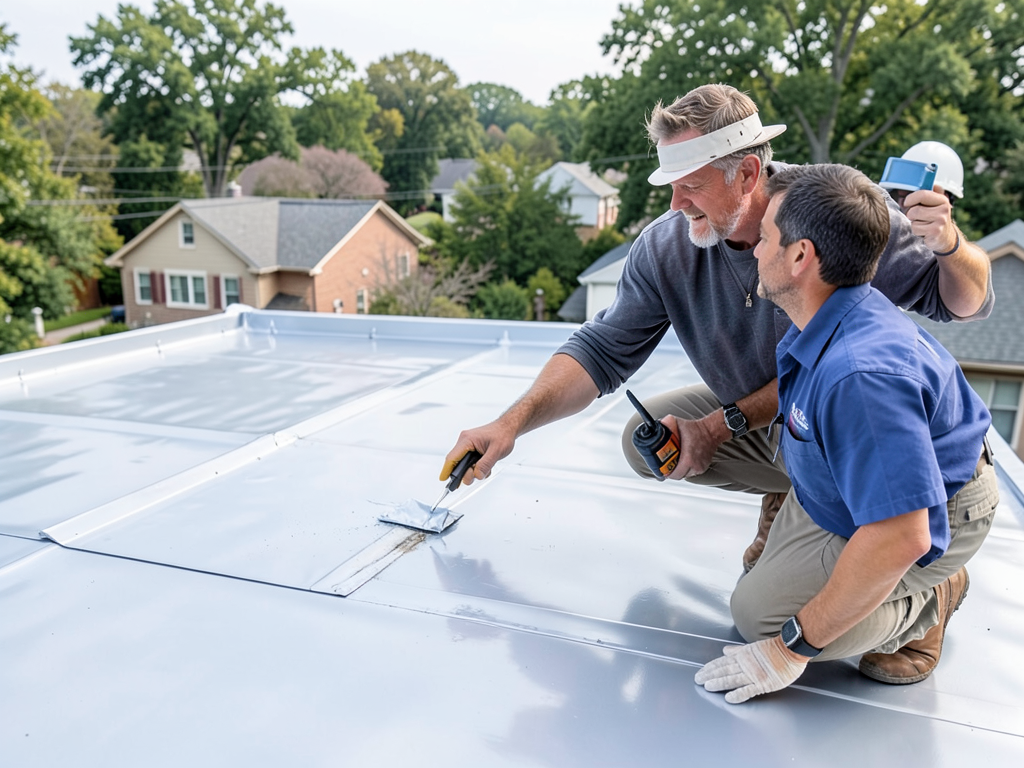
How to Negotiate Roof Repairs After a Home Inspection in Tacony Buying or selling a home in Tacony often hinges on the home inspection report, especially when it comes to the roof. Philadelphia's unique rowhome…
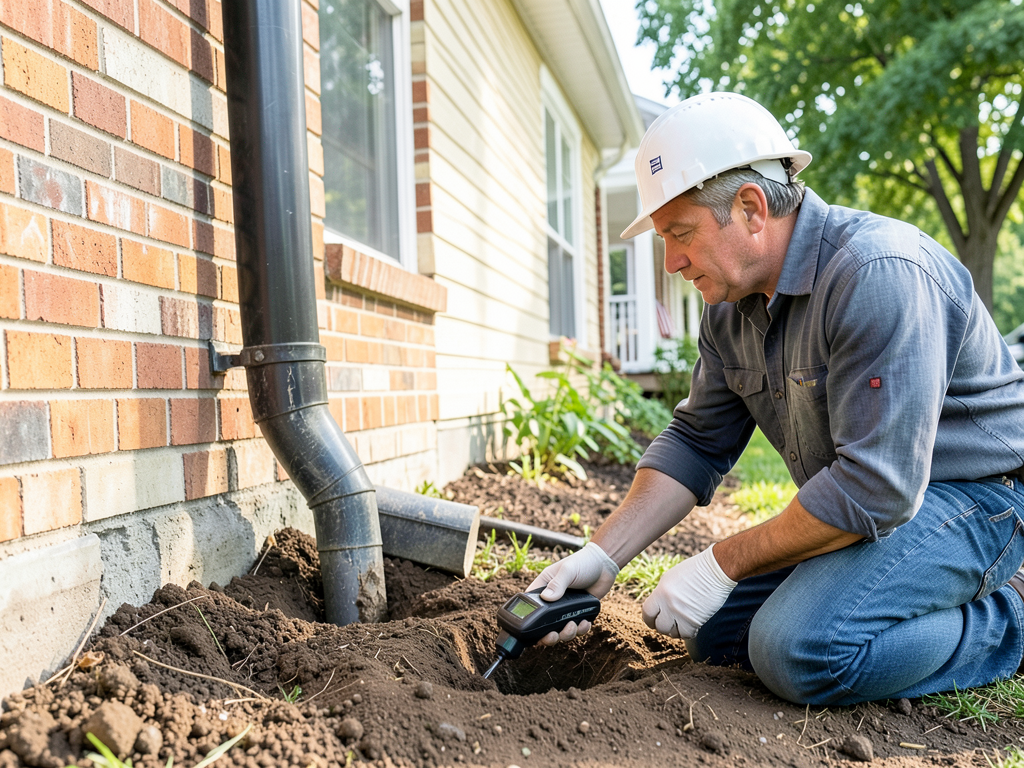
The Best Way to Handle Downspout Runoff in Narrow Manayunk Alleyways Water pouring off your…
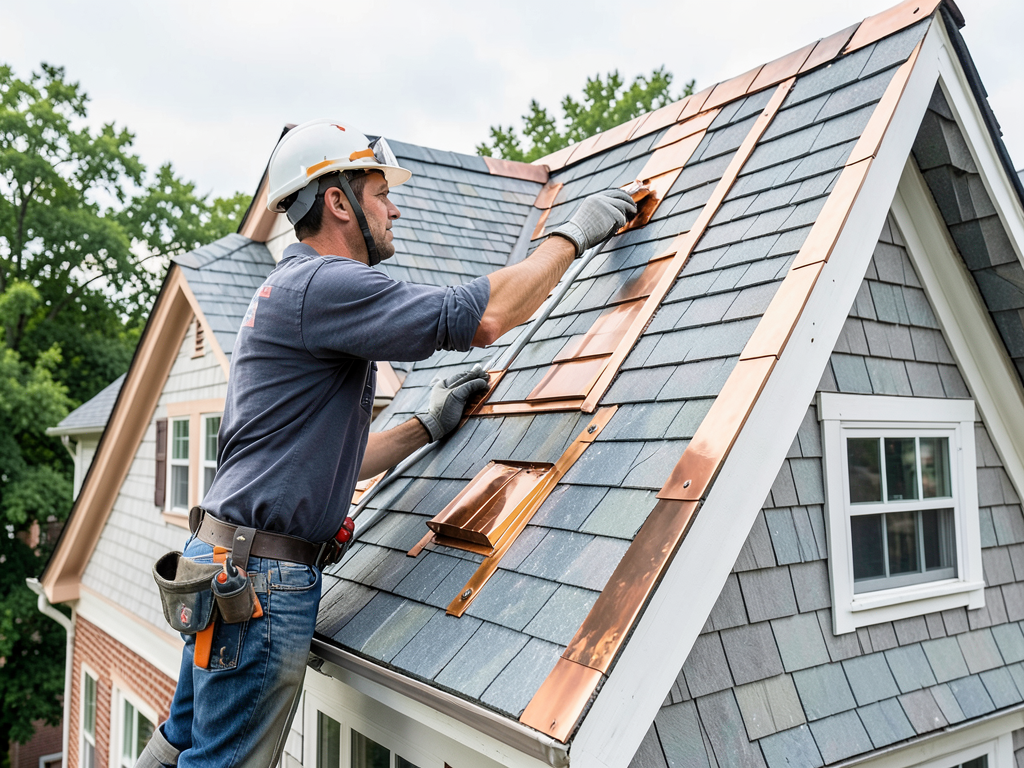
Finding the Leak in Your Complicated Tudor Roof in West Mt. Airy Water dripping from…
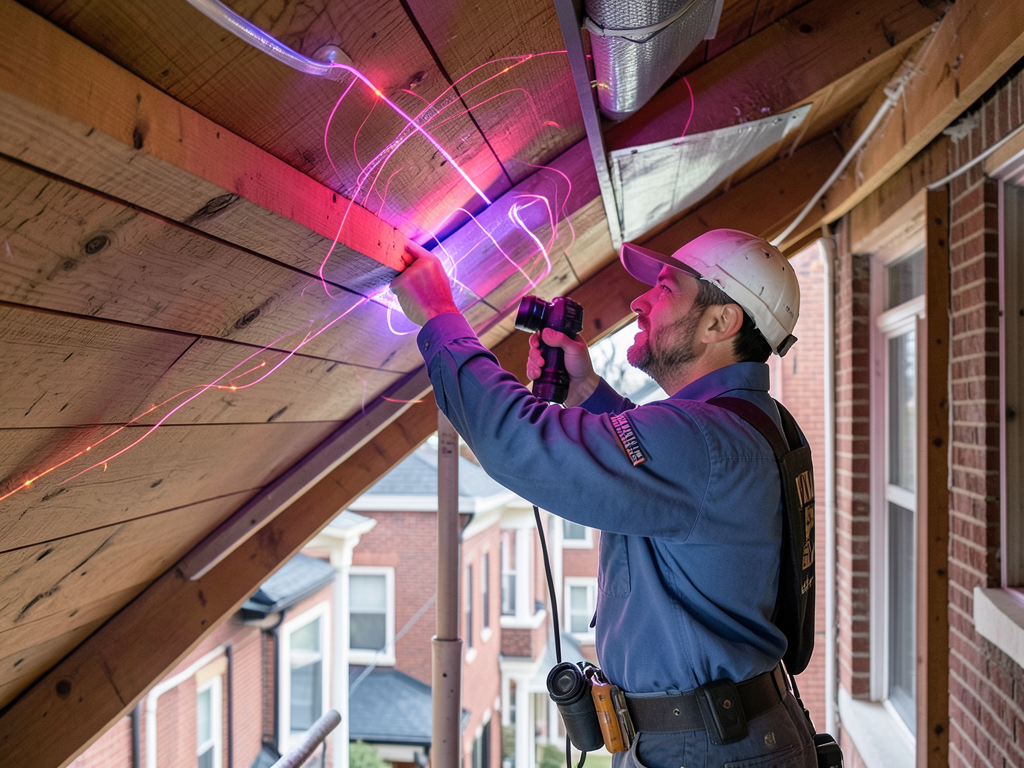
Why Ridge Vents Alone Might Not Be Enough for Your Hot Attic in Wynnefield Your…
Your roof protects everything inside your home. Do not wait for small leaks to become big problems. Call Atlas Roofing Philadelphia now at (267) 344-1222 for fast response to roofing emergencies or honest assessments for planned repairs. We serve Lancaster with quality workmanship and fair pricing.