
Why Your Roof Leak is Causing Hidden Structural Rot in Your Walls
Water dripping from your ceiling is just the beginning. That roof leak you’ve been ignoring is quietly destroying the structural integrity of your Philadelphia home from the inside out. What starts as a small stain can lead to rotted wall studs, compromised floor joists, and dangerous mold growth that spreads through your entire living space.
Philadelphia’s freeze-thaw cycles and heavy summer storms create the perfect conditions for water infiltration. When moisture gets behind your walls through roof leaks, it doesn’t just sit there—it actively breaks down the wooden structures that hold your home together. The damage happens silently, often hidden behind drywall where you can’t see it until major repairs become necessary. EPA Mold Information.
Most homeowners don’t realize that a roof leak can cause structural failure within 6-12 months if left untreated. The combination of Philadelphia’s humidity and temperature swings accelerates wood rot, turning solid lumber into crumbling material that can no longer support your home’s weight. This isn’t just about aesthetics—it’s about the safety and value of your property. Why More Homeowners in Manayunk Are Switching to Metal Roofing.
5 Warning Signs of a Stealth Roof Leak
Before you see water pouring through your ceiling, your home gives subtle warnings that something’s wrong. These signs indicate moisture is already working its way through your roof system and into your walls.. Read more about How to Identify Early Signs of Roof Failure Before the Rain Starts in Holmesburg.
- Damp or spongy drywall – Press on walls near the ceiling. If they feel soft or spring back slowly, moisture has compromised the gypsum board.
- Musty odors in upper rooms – That damp smell in your second-floor bedroom often means mold is growing behind the walls where roof leaks have penetrated.
- Cracking or bubbling paint – Paint that bubbles or cracks without explanation indicates moisture pushing from behind the wall surface.
- Doors and windows that stick – As wood swells from moisture exposure, frames can warp, causing operational issues even in dry weather.
- Dark spots on exterior walls – Water stains on brick or siding often trace back to roof leaks that have traveled down wall cavities.
The Hidden Dangers: Beyond Just a Wet Ceiling
Roof leaks create a cascade of problems that extend far beyond the initial water entry point. Understanding these hidden dangers helps explain why immediate action is critical.
Structural Integrity and Wood Rot
Philadelphia building code requires specific moisture content levels for structural lumber. When roof leaks introduce water, wood moisture content can exceed 20%, creating ideal conditions for fungal growth and rot. The International Building Code (IBC Section 2303.2) mandates that structural wood maintain moisture content below 19% to prevent decay. International Building Code Wood Requirements.
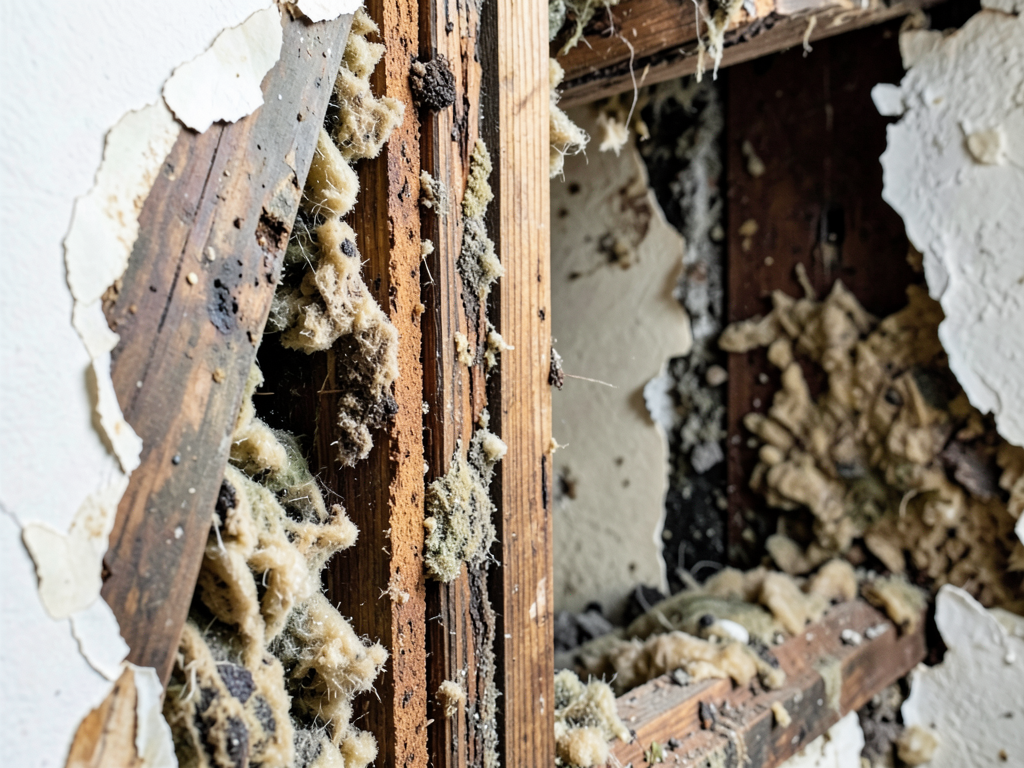
Wood rot occurs in stages. First, brown rot fungi break down cellulose, causing wood to shrink and crack. Then white rot attacks lignin, making wood soft and spongy. Finally, soft rot creates cavities that compromise structural strength. A 2×4 stud that loses just 15% of its mass can no longer support design loads safely.
In Philadelphia’s rowhomes, this often affects load-bearing walls that support multiple floors. When wall studs rot, the entire wall system can shift, causing cracks in plaster, misaligned doors, and in severe cases, partial wall collapse.. Read more about Why Your South Philly Rowhome Needs a Drip Edge to Prevent Fascia Rot.
Mold Growth and Indoor Air Quality in PA Climates
Philadelphia’s humid summers and wet springs create perfect mold-growing conditions. The EPA states that mold can begin growing within 24-48 hours of water exposure. Once established, mold colonies release spores that spread through your home’s air system.
Common mold types found in water-damaged Philadelphia homes include:
- Stachybotrys chartarum – The notorious “black mold” that produces mycotoxins
- Aspergillus – Causes respiratory issues and allergic reactions
- Penicillium – Thrives in damp building materials and insulation
Mold doesn’t just grow on visible surfaces. It colonizes inside wall cavities, under flooring, and in HVAC systems. The Pennsylvania Department of Health reports that prolonged mold exposure can cause chronic respiratory problems, especially in children and elderly residents.
Fire Hazards from Saturated Electrical Wiring
Water and electricity create dangerous conditions when roof leaks reach electrical systems. Moisture can corrode wire insulation, create short circuits, and cause electrical panels to malfunction. The National Electrical Code (NEC Article 300.6) requires electrical installations to be protected from moisture damage.
Signs of water-damaged electrical systems include:
- Tripping circuit breakers without obvious cause
- Warm outlets or switches
- Flickering lights in specific areas
- Burning smells near electrical fixtures
Water can travel along electrical conduits, affecting multiple rooms. In Philadelphia’s older homes with knob-and-tube wiring, water damage poses even greater risks due to the lack of modern grounding systems.
Philadelphia Weather & Roof Longevity (Ice Dams vs. Humid Summers)
Philadelphia’s climate creates unique challenges for roof systems. Our location between the coast and mountains means we experience both Atlantic moisture and continental temperature swings.
Winter ice dams form when heat escapes through the roof, melting snow that refreezes at the eaves. This creates pools of water that back up under shingles. The freeze-thaw cycle then expands and contracts these ice formations, breaking seals and creating entry points for water. Winter Roof Maintenance Tips.
Summer brings different threats. High humidity levels (Philadelphia averages 73% relative humidity in July) cause condensation in poorly ventilated attics. When warm, moist air meets cooler roof surfaces, water vapor condenses, creating the same moisture problems as active leaks.
Philadelphia’s Building Department requires specific ventilation ratios for different roof types. For every 150 square feet of attic floor space, you need at least 1 square foot of net free ventilation area. Inadequate ventilation accelerates moisture problems and reduces roof lifespan by 30-50%.
Professional Detection Methods: Thermal Imaging and Moisture Meters
Finding hidden roof leaks requires specialized equipment. Professional roofers use diagnostic tools that reveal what’s invisible to the naked eye.. Read more about Finding the Leak in Your Complicated Tudor Roof in West Mt. Airy.
Thermal imaging cameras detect temperature differences caused by moisture. Wet materials retain heat differently than dry materials, creating thermal signatures that show exactly where water has penetrated. A trained technician can scan a ceiling in minutes and identify all moisture-affected areas.
Moisture meters measure the actual water content in building materials. Pin-type meters use electrical resistance to detect moisture in wood and drywall. Non-invasive meters use radio frequency to scan deeper without damaging surfaces.
The “screwdriver test” remains one of the most reliable diagnostic methods. A technician inserts an awl into suspect wood. If it sinks easily or the wood crumbles, rot has compromised structural integrity. This simple test often reveals damage that expensive equipment misses.
Next Steps: Repairing vs. Replacing Your Roof
Deciding between repair and replacement depends on several factors. The age of your roof, extent of damage, and underlying cause all influence the best course of action. How Much Does a Full Roof Replacement Actually Cost in Philadelphia Right Now.
For roofs under 15 years old with localized damage, repairs often suffice. This might include replacing damaged shingles, repairing flashing, or fixing ventilation issues that caused the initial problem. The Best Local Roofing Companies for Luxury Homes on the Main Line.
However, if your roof is over 20 years old, has multiple leak locations, or shows signs of widespread deterioration, replacement becomes more cost-effective. Modern roofing materials offer better protection against Philadelphia’s weather patterns. Roofing Pittsburgh.
Cost factors to consider:
- Repair costs typically range from $300-$1,500 for minor issues
- Full replacement averages $8,000-$15,000 for a typical Philadelphia home
- Structural repairs add $2,000-$5,000 if rot has affected framing
- Mold remediation costs $500-$6,000 depending on extent
The key is addressing the problem before secondary damage occurs. A $500 repair today can prevent $10,000 in structural repairs next year.
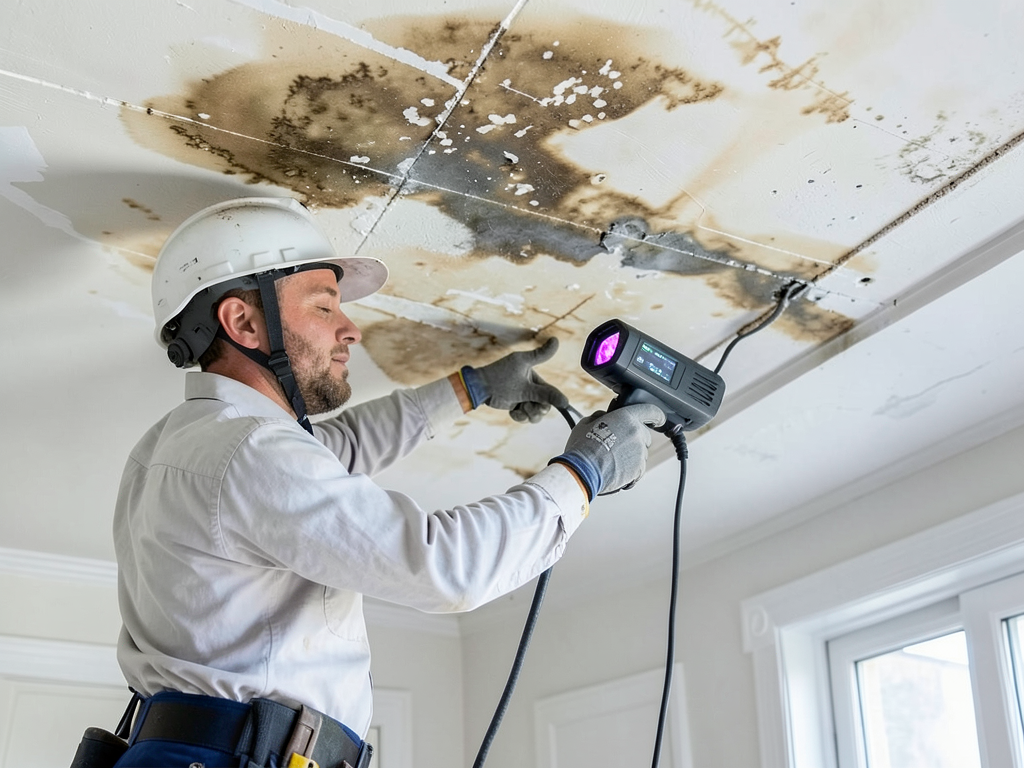
Diagram showing how water travels through roof leaks into wall cavities, causing structural damage to studs, insulation, and electrical systems.
Technician using thermal imaging camera to detect moisture patterns in ceiling, revealing hidden water damage not visible to the naked eye.
Close-up of rotted wood studs removed from wall cavity, showing the extent of structural damage caused by long-term roof leaks.
Frequently Asked Questions
How long does it take for a roof leak to cause structural damage?
Structural damage can begin within 6-12 months of continuous water exposure. The rate depends on water volume, temperature fluctuations, and the type of building materials affected. In Philadelphia’s climate, moisture problems often accelerate due to freeze-thaw cycles.
Can I just fix the drywall and paint over water stains?
No. Painting over water stains without addressing the underlying moisture problem only masks the issue temporarily. The water source will continue causing damage, and trapped moisture will lead to mold growth within weeks. Always fix the roof leak first, then repair water-damaged materials.
Does homeowners insurance cover damage from roof leaks?
Insurance typically covers sudden, accidental damage but may deny claims for long-term neglect. Most policies require homeowners to maintain their roofs properly. If a leak develops from lack of maintenance, you might be responsible for all repair costs. Document damage immediately and contact your insurer promptly.
How can I tell if my walls have structural rot?
Look for these signs: walls that feel soft when pressed, visible mold growth, musty odors, doors that suddenly stick, or cracks appearing in corners. A professional inspection using moisture meters and visual assessment can confirm rot presence. Don’t wait for walls to collapse before taking action.
Roof leaks are more than just an inconvenience—they’re a threat to your home’s structural integrity. The longer you wait, the more expensive and extensive the damage becomes. Philadelphia’s weather patterns make our homes particularly vulnerable to water infiltration and the secondary damage it causes.
Don’t let a small leak turn into a major structural problem. The cost of professional inspection and repair is minimal compared to the expense of replacing rotted wall studs, repairing mold damage, and dealing with potential electrical hazards.
Call (267) 344-1222 today to schedule your comprehensive roof inspection. Our experienced technicians use thermal imaging and moisture detection equipment to find hidden problems before they cause catastrophic damage. Protect your Philadelphia home from the silent destruction of hidden roof leaks.
Pick up the phone and call (267) 344-1222 before the next storm hits. Early detection saves thousands in repair costs and protects your family from the health hazards of mold and structural instability.
You may also find this helpful. Why Your Roof Hatch is the Most Likely Spot for a Leak in Your South Philly Rowhome.
You may also find this helpful. Protecting Your Rhawnhurst Home from Falling Tree Limbs and Debris.
You may also find this helpful. How to Handle a Leaking Roof When You Live in a Middle Rowhome.
You may also find this helpful. Why the Rake Edge of Your Roof is Failing in Fox Chase.
You may also find this helpful. Managing Rainwater Runoff to Protect Your Foundation in Point Breeze.
{
“@context”: “https://schema.org”,
“@type”: “BlogPosting”,
“headline”: “Why Your Roof Leak is Causing Hidden Structural Rot in Your Walls”,
“description”: “A roof leak in Philadelphia isn’t just a ceiling problem—it’s causing hidden structural rot in your walls. Learn the warning signs, dangers, and how to protect your home before it’s too late.”,
“wordCount”: 1693,
“datePublished”: “2026-05-25T13:44:00.000Z”,
“dateModified”: “2026-05-25T13:44:00.000Z”,
“inLanguage”: “en-US”,
“mainEntityOfPage”: {
“@type”: “WebPage”,
“@id”: “https://atlasroofingphiladelphia.com”
},
“publisher”: {
“@type”: “LocalBusiness”,
“name”: “Atlas Roofing Philadelphia”,
“url”: “https://atlasroofingphiladelphia.com”
},
“author”: {
“@type”: “Organization”,
“name”: “Atlas Roofing Philadelphia”,
“url”: “https://atlasroofingphiladelphia.com”
},
“image”: {
“@type”: “ImageObject”,
“url”: “https://atlasroofingphiladelphia.com/wp-content/uploads/2026/03/why-your-roof-leak-is-causing-hidden-structural-ro-1.png”
}
}
{
“@context”: “https://schema.org”,
“@type”: “RoofingContractor”,
“name”: “Atlas Roofing Philadelphia”,
“url”: “https://atlasroofingphiladelphia.com”,
“address”: {
“@type”: “PostalAddress”,
“addressLocality”: “Philadelphia”
},
“areaServed”: {
“@type”: “City”,
“name”: “Philadelphia”
}
}
{
“@context”: “https://schema.org”,
“@type”: “FAQPage”,
“mainEntity”: [
{
“@type”: “Question”,
“name”: “How long does it take for a roof leak to cause structural damage?”,
“acceptedAnswer”: {
“@type”: “Answer”,
“text”: “Structural damage can begin within 6-12 months of continuous water exposure. The rate depends on water volume, temperature fluctuations, and the type of building materials affected. In Philadelphia’s climate, moisture problems often accelerate due to freeze-thaw cycles.”
}
},
{
“@type”: “Question”,
“name”: “Can I just fix the drywall and paint over water stains?”,
“acceptedAnswer”: {
“@type”: “Answer”,
“text”: “No. Painting over water stains without addressing the underlying moisture problem only masks the issue temporarily. The water source will continue causing damage, and trapped moisture will lead to mold growth within weeks. Always fix the roof leak first, then repair water-damaged materials.”
}
},
{
“@type”: “Question”,
“name”: “Does homeowners insurance cover damage from roof leaks?”,
“acceptedAnswer”: {
“@type”: “Answer”,
“text”: “Insurance typically covers sudden, accidental damage but may deny claims for long-term neglect. Most policies require homeowners to maintain their roofs properly. If a leak develops from lack of maintenance, you might be responsible for all repair costs. Document damage immediately and contact your insurer promptly.”
}
},
{
“@type”: “Question”,
“name”: “How can I tell if my walls have structural rot?”,
“acceptedAnswer”: {
“@type”: “Answer”,
“text”: “Look for these signs: walls that feel soft when pressed, visible mold growth, musty odors, doors that suddenly stick, or cracks appearing in corners. A professional inspection using moisture meters and visual assessment can confirm rot presence. Don’t wait for walls to collapse before taking action.”
}
}
]
}
{
“@context”: “https://schema.org”,
“@type”: “BreadcrumbList”,
“itemListElement”: [
{
“@type”: “ListItem”,
“position”: 1,
“name”: “Home”,
“item”: “https://atlasroofingphiladelphia.com”
},
{
“@type”: “ListItem”,
“position”: 2,
“name”: “Blog”,
“item”: “https://atlasroofingphiladelphia.com/blog”
},
{
“@type”: “ListItem”,
“position”: 3,
“name”: “Why Your Roof Leak is Causing Hidden Structural Rot in Your Walls”
}
]
}
{
“@context”: “https://schema.org”,
“@type”: “Service”,
“serviceType”: “Roofing”,
“provider”: {
“@type”: “LocalBusiness”,
“name”: “Atlas Roofing Philadelphia”,
“url”: “https://atlasroofingphiladelphia.com”
},
“areaServed”: {
“@type”: “City”,
“name”: “Philadelphia”
},
“description”: “A roof leak in Philadelphia isn’t just a ceiling problem—it’s causing hidden structural rot in your walls. Learn the warning signs, dangers, and how to protect your home before it’s too late.”
}