
Why Your South Philly Rowhome Needs a Drip Edge to Prevent Fascia Rot
Your South Philly rowhome faces a constant threat from water damage. The narrow alleyways, historic brick construction, and flat roof designs common to neighborhoods like Passyunk Square and Pennsport create perfect conditions for water to seep into fascia boards and masonry. A properly installed drip edge acts as your first line of defense, channeling water away from vulnerable areas before it causes thousands in repairs. EPA stormwater management guidelines.
Water follows the path of least resistance. Without a drip edge, rain flows directly off your roof edge, wicking up into the fascia board through capillary action. In South Philly’s freeze-thaw climate, this trapped moisture expands and contracts, causing wood rot, brick spalling, and even basement leaks. The damage happens slowly but relentlessly, often going unnoticed until fascia boards crumble or water stains appear on interior walls. How to Stop Your South Philly Rowhome Roof from Leaking Every Time it Rains.
The Philadelphia Water Department’s stormwater management guidelines emphasize proper drainage for urban properties. Your rowhome sits in a dense neighborhood where water from one roof can affect several adjacent properties. A quality drip edge installation not only protects your home but also helps maintain the integrity of your entire block’s building envelope. Philadelphia Department of Licenses and Inspections.
South Philly’s historic districts have specific requirements. The Philadelphia Historical Commission requires that any exterior modifications maintain the architectural character of the neighborhood. Modern drip edge materials come in various profiles and finishes that can match your home’s original cornice details while providing superior water protection.
Common signs of missing or damaged drip edges include peeling paint on cornices, water stains on brick facades, and deteriorating mortar joints. You might also notice water pooling near your foundation after storms or see daylight through gaps where the fascia meets the roof deck. These symptoms indicate that water is already finding its way into places it shouldn’t be.
Call (267) 344-1222 today to schedule your inspection before the next storm hits. Our team understands the unique challenges of South Philly rowhomes and can recommend the right drip edge solution for your specific situation.
How Drip Edges Protect South Philly Rowhome Architecture

South Philly rowhomes feature a distinctive architectural transition from flat roof surfaces to decorative cornices and brickwork. This transition creates vulnerable points where water can penetrate. A properly installed drip edge bridges this gap, creating a clean water-shedding plane that protects both the roof structure and the building’s facade.
The typical South Philly flat roof uses modified bitumen or EPDM membrane systems. These materials perform excellently when water is directed away from seams and edges. Without a drip edge, water sheets over the roof edge and directly contacts the fascia board and any underlying wood structure. This constant moisture exposure breaks down protective coatings and allows water infiltration.
Philadelphia’s climate presents unique challenges. The city experiences approximately 42 inches of rainfall annually, with most falling during spring and summer thunderstorms. These intense rain events test every component of your roofing system. A quality drip edge must withstand not just water volume but also wind-driven rain that can push water up and under improperly installed components. The Best Local Roofing Companies for Luxury Homes on the Main Line.
The freeze-thaw cycles common to Pennsylvania winters create additional stress. Water that enters small cracks in fascia boards or mortar joints expands when frozen, widening these openings each cycle. Over years, this process can destroy structural wood and compromise brick masonry. A properly installed drip edge prevents water from ever reaching these vulnerable areas.
Local building codes in Philadelphia require proper water management for all roof replacements. The Philadelphia Department of Licenses and Inspections mandates that roofing contractors follow manufacturer specifications for edge metal installation. This includes specific fastener patterns, overlap requirements, and integration with existing gutter systems. How Much Does a Full Roof Replacement Actually Cost in Philadelphia Right Now.
Common South Philly Roof Edge Problems We See
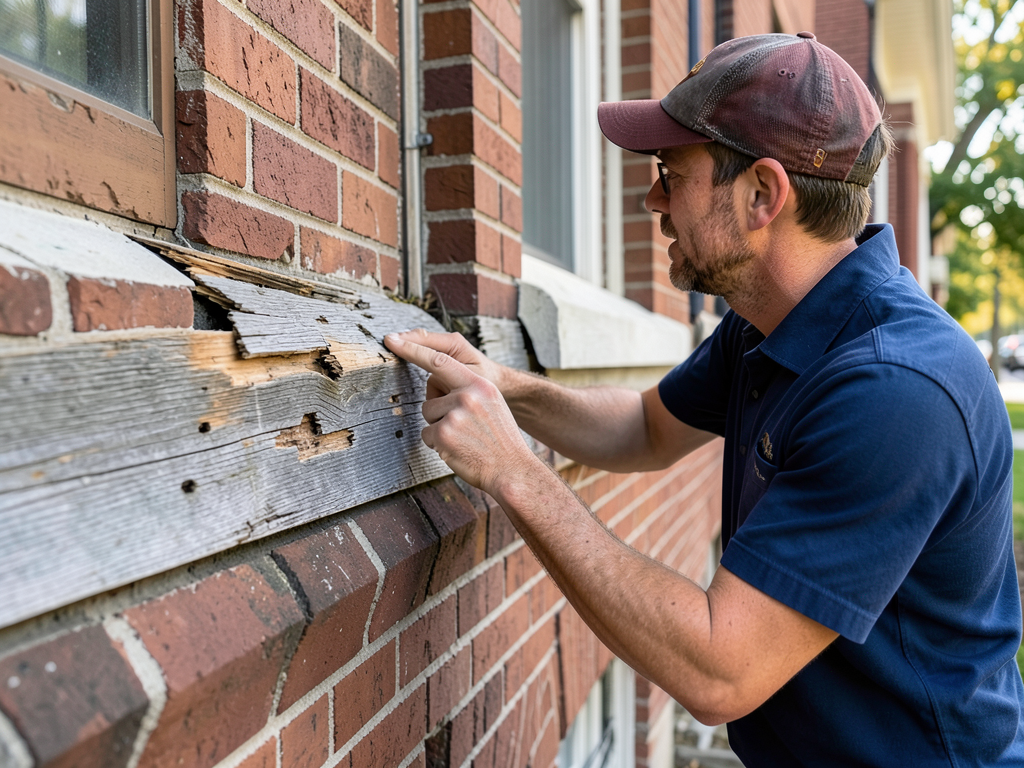
Many South Philly rowhomes were built before drip edges became standard practice. These older installations often lack any edge protection, leaving fascia boards exposed to direct water contact. Over decades, this exposure leads to wood rot, paint failure, and eventual structural damage that can cost thousands to repair.
Improperly installed drip edges create their own set of problems. We frequently find installations where the drip edge sits too far back from the roof edge, allowing water to curl back and run down the fascia. Other common issues include inadequate fastening that allows the metal to lift in high winds, creating gaps where water can enter.
Material selection matters significantly in Philadelphia’s climate. Standard galvanized steel drip edges can corrode within 10-15 years in our humid, salt-air environment. Aluminum offers better corrosion resistance but may not provide the structural strength needed for certain roof designs. Copper provides excellent longevity but comes at a premium price point.
The interaction between your roof edge and gutter system often creates problems. Many South Philly homes have gutters that sit too close to the drip edge or lack proper flashing integration. This configuration can cause water to back up under the drip edge during heavy rains, defeating its protective purpose.
Foundation issues compound roof edge problems. South Philly’s clay-rich soil expands when wet and contracts when dry. This movement can cause minor shifts in your home’s structure that open small gaps around roof edges. A quality drip edge installation accounts for this movement through proper fastening patterns and flexible sealants.
Our South Philly Drip Edge Installation Process
Our installation process begins with a comprehensive roof edge inspection. We examine the condition of existing fascia boards, checking for rot, insect damage, or previous water intrusion. This assessment helps us determine whether repairs or complete replacement of underlying wood components are necessary before installing new drip edge.
Material selection follows based on your home’s specific needs and your budget. We typically recommend aluminum for most South Philly applications due to its excellent corrosion resistance and moderate cost. For historic properties or homeowners seeking premium solutions, we offer copper drip edges that develop a protective patina over time. Why More Homeowners in Manayunk Are Switching to Metal Roofing.
The installation process requires precise measurements and cutting. South Philly rowhomes often have irregular roof edges due to settling or previous modifications. We custom-fit each piece of drip edge to ensure proper coverage and water shedding. This attention to detail prevents the small gaps that can lead to big problems.
Proper fastening technique proves critical for long-term performance. We use corrosion-resistant fasteners placed at manufacturer-specified intervals to prevent wind uplift and maintain a secure seal. The fastening pattern also allows for minor thermal expansion and contraction without compromising the installation’s integrity.
Integration with existing components completes the installation. We ensure proper overlap with underlayment, correct integration with gutter systems, and appropriate sealing at corners and transitions. These details prevent the water infiltration that often occurs at connection points between different roofing components. Roofing Pittsburgh.
Material Options for Philadelphia’s Climate
Choosing the right drip edge material affects both performance and longevity. Each option offers different benefits for South Philly’s specific environmental conditions.
| Material | Lifespan in Philadelphia | Corrosion Resistance | Cost per Linear Foot | Best Use Case |
|---|---|---|---|---|
| Aluminum | 30-40 years | Excellent | $3-5 | Most rowhomes |
| Galvanized Steel | 15-20 years | Good | $2-3 | Budget installations |
| Copper | 50+ years | Superior | $8-12 | Historic properties |
| Stainless Steel | 40-50 years | Excellent | $6-8 | High-end applications |
Aluminum remains our most recommended material for South Philly installations. It resists the salty air from the Delaware River, handles freeze-thaw cycles without becoming brittle, and maintains its shape under Philadelphia’s temperature extremes. The material’s light weight also reduces stress on existing roof structures.
Copper offers unmatched longevity and develops a distinctive green patina that many homeowners find attractive. The material naturally resists moss and algae growth, a significant advantage in Philadelphia’s humid climate. However, copper’s high cost and the need for specialized installation techniques limit its use to specific applications.
Galvanized steel provides an economical option but requires more frequent replacement in our climate. The zinc coating that protects against rust eventually wears through, especially in areas with high humidity or salt exposure. We typically reserve this material for temporary installations or situations where budget constraints are paramount.
Cost Factors for South Philly Drip Edge Installation
Several factors influence the total cost of your drip edge installation. Understanding these variables helps you make informed decisions about your roofing investment.
Roof accessibility affects labor costs significantly. South Philly rowhomes often have limited roof access through narrow alleyways or interior stairs. These access challenges increase installation time and may require specialized equipment to transport materials safely through tight spaces.
The condition of existing components impacts overall costs. If we discover rotted fascia boards or damaged roof decking during inspection, these must be repaired or replaced before installing new drip edge. While this adds to the initial cost, it prevents more expensive problems from developing later.
Roof complexity influences installation difficulty. Simple rectangular roof edges require minimal cutting and fitting. However, many South Philly homes have irregular shapes, multiple levels, or decorative elements that require custom fitting and additional labor to ensure proper water management.
Material selection drives the largest cost variations. Basic aluminum drip edge might cost $300-500 for an average rowhome, while premium copper installation could exceed $1,500. The price difference reflects not just material costs but also the specialized skills required for working with certain metals.
Integration with other roofing work affects overall project economics. If you’re planning a complete roof replacement, adding drip edge installation typically costs less than doing it as a standalone project. The combined work allows for better integration and often qualifies for package pricing.
Maintaining Your Drip Edge for Long-Term Protection
Regular maintenance extends the life of your drip edge installation and ensures continued protection for your home. Simple seasonal checks can prevent minor issues from becoming major problems.
Spring inspections should focus on winter damage. Check for any sections that may have lifted during freeze-thaw cycles or sustained impact from falling ice. Look for signs of corrosion, particularly in areas where leaves or debris may have trapped moisture against the metal.
Summer maintenance involves clearing debris from roof edges. Leaves, twigs, and urban debris can accumulate along drip edges, creating dams that force water back under the metal. A simple cleaning with a garden hose can prevent these blockages and ensure proper water flow.
Fall preparation becomes critical before winter arrives. Ensure your drip edge is properly integrated with gutter systems to handle increased water volume from autumn rains. Check that all fasteners remain tight and that no sections have separated from the roof edge.
Winter monitoring helps identify problems early. After significant storms, check for ice dam formation along roof edges. While a properly installed drip edge helps prevent ice dams, severe weather can still create issues that require professional attention.
Annual professional inspections catch problems you might miss. A qualified roofer can identify early signs of corrosion, fastener failure, or sealant degradation. These inspections typically cost less than emergency repairs and can extend the life of your entire roofing system.
Why Choose Atlas Roofing Philadelphia
Our team understands the unique challenges of South Philly rowhomes better than general contractors. We’ve worked on hundreds of properties in neighborhoods from Passyunk Square to Pennsport, giving us firsthand knowledge of local building patterns, common failure points, and effective solutions.
We stay current with Philadelphia’s building codes and permit requirements. Our installations comply with all local regulations, including those specific to historic districts. This compliance ensures your installation passes inspection and maintains your home’s value.
Our material selection reflects Philadelphia’s specific climate challenges. We don’t just install standard products; we recommend materials proven to perform in our humidity levels, temperature extremes, and urban environment. This expertise prevents the premature failures common with inappropriate material choices.
We provide detailed written estimates that explain exactly what work will be performed, what materials will be used, and why we recommend specific approaches. This transparency helps you make informed decisions about your roofing investment.
Our warranty covers both materials and workmanship, giving you peace of mind that your investment is protected. We stand behind our installations and are available for follow-up service if any issues arise.
Ready to protect your South Philly rowhome from water damage? Call (267) 344-1222 today to schedule your free inspection. Our team will assess your specific situation and recommend the best drip edge solution for your home.
Frequently Asked Questions
How long does drip edge installation take?
Most South Philly rowhome installations require one to two days, depending on roof accessibility and any necessary repairs to existing components. We work efficiently while maintaining attention to detail that ensures long-term performance.
Is a permit required for drip edge installation?
Permit requirements vary based on the scope of work. Simple drip edge replacement typically doesn’t require a permit, but if we discover underlying structural issues that need repair, permits may be necessary. We handle all permit requirements as part of our service.
Can I install drip edge myself?
While DIY installation is possible, professional installation ensures proper integration with existing roofing components and compliance with local building codes. Improper installation can void roofing warranties and create water infiltration problems that cost more to repair than professional installation.
How much does drip edge installation cost?
Costs vary based on material selection, roof complexity, and any necessary repairs. Basic aluminum installations for average rowhomes typically range from $300-800, while premium materials or complex installations may cost more. We provide detailed written estimates after inspection.
Will drip edge installation damage my existing gutters?
Professional installation includes proper integration with existing gutter systems. We may need to temporarily remove gutters during installation, but we reinstall them correctly to ensure proper water flow and prevent damage to both the gutters and your home’s exterior.
How do I know if my drip edge needs replacement?
Signs include visible corrosion, sections pulling away from the roof edge, water stains on fascia boards, or peeling paint on cornices. If you notice any of these issues, call (267) 344-1222 for a professional inspection before water damage becomes severe.
Does drip edge installation affect my home’s historical character?
We offer drip edge options that maintain the architectural integrity of historic South Philly homes. Materials and profiles can be selected to match existing cornices and trim details while providing modern water protection. For properties in historic districts, we ensure all work complies with preservation guidelines.
What’s the difference between drip edge and gutter apron?
Drip edge extends over the roof edge to direct water away from fascia boards, while gutter apron sits under the shingles and helps direct water into gutters. Many South Philly homes benefit from both components working together for comprehensive water management.
How soon can you start after I call?
We typically schedule inspections within 48 hours of your call. Installation can usually begin within one to two weeks, depending on current workload and weather conditions. Emergency situations receive priority scheduling.
Do you offer warranties on drip edge installation?
Yes, we provide warranties covering both materials and workmanship. Material warranties vary by manufacturer but typically range from 20-50 years. Our workmanship warranty ensures the installation performs as intended for the specified period.
Will installation disturb my neighbors?
We work efficiently to minimize disruption in South Philly’s close-knit neighborhoods. Our teams are mindful of noise levels and clean up thoroughly at the end of each day. We coordinate with you to schedule work at convenient times.
What happens if you find rot during installation?
If we discover rotted fascia boards or other water damage during installation, we’ll stop work and discuss repair options with you before proceeding. Addressing these issues during the same project prevents future problems and ensures your new drip edge performs as intended.
Don’t wait for water damage to destroy your fascia boards and masonry. Call (267) 344-1222 now to schedule your free inspection. Our South Philly experts will identify potential problems and recommend the right drip edge solution to protect your home for decades to come.
You may also find this helpful. Comparing Silicone and Acrylic Coatings for Flat Roofs in Port Richmond.
{
“@context”: “https://schema.org”,
“@type”: “BlogPosting”,
“headline”: “Why Your South Philly Rowhome Needs a Drip Edge to Prevent Fascia Rot”,
“description”: “Learn how drip edge protects your South Philly rowhome’s fascia and brickwork from water damage. Atlas Roofing Philadelphia specializes in local cornice preservation.”,
“wordCount”: 2692,
“datePublished”: “2026-06-06T08:45:00.000Z”,
“dateModified”: “2026-06-06T08:45:00.000Z”,
“inLanguage”: “en-US”,
“mainEntityOfPage”: {
“@type”: “WebPage”,
“@id”: “https://atlasroofingphiladelphia.com”
},
“publisher”: {
“@type”: “LocalBusiness”,
“name”: “Atlas Roofing Philadelphia”,
“url”: “https://atlasroofingphiladelphia.com”
},
“author”: {
“@type”: “Organization”,
“name”: “Atlas Roofing Philadelphia”,
“url”: “https://atlasroofingphiladelphia.com”
},
“image”: {
“@type”: “ImageObject”,
“url”: “https://atlasroofingphiladelphia.com/wp-content/uploads/2026/03/why-your-south-philly-rowhome-needs-a-drip-edge-to-1.png”
}
}
{
“@context”: “https://schema.org”,
“@type”: “RoofingContractor”,
“name”: “Atlas Roofing Philadelphia”,
“url”: “https://atlasroofingphiladelphia.com”,
“address”: {
“@type”: “PostalAddress”,
“addressLocality”: “Philadelphia”
},
“areaServed”: {
“@type”: “City”,
“name”: “Philadelphia”
}
}
{
“@context”: “https://schema.org”,
“@type”: “FAQPage”,
“mainEntity”: [
{
“@type”: “Question”,
“name”: “How long does drip edge installation take?”,
“acceptedAnswer”: {
“@type”: “Answer”,
“text”: “Most South Philly rowhome installations require one to two days, depending on roof accessibility and any necessary repairs to existing components. We work efficiently while maintaining attention to detail that ensures long-term performance.”
}
},
{
“@type”: “Question”,
“name”: “Is a permit required for drip edge installation?”,
“acceptedAnswer”: {
“@type”: “Answer”,
“text”: “Permit requirements vary based on the scope of work. Simple drip edge replacement typically doesn’t require a permit, but if we discover underlying structural issues that need repair, permits may be necessary. We handle all permit requirements as part of our service.”
}
},
{
“@type”: “Question”,
“name”: “Can I install drip edge myself?”,
“acceptedAnswer”: {
“@type”: “Answer”,
“text”: “While DIY installation is possible, professional installation ensures proper integration with existing roofing components and compliance with local building codes. Improper installation can void roofing warranties and create water infiltration problems that cost more to repair than professional installation.”
}
},
{
“@type”: “Question”,
“name”: “How much does drip edge installation cost?”,
“acceptedAnswer”: {
“@type”: “Answer”,
“text”: “Costs vary based on material selection, roof complexity, and any necessary repairs. Basic aluminum installations for average rowhomes typically range from $300-800, while premium materials or complex installations may cost more. We provide detailed written estimates after inspection.”
}
},
{
“@type”: “Question”,
“name”: “Will drip edge installation damage my existing gutters?”,
“acceptedAnswer”: {
“@type”: “Answer”,
“text”: “Professional installation includes proper integration with existing gutter systems. We may need to temporarily remove gutters during installation, but we reinstall them correctly to ensure proper water flow and prevent damage to both the gutters and your home’s exterior.”
}
},
{
“@type”: “Question”,
“name”: “How do I know if my drip edge needs replacement?”,
“acceptedAnswer”: {
“@type”: “Answer”,
“text”: “Signs include visible corrosion, sections pulling away from the roof edge, water stains on fascia boards, or peeling paint on cornices. If you notice any of these issues, call (267) 344-1222 for a professional inspection before water damage becomes severe.”
}
},
{
“@type”: “Question”,
“name”: “Does drip edge installation affect my home’s historical character?”,
“acceptedAnswer”: {
“@type”: “Answer”,
“text”: “We offer drip edge options that maintain the architectural integrity of historic South Philly homes. Materials and profiles can be selected to match existing cornices and trim details while providing modern water protection. For properties in historic districts, we ensure all work complies with preservation guidelines.”
}
},
{
“@type”: “Question”,
“name”: “What’s the difference between drip edge and gutter apron?”,
“acceptedAnswer”: {
“@type”: “Answer”,
“text”: “Drip edge extends over the roof edge to direct water away from fascia boards, while gutter apron sits under the shingles and helps direct water into gutters. Many South Philly homes benefit from both components working together for comprehensive water management.”
}
},
{
“@type”: “Question”,
“name”: “How soon can you start after I call?”,
“acceptedAnswer”: {
“@type”: “Answer”,
“text”: “We typically schedule inspections within 48 hours of your call. Installation can usually begin within one to two weeks, depending on current workload and weather conditions. Emergency situations receive priority scheduling.”
}
},
{
“@type”: “Question”,
“name”: “Do you offer warranties on drip edge installation?”,
“acceptedAnswer”: {
“@type”: “Answer”,
“text”: “Yes, we provide warranties covering both materials and workmanship. Material warranties vary by manufacturer but typically range from 20-50 years. Our workmanship warranty ensures the installation performs as intended for the specified period.”
}
},
{
“@type”: “Question”,
“name”: “Will installation disturb my neighbors?”,
“acceptedAnswer”: {
“@type”: “Answer”,
“text”: “We work efficiently to minimize disruption in South Philly’s close-knit neighborhoods. Our teams are mindful of noise levels and clean up thoroughly at the end of each day. We coordinate with you to schedule work at convenient times.”
}
},
{
“@type”: “Question”,
“name”: “What happens if you find rot during installation?”,
“acceptedAnswer”: {
“@type”: “Answer”,
“text”: “If we discover rotted fascia boards or other water damage during installation, we’ll stop work and discuss repair options with you before proceeding. Addressing these issues during the same project prevents future problems and ensures your new drip edge performs as intended.”
}
}
]
}
{
“@context”: “https://schema.org”,
“@type”: “BreadcrumbList”,
“itemListElement”: [
{
“@type”: “ListItem”,
“position”: 1,
“name”: “Home”,
“item”: “https://atlasroofingphiladelphia.com”
},
{
“@type”: “ListItem”,
“position”: 2,
“name”: “Blog”,
“item”: “https://atlasroofingphiladelphia.com/blog”
},
{
“@type”: “ListItem”,
“position”: 3,
“name”: “Why Your South Philly Rowhome Needs a Drip Edge to Prevent Fascia Rot”
}
]
}
{
“@context”: “https://schema.org”,
“@type”: “Service”,
“serviceType”: “Roofing”,
“provider”: {
“@type”: “LocalBusiness”,
“name”: “Atlas Roofing Philadelphia”,
“url”: “https://atlasroofingphiladelphia.com”
},
“areaServed”: {
“@type”: “City”,
“name”: “Philadelphia”
},
“description”: “Learn how drip edge protects your South Philly rowhome’s fascia and brickwork from water damage. Atlas Roofing Philadelphia specializes in local cornice preservation.”
}