
Why Your Roof Insurance Claim Was Denied and How to Appeal It
Your insurance company just sent that dreaded denial letter for your roof claim. You’re frustrated confused and wondering what went wrong. Here’s the truth: most denials in Philadelphia aren’t about fraud or bad luck. They’re about technicalities that can be fixed with the right approach.
Philadelphia homeowners face unique challenges with roof claims. Our historic rowhomes our severe weather patterns and even our specific building codes create situations where claims get denied for reasons that have nothing to do with whether your roof actually needs repair. The good news is that understanding these patterns gives you the power to fight back. How Much Does a Full Roof Replacement Actually Cost in Philadelphia Right Now.
Most successful appeals start with recognizing that insurance companies follow strict guidelines about what constitutes covered damage versus normal wear and tear. In Philadelphia we see a pattern where claims for roofs that are 15-20 years old get denied as “pre-existing” even when a recent storm caused the final damage. This isn’t necessarily the end of the road it’s just the beginning of a different process.
Understanding the specific reasons for denial and knowing your rights under Pennsylvania insurance law can turn that “no” into a “yes.” This guide walks you through the exact steps Philadelphia homeowners are using right now to successfully appeal denied roof claims and get the coverage they deserve. Pennsylvania Insurance Department.
Common Reasons for Roof Claim Denials in Philadelphia
Insurance companies deny roof claims for several predictable reasons. Knowing these patterns helps you understand whether you have grounds for appeal.
Pre-existing Damage vs. Sudden Storm Damage
This is the most common denial reason in Philadelphia. Insurance covers sudden damage from storms but not gradual deterioration. The problem is that roof damage often develops slowly over years then suddenly fails during a storm.
For example a roof might have minor wear for five years then a severe thunderstorm in July 2024 causes a leak. The insurance adjuster sees the overall wear and denies the claim saying the damage existed before the storm. But that’s not always accurate. A proper inspection can distinguish between old wear and new impact damage.
The key is proving that the storm caused specific new damage. This requires a detailed inspection that documents fresh impact marks missing shingles or hail bruising on shingles that weren’t there before the storm.
The ‘Wear and Tear’ Loophole
Philadelphia’s humid summers and freeze-thaw winters create perfect conditions for gradual roof deterioration. Insurance policies specifically exclude “wear and tear” which they define as the normal aging process of materials.
The loophole is that many adjusters apply this exclusion too broadly. They see an older roof and assume all damage is wear and tear without investigating whether recent weather events caused additional harm. This is especially common with flat roofs common in Philadelphia rowhomes where water pooling can cause gradual damage that’s hard to distinguish from sudden impact.
Partial vs. Full Replacement Disputes
Pennsylvania has specific laws about when insurance must pay for full roof replacement versus spot repairs. Philadelphia’s rowhomes often have shared-wall construction where damage to one section affects the entire roof system.
Insurance companies frequently try to limit payouts to repairing only the visibly damaged area. But Philadelphia building codes sometimes require full replacement if a certain percentage of the roof is compromised. This creates disputes where the insurance offer doesn’t actually bring your roof up to code.
Maintenance and Neglect Issues
Adjusters look for signs of poor maintenance as grounds for denial. Missing gutters clogged downspouts or visible moss growth can all be used to argue that you failed to maintain your roof properly.
In Philadelphia’s historic districts this gets complicated. Many rowhomes have original gutters or drainage systems that are difficult to maintain. What looks like neglect might actually be the challenge of maintaining a 100-year-old system.
Understanding Pennsylvania’s Insurance Laws
Pennsylvania has specific protections for homeowners dealing with denied insurance claims. Understanding these laws is crucial for a successful appeal. Why More Homeowners in Manayunk Are Switching to Metal Roofing.
Bad Faith Insurance Practices
Pennsylvania law prohibits insurance companies from denying claims without proper investigation. If your claim was denied without a thorough inspection or based on incorrect information you might have grounds for a bad faith claim.
Bad faith can include denying claims to meet company quotas or failing to follow up on submitted evidence. In Philadelphia we’ve seen cases where adjusters denied claims based on drive-by inspections rather than climbing onto the roof to see the actual damage.
The Role of the PA Insurance Department
The Pennsylvania Insurance Department regulates insurance companies and handles consumer complaints. If you believe your claim was unfairly denied you can file a complaint with them.
The department can review your case mediate with the insurance company and even recommend penalties if they find violations. They won’t guarantee approval but they can force a more thorough review of your claim.
Appraisal Clause Rights
Most homeowner policies include an appraisal clause that allows you to dispute the insurance company’s damage assessment. This is often the fastest way to resolve a denial without going to court.
Under Pennsylvania law if you and the insurance company can’t agree on the value of the damage you can request an appraisal. Each side hires an appraiser then those two appraisers select a third neutral appraiser. The three then determine the actual damage amount.
Step-by-Step Recovery Process
Following these steps systematically increases your chances of a successful appeal. Each step builds on the previous one creating a strong case for coverage.
Step 1: Review the Denial Letter
Your denial letter contains crucial information about why your claim was rejected. Read it carefully looking for specific reasons rather than general statements.
Common denial reasons include “pre-existing damage” “lack of maintenance” “wear and tear” or “excluded peril.” Each requires a different appeal strategy. The letter should also state your appeal rights and deadlines which are often 30-60 days from the date of denial.
Step 2: Get an Independent Inspection
This is the most critical step. Insurance adjusters work for the insurance company not for you. An independent inspection provides unbiased evidence of your damage.
In Philadelphia look for a roofing contractor who specializes in insurance claims and understands local building codes. They should provide a detailed written report with photos measurements and specific damage classifications. This report becomes your primary evidence for appeal. The Best Local Roofing Companies for Luxury Homes on the Main Line.
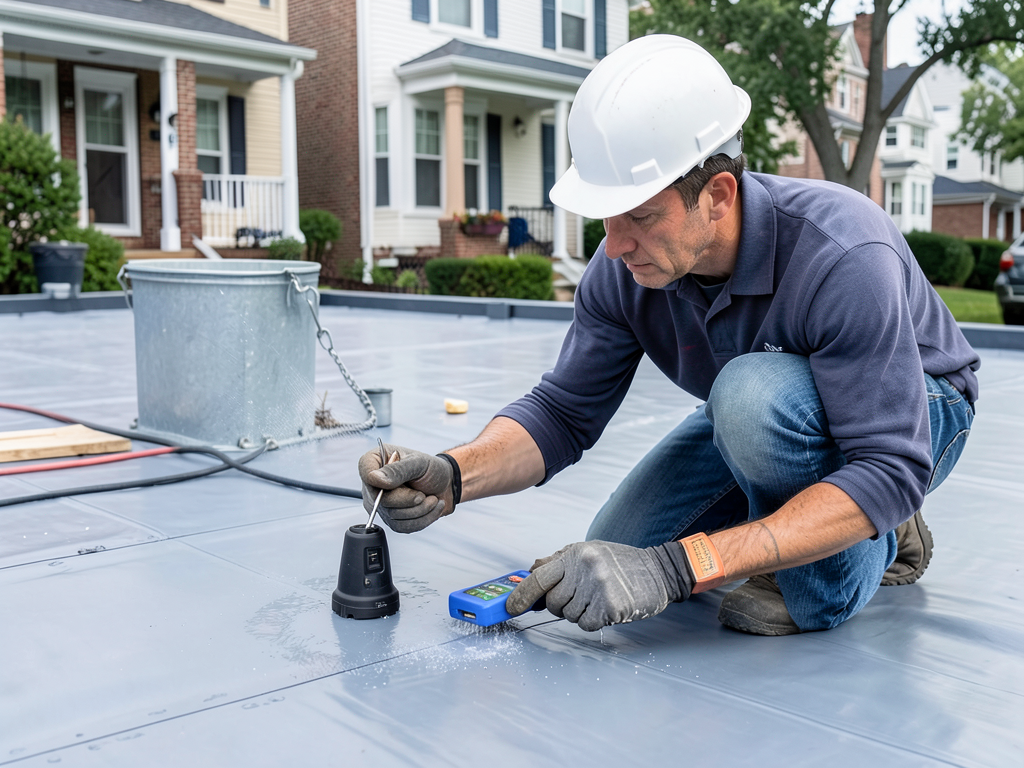
The inspection should include core samples of damaged areas if possible. For flat roofs this might mean checking the membrane thickness. For shingle roofs it means looking for hail impact marks or wind damage patterns that are invisible from the ground.
Step 3: Document Everything
Evidence is everything in an appeal. Start a file with all your claim documents including the original claim form photos you submitted and the denial letter.
Add new evidence like weather reports from the National Weather Service showing severe storms on specific dates. Include maintenance records proving you’ve cared for your roof. Photos of the damage taken immediately after the storm are particularly valuable. National Weather Service Philadelphia/Mount Holly.
For Philadelphia rowhomes also document how your roof connects to neighboring properties. Damage to shared drainage systems or parapet walls might strengthen your case for full replacement.
Step 4: File a Formal Appeal
Most insurance companies have a formal appeal process. This isn’t just calling to complain it’s submitting a complete package of evidence and arguments.
Your appeal should include your independent inspection report weather documentation and a cover letter explaining why the denial was incorrect. Reference specific policy language and Pennsylvania insurance laws that support your case.
Send everything certified mail with return receipt requested. Keep copies of everything you submit. The appeal process often takes 30-60 days so be prepared for a wait.
Step 5: Consider Professional Help
If your appeal is denied or you’re not comfortable handling it yourself consider hiring a public adjuster or attorney. Public adjusters work on contingency typically taking 10-20% of the recovery amount.
In Philadelphia public adjusters familiar with rowhome construction and local weather patterns can be particularly valuable. They know how to present evidence in ways that resonate with insurance company reviewers.
Attorneys become necessary if you’re dealing with bad faith or if the amount at stake is large enough to justify legal fees. Many work on contingency for strong cases.
Public Adjuster vs. Roofing Contractor: Who Do You Need?
Understanding the difference between these professionals helps you make the right choice for your situation.
Roofing Contractor Role
Roofing contractors assess damage and provide repair estimates. In Philadelphia they understand local building codes material requirements and installation standards specific to our climate.
A good roofing contractor will document damage take photos and provide a detailed scope of work. They can testify about why certain damage requires specific repairs and what those repairs should cost.
However in Pennsylvania roofing contractors cannot legally negotiate with your insurance company on your behalf. They can provide information but they can’t call the insurance company to argue your case.
Public Adjuster Role
Public adjusters are licensed professionals who represent you in insurance claims. They can communicate with the insurance company submit documentation and negotiate settlements.
In Philadelphia public adjusters understand local claim patterns and common denial reasons. They know which arguments work with specific insurance companies and how to present evidence effectively.
The downside is their contingency fee which reduces your net recovery. They also might not provide the same level of technical roofing expertise as a specialized contractor.
When to Use Each
For straightforward appeals where you just need better documentation a roofing contractor is often sufficient. If you have clear damage that was just poorly documented their inspection report and estimate might be all you need.
For complex cases involving partial damage disputes code upgrade requirements or suspected bad faith a public adjuster becomes more valuable. They can handle the negotiation process while you focus on your daily life.
Sometimes you need both. The contractor provides technical expertise while the adjuster handles the insurance communication.
Philadelphia-Specific Considerations
Philadelphia’s unique characteristics affect how roof claims are handled and appealed.
Rowhome Construction Issues
Philadelphia’s iconic rowhomes present specific challenges for roof claims. Shared walls and connected roofs mean damage to one unit often affects multiple properties.
Insurance companies sometimes try to limit coverage to just your unit but Philadelphia building codes might require repairs that maintain the integrity of the entire building. This is especially true for parapet walls and shared drainage systems.
Understanding these code requirements strengthens your appeal by showing why partial repairs aren’t sufficient.
Weather Pattern Evidence
Philadelphia experiences specific weather patterns that create claim opportunities. Our summer thunderstorms can produce localized hail. Winter nor’easters bring heavy wet snow that stresses roofs differently than light fluffy snow.
Weather service data from July 2024 showed several severe thunderstorm warnings for Philadelphia County with reports of quarter-sized hail in specific neighborhoods. This kind of data can prove that conditions existed to cause the damage you’re claiming.
Building Code Requirements
Philadelphia’s building codes have specific requirements for roof repairs and replacements. For example R908 of the Philadelphia Building Code addresses roof recover versus replacement.
If your roof has multiple layers or if damage affects a certain percentage of the surface area code might require full replacement. Insurance companies sometimes ignore these requirements trying to limit payouts to spot repairs.
Citing the specific code sections that apply to your situation strengthens your appeal by showing why the insurance company’s offer doesn’t actually solve your problem.
Evidence Collection Checklist
Strong evidence makes the difference between a denied claim and a successful appeal. Here’s what you need to collect.
Visual Documentation
Take photos of all damage from multiple angles. Include close-ups showing specific damage patterns and wide shots showing the overall affected area. For hail damage photograph the roof surface looking for impact marks on shingles.
Time-stamp your photos if possible. Photos taken immediately after a storm are more valuable than ones taken weeks later when damage might have worsened.
Weather Documentation
Download storm reports from the National Weather Service for the dates you’re claiming damage. Look for severe thunderstorm warnings wind reports and any hail reports.
For Philadelphia specific events check local news reports from the time. Sometimes they include video or photos showing hail or wind damage in your area that supports your claim.
Maintenance Records
Gather receipts for any roof work you’ve had done. This proves you’ve maintained your roof properly. Include gutter cleaning documentation and any repairs you’ve made.
If you’ve lived in the house less than the roof’s expected lifespan include documentation of when you purchased the home. This helps establish the roof’s age.
Professional Assessments
Besides your independent inspection get assessments from any other professionals who’ve seen the damage. This might include a general contractor who noticed the roof while working on interior damage or a home inspector who saw it during a recent inspection.
Each additional professional opinion adds credibility to your claim.
Timeline and Deadlines
Understanding the timeline for appeals helps you act quickly and avoid missing important deadlines.
Initial Claim Deadlines
Most insurance policies require you to file claims within a certain time after damage occurs. In Pennsylvania this is typically 1-2 years but it’s best to file as soon as possible.
Document the date of the storm or event that caused the damage. This becomes your starting point for all timelines.
Appeal Deadlines
Insurance companies must state appeal deadlines in their denial letters. These are often 30-60 days from the date of denial.
Missing these deadlines can permanently bar your appeal. Mark them on your calendar and plan to submit your appeal at least a week before the deadline.
Statute of Limitations
Pennsylvania has a two-year statute of limitations for property damage claims. This means you generally have two years from the date of damage to file a lawsuit if your appeal fails.
However insurance policies often have shorter deadlines for appeals so don’t wait until the last minute to act.
Cost Considerations
Understanding the potential costs helps you make informed decisions about how to proceed with your appeal.
Independent Inspection Costs
A thorough roof inspection by a qualified contractor typically costs $200-500 in Philadelphia. This might seem like a lot but it’s often the best investment you can make in your appeal.
Some contractors offer free inspections but these might be less detailed. For an appeal you want a comprehensive report with specific damage classifications and repair recommendations.
Public Adjuster Fees
Public adjusters typically charge 10-20% of the recovery amount. If they recover $20000 for you they keep $2000-4000.
While this seems high consider that they might recover significantly more than you could on your own. They also handle all the insurance communication saving you time and stress.
Attorney Fees
Attorneys for insurance claims often work on contingency charging 30-40% of the recovery. They become cost-effective when the claim amount is large or when you’re dealing with complex bad faith issues.
Many offer free initial consultations to evaluate your case and explain their fee structure.
Success Stories from Philadelphia Homeowners
Understanding how other homeowners succeeded can give you hope and strategies for your own appeal.
The Rowhome Success Story
A homeowner in South Philadelphia had their claim denied for a shared parapet wall between rowhomes. The insurance company said it was wear and tear. The homeowner got an independent inspection that documented how a July 2024 storm caused specific new damage to the shared structure. How to Stop Your South Philly Rowhome Roof from Leaking Every Time it Rains.
By citing Philadelphia building codes about structural integrity and providing weather data showing severe storms the homeowner got their claim approved for full replacement rather than the insurance company’s offer of spot repairs.
The Age Dispute Victory
A homeowner in Northern Liberties had a 17-year-old roof that failed during a severe thunderstorm. The insurance company denied the claim as pre-existing damage due to the roof’s age. The homeowner hired a public adjuster who got a second inspection showing hail damage patterns consistent with the July 2024 storm. Is Your Old Northern Liberties Roof Still Safe? (How to Tell if You Need a Pro).
The adjuster also found documentation that the previous owner had replaced the roof 12 years ago not 17 proving the roof was within its expected lifespan. The claim was approved for full replacement.
Frequently Asked Questions
How long does the appeal process take?
The appeal process typically takes 30-60 days once you submit all your documentation. However collecting evidence and getting inspections can add another 2-3 weeks before you’re ready to appeal. Start the process as soon as possible after receiving your denial.
Can I still appeal if I already made some repairs?
Yes but it’s more complicated. Stop any additional repairs once you decide to appeal. Document what repairs you’ve made with photos and receipts. An independent inspector can often determine what damage existed before your repairs.
What if the insurance company ignores my appeal?
If your insurance company doesn’t respond to your appeal within their stated timeframe you have several options. You can file a complaint with the Pennsylvania Insurance Department hire a public adjuster or consult an attorney. Ignoring a valid appeal can be grounds for a bad faith claim.
How much does it cost to hire a public adjuster?
Public adjusters typically charge 10-20% of the recovery amount. Some charge on a sliding scale with higher percentages for smaller claims. Always get a written agreement that specifies their fee structure before hiring them.
Should I get multiple estimates?
For your appeal documentation one comprehensive estimate from a qualified contractor is usually sufficient. However if estimates vary significantly getting a third opinion can help you understand the range of reasonable repair costs.
What if my appeal is denied again?
If your formal appeal is denied you can request an external review through the Pennsylvania Insurance Department. You can also hire a public adjuster or attorney. As a last resort you can file a lawsuit but this is expensive and time-consuming.
Next Steps for Your Appeal
Now that you understand the process here’s what to do immediately.
First review your denial letter and note the specific reasons for denial and the appeal deadline. This gives you your timeline.
Second schedule an independent inspection with a Philadelphia roofing contractor who understands insurance claims. Don’t wait this can take a week or more to schedule.
Third start gathering your evidence including weather reports maintenance records and any photos you have of the damage.
Finally mark your appeal deadline on your calendar and plan to submit your appeal at least a week before that date.
Don’t let an insurance denial be the final word on your roof damage. Philadelphia homeowners successfully appeal denied claims every day by understanding the process and presenting strong evidence. The key is acting quickly and getting the right help.
Call (267) 344-1222 today to schedule your independent inspection and start your appeal process. Our Philadelphia roofing experts understand local building codes weather patterns and insurance company tactics. We’ll help you build the strongest possible case for your claim approval.
Time matters in insurance appeals. The sooner you start the stronger your case will be. Don’t wait until it’s too late to get the coverage you deserve.
{
“@context”: “https://schema.org”,
“@type”: “BlogPosting”,
“headline”: “Why Your Roof Insurance Claim Was Denied and How to Appeal It”,
“description”: “Philadelphia homeowners: Discover why your roof insurance claim was denied and the exact 5-step process to appeal it successfully. Learn PA-specific appeal strategies now.”,
“wordCount”: 3243,
“datePublished”: “2026-04-17T15:26:00.000Z”,
“dateModified”: “2026-04-17T15:26:00.000Z”,
“inLanguage”: “en-US”,
“mainEntityOfPage”: {
“@type”: “WebPage”,
“@id”: “https://atlasroofingphiladelphia.com”
},
“publisher”: {
“@type”: “LocalBusiness”,
“name”: “Atlas Roofing Philadelphia”,
“url”: “https://atlasroofingphiladelphia.com”
},
“author”: {
“@type”: “Organization”,
“name”: “Atlas Roofing Philadelphia”,
“url”: “https://atlasroofingphiladelphia.com”
},
“image”: {
“@type”: “ImageObject”,
“url”: “https://atlasroofingphiladelphia.com/wp-content/uploads/2026/03/why-your-roof-insurance-claim-was-denied-and-how-t-1.png”
}
}
{
“@context”: “https://schema.org”,
“@type”: “RoofingContractor”,
“name”: “Atlas Roofing Philadelphia”,
“url”: “https://atlasroofingphiladelphia.com”,
“address”: {
“@type”: “PostalAddress”,
“addressLocality”: “Philadelphia”
},
“areaServed”: {
“@type”: “City”,
“name”: “Philadelphia”
}
}
{
“@context”: “https://schema.org”,
“@type”: “FAQPage”,
“mainEntity”: [
{
“@type”: “Question”,
“name”: “Public Adjuster vs. Roofing Contractor: Who Do You Need?”,
“acceptedAnswer”: {
“@type”: “Answer”,
“text”: “Understanding the difference between these professionals helps you make the right choice for your situation.”
}
},
{
“@type”: “Question”,
“name”: “How long does the appeal process take?”,
“acceptedAnswer”: {
“@type”: “Answer”,
“text”: “The appeal process typically takes 30-60 days once you submit all your documentation. However collecting evidence and getting inspections can add another 2-3 weeks before you’re ready to appeal. Start the process as soon as possible after receiving your denial.”
}
},
{
“@type”: “Question”,
“name”: “Can I still appeal if I already made some repairs?”,
“acceptedAnswer”: {
“@type”: “Answer”,
“text”: “Yes but it’s more complicated. Stop any additional repairs once you decide to appeal. Document what repairs you’ve made with photos and receipts. An independent inspector can often determine what damage existed before your repairs.”
}
},
{
“@type”: “Question”,
“name”: “What if the insurance company ignores my appeal?”,
“acceptedAnswer”: {
“@type”: “Answer”,
“text”: “If your insurance company doesn’t respond to your appeal within their stated timeframe you have several options. You can file a complaint with the Pennsylvania Insurance Department hire a public adjuster or consult an attorney. Ignoring a valid appeal can be grounds for a bad faith claim.”
}
},
{
“@type”: “Question”,
“name”: “How much does it cost to hire a public adjuster?”,
“acceptedAnswer”: {
“@type”: “Answer”,
“text”: “Public adjusters typically charge 10-20% of the recovery amount. Some charge on a sliding scale with higher percentages for smaller claims. Always get a written agreement that specifies their fee structure before hiring them.”
}
},
{
“@type”: “Question”,
“name”: “Should I get multiple estimates?”,
“acceptedAnswer”: {
“@type”: “Answer”,
“text”: “For your appeal documentation one comprehensive estimate from a qualified contractor is usually sufficient. However if estimates vary significantly getting a third opinion can help you understand the range of reasonable repair costs.”
}
},
{
“@type”: “Question”,
“name”: “What if my appeal is denied again?”,
“acceptedAnswer”: {
“@type”: “Answer”,
“text”: “If your formal appeal is denied you can request an external review through the Pennsylvania Insurance Department. You can also hire a public adjuster or attorney. As a last resort you can file a lawsuit but this is expensive and time-consuming.”
}
}
]
}
{
“@context”: “https://schema.org”,
“@type”: “BreadcrumbList”,
“itemListElement”: [
{
“@type”: “ListItem”,
“position”: 1,
“name”: “Home”,
“item”: “https://atlasroofingphiladelphia.com”
},
{
“@type”: “ListItem”,
“position”: 2,
“name”: “Blog”,
“item”: “https://atlasroofingphiladelphia.com/blog”
},
{
“@type”: “ListItem”,
“position”: 3,
“name”: “Why Your Roof Insurance Claim Was Denied and How to Appeal It”
}
]
}
{
“@context”: “https://schema.org”,
“@type”: “Service”,
“serviceType”: “Roofing”,
“provider”: {
“@type”: “LocalBusiness”,
“name”: “Atlas Roofing Philadelphia”,
“url”: “https://atlasroofingphiladelphia.com”
},
“areaServed”: {
“@type”: “City”,
“name”: “Philadelphia”
},
“description”: “Philadelphia homeowners: Discover why your roof insurance claim was denied and the exact 5-step process to appeal it successfully. Learn PA-specific appeal strategies now.”
}