What to Expect During a Professional Roof Inspection in Lower Moyamensing
When you schedule a professional roof inspection in Lower Moyamensing, you’re taking a crucial step to protect your home from Philadelphia’s harsh weather patterns. Our team arrives prepared with specialized tools and local knowledge that generic inspectors simply don’t have. We understand that Lower Moyamensing’s historic brick rowhomes face unique challenges from the area’s freeze-thaw cycles and the aging infrastructure of Philadelphia’s combined sewer system. Philadelphia Department of Licenses and Inspections.
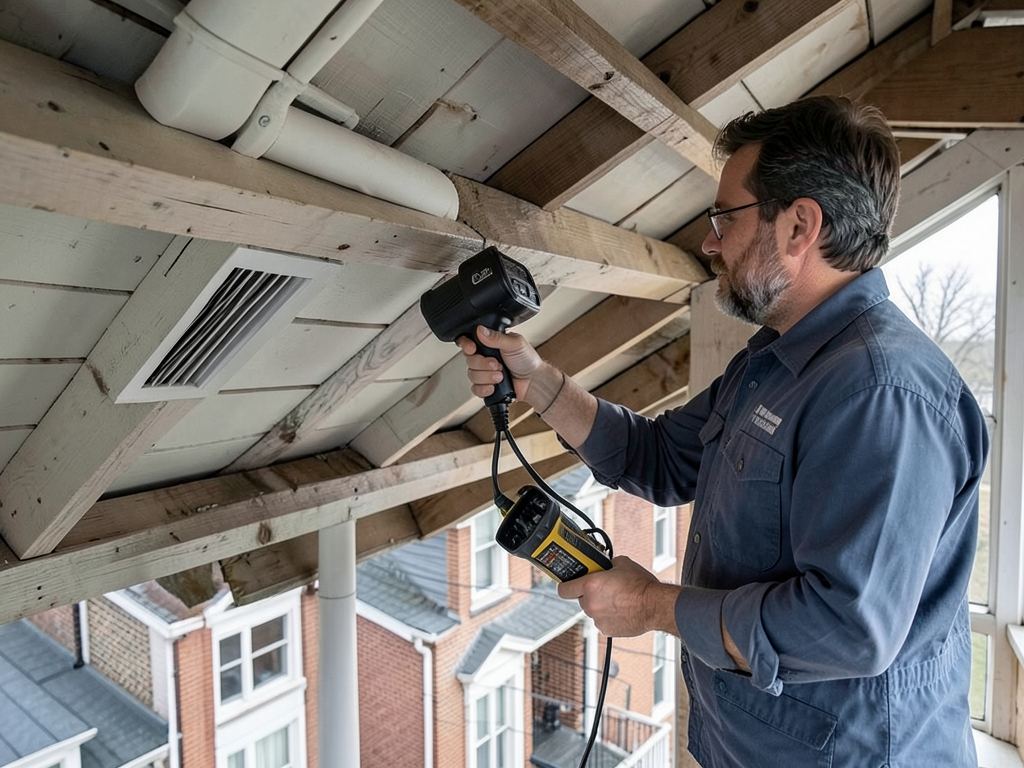
A professional inspection takes between 60 to 90 minutes and includes both interior and exterior assessments. We start in your attic, checking for moisture damage, proper ventilation, and signs of active leaks. Then we move outside to examine your roof’s surface, flashing, gutters, and structural integrity. Our inspectors use moisture meters, infrared cameras, and drone technology to identify problems that aren’t visible to the naked eye.
Lower Moyamensing homeowners often discover issues they never knew existed. The neighborhood’s proximity to the Delaware River means higher humidity levels, which can accelerate algae growth on shingles and cause premature deterioration of flat roof membranes. Our inspections catch these problems early, saving you thousands in potential water damage repairs. EPA guidelines for building inspections.
Step-by-Step Roof Inspection Process
Every professional roof inspection follows a systematic approach designed to catch both obvious and hidden problems. Here’s what happens when our team arrives at your Lower Moyamensing home:
- Interior Attic Assessment
We begin in your attic, looking for water stains, mold growth, and proper insulation. We check the underside of the roof deck for signs of moisture penetration and examine your ventilation system to ensure it meets Philadelphia’s building code requirements for moisture control.
- Exterior Surface Examination
Using ladders and drones, we inspect every square foot of your roof. We look for missing or damaged shingles, cracks in flat roof membranes, and signs of hail damage. Lower Moyamensing’s older homes often have multiple roof layers that require careful examination.
- Flashing and Penetration Inspection
We examine all roof penetrations including chimneys, vents, and skylights. Flashing around these areas is a common failure point in Philadelphia’s freeze-thaw climate. We check for rust, separation, and proper sealing.
- Gutter and Drainage System Check
Philadelphia’s combined sewer system means your gutters must handle heavy rainfall efficiently. We inspect downspouts, check for proper slope, and look for signs of ice dam formation that could cause winter damage. Winter Roof Maintenance Tips.
- Structural Assessment
We evaluate the overall structural integrity of your roof, checking for sagging areas, damaged rafters, and signs of previous repairs. This is especially important in Lower Moyamensing’s historic district where older construction methods may not meet current standards.. Read more about How to Negotiate Roof Repairs After a Home Inspection in Tacony.
Common Roofing Issues Found in Lower Moyamensing Homes
Lower Moyamensing’s historic character and urban location create specific roofing challenges that our inspectors see repeatedly. Understanding these common issues helps you know what to expect during your inspection. The Best Local Roofing Companies for Luxury Homes on the Main Line.
Flat roofs dominate the neighborhood, with many homes featuring rubber membrane systems that typically last 20-25 years in Philadelphia’s climate. We frequently find these membranes showing signs of age around the 15-year mark, with shrinkage and cracking becoming evident. The area’s high humidity also promotes algae and moss growth, which can lift shingles and create moisture retention problems.
Ice dam formation is another major concern in Lower Moyamensing. Philadelphia’s freeze-thaw cycles cause snow to melt during the day and refreeze at night, creating ice dams that force water under shingles. Our inspections often reveal inadequate ice and water shield installation, a violation of Philadelphia’s building code that requires specific protection in vulnerable areas.
Chimney flashing failures are particularly common in the neighborhood’s older homes. Many were built before modern flashing techniques existed, and previous repairs often used improper materials that deteriorate quickly in Philadelphia’s weather. We also frequently find ventilation issues in converted attic spaces, where poor airflow leads to moisture buildup and premature roof failure.
Urban wildlife creates unique problems in Lower Moyamensing. Squirrels and raccoons often damage roof edges while trying to access attics, and their droppings can accelerate material deterioration. Our inspections include checking for signs of animal intrusion and recommending appropriate deterrents.
What Our Inspection Reports Include
After completing your roof inspection, we provide a comprehensive digital report that gives you a clear understanding of your roof’s condition. Our reports are designed to be both technical enough for contractors and clear enough for homeowners to understand. Why More Homeowners in Manayunk Are Switching to Metal Roofing.
Each report includes high-resolution photos of all problem areas, moisture readings from different roof sections, and specific recommendations for repairs or maintenance. We document the age and condition of all roofing materials, check compliance with Philadelphia’s building codes, and provide estimated timelines for when major repairs might be needed. Roofing Pittsburgh.
For homes in Lower Moyamensing’s historic district, we include special considerations about preservation guidelines and material requirements. We also provide information about local contractors familiar with historic preservation if repairs are needed.
Our reports come with a roof health score from 1 to 10, helping you understand your roof’s overall condition at a glance. We include a maintenance calendar with specific tasks and timelines, and if you’re considering selling your home, we provide documentation that can be valuable during the sales process.
Why Local Expertise Matters in Lower Moyamensing
Roofing in Lower Moyamensing requires specialized knowledge that only comes from years of experience in Philadelphia’s unique environment. The neighborhood’s proximity to the Delaware River creates specific challenges that out-of-town inspectors might miss. Roofing Allentown.
Philadelphia’s building codes have specific requirements for roof inspections, including detailed documentation of ventilation systems and ice and water shield installation. Our inspectors are familiar with these requirements and ensure your roof meets all local standards. We also understand the neighborhood’s combined sewer system and how it affects drainage requirements.
The area’s historic character means many homes have architectural features that require special attention. Our inspectors know how to assess slate roofs common in older sections, understand the structural limitations of historic buildings, and recognize when repairs might affect a home’s historic designation.
Lower Moyamensing’s urban setting creates access challenges that affect inspection methods. Our team knows how to navigate narrow alleyways, work around power lines, and use drones effectively in tight urban spaces. We also understand the neighborhood’s specific weather patterns, including how the Delaware River’s influence affects wind patterns and precipitation.
Local relationships matter too. We work with Philadelphia’s Department of Licenses and Inspections regularly and understand the permit requirements for different types of repairs. If your inspection reveals problems requiring permits, we can guide you through the process efficiently.
Cost Factors for Roof Inspections in Philadelphia
Professional roof inspections in Lower Moyamensing typically cost between $150 and $400, depending on the home’s size, roof complexity, and inspection depth. While some companies offer free inspections, these often come with sales pressure and may not provide the thorough assessment your home needs.
Several factors affect inspection costs in the area. Historic homes often require more time due to their complex architecture and the need for specialized knowledge about older construction methods. Flat roofs typically cost more to inspect than sloped roofs because they require different assessment techniques and have more potential failure points.
The inspection’s purpose also affects pricing. Insurance-related inspections or those needed for real estate transactions often require more detailed documentation and may cost more. However, these comprehensive inspections can save you money by identifying problems before they become major issues.
Emergency inspections after storms or when active leaks are present may cost more due to the urgent nature of the work and the need for immediate assessment. However, catching problems early through regular inspections can prevent the need for emergency services.
Many homeowners find that the cost of a professional inspection is quickly offset by the prevention of major repairs. For example, catching a small flashing leak early might cost $200 to repair, while ignoring it could lead to $5,000 in water damage to your home’s interior.
Preparing for Your Roof Inspection
Getting ready for a professional roof inspection in Lower Moyamensing helps ensure the process goes smoothly and that you get the most comprehensive assessment possible. Here’s how to prepare for our team’s arrival.
Clear access to your home’s exterior is crucial. Move vehicles away from the house, clear any items from your driveway or yard that might obstruct ladder placement, and ensure gates are unlocked if we need to access your backyard. For rowhomes with shared walls, coordinate with neighbors if our inspection equipment might affect their property.. Read more about Why Your South Philly Rowhome Needs a Drip Edge to Prevent Fascia Rot.
Inside your home, provide access to your attic if you have one. Remove any stored items that might block our view of the roof deck from below. If you’ve noticed specific issues like leaks or drafts, make note of when they occur and under what conditions so you can share this information with our inspector.
Consider having your roof’s documentation available, including any previous inspection reports, repair records, or information about when the roof was last replaced. This history helps our inspectors understand your roof’s maintenance patterns and identify recurring issues.
If you have concerns about specific areas of your home, such as rooms that feel unusually hot or cold, let our inspector know. These temperature variations often indicate ventilation problems that affect your roof’s performance and longevity.
Finally, plan to be available during the inspection to ask questions and receive preliminary findings. While our detailed report comes later, our inspector can point out immediate concerns and explain what they’re looking for as they work through the assessment process.. Read more about Finding the Leak in Your Complicated Tudor Roof in West Mt. Airy.
Frequently Asked Questions
How often should I get my roof inspected in Lower Moyamensing?
We recommend professional roof inspections every two years for homes in Lower Moyamensing, with additional inspections after major storms or if you notice signs of roof problems like leaks or missing shingles.
Can a roof inspection detect problems before they cause leaks?
Yes, professional inspections can identify early warning signs like deteriorating flashing, damaged underlayment, or ventilation issues that could lead to leaks if left unaddressed. Early detection often prevents costly water damage.
What’s the difference between a free inspection and a professional paid inspection?
Free inspections are often sales tools that may not provide comprehensive assessment. Professional paid inspections use specialized equipment, provide detailed documentation, and focus on identifying all issues rather than just those that lead to immediate sales opportunities.
How long does a roof inspection take?
A thorough roof inspection typically takes 60 to 90 minutes, depending on your home’s size and the inspection’s complexity. Historic homes or those with multiple roof levels may require additional time.
Will the inspection damage my roof?
No, professional roof inspections are non-invasive. Our inspectors use specialized tools and techniques to assess your roof’s condition without causing damage. We’re trained to walk on roofs safely and know which areas to avoid.
Protect Your Lower Moyamensing Home with Professional Inspection
Your roof is your home’s first line of defense against Philadelphia’s harsh weather, and regular professional inspections are the best way to ensure it continues protecting your family and belongings. In Lower Moyamensing’s historic district, where homes often have unique architectural features and aging infrastructure, professional expertise isn’t just helpful—it’s essential.
Don’t wait for visible signs of damage to appear. By the time you see water stains on your ceiling or notice missing shingles from the street, significant damage may already have occurred. A professional inspection catches problems early, when they’re easier and less expensive to fix.
Lower Moyamensing’s specific challenges—from the area’s high humidity to the freeze-thaw cycles that stress roofing materials—require inspectors who understand local conditions. Our team combines technical expertise with neighborhood-specific knowledge to provide assessments that generic inspectors simply cannot match.
Ready to protect your investment? Call (267) 344-1222 today to schedule your professional roof inspection. Our experienced team will provide the thorough assessment your Lower Moyamensing home deserves, complete with detailed documentation and actionable recommendations. Don’t let small problems become major headaches—take action now and ensure your roof continues protecting what matters most.
Call (267) 344-1222 now to schedule your inspection before the next Philadelphia storm hits. Your home deserves the best protection available.
{
“@context”: “https://schema.org”,
“@type”: “BlogPosting”,
“headline”: “What to Expect During a Professional Roof Inspection in Lower Moyamensing”,
“description”: “Learn what happens during a professional roof inspection in Lower Moyamensing, from attic checks to exterior assessments, and why local expertise matters in Philadelphia.”,
“wordCount”: 2037,
“datePublished”: “2026-06-03T13:07:00.000Z”,
“dateModified”: “2026-06-03T13:07:00.000Z”,
“inLanguage”: “en-US”,
“mainEntityOfPage”: {
“@type”: “WebPage”,
“@id”: “https://atlasroofingphiladelphia.com”
},
“publisher”: {
“@type”: “LocalBusiness”,
“name”: “Atlas Roofing Philadelphia”,
“url”: “https://atlasroofingphiladelphia.com”
},
“author”: {
“@type”: “Organization”,
“name”: “Atlas Roofing Philadelphia”,
“url”: “https://atlasroofingphiladelphia.com”
},
“image”: {
“@type”: “ImageObject”,
“url”: “https://atlasroofingphiladelphia.com/wp-content/uploads/2026/03/what-to-expect-during-a-professional-roof-inspecti-1.png”
}
}
{
“@context”: “https://schema.org”,
“@type”: “RoofingContractor”,
“name”: “Atlas Roofing Philadelphia”,
“url”: “https://atlasroofingphiladelphia.com”,
“address”: {
“@type”: “PostalAddress”,
“addressLocality”: “Philadelphia”
},
“areaServed”: {
“@type”: “City”,
“name”: “Philadelphia”
}
}
{
“@context”: “https://schema.org”,
“@type”: “FAQPage”,
“mainEntity”: [
{
“@type”: “Question”,
“name”: “How often should I get my roof inspected in Lower Moyamensing?”,
“acceptedAnswer”: {
“@type”: “Answer”,
“text”: “We recommend professional roof inspections every two years for homes in Lower Moyamensing, with additional inspections after major storms or if you notice signs of roof problems like leaks or missing shingles.”
}
},
{
“@type”: “Question”,
“name”: “Can a roof inspection detect problems before they cause leaks?”,
“acceptedAnswer”: {
“@type”: “Answer”,
“text”: “Yes, professional inspections can identify early warning signs like deteriorating flashing, damaged underlayment, or ventilation issues that could lead to leaks if left unaddressed. Early detection often prevents costly water damage.”
}
},
{
“@type”: “Question”,
“name”: “What’s the difference between a free inspection and a professional paid inspection?”,
“acceptedAnswer”: {
“@type”: “Answer”,
“text”: “Free inspections are often sales tools that may not provide comprehensive assessment. Professional paid inspections use specialized equipment, provide detailed documentation, and focus on identifying all issues rather than just those that lead to immediate sales opportunities.”
}
},
{
“@type”: “Question”,
“name”: “How long does a roof inspection take?”,
“acceptedAnswer”: {
“@type”: “Answer”,
“text”: “A thorough roof inspection typically takes 60 to 90 minutes, depending on your home’s size and the inspection’s complexity. Historic homes or those with multiple roof levels may require additional time.”
}
},
{
“@type”: “Question”,
“name”: “Will the inspection damage my roof?”,
“acceptedAnswer”: {
“@type”: “Answer”,
“text”: “No, professional roof inspections are non-invasive. Our inspectors use specialized tools and techniques to assess your roof’s condition without causing damage. We’re trained to walk on roofs safely and know which areas to avoid.”
}
}
]
}
{
“@context”: “https://schema.org”,
“@type”: “HowTo”,
“name”: “Professional Roof Inspection Process”,
“step”: [
{
“@type”: “HowToStep”,
“position”: 1,
“name”: “Interior Attic Assessment”,
“text”: “We begin in your attic, looking for water stains, mold growth, and proper insulation. We check the underside of the roof deck for signs of moisture penetration and examine your ventilation system to ensure it meets Philadelphia’s building code requirements for moisture control.”
},
{
“@type”: “HowToStep”,
“position”: 2,
“name”: “Exterior Surface Examination”,
“text”: “Using ladders and drones, we inspect every square foot of your roof. We look for missing or damaged shingles, cracks in flat roof membranes, and signs of hail damage. Lower Moyamensing’s older homes often have multiple roof layers that require careful examination.”
},
{
“@type”: “HowToStep”,
“position”: 3,
“name”: “Flashing and Penetration Inspection”,
“text”: “We examine all roof penetrations including chimneys, vents, and skylights. Flashing around these areas is a common failure point in Philadelphia’s freeze-thaw climate. We check for rust, separation, and proper sealing.”
},
{
“@type”: “HowToStep”,
“position”: 4,
“name”: “Gutter and Drainage System Check”,
“text”: “Philadelphia’s combined sewer system means your gutters must handle heavy rainfall efficiently. We inspect downspouts, check for proper slope, and look for signs of ice dam formation that could cause winter damage. Winter Roof Maintenance Tips.”
},
{
“@type”: “HowToStep”,
“position”: 5,
“name”: “Structural Assessment”,
“text”: “We evaluate the overall structural integrity of your roof, checking for sagging areas, damaged rafters, and signs of previous repairs. This is especially important in Lower Moyamensing’s historic district where older construction methods may not meet current standards.”
}
],
“image”: “https://atlasroofingphiladelphia.com/wp-content/uploads/2026/03/what-to-expect-during-a-professional-roof-inspecti-1.png”
}
{
“@context”: “https://schema.org”,
“@type”: “BreadcrumbList”,
“itemListElement”: [
{
“@type”: “ListItem”,
“position”: 1,
“name”: “Home”,
“item”: “https://atlasroofingphiladelphia.com”
},
{
“@type”: “ListItem”,
“position”: 2,
“name”: “Blog”,
“item”: “https://atlasroofingphiladelphia.com/blog”
},
{
“@type”: “ListItem”,
“position”: 3,
“name”: “What to Expect During a Professional Roof Inspection in Lower Moyamensing”
}
]
}
{
“@context”: “https://schema.org”,
“@type”: “Service”,
“serviceType”: “Roofing”,
“provider”: {
“@type”: “LocalBusiness”,
“name”: “Atlas Roofing Philadelphia”,
“url”: “https://atlasroofingphiladelphia.com”
},
“areaServed”: {
“@type”: “City”,
“name”: “Philadelphia”
},
“description”: “Learn what happens during a professional roof inspection in Lower Moyamensing, from attic checks to exterior assessments, and why local expertise matters in Philadelphia.”
}