
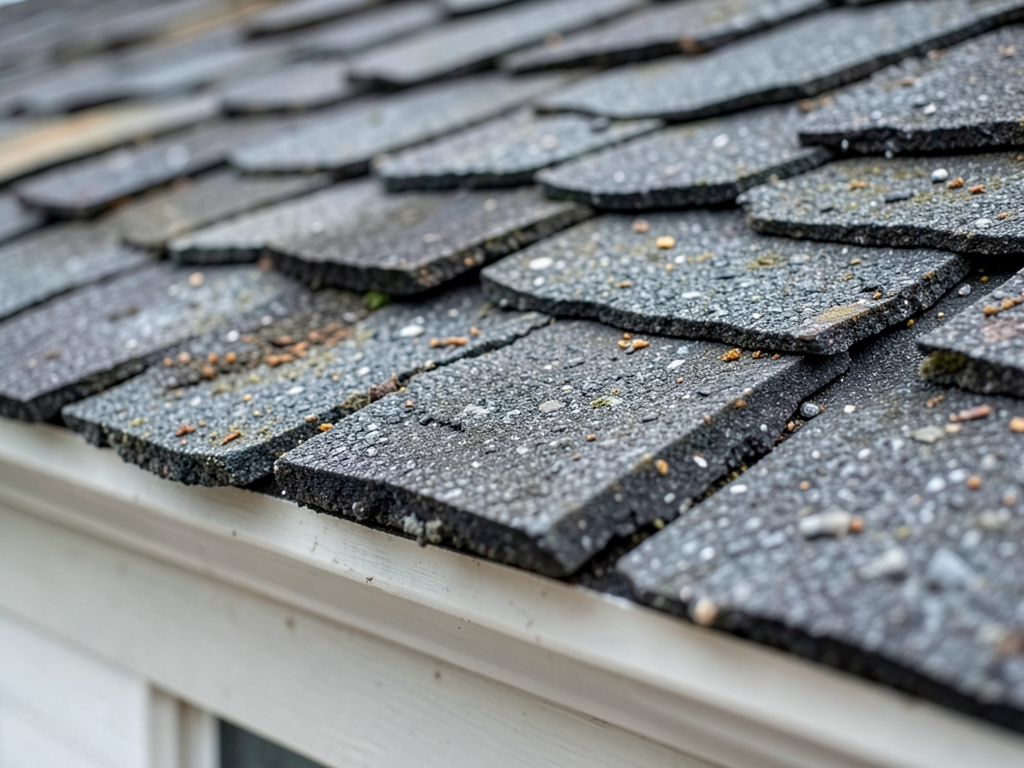
Understanding How Philadelphia Air Quality Affects the Lifespan of Your Shingles
Philadelphia’s unique urban environment creates specific challenges for your roof that most homeowners don’t realize until it’s too late. The combination of high humidity, industrial emissions, and the urban heat island effect accelerates shingle deterioration in ways that suburban or rural areas simply don’t experience. Understanding these local factors can help you protect your investment and avoid costly emergency repairs. EPA urban air quality information.
How Philadelphia’s Climate Creates Unique Roof Stress
The Delaware Valley experiences a humid subtropical climate with distinct seasonal patterns that directly impact roofing materials. Summer temperatures in Philadelphia often exceed 90°F for extended periods, while winter brings freeze-thaw cycles that stress shingle integrity. The urban heat island effect means city roofs can be 5-7°F hotter than surrounding areas, causing asphalt shingles to soften and lose protective granules faster. The Best Local Roofing Companies for Luxury Homes on the Main Line.
Philadelphia’s annual rainfall averages 47 inches, higher than the national average, and concentrated in intense summer thunderstorms. These heavy downpours test roof drainage systems and can exploit even minor vulnerabilities in shingle layers. The combination of heat, moisture, and air pollutants creates a perfect storm for accelerated roof aging.
Air Quality Factors That Damage Your Shingles
Philadelphia’s air contains higher concentrations of sulfur dioxide, nitrogen oxides, and particulate matter compared to rural areas. These pollutants settle on roof surfaces and combine with moisture to form mild acids that slowly break down asphalt composition. Industrial areas along the Schuylkill and Delaware rivers see particularly high levels of these corrosive compounds.
Vehicle emissions in dense urban neighborhoods like Center City and University City deposit fine particles that clog shingle pores and trap moisture against the surface. This creates an environment where algae and moss can thrive, further degrading the protective layers of your roofing system. Roofing Pittsburgh.
Urban Heat Island Effect and Your Roof
The urban heat island effect occurs when concrete, asphalt, and buildings absorb and retain heat, raising ambient temperatures in city centers. Philadelphia’s dense row home neighborhoods and commercial districts experience this phenomenon intensely. Dark-colored shingles in these areas can reach temperatures exceeding 160°F on sunny summer days.
This extreme heat causes asphalt shingles to expand and contract more dramatically than manufacturers anticipate. Over time, this thermal cycling leads to cracking, curling, and loss of adhesion. The problem compounds in areas with limited tree cover, where roofs receive direct sunlight for most of the day.
Humidity and Moisture Management
Philadelphia’s high humidity levels, often exceeding 70% in summer months, create constant moisture exposure for roof surfaces. When combined with poor attic ventilation, this moisture becomes trapped and accelerates wood rot in the roof deck and underlayment. Many Philadelphia homes, especially older constructions, lack adequate ventilation systems designed for modern humidity levels.
The freeze-thaw cycle presents another significant challenge. When daytime temperatures rise above freezing but nighttime temperatures drop below, water trapped in microscopic shingle cracks expands and contracts. This process, repeated dozens of times each winter, gradually breaks down shingle integrity from the inside out.
Shingle Lifespan Expectations in Philadelphia
Standard 3-tab asphalt shingles typically last 12-15 years in Philadelphia’s climate, compared to 20-25 years in more moderate environments. Architectural shingles, while more expensive initially, often provide 18-22 years of service life in the city due to their thicker construction and better granule adhesion.
Luxury shingles and impact-resistant options can extend roof life to 25-30 years, but only when properly installed with adequate ventilation and underlayment. The initial investment in higher-quality materials often pays for itself through reduced replacement frequency and better energy efficiency. How Much Does a Full Roof Replacement Actually Cost in Philadelphia Right Now.
Neighborhood-Specific Challenges
South Philadelphia’s dense row home neighborhoods face unique challenges due to limited air circulation and shared walls that trap heat. Homes in these areas often experience accelerated shingle aging on south-facing slopes that receive maximum sun exposure throughout the day. How to Stop Your South Philly Rowhome Roof from Leaking Every Time it Rains.
University City and Center City properties deal with higher pollution levels and limited green space, creating more intense urban heat island effects. The combination of industrial emissions and vehicle exhaust in these areas can reduce shingle lifespan by 3-5 years compared to similar homes in suburban Montgomery County.
Mount Airy and Chestnut Hill benefit from more tree cover and better air circulation, but still face Philadelphia’s humidity challenges. Homes in these areas often see better overall roof performance, though older constructions may have inadequate ventilation systems that trap moisture.
Warning Signs Your Shingles Need Attention
Early detection of shingle problems can prevent costly water damage to your home’s interior. Look for curling or buckling shingles, especially on south-facing slopes where heat damage is most severe. Missing granules in gutters indicate your shingles are losing their protective coating.
Dark streaks or green patches on your roof surface often indicate algae or moss growth, which traps moisture and accelerates deterioration. These organisms thrive in Philadelphia’s humid climate and can significantly reduce shingle lifespan if left untreated.
Interior warning signs include water stains on ceilings or walls, which indicate your roof’s protective barrier has been compromised. By the time water penetrates through shingles, significant damage has often already occurred to underlayment and roof decking.
Protecting Your Investment: Maintenance Strategies
Regular roof inspections can identify problems before they become emergencies. Schedule professional inspections every two years, or annually if your home is over 15 years old or located in high-pollution areas. Look for contractors who understand Philadelphia’s specific climate challenges and building codes.
Proper attic ventilation is crucial for extending shingle life. Ensure your home has adequate intake and exhaust vents to create continuous airflow. This prevents moisture buildup and reduces the temperature differential that causes thermal stress on shingles.
Consider algae-resistant shingles if you’re planning a replacement. These products include copper or zinc granules that inhibit algae growth, particularly beneficial in Philadelphia’s humid climate. While more expensive initially, they can extend roof life by 3-5 years in high-moisture environments.
Ventilation and Energy Efficiency
Proper ventilation does more than protect your shingles—it can significantly reduce cooling costs in summer. Philadelphia’s hot, humid summers make attic temperatures soar, forcing air conditioning systems to work harder. A well-ventilated attic can be 20-30°F cooler than a poorly ventilated one.
Install ridge vents or powered attic fans to improve airflow. These systems work with your home’s natural convection patterns to continuously exchange hot air for cooler outside air. The investment typically pays for itself within 3-5 years through reduced energy costs and extended roof life.
When Replacement Becomes Necessary
Most Philadelphia homeowners should plan for roof replacement every 15-20 years, depending on shingle quality and maintenance history. If your roof is approaching this age, watch for warning signs like widespread curling, missing granules, or multiple leak locations. Why More Homeowners in Manayunk Are Switching to Metal Roofing.
Consider replacement timing carefully. Late winter and early spring often offer the best combination of contractor availability and moderate weather conditions. Avoid peak season (late summer through fall) when prices are highest and wait times longest.
Building Code Considerations
Philadelphia’s building codes require specific underlayment and ice and water shield installation in areas prone to ice damming. The city follows International Building Code standards with local amendments that address Philadelphia’s unique climate challenges. Ensure your contractor is familiar with these requirements to avoid costly compliance issues. International Building Code.
Historic District homes in areas like Society Hill and Old City face additional restrictions on roofing materials and installation methods. These properties often require specialized knowledge and permits from the Philadelphia Historical Commission.
Frequently Asked Questions
How does Philadelphia’s humidity affect my roof’s lifespan?
Philadelphia’s high humidity levels, often exceeding 70% in summer, create constant moisture exposure that accelerates shingle deterioration. This moisture, combined with poor ventilation, leads to algae growth, wood rot, and thermal stress that can reduce shingle lifespan by 3-5 years compared to drier climates.
What are the signs my Philadelphia roof needs replacement?
Look for curling or buckling shingles, missing granules in gutters, dark streaks or green patches indicating algae growth, and interior water stains on ceilings or walls. If your roof is over 15 years old and shows multiple warning signs, replacement may be necessary to prevent costly water damage.
Should I choose different shingles for my Philadelphia home?
Yes, consider algae-resistant shingles with copper or zinc granules that inhibit growth in humid conditions. Architectural shingles offer better durability than 3-tab options, lasting 18-22 years versus 12-15 years. Impact-resistant shingles provide additional protection against hail and storm damage common in the region.
How often should I inspect my Philadelphia roof?
Schedule professional inspections every two years, or annually for homes over 15 years old or in high-pollution areas. After major storms or extreme weather events, additional inspections can identify damage before it leads to leaks or structural problems.
Can poor ventilation really damage my shingles?
Absolutely. Poor ventilation traps heat and moisture in your attic, creating temperatures that can exceed 150°F in summer. This causes shingles to soften, lose granules, and experience accelerated aging. Proper ventilation can extend shingle life by 5-10 years and reduce cooling costs significantly.
Call (267) 344-1222 today to schedule your professional roof inspection. Don’t wait until water damage becomes visible inside your home. Our Philadelphia-based team understands the unique challenges our local climate creates and can help you protect your investment with the right solutions.
Pick up the phone and call (267) 344-1222 before the next storm hits. We offer emergency inspections and can identify problems that put your home at risk. Our experienced technicians know exactly what to look for in Philadelphia’s specific environment and can recommend solutions that actually work in our climate.
{
“@context”: “https://schema.org”,
“@type”: “BlogPosting”,
“headline”: “Understanding How Philadelphia Air Quality Affects the Lifespan of Your Shingles”,
“description”: “Learn how Philadelphia’s humidity, urban heat island effect, and pollution impact your roof’s shingles. Find out when to replace them and how to protect your investment.”,
“wordCount”: 1630,
“datePublished”: “2026-05-26T14:45:00.000Z”,
“dateModified”: “2026-05-26T14:45:00.000Z”,
“inLanguage”: “en-US”,
“mainEntityOfPage”: {
“@type”: “WebPage”,
“@id”: “https://atlasroofingphiladelphia.com”
},
“publisher”: {
“@type”: “LocalBusiness”,
“name”: “Atlas Roofing Philadelphia”,
“url”: “https://atlasroofingphiladelphia.com”
},
“author”: {
“@type”: “Organization”,
“name”: “Atlas Roofing Philadelphia”,
“url”: “https://atlasroofingphiladelphia.com”
},
“image”: {
“@type”: “ImageObject”,
“url”: “https://atlasroofingphiladelphia.com/wp-content/uploads/2026/03/understanding-how-philadelphia-air-quality-affects-1.png”
}
}
{
“@context”: “https://schema.org”,
“@type”: “RoofingContractor”,
“name”: “Atlas Roofing Philadelphia”,
“url”: “https://atlasroofingphiladelphia.com”,
“address”: {
“@type”: “PostalAddress”,
“addressLocality”: “Philadelphia”
},
“areaServed”: {
“@type”: “City”,
“name”: “Philadelphia”
}
}
{
“@context”: “https://schema.org”,
“@type”: “FAQPage”,
“mainEntity”: [
{
“@type”: “Question”,
“name”: “How does Philadelphia’s humidity affect my roof’s lifespan?”,
“acceptedAnswer”: {
“@type”: “Answer”,
“text”: “Philadelphia’s high humidity levels, often exceeding 70% in summer, create constant moisture exposure that accelerates shingle deterioration. This moisture, combined with poor ventilation, leads to algae growth, wood rot, and thermal stress that can reduce shingle lifespan by 3-5 years compared to drier climates.”
}
},
{
“@type”: “Question”,
“name”: “What are the signs my Philadelphia roof needs replacement?”,
“acceptedAnswer”: {
“@type”: “Answer”,
“text”: “Look for curling or buckling shingles, missing granules in gutters, dark streaks or green patches indicating algae growth, and interior water stains on ceilings or walls. If your roof is over 15 years old and shows multiple warning signs, replacement may be necessary to prevent costly water damage.”
}
},
{
“@type”: “Question”,
“name”: “Should I choose different shingles for my Philadelphia home?”,
“acceptedAnswer”: {
“@type”: “Answer”,
“text”: “Yes, consider algae-resistant shingles with copper or zinc granules that inhibit growth in humid conditions. Architectural shingles offer better durability than 3-tab options, lasting 18-22 years versus 12-15 years. Impact-resistant shingles provide additional protection against hail and storm damage common in the region.”
}
},
{
“@type”: “Question”,
“name”: “How often should I inspect my Philadelphia roof?”,
“acceptedAnswer”: {
“@type”: “Answer”,
“text”: “Schedule professional inspections every two years, or annually for homes over 15 years old or in high-pollution areas. After major storms or extreme weather events, additional inspections can identify damage before it leads to leaks or structural problems.”
}
},
{
“@type”: “Question”,
“name”: “Can poor ventilation really damage my shingles?”,
“acceptedAnswer”: {
“@type”: “Answer”,
“text”: “Absolutely. Poor ventilation traps heat and moisture in your attic, creating temperatures that can exceed 150°F in summer. This causes shingles to soften, lose granules, and experience accelerated aging. Proper ventilation can extend shingle life by 5-10 years and reduce cooling costs significantly.”
}
}
]
}
{
“@context”: “https://schema.org”,
“@type”: “BreadcrumbList”,
“itemListElement”: [
{
“@type”: “ListItem”,
“position”: 1,
“name”: “Home”,
“item”: “https://atlasroofingphiladelphia.com”
},
{
“@type”: “ListItem”,
“position”: 2,
“name”: “Blog”,
“item”: “https://atlasroofingphiladelphia.com/blog”
},
{
“@type”: “ListItem”,
“position”: 3,
“name”: “Understanding How Philadelphia Air Quality Affects the Lifespan of Your Shingles”
}
]
}
{
“@context”: “https://schema.org”,
“@type”: “Service”,
“serviceType”: “Roofing”,
“provider”: {
“@type”: “LocalBusiness”,
“name”: “Atlas Roofing Philadelphia”,
“url”: “https://atlasroofingphiladelphia.com”
},
“areaServed”: {
“@type”: “City”,
“name”: “Philadelphia”
},
“description”: “Learn how Philadelphia’s humidity, urban heat island effect, and pollution impact your roof’s shingles. Find out when to replace them and how to protect your investment.”
}