
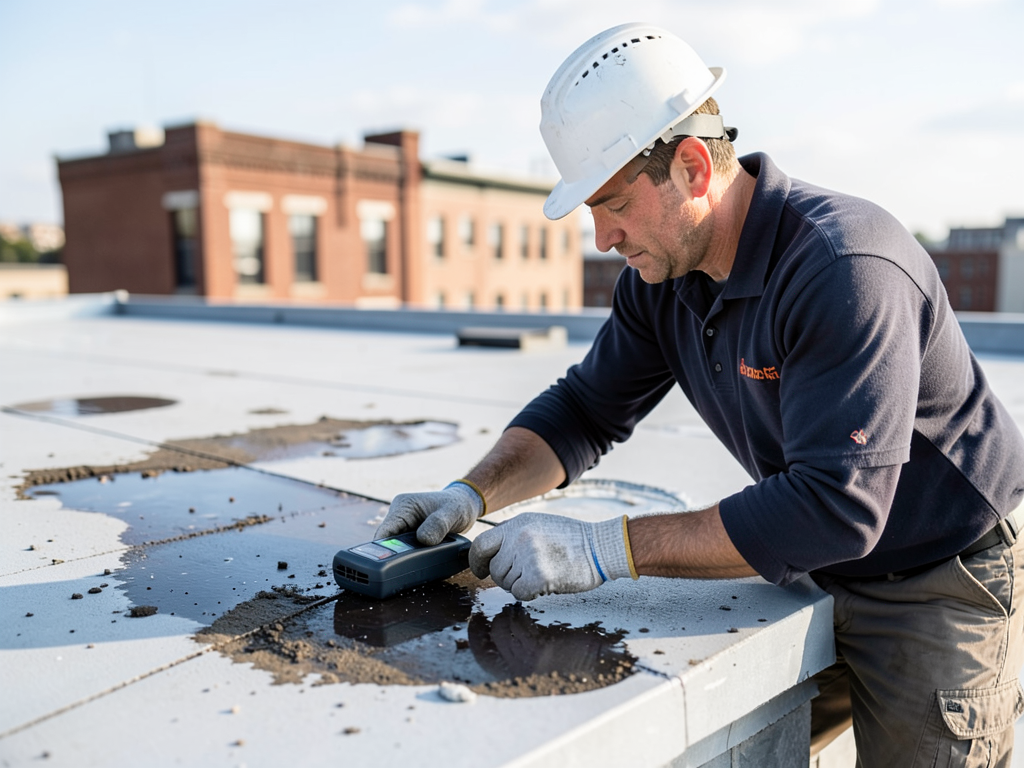
The Dangers of Walking on Your Own Flat Roof in South Philly
Flat roofs are common in South Philadelphia rowhomes but walking on them without proper knowledge can lead to serious injury or costly damage. This guide explains the structural risks, material vulnerabilities, and safety protocols every property owner should know before stepping onto their roof. Philadelphia Department of Licenses and Inspections.
Understanding Your South Philly Flat Roof Structure
Most South Philly rowhomes built before 2000 use a wood deck over joists spaced 16 inches on center. Modern flat roofs in newer construction may use lightweight concrete or metal decking. The dead load capacity of these structures typically ranges from 10 to 20 pounds per square foot. How to Stop Your South Philly Rowhome Roof from Leaking Every Time it Rains.
Older roofs in areas like Pennsport or Passyunk Square often show signs of water damage, rot, or sagging. A roof that feels soft underfoot may have compromised decking that cannot support human weight safely.
Common Flat Roof Materials and Their Vulnerabilities
Philadelphia buildings use several membrane types. EPDM rubber roofs installed since the 1980s become brittle in cold weather and can crack under concentrated pressure. TPO membranes, common in commercial buildings along Washington Avenue, have heat-welded seams that can separate if walked on improperly.
Modified bitumen roofs, often found on older industrial buildings near the Navy Yard, have a granulated surface that can hide blisters or delamination. Walking on a blister can cause it to rupture, leading to immediate leaks.
Critical Safety Hazards to Identify Before Stepping On Your Roof
Ponding water is a major hazard in South Philly. After heavy rain, water collects in low spots and adds significant weight to the roof structure. A 1-inch depth of water across a 10×10 foot area adds over 500 pounds of load.. Read more about Why Your Roof Hatch is the Most Likely Spot for a Leak in Your South Philly Rowhome.
Blistering occurs when moisture gets trapped under the membrane. These raised areas feel like walking on a waterbed and can collapse suddenly. Check for areas that feel spongy or have visible bubbles.
Parapet walls in South Philly rowhomes often have deteriorated coping or missing caps. These create tripping hazards and may have sharp edges that can cut through boots or cause falls.
Step-by-Step Safety Checklist for Roof Access
Before accessing your roof, check weather conditions. Avoid walking on roofs when temperatures are below 40°F or above 90°F. Cold makes membranes brittle; heat makes them soft and prone to tearing.
Wear soft-soled shoes with good traction. Hard soles concentrate weight and can puncture membranes. Distribute your weight by stepping on structural members when possible, not just the membrane surface.
Never walk backward on a roof. Always face the direction you are moving and maintain three points of contact when climbing ladders or navigating parapet walls.
Philadelphia Building Codes and OSHA Standards for Roof Access
The Philadelphia Department of Licenses and Inspections requires guardrails on commercial roofs with fall heights exceeding 4 feet. Residential properties are not subject to the same requirements but should follow OSHA guidelines for fall protection. OSHA Fall Protection Standards.
OSHA Standard 1926.501 mandates fall protection for workers on surfaces 6 feet or higher. This includes safety harnesses, guardrails, or safety nets for commercial roofing work. The Best Local Roofing Companies for Luxury Homes on the Main Line.
Philadelphia building code Section 1505.16 requires proper drainage systems on flat roofs. Blocked scuppers or drains can lead to ponding that exceeds the roof’s load-bearing capacity.
Warning Signs Your Roof Is Structurally Compromised
Ceiling stains inside your home often indicate active leaks that weaken the roof structure. If you see water spots on your ceiling, the roof deck may already be rotting from the underside.
Sagging roof lines visible from the street indicate structural failure. A roof that dips in the middle has lost its ability to support weight and walking on it could cause collapse.
Cracks in interior walls or doors that stick may signal the building is shifting due to roof failure. These are serious warning signs that require immediate professional assessment.. Read more about What to Expect During a Professional Roof Inspection in Lower Moyamensing.
When to Call a Professional Roofer
If you notice any of the warning signs above, do not attempt to walk on your roof. Professional roofers have the equipment, training, and insurance to safely inspect and repair flat roofs.
Annual professional inspections can identify problems before they become dangerous. A qualified roofer can check for hidden damage, proper drainage, and structural integrity using moisture meters and thermal imaging.
Emergency repairs after storms or leaks should always be handled by professionals. Walking on a damaged roof without proper assessment can cause further damage or personal injury.
Philadelphia-Specific Considerations for Flat Roof Safety
South Philly experiences freeze-thaw cycles that stress flat roof membranes. Water that enters small cracks freezes and expands, creating larger openings. This cycle weakens the roof structure over time.
Urban heat island effects in Center City and South Philadelphia can cause roof temperatures to exceed 150°F on summer days. Walking on a hot roof can cause immediate membrane damage and burns to unprotected skin.
Heavy snowfall, like the 2016 blizzard that dropped over 22 inches on Philadelphia, can create dangerous snow loads on flat roofs. A foot of wet snow can add 20 pounds per square foot of load.
Cost Factors for Professional Roof Inspections
Professional roof inspections in Philadelphia typically cost between $150 and $400 depending on roof size and accessibility. This investment can prevent costly emergency repairs or injuries from unsafe roof conditions.
Commercial properties along the Delaware waterfront or near the Navy Yard may pay more due to larger roof areas and specialized access requirements. Many roofing companies offer free estimates for repairs. Roofing Pittsburgh.
Emergency Response for Roof Failures
If you suspect your roof is failing, evacuate the building immediately. Do not attempt to walk on the roof to investigate. Call 911 if you believe there is an immediate danger of collapse.
For non-emergency situations, contact a licensed roofing contractor who can provide emergency tarping services. Quick response can prevent water damage to your home’s interior. Roofing Allentown.
Document any visible damage with photos from the ground. This information helps professionals assess the situation and provide accurate repair estimates.
Preventing Future Roof Problems
Regular maintenance extends roof life and prevents dangerous conditions. Clean gutters and downspouts at least twice yearly to ensure proper drainage. Remove debris that can trap moisture against the membrane.
Trim tree branches that overhang your roof. Falling branches during storms can puncture membranes or damage parapet walls. South Philly’s mature street trees can create significant debris issues.
Install proper insulation to prevent ice dam formation in winter. Ice dams force water under shingles and membranes, leading to leaks and structural damage.
Professional Roof Inspection Process
During a professional inspection, technicians use moisture meters to detect water intrusion without damaging the roof surface. They check for proper drainage, membrane integrity, and structural soundness.
Thermal imaging cameras can identify areas of heat loss or moisture accumulation that are not visible to the naked eye. This technology helps pinpoint problems before they become visible leaks.
Professional inspections include checking flashing around vents, chimneys, and parapet walls. These areas are common failure points that require specialized knowledge to repair properly.
Legal Liability for DIY Roof Work
Homeowners who attempt DIY roof repairs may void manufacturer warranties on roofing materials. Many warranties require professional installation and maintenance to remain valid. Why More Homeowners in Manayunk Are Switching to Metal Roofing.
Insurance companies may deny claims for damage caused by DIY roof work. If your self-inspection or repair causes additional damage, you could be responsible for the full repair cost.
Philadelphia’s building codes require permits for major roof work. DIY projects that violate codes can result in fines and required corrections by licensed professionals.
Technology and Tools for Safe Roof Assessment
Modern roof inspection tools include drones that can safely photograph hard-to-reach areas without putting anyone at risk. These provide detailed imagery of roof conditions without physical access.
Moisture meters with deep-penetrating probes can check for water damage without removing roofing materials. This non-destructive testing identifies problems before they become visible.
Augmented reality apps help professionals visualize roof problems and communicate findings to property owners. These tools improve accuracy and reduce the need for risky physical inspections.
Environmental Factors Affecting Roof Safety
Philadelphia’s humid summers promote algae and moss growth on roofs. These organisms retain moisture and can make surfaces slippery, creating fall hazards even on structurally sound roofs.
Air pollution in urban areas can accelerate roof material degradation. Chemical reactions between pollutants and roofing materials can weaken membranes and create unexpected failure points.
Bird and pest activity can damage roof membranes and create entry points for water. Regular cleaning and pest control help maintain roof integrity and safety.
Commercial vs. Residential Roof Safety Protocols
Commercial buildings require more stringent safety protocols due to higher foot traffic and liability concerns. Many commercial properties install permanent roof walkways and safety systems.
Residential properties have different load requirements but face similar material vulnerabilities. The main difference is the scale of potential damage and liability exposure.
Industrial buildings near the Philadelphia ports or in the Navy Yard may have specialized roofing systems that require specific safety knowledge. These often include heavier materials and different access protocols.
Training and Certification for Roof Safety
Professional roofers complete OSHA safety training and hold certifications in fall protection and hazardous material handling. This training is essential for safe roof work in Philadelphia’s urban environment.
Continuing education keeps roofing professionals updated on new materials, safety protocols, and building code changes. The roofing industry evolves with new technologies and materials.
Insurance requirements for roofing contractors include specific safety training and certification. This protects both the workers and property owners from liability issues.
Emergency Contact Information
For immediate roof emergencies in Philadelphia, call (267) 344-1222. Atlas Roofing Philadelphia provides 24/7 emergency response for roof failures, leaks, and structural concerns.
Keep emergency contact numbers readily available. Quick response to roof problems can prevent extensive damage and ensure safety for building occupants.
Document all roof inspections and repairs for insurance purposes. This documentation can be crucial for claims and warranty issues.
Frequently Asked Questions
How much weight can a typical South Philly flat roof support?
Most residential flat roofs in South Philly are designed to support 10-20 pounds per square foot of dead load. This includes the weight of the roof structure, roofing materials, and any snow or equipment loads. Walking on the roof concentrates weight in small areas, which can exceed safe limits if the structure is compromised.
What are the signs that my flat roof needs professional inspection?
Warning signs include ceiling stains, sagging roof lines, doors that stick, cracks in interior walls, visible blistering on the roof surface, ponding water after rain, and any soft or spongy areas when walking nearby. If you notice any of these signs, do not walk on the roof and call a professional immediately.
Can I walk on my roof to install holiday decorations or hang laundry?
Even for simple tasks, walking on your flat roof carries risks. The concentrated weight of a person, especially when carrying items, can damage compromised areas. Additionally, holiday decorations and laundry lines can create tripping hazards and may violate building codes. Consider ground-level alternatives or hire professionals for roof access.
How often should flat roofs in Philadelphia be professionally inspected?
Professional inspections should be conducted annually, with additional checks after severe weather events like heavy snowstorms or high winds. Buildings over 20 years old or those with known water damage history may require more frequent inspections. Spring and fall are ideal times for routine maintenance checks.
What should I do if I suspect my roof is structurally compromised?
Evacuate the building if you believe there is immediate danger. Do not attempt to walk on or inspect the roof yourself. Contact a licensed roofing contractor for emergency assessment and call 911 if you believe collapse is imminent. Document any visible damage from a safe distance for insurance purposes.
Take Action Now to Protect Your Property
Don’t risk injury or costly damage by walking on your flat roof without proper knowledge. If you have concerns about your South Philly roof’s safety or need a professional inspection, call (267) 344-1222 today. Our experienced team can assess your roof’s condition and recommend the safest course of action. Pick up the phone and call (267) 344-1222 before the next storm hits. Your safety and your property’s integrity are worth the call.
{
“@context”: “https://schema.org”,
“@type”: “BlogPosting”,
“headline”: “The Dangers of Walking on Your Own Flat Roof in South Philly”,
“description”: “Thinking of walking on your South Philly flat roof? Learn the hidden dangers, structural risks, and when to call a pro. Atlas Roofing Philadelphia: (267) 344-1222.”,
“wordCount”: 2073,
“datePublished”: “2026-05-19T15:13:00.000Z”,
“dateModified”: “2026-05-19T15:13:00.000Z”,
“inLanguage”: “en-US”,
“mainEntityOfPage”: {
“@type”: “WebPage”,
“@id”: “https://atlasroofingphiladelphia.com”
},
“publisher”: {
“@type”: “LocalBusiness”,
“name”: “Atlas Roofing Philadelphia”,
“url”: “https://atlasroofingphiladelphia.com”
},
“author”: {
“@type”: “Organization”,
“name”: “Atlas Roofing Philadelphia”,
“url”: “https://atlasroofingphiladelphia.com”
},
“image”: {
“@type”: “ImageObject”,
“url”: “https://atlasroofingphiladelphia.com/wp-content/uploads/2026/03/the-dangers-of-walking-on-your-own-flat-roof-in-so-1.png”
}
}
{
“@context”: “https://schema.org”,
“@type”: “RoofingContractor”,
“name”: “Atlas Roofing Philadelphia”,
“url”: “https://atlasroofingphiladelphia.com”,
“address”: {
“@type”: “PostalAddress”,
“addressLocality”: “Philadelphia”
},
“areaServed”: {
“@type”: “City”,
“name”: “Philadelphia”
}
}
{
“@context”: “https://schema.org”,
“@type”: “FAQPage”,
“mainEntity”: [
{
“@type”: “Question”,
“name”: “How much weight can a typical South Philly flat roof support?”,
“acceptedAnswer”: {
“@type”: “Answer”,
“text”: “Most residential flat roofs in South Philly are designed to support 10-20 pounds per square foot of dead load. This includes the weight of the roof structure, roofing materials, and any snow or equipment loads. Walking on the roof concentrates weight in small areas, which can exceed safe limits if the structure is compromised.”
}
},
{
“@type”: “Question”,
“name”: “What are the signs that my flat roof needs professional inspection?”,
“acceptedAnswer”: {
“@type”: “Answer”,
“text”: “Warning signs include ceiling stains, sagging roof lines, doors that stick, cracks in interior walls, visible blistering on the roof surface, ponding water after rain, and any soft or spongy areas when walking nearby. If you notice any of these signs, do not walk on the roof and call a professional immediately.”
}
},
{
“@type”: “Question”,
“name”: “Can I walk on my roof to install holiday decorations or hang laundry?”,
“acceptedAnswer”: {
“@type”: “Answer”,
“text”: “Even for simple tasks, walking on your flat roof carries risks. The concentrated weight of a person, especially when carrying items, can damage compromised areas. Additionally, holiday decorations and laundry lines can create tripping hazards and may violate building codes. Consider ground-level alternatives or hire professionals for roof access.”
}
},
{
“@type”: “Question”,
“name”: “How often should flat roofs in Philadelphia be professionally inspected?”,
“acceptedAnswer”: {
“@type”: “Answer”,
“text”: “Professional inspections should be conducted annually, with additional checks after severe weather events like heavy snowstorms or high winds. Buildings over 20 years old or those with known water damage history may require more frequent inspections. Spring and fall are ideal times for routine maintenance checks.”
}
},
{
“@type”: “Question”,
“name”: “What should I do if I suspect my roof is structurally compromised?”,
“acceptedAnswer”: {
“@type”: “Answer”,
“text”: “Evacuate the building if you believe there is immediate danger. Do not attempt to walk on or inspect the roof yourself. Contact a licensed roofing contractor for emergency assessment and call 911 if you believe collapse is imminent. Document any visible damage from a safe distance for insurance purposes.”
}
}
]
}
{
“@context”: “https://schema.org”,
“@type”: “BreadcrumbList”,
“itemListElement”: [
{
“@type”: “ListItem”,
“position”: 1,
“name”: “Home”,
“item”: “https://atlasroofingphiladelphia.com”
},
{
“@type”: “ListItem”,
“position”: 2,
“name”: “Blog”,
“item”: “https://atlasroofingphiladelphia.com/blog”
},
{
“@type”: “ListItem”,
“position”: 3,
“name”: “The Dangers of Walking on Your Own Flat Roof in South Philly”
}
]
}
{
“@context”: “https://schema.org”,
“@type”: “Service”,
“serviceType”: “Roofing”,
“provider”: {
“@type”: “LocalBusiness”,
“name”: “Atlas Roofing Philadelphia”,
“url”: “https://atlasroofingphiladelphia.com”
},
“areaServed”: {
“@type”: “City”,
“name”: “Philadelphia”
},
“description”: “Thinking of walking on your South Philly flat roof? Learn the hidden dangers, structural risks, and when to call a pro. Atlas Roofing Philadelphia: (267) 344-1222.”
}