
The Best Roofing Materials for Dampening City Noise in East Passyunk
Living in East Passyunk means enjoying vibrant city life, but that also means dealing with constant noise from SEPTA trains, traffic on Passyunk Avenue, and the hum of nearby South Philly neighborhoods. If you’re tired of hearing every truck rumble and siren wail through your ceiling, the right roofing materials can make a dramatic difference. This guide breaks down which materials reduce noise, how they work, and what Philadelphia homeowners need to know before investing. The Best Local Roofing Companies for Luxury Homes on the Main Line.
How Roofing Materials Block City Noise
Sound travels through vibrations, and your roof often serves as the largest exposed surface where noise enters your home. The key to effective soundproofing isn’t just thickness—it’s mass and density. Materials with higher Sound Transmission Class (STC) ratings block more noise. For Philadelphia’s urban environment, you need materials that handle both airborne noise (traffic, voices) and impact noise (raindrops, hail). Roofing Pittsburgh.
The most effective approach combines multiple layers: a dense outer material, acoustic underlayment, and proper attic insulation. This multi-layer system can reduce noise by 10-20 decibels, which translates to cutting the perceived loudness in half.
Top Soundproof Roofing Materials for Philadelphia Homes
Asphalt Shingles with Acoustic Underlayment
Standard asphalt shingles alone provide minimal noise reduction, but when paired with specialized acoustic underlayment, they become surprisingly effective. The underlayment adds mass and creates an air gap that disrupts sound waves. For East Passyunk rowhomes, this combination offers the best balance of cost, effectiveness, and compatibility with existing roof structures.
Look for underlayment products specifically rated for sound deadening, typically made from rubberized asphalt or mass-loaded vinyl composites. These materials can add 5-8 STC points to your roof assembly.
Standing Seam Metal Roofing with Insulation
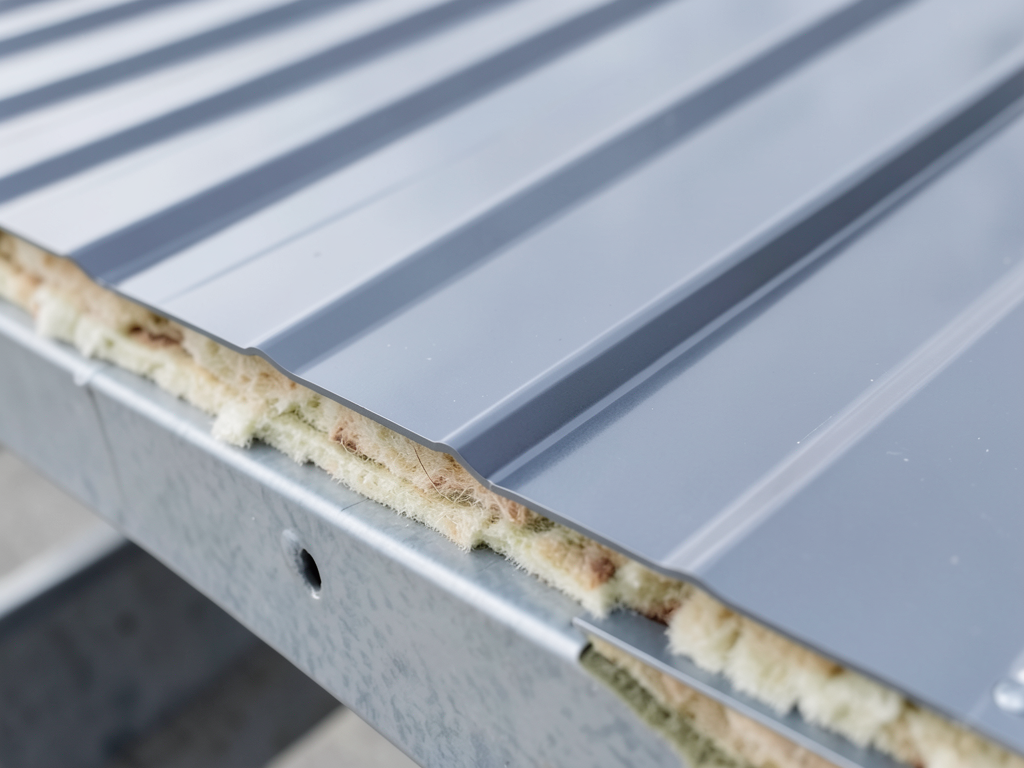
Metal roofing gets a bad reputation for being noisy, but modern standing seam systems with proper insulation actually serve as excellent sound barriers. The key lies in the solid substrate and insulation layer beneath the metal panels. When installed over 1-2 inches of rigid foam insulation, metal roofs can achieve STC ratings of 45-50. Roofing Allentown.
For Philadelphia’s climate, choose aluminum or steel with a factory-applied finish that resists our humid summers and freeze-thaw winters. The seams create natural sound breaks, and the solid surface reflects rather than transmits vibrations. Winter Roof Maintenance Tips.
Slate and Clay Tile Roofing
Natural stone and clay materials offer superior sound dampening due to their mass and density. Slate roofs can achieve STC ratings of 55-60, making them the gold standard for noise reduction. However, they require structural reinforcement and come with a premium price tag—typically $20-30 per square foot installed.
Clay tiles provide similar performance at a slightly lower cost. Both materials excel at blocking low-frequency noise like truck engines and train vibrations that plague East Passyunk residents.
Green (Living) Roofs
Living roofs represent the ultimate noise solution, combining soil, plants, and drainage layers to create a natural sound barrier. A properly installed green roof can achieve STC ratings of 50-60 while also providing insulation and stormwater management benefits.
For Philadelphia rowhomes, extensive green roofs (4-6 inches of soil) work best. They support sedum and other low-maintenance plants that thrive in our climate. The soil layer alone provides significant mass, while plant foliage absorbs high-frequency sounds.
The Hidden Hero: Underlayment and Insulation Systems
Many homeowners focus solely on the visible roofing material, but the underlayment and insulation system often determines actual noise reduction. Mass Loaded Vinyl (MLV) underlayment, when installed between the roof deck and primary material, can add 10-15 STC points to any system. Why More Homeowners in Manayunk Are Switching to Metal Roofing.
For Philadelphia’s climate, polyisocyanurate (polyiso) rigid foam insulation offers the best combination of R-value and sound dampening. A 2-inch layer provides R-13 insulation while significantly reducing noise transmission.
Attic insulation also plays a crucial role. Dense-packed cellulose or spray foam insulation in your attic space can reduce noise by an additional 5-10 decibels by absorbing sound waves that penetrate the roof deck.
Philadelphia Row Homes vs. Suburban Homes: Different Approaches
East Passyunk rowhomes present unique challenges. Shared walls mean noise travels laterally as well as vertically, and the flat or low-slope roofs common in older Philadelphia buildings require specialized installation techniques. For these structures, a combination of acoustic underlayment and interior ceiling treatments often works better than relying solely on the roof assembly.
Suburban homes in areas like East Passyunk Crossing or lower Moyamensing can utilize steeper roof pitches and may benefit more from traditional shingle or tile systems with comprehensive insulation.
Installation Best Practices for Maximum Noise Reduction
Even the best materials fail without proper installation. Here’s what separates effective soundproofing from wasted investment:
- Seal all penetrations: Every vent pipe, skylight, and chimney creates a potential noise leak. Use acoustic sealant around all penetrations.
- Continuous underlayment: Don’t skimp on underlayment coverage. It should extend across the entire roof deck with sealed seams.
- Proper fastener sealing: Each screw or nail creates a potential vibration path. Use rubber washers and seal each fastener point.
- Attic air sealing: Sound travels through air gaps. Seal all attic penetrations before installing insulation.
DIY installations rarely achieve the same results as professional work. The difference often comes down to attention to detail in sealing and layering.
Cost vs. Value: ROI of Soundproof Roofing in Philly
Soundproof roofing represents a significant investment, typically 30-50% more than standard roofing. However, the return on investment extends beyond noise reduction:
- Energy savings: Many soundproof materials also provide superior insulation, reducing heating and cooling costs by 15-25%.
- Property value: Homes with upgraded roofing systems command 3-5% higher resale values in Philadelphia’s competitive market.
- Quality of life: The daily stress reduction from a quieter home environment is difficult to quantify but significant.
For East Passyunk residents, the proximity to noise sources often justifies the premium cost. Many find the investment pays for itself within 5-7 years through energy savings and increased property value.
Philadelphia Building Code Considerations
Philadelphia’s building code doesn’t specifically address acoustic roofing, but it does have requirements that affect installation. The Philadelphia Building Construction and Occupancy Code requires proper roof deck attachment and ventilation, which must be maintained when adding soundproofing layers.
For historic districts near East Passyunk, like portions of Lower Moyamensing, you may need approval from the Historical Commission before making exterior modifications. Always check with the Philadelphia Historical Commission before starting work.
Real-World Performance: What to Actually Expect
Homeowners often expect complete silence, but realistic expectations matter. A well-installed soundproof roof typically reduces perceived noise by 50-70%. You’ll still hear loud events like thunderstorms or garbage trucks, but the constant background noise of city life will diminish significantly.
Most Philadelphia homeowners report the biggest improvements in sleep quality and the ability to work from home without distraction. The reduction in low-frequency noise is particularly noticeable—that constant rumble from trucks and trains becomes much less intrusive.
Making Your Decision: Next Steps
Choosing the right soundproof roofing system depends on your specific situation, budget, and noise concerns. Consider scheduling a professional assessment to evaluate your current roof structure, identify primary noise sources, and recommend the most cost-effective solution.
Remember that the cheapest option rarely provides the best long-term value. Investing in quality materials and professional installation ensures you’ll actually achieve the noise reduction you’re paying for.
Frequently Asked Questions
How much does soundproof roofing cost in Philadelphia?
Soundproof roofing typically costs 30-50% more than standard roofing, ranging from $8-25 per square foot depending on materials. Green roofs and premium slate systems can exceed $30 per square foot.
Can I add soundproofing to my existing roof?
Yes, but effectiveness varies. Adding acoustic underlayment over existing shingles provides modest improvement. For significant noise reduction, a complete roof replacement with integrated soundproofing layers is usually necessary.
Will soundproof roofing help with temperature control?
Absolutely. Many soundproof materials also provide superior insulation. You can expect 15-25% reductions in heating and cooling costs, particularly with materials like polyiso insulation and green roof systems.
How long does installation take?
Most soundproof roofing projects take 3-7 days, depending on roof size and complexity. Historic district approvals can add 2-4 weeks to the timeline if required.
Is there financing available for soundproof roofing?
Many contractors offer financing options, and some energy-efficient improvements may qualify for Pennsylvania’s energy efficiency programs. Check with your contractor about available options.
Ready to quiet your East Passyunk home?
Stop letting city noise control your comfort. Call (267) 344-1222 today to schedule your free noise assessment and get a detailed quote for soundproof roofing solutions tailored to your home.
Pick up the phone and call (267) 344-1222 before the next noisy summer night keeps you awake again. Our Philadelphia-based team understands the unique challenges of urban living and can recommend the perfect solution for your specific situation.
Learn more about protecting your South Philly home or explore current Philadelphia roofing costs.
{
“@context”: “https://schema.org”,
“@type”: “BlogPosting”,
“headline”: “The Best Roofing Materials for Dampening City Noise in East Passyunk”,
“description”: “Discover soundproof roofing materials that cut city noise by 50-70% for East Passyunk homes. Learn STC ratings, costs, and installation for Philly’s urban environment.”,
“wordCount”: 1487,
“datePublished”: “2026-03-25T15:53:00.000Z”,
“dateModified”: “2026-03-25T15:53:00.000Z”,
“inLanguage”: “en-US”,
“mainEntityOfPage”: {
“@type”: “WebPage”,
“@id”: “https://atlasroofingphiladelphia.com”
},
“publisher”: {
“@type”: “LocalBusiness”,
“name”: “Atlas Roofing Philadelphia”,
“url”: “https://atlasroofingphiladelphia.com”
},
“author”: {
“@type”: “Organization”,
“name”: “Atlas Roofing Philadelphia”,
“url”: “https://atlasroofingphiladelphia.com”
},
“image”: {
“@type”: “ImageObject”,
“url”: “https://atlasroofingphiladelphia.com/wp-content/uploads/2026/03/the-best-roofing-materials-for-dampening-city-nois-1.png”
}
}
{
“@context”: “https://schema.org”,
“@type”: “RoofingContractor”,
“name”: “Atlas Roofing Philadelphia”,
“url”: “https://atlasroofingphiladelphia.com”,
“address”: {
“@type”: “PostalAddress”,
“addressLocality”: “Philadelphia”
},
“areaServed”: {
“@type”: “City”,
“name”: “Philadelphia”
}
}
{
“@context”: “https://schema.org”,
“@type”: “FAQPage”,
“mainEntity”: [
{
“@type”: “Question”,
“name”: “How much does soundproof roofing cost in Philadelphia?”,
“acceptedAnswer”: {
“@type”: “Answer”,
“text”: “Soundproof roofing typically costs 30-50% more than standard roofing, ranging from $8-25 per square foot depending on materials. Green roofs and premium slate systems can exceed $30 per square foot.”
}
},
{
“@type”: “Question”,
“name”: “Can I add soundproofing to my existing roof?”,
“acceptedAnswer”: {
“@type”: “Answer”,
“text”: “Yes, but effectiveness varies. Adding acoustic underlayment over existing shingles provides modest improvement. For significant noise reduction, a complete roof replacement with integrated soundproofing layers is usually necessary.”
}
},
{
“@type”: “Question”,
“name”: “Will soundproof roofing help with temperature control?”,
“acceptedAnswer”: {
“@type”: “Answer”,
“text”: “Absolutely. Many soundproof materials also provide superior insulation. You can expect 15-25% reductions in heating and cooling costs, particularly with materials like polyiso insulation and green roof systems.”
}
},
{
“@type”: “Question”,
“name”: “How long does installation take?”,
“acceptedAnswer”: {
“@type”: “Answer”,
“text”: “Most soundproof roofing projects take 3-7 days, depending on roof size and complexity. Historic district approvals can add 2-4 weeks to the timeline if required.”
}
},
{
“@type”: “Question”,
“name”: “Is there financing available for soundproof roofing?”,
“acceptedAnswer”: {
“@type”: “Answer”,
“text”: “Many contractors offer financing options, and some energy-efficient improvements may qualify for Pennsylvania’s energy efficiency programs. Check with your contractor about available options.”
}
},
{
“@type”: “Question”,
“name”: “Ready to quiet your East Passyunk home?”,
“acceptedAnswer”: {
“@type”: “Answer”,
“text”: “Stop letting city noise control your comfort. Call (267) 344-1222 today to schedule your free noise assessment and get a detailed quote for soundproof roofing solutions tailored to your home.”
}
}
]
}
{
“@context”: “https://schema.org”,
“@type”: “BreadcrumbList”,
“itemListElement”: [
{
“@type”: “ListItem”,
“position”: 1,
“name”: “Home”,
“item”: “https://atlasroofingphiladelphia.com”
},
{
“@type”: “ListItem”,
“position”: 2,
“name”: “Blog”,
“item”: “https://atlasroofingphiladelphia.com/blog”
},
{
“@type”: “ListItem”,
“position”: 3,
“name”: “The Best Roofing Materials for Dampening City Noise in East Passyunk”
}
]
}
{
“@context”: “https://schema.org”,
“@type”: “Service”,
“serviceType”: “Roofing”,
“provider”: {
“@type”: “LocalBusiness”,
“name”: “Atlas Roofing Philadelphia”,
“url”: “https://atlasroofingphiladelphia.com”
},
“areaServed”: {
“@type”: “City”,
“name”: “Philadelphia”
},
“description”: “Discover soundproof roofing materials that cut city noise by 50-70% for East Passyunk homes. Learn STC ratings, costs, and installation for Philly’s urban environment.”
}