
How to Spot Hidden Roof Damage After a Pennsport Hail Storm
Hail damage often hides in plain sight on Pennsport roofs leaving homeowners unaware until water stains appear on ceilings. This guide shows you exactly what to look for after a storm hits Philadelphia’s river-adjacent neighborhoods where hail often strikes hardest. Philadelphia Department of Licenses and Inspections.
Why Pennsport Roofs Are Vulnerable to Hail Damage
Pennsport’s mix of historic rowhomes and newer constructions faces unique challenges during hail events. The neighborhood sits in a low-lying area near the Delaware River where storm cells often intensify before reaching land. Homes built before 1980 typically have older asphalt shingles that lack modern impact resistance ratings making them more susceptible to bruising and granule loss.. Read more about Choosing the Right Impact Resistant Shingles for Your Home in Torresdale.
Recent data from the National Weather Service shows Philadelphia County experienced 12 significant hail events in 2025 with Pennsport recording some of the highest hailstone counts. These storms often bring quarter-sized hail traveling at 50 mph creating impacts that may not immediately show visible damage but weaken the shingle structure over time. National Weather Service hail data.
Common Types of Hidden Hail Damage
Understanding what hail does to roofing materials helps you spot problems early. Here are the most common forms of damage that might not be obvious from street level. The Best Local Roofing Companies for Luxury Homes on the Main Line.
Shingle Bruising and Mat Fractures
When hail strikes asphalt shingles it creates a soft spot underneath the surface similar to bruising on an apple. You cannot see this damage from below but it compromises the shingle’s ability to shed water. The fiberglass mat inside the shingle cracks while the top layer appears intact creating a perfect path for water infiltration during the next rain.. Read more about Comparing GAF and CertainTeed Shingles for Your Wynnefield Home.
Technicians use a simple screwdriver test to identify these fractures. By gently pressing the edge of a screwdriver against the shingle surface you can feel soft spots where the mat has broken. These areas feel spongy compared to surrounding shingles that remain firm.. Read more about Stopping Leaks Where Your Roof Meets the Siding on Strawberry Mansion Homes.
Granule Loss and Accelerated Aging
Hail knocks loose the protective granules that coat asphalt shingles. While you might notice some granules in your gutters after a storm the real damage occurs when the shingle loses its UV protection. Without granules the asphalt ages faster leading to curling cracking and eventual leaks within 12 to 24 months.
Look for shiny or bald spots on shingles especially on south-facing slopes where sun exposure accelerates deterioration. These areas often appear darker than surrounding shingles because they lack the reflective granules that normally give shingles their color. How to Stop Your South Philly Rowhome Roof from Leaking Every Time it Rains.
Flashing and Sealant Compromise
Hail impacts around chimneys vents and skylights can dent metal flashing or crack the sealant that keeps water out. The damage might be subtle enough that you would not notice it during a casual inspection but over time these compromised areas allow water to seep behind the flashing.. Read more about Finding the Source of Water Stains on Your Ceiling in Cobbs Creek.
Pay special attention to areas where different roof planes meet. These valleys and transitions are particularly vulnerable because hail strikes them at an angle increasing the impact force on the materials.
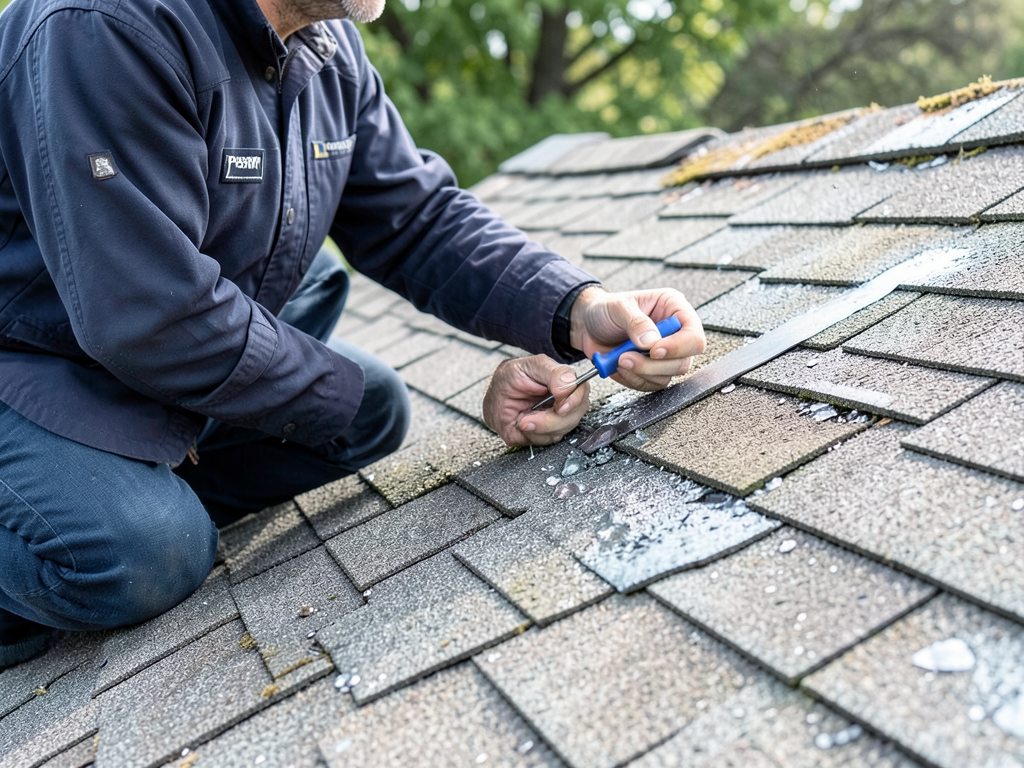
A close-up photo showing hail bruising on asphalt shingles with a technician using a screwdriver to demonstrate the soft spot test.
Philadelphia Building Code Requirements for Storm Damage Repairs
Philadelphia’s Department of Licenses and Inspections (L&I) requires permits for most roof repairs and replacements. According to Section 304 of the Philadelphia Building Code any repair affecting more than 25 percent of the roof surface requires a full permit and inspection. How Much Does a Full Roof Replacement Actually Cost in Philadelphia Right Now.
For hail damage specifically the city mandates that all repairs meet current building standards including proper underlayment installation and ice and water shield application in valleys. This means a simple shingle replacement might require upgrading the entire valley system to meet 2026 code requirements.
Homeowners should know that insurance companies often require documentation showing repairs meet local codes before approving claims. Working with a contractor familiar with Philadelphia’s specific requirements helps avoid delays or claim denials. Why More Homeowners in Manayunk Are Switching to Metal Roofing.
21-Point Professional Hail Damage Inspection Process
- Exterior Perimeter Assessment
Walk the property perimeter looking for impact marks on siding gutters and downspouts. Hail damage often shows up on these surfaces before affecting the roof.
- Roof Surface Examination
Using binoculars or drone technology inspect all roof slopes for shingle bruising granule loss and missing pieces. Pay special attention to ridge caps and hip sections.
- Flashing and Penetration Check
Examine all roof penetrations including vents pipes and skylights for damaged flashing or cracked seals.
- Gutter System Evaluation
Check gutters for hail dents excessive granule accumulation and proper drainage. Damaged gutters can cause water backup onto the roof.
- Attic Interior Inspection
Look for water stains on rafters wet insulation or daylight showing through roof boards. These signs indicate existing leaks.
- Structural Assessment
Check for sagging decking or soft spots that might indicate water damage beneath the shingles.
- Ventilation System Check
Ensure all roof vents function properly since poor ventilation accelerates shingle aging after hail damage.
- Drainage Pattern Analysis
Observe how water flows off the roof during light rain to identify potential pooling areas.
- Material Age Verification
Determine the roof’s age and warranty status since older roofs might need replacement rather than repair.
- Neighboring Property Comparison
Check nearby homes for similar damage patterns which helps establish storm severity.
- Satellite Weather Data Review
Analyze weather service data to confirm hail size and storm path through the area.
- Infrared Moisture Scan
Use thermal imaging to detect hidden moisture beneath the surface that might not be visible.
- Underlayment Inspection
Check exposed edges or damaged areas to assess the condition of the protective underlayment.
- Valley System Evaluation
Inspect all valleys for damage since these areas handle the most water flow.
- Edge Detail Check
Examine roof edges for lifted shingles or damaged drip edges that could allow water intrusion.
- Dormer and Skylight Assessment
Check all architectural features for damage especially around flashing points.
- Chimney Condition Review
Inspect chimney flashing and masonry for hail damage that could lead to leaks.
- Solar Panel Impact Check
If applicable examine solar panels for hail damage to glass surfaces and mounting hardware.
- Satellite Dish Verification
Check any mounted equipment for alignment issues that might indicate impact damage.
- Documentation Photography
Photograph all findings with date stamps for insurance purposes.. Read more about Understanding the PA Matching Law for Roof Insurance Claims in Lower Merion.
- Repair Recommendation Development
Create a prioritized list of needed repairs with cost estimates and timelines.
Insurance Claim Timeline for Pennsylvania Homeowners
Pennsylvania law requires insurance companies to acknowledge claims within 15 days of filing. The full investigation process typically takes 30 to 45 days depending on the claim complexity and adjuster availability.
Key deadlines to remember:
- Notice of Loss: Report damage within 60 days of discovery
- Proof of Loss: Submit documentation within 60 days of claim acceptance
- Claim Resolution: Insurance companies must resolve claims within 60 days of receiving proof of loss
Working with a roofing contractor who understands Pennsylvania insurance regulations helps ensure you meet all deadlines and provide the documentation adjusters need. Many contractors offer free inspections specifically to help homeowners document damage before filing claims. Roofing Pittsburgh.
Common Mistakes Homeowners Make After Hail Storms
Many homeowners wait too long to inspect their roofs after hail events. By the time visible leaks appear the damage has often spread requiring more extensive repairs. Here are the most common mistakes to avoid.
Delaying Professional Inspection
Waiting even two weeks after a storm can allow small leaks to become major problems. Water damage spreads quickly through roof decking and into wall cavities creating mold and structural issues that cost significantly more to repair.
Attempting DIY Repairs
Without proper training and equipment homeowners often miss critical damage signs. Walking on a damaged roof also poses safety risks and might void existing warranties or insurance coverage.
Failing to Document Damage
Insurance companies require clear documentation of damage extent and cause. Without proper photos measurements and professional assessments claims might face delays or denials.
Choosing Contractors Based on Price Alone
After storms many out-of-state contractors arrive offering low prices. These companies often lack local licensing insurance and knowledge of Philadelphia building codes leading to substandard work and warranty issues.
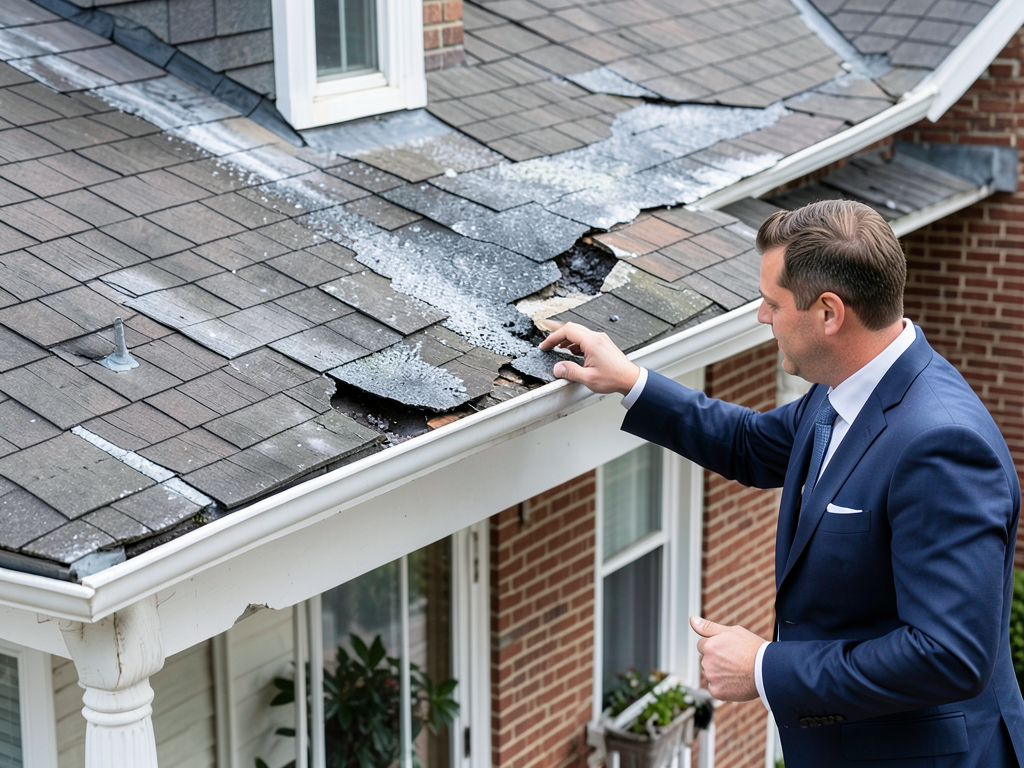
A photo showing a Philadelphia row home with visible hail damage on the roof edge with a technician pointing out damaged areas.
Emergency Mitigation Steps After Hail Damage
If you suspect hail damage take these immediate steps to prevent further property loss while waiting for professional help.
Interior Protection
Move furniture and valuables away from areas where water might enter. Place buckets or containers under active leaks and use plastic sheeting to protect flooring and belongings.
Exterior Precautions
Clear gutters and downspouts of debris to ensure proper drainage. If safe to do so use a garden hose to direct water away from the foundation. Never walk on a damaged roof yourself.
Documentation Collection
Take clear photos of all visible damage inside and outside your home. Note the date and time of the storm and any immediate actions you take to prevent further damage.
Insurance Notification
Notify your insurance company of potential damage even if you are not ready to file a claim. This creates a record of the event and starts the claim timeline if needed later.
Comparing Repair vs. Replacement Options
Deciding whether to repair or replace a hail-damaged roof depends on several factors. Here is a comparison to help you understand your options.
| Factor | Repair Option | Replacement Option |
|---|---|---|
| Age of Roof | Under 10 years old | Over 15 years old |
| Damage Extent | Isolated areas under 30% | Widespread damage over 30% |
| Cost Range | $1,500 – $5,000 | $8,000 – $15,000 |
| Timeline | 1-3 days | 3-7 days |
| Warranty Impact | May void existing warranty | New manufacturer warranty |
| Code Compliance | Existing standards | Current building codes |
Philadelphia Neighborhoods Most Affected by Hail
While hail can strike anywhere in Philadelphia certain neighborhoods face higher risks due to their location and building characteristics. Pennsport along with neighboring areas like Whitman and Queen Village often experience the most intense hail events.
The Delaware River creates a convergence zone where storm systems intensify before moving inland. Homes in these areas typically have older roofing systems that predate modern impact-resistant materials making them more vulnerable to damage.
Understanding your neighborhood’s specific risks helps you prepare for potential storms and know when to call for professional inspections. Pennsport residents should be particularly vigilant after any severe weather event given the area’s history of hail damage.
Frequently Asked Questions
How soon after a hail storm should I inspect my roof?
Inspect your roof within 24 to 48 hours after any significant hail event. Waiting longer allows small leaks to develop into major problems. If you cannot safely inspect yourself call a professional immediately.
Can hail damage be covered by insurance?
Yes most homeowners insurance policies cover hail damage as a sudden and accidental event. However coverage depends on your specific policy terms and the extent of damage. Document everything thoroughly and work with contractors who understand insurance claim processes.
How do I know if hail damage is serious enough to repair?
Any hail damage that penetrates the shingle surface or compromises flashing creates potential for water intrusion. Even small bruises can lead to leaks within months. A professional inspection can determine the severity and recommend appropriate repairs.
What should I do if I find hail damage?
Document the damage with photos and notes about when you discovered it. Contact a licensed roofing contractor for a professional assessment. Notify your insurance company if you plan to file a claim. Avoid making repairs yourself as this might void warranties or insurance coverage.
How long does hail damage repair take?
Minor repairs typically take one to three days while full replacements require three to seven days depending on roof size and weather conditions. Emergency repairs to stop active leaks can often be completed within 24 hours.
Protect Your Pennsport Home Today
Hail damage does not wait and neither should you. Every day you delay inspection increases the risk of water damage mold growth and costly structural repairs. Pennsport homes face unique risks from our location near the Delaware River where storms often intensify before reaching land.
Our team understands Philadelphia’s specific building codes insurance requirements and the challenges of working on historic rowhomes. We provide thorough 21-point inspections using thermal imaging and moisture detection technology to find damage that might not be visible to the untrained eye.
Do not let hidden hail damage turn into a major repair project. Call (267) 344-1222 today to schedule your professional roof inspection. Our experienced technicians will assess your roof document all findings and provide clear recommendations for protecting your home.
Pick up the phone and call (267) 344-1222 before the next storm hits. Your home deserves expert care from professionals who understand Pennsport’s unique roofing challenges.
A technician using thermal imaging equipment to detect hidden moisture in a Pennsport roof after a hail storm.
{
“@context”: “https://schema.org”,
“@type”: “BlogPosting”,
“headline”: “How to Spot Hidden Roof Damage After a Pennsport Hail Storm”,
“description”: “Learn how to identify hidden hail damage on Pennsport roofs with our expert inspection guide. Discover subtle signs before leaks start and protect your Philadelphia home.”,
“wordCount”: 2162,
“datePublished”: “2026-05-01T11:18:00.000Z”,
“dateModified”: “2026-05-01T11:18:00.000Z”,
“inLanguage”: “en-US”,
“mainEntityOfPage”: {
“@type”: “WebPage”,
“@id”: “https://atlasroofingphiladelphia.com”
},
“publisher”: {
“@type”: “LocalBusiness”,
“name”: “Atlas Roofing Philadelphia”,
“url”: “https://atlasroofingphiladelphia.com”
},
“author”: {
“@type”: “Organization”,
“name”: “Atlas Roofing Philadelphia”,
“url”: “https://atlasroofingphiladelphia.com”
},
“image”: {
“@type”: “ImageObject”,
“url”: “https://atlasroofingphiladelphia.com/wp-content/uploads/2026/03/how-to-spot-hidden-roof-damage-after-a-pennsport-h-1.png”
}
}
{
“@context”: “https://schema.org”,
“@type”: “RoofingContractor”,
“name”: “Atlas Roofing Philadelphia”,
“url”: “https://atlasroofingphiladelphia.com”,
“address”: {
“@type”: “PostalAddress”,
“addressLocality”: “Philadelphia”
},
“areaServed”: {
“@type”: “City”,
“name”: “Philadelphia”
}
}
{
“@context”: “https://schema.org”,
“@type”: “FAQPage”,
“mainEntity”: [
{
“@type”: “Question”,
“name”: “How soon after a hail storm should I inspect my roof?”,
“acceptedAnswer”: {
“@type”: “Answer”,
“text”: “Inspect your roof within 24 to 48 hours after any significant hail event. Waiting longer allows small leaks to develop into major problems. If you cannot safely inspect yourself call a professional immediately.”
}
},
{
“@type”: “Question”,
“name”: “Can hail damage be covered by insurance?”,
“acceptedAnswer”: {
“@type”: “Answer”,
“text”: “Yes most homeowners insurance policies cover hail damage as a sudden and accidental event. However coverage depends on your specific policy terms and the extent of damage. Document everything thoroughly and work with contractors who understand insurance claim processes.”
}
},
{
“@type”: “Question”,
“name”: “How do I know if hail damage is serious enough to repair?”,
“acceptedAnswer”: {
“@type”: “Answer”,
“text”: “Any hail damage that penetrates the shingle surface or compromises flashing creates potential for water intrusion. Even small bruises can lead to leaks within months. A professional inspection can determine the severity and recommend appropriate repairs.”
}
},
{
“@type”: “Question”,
“name”: “What should I do if I find hail damage?”,
“acceptedAnswer”: {
“@type”: “Answer”,
“text”: “Document the damage with photos and notes about when you discovered it. Contact a licensed roofing contractor for a professional assessment. Notify your insurance company if you plan to file a claim. Avoid making repairs yourself as this might void warranties or insurance coverage.”
}
},
{
“@type”: “Question”,
“name”: “How long does hail damage repair take?”,
“acceptedAnswer”: {
“@type”: “Answer”,
“text”: “Minor repairs typically take one to three days while full replacements require three to seven days depending on roof size and weather conditions. Emergency repairs to stop active leaks can often be completed within 24 hours.”
}
}
]
}
{
“@context”: “https://schema.org”,
“@type”: “HowTo”,
“name”: “How to Perform a Professional Hail Damage Inspection”,
“step”: [
{
“@type”: “HowToStep”,
“position”: 1,
“name”: “Exterior Perimeter Assessment”,
“text”: “Walk the property perimeter looking for impact marks on siding gutters and downspouts. Hail damage often shows up on these surfaces before affecting the roof.”
},
{
“@type”: “HowToStep”,
“position”: 2,
“name”: “Roof Surface Examination”,
“text”: “Using binoculars or drone technology inspect all roof slopes for shingle bruising granule loss and missing pieces. Pay special attention to ridge caps and hip sections.”
},
{
“@type”: “HowToStep”,
“position”: 3,
“name”: “Flashing and Penetration Check”,
“text”: “Examine all roof penetrations including vents pipes and skylights for damaged flashing or cracked seals.”
},
{
“@type”: “HowToStep”,
“position”: 4,
“name”: “Gutter System Evaluation”,
“text”: “Check gutters for hail dents excessive granule accumulation and proper drainage. Damaged gutters can cause water backup onto the roof.”
},
{
“@type”: “HowToStep”,
“position”: 5,
“name”: “Attic Interior Inspection”,
“text”: “Look for water stains on rafters wet insulation or daylight showing through roof boards. These signs indicate existing leaks.”
},
{
“@type”: “HowToStep”,
“position”: 6,
“name”: “Structural Assessment”,
“text”: “Check for sagging decking or soft spots that might indicate water damage beneath the shingles.”
},
{
“@type”: “HowToStep”,
“position”: 7,
“name”: “Ventilation System Check”,
“text”: “Ensure all roof vents function properly since poor ventilation accelerates shingle aging after hail damage.”
},
{
“@type”: “HowToStep”,
“position”: 8,
“name”: “Drainage Pattern Analysis”,
“text”: “Observe how water flows off the roof during light rain to identify potential pooling areas.”
},
{
“@type”: “HowToStep”,
“position”: 9,
“name”: “Material Age Verification”,
“text”: “Determine the roof’s age and warranty status since older roofs might need replacement rather than repair.”
},
{
“@type”: “HowToStep”,
“position”: 10,
“name”: “Neighboring Property Comparison”,
“text”: “Check nearby homes for similar damage patterns which helps establish storm severity.”
},
{
“@type”: “HowToStep”,
“position”: 11,
“name”: “Satellite Weather Data Review”,
“text”: “Analyze weather service data to confirm hail size and storm path through the area.”
},
{
“@type”: “HowToStep”,
“position”: 12,
“name”: “Infrared Moisture Scan”,
“text”: “Use thermal imaging to detect hidden moisture beneath the surface that might not be visible.”
},
{
“@type”: “HowToStep”,
“position”: 13,
“name”: “Underlayment Inspection”,
“text”: “Check exposed edges or damaged areas to assess the condition of the protective underlayment.”
},
{
“@type”: “HowToStep”,
“position”: 14,
“name”: “Valley System Evaluation”,
“text”: “Inspect all valleys for damage since these areas handle the most water flow.”
},
{
“@type”: “HowToStep”,
“position”: 15,
“name”: “Edge Detail Check”,
“text”: “Examine roof edges for lifted shingles or damaged drip edges that could allow water intrusion.”
},
{
“@type”: “HowToStep”,
“position”: 16,
“name”: “Dormer and Skylight Assessment”,
“text”: “Check all architectural features for damage especially around flashing points.”
},
{
“@type”: “HowToStep”,
“position”: 17,
“name”: “Chimney Condition Review”,
“text”: “Inspect chimney flashing and masonry for hail damage that could lead to leaks.”
},
{
“@type”: “HowToStep”,
“position”: 18,
“name”: “Solar Panel Impact Check”,
“text”: “If applicable examine solar panels for hail damage to glass surfaces and mounting hardware.”
},
{
“@type”: “HowToStep”,
“position”: 19,
“name”: “Satellite Dish Verification”,
“text”: “Check any mounted equipment for alignment issues that might indicate impact damage.”
},
{
“@type”: “HowToStep”,
“position”: 20,
“name”: “Documentation Photography”,
“text”: “Photograph all findings with date stamps for insurance purposes.”
},
{
“@type”: “HowToStep”,
“position”: 21,
“name”: “Repair Recommendation Development”,
“text”: “Create a prioritized list of needed repairs with cost estimates and timelines.”
}
],
“image”: “https://atlasroofingphiladelphia.com/wp-content/uploads/2026/03/how-to-spot-hidden-roof-damage-after-a-pennsport-h-1.png”
}
{
“@context”: “https://schema.org”,
“@type”: “BreadcrumbList”,
“itemListElement”: [
{
“@type”: “ListItem”,
“position”: 1,
“name”: “Home”,
“item”: “https://atlasroofingphiladelphia.com”
},
{
“@type”: “ListItem”,
“position”: 2,
“name”: “Blog”,
“item”: “https://atlasroofingphiladelphia.com/blog”
},
{
“@type”: “ListItem”,
“position”: 3,
“name”: “How to Spot Hidden Roof Damage After a Pennsport Hail Storm”
}
]
}
{
“@context”: “https://schema.org”,
“@type”: “Service”,
“serviceType”: “Roofing”,
“provider”: {
“@type”: “LocalBusiness”,
“name”: “Atlas Roofing Philadelphia”,
“url”: “https://atlasroofingphiladelphia.com”
},
“areaServed”: {
“@type”: “City”,
“name”: “Philadelphia”
},
“description”: “Learn how to identify hidden hail damage on Pennsport roofs with our expert inspection guide. Discover subtle signs before leaks start and protect your Philadelphia home.”
}