
Essential Maintenance for Those Tiny Tin Porch Roofs All Over South Philadelphia
South Philadelphia’s iconic rowhomes feature countless small tin porch roofs that require specialized care. These metal surfaces face unique challenges from our humid summers, harsh winters, and urban pollution. Proper maintenance extends their lifespan by decades and prevents costly water damage to your home’s interior. How to Stop Your South Philly Rowhome Roof from Leaking Every Time it Rains.
Understanding Philadelphia’s Tin Roof Materials
Most tin porch roofs in South Philly aren’t actually tin. They’re typically terne-coated steel or galvanized metal panels that have been protecting homes for over a century. These materials were chosen for their durability and ability to withstand Philadelphia’s extreme weather conditions. How Much Does a Full Roof Replacement Actually Cost in Philadelphia Right Now.
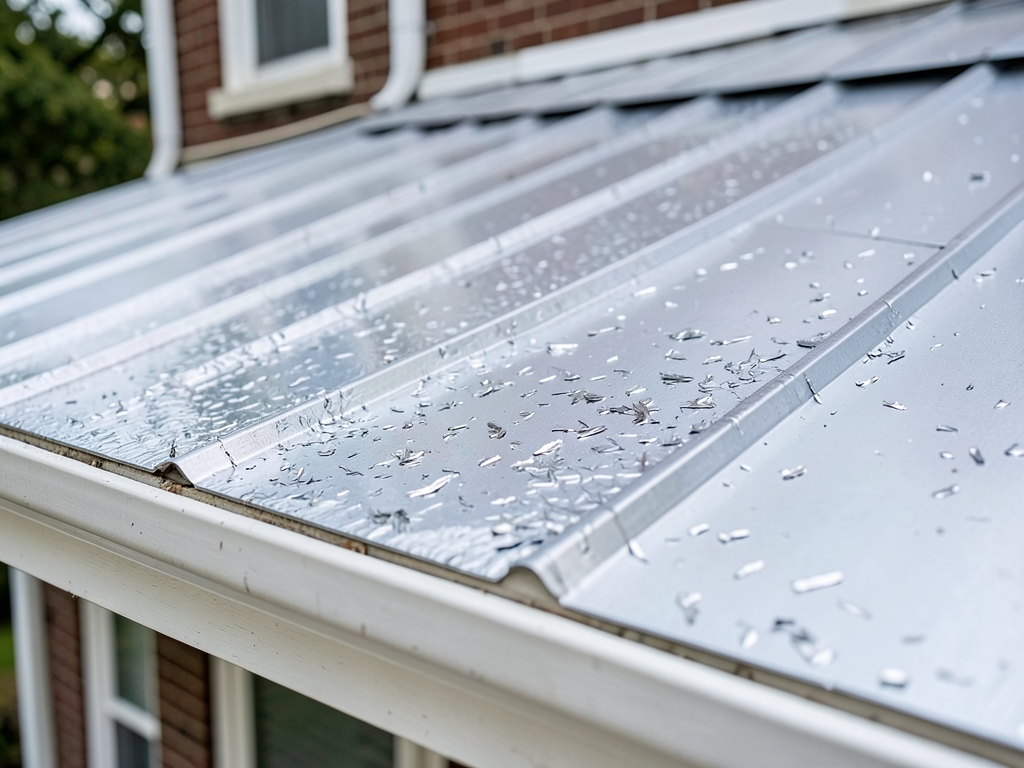
The metal panels are usually 24-26 gauge steel with a protective coating that prevents rust. Over time, this coating wears down, exposing the metal to moisture and oxygen. When you see those characteristic white streaks on aging tin roofs, that’s oxidation beginning to take hold.
Annual Maintenance Schedule for Tin Porch Roofs
Regular inspections prevent minor issues from becoming major problems. Here’s what you need to check each season:
- Spring Inspection
After winter’s freeze-thaw cycles, examine all seams and fasteners. Look for loose nails, popped screws, or separated joints where water can penetrate. EPA acid rain information.
- Summer Cleaning
Remove leaves, twigs, and urban debris that trap moisture against the metal surface. Pay special attention to valleys where two roof planes meet.
- Fall Preparation
Clear gutters and downspouts completely. Check flashing around chimneys and walls for gaps or deterioration.
- Winter Readiness
Ensure all seams are sealed and fasteners are tight before the first freeze. Ice expansion can force open even small gaps.
Identifying and Treating Oxidation
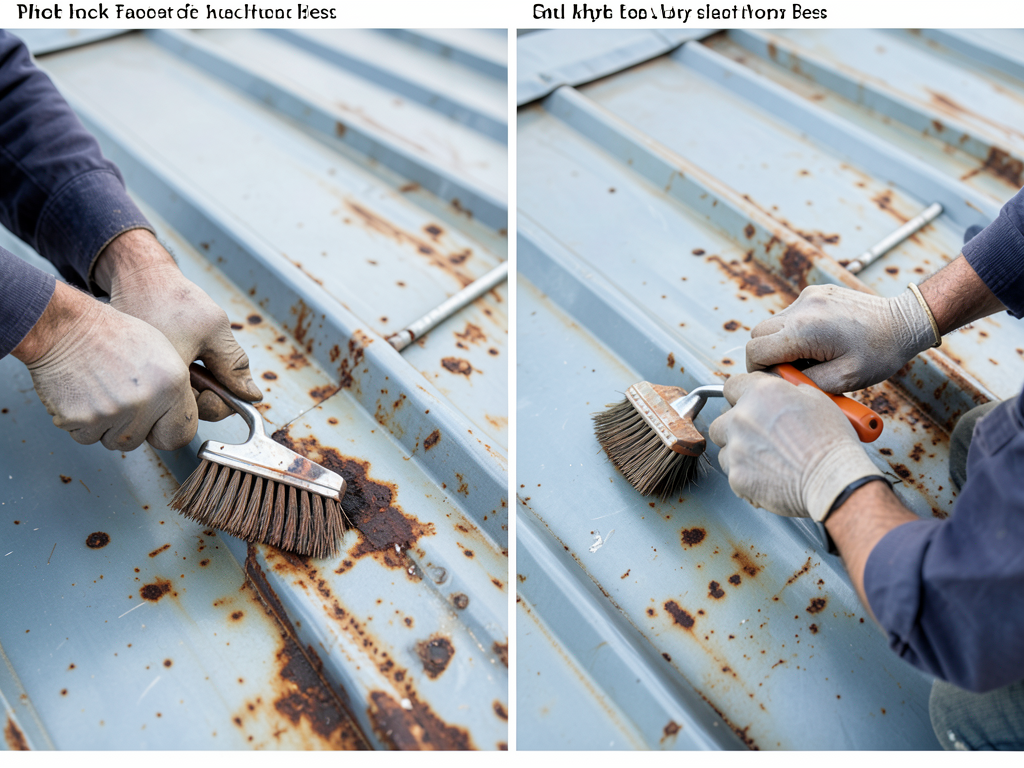
Oxidation appears as white powdery residue or reddish-brown rust spots. When you spot these, immediate action prevents further damage. The process requires specific materials and techniques that differ from treating asphalt shingles.. Read more about How to Spot Hidden Roof Damage After a Pennsport Hail Storm.
Start by cleaning the affected area with a wire brush designed for metal surfaces. Remove all loose oxidation down to bare metal. This exposes fresh steel that needs protection.
Apply a zinc-chromate primer within 24 hours of cleaning. This chemical creates a barrier that prevents new oxidation from forming. The primer must be compatible with the existing metal type – using the wrong product can accelerate corrosion.
The Critical Role of Silver Coating
Philadelphia roofers have used silver coating, also called fibered aluminum coating, for generations. This isn’t just paint – it’s a specialized product containing aluminum flakes suspended in a petroleum base. The aluminum reflects UV rays and creates a waterproof barrier.. Read more about The Best Ways to Route Water Away from Shared Walls in Lower Moyamensing.
Apply silver coating every 3-5 years depending on exposure. South-facing roofs in urban areas need more frequent application due to increased UV exposure and pollution. The coating should be applied when temperatures are between 50-85 degrees Fahrenheit for proper curing.
Coverage matters. A proper application requires 1-2 gallons per 100 square feet. Thin spots leave metal vulnerable to moisture penetration. Always apply two coats, allowing the first to dry completely before adding the second.
Philadelphia Weather Impact on Metal Roofs
Philadelphia’s climate creates specific challenges for tin roofs. Our freeze-thaw cycles cause metal expansion and contraction that stress seams and fasteners. During winter, ice dams can force water under panels that appear intact. Winter Roof Maintenance Tips.
Summer humidity promotes algae and moss growth in shaded areas. These organisms trap moisture against the metal surface, accelerating oxidation. Heavy thunderstorms can deposit debris that blocks drainage paths, creating standing water that finds entry points.
Acid rain from urban pollution gradually eats away at protective coatings. Areas near industrial zones or major highways experience faster deterioration due to higher pollutant concentrations.
Common Tin Roof Problems in South Philly
Box gutters present unique challenges for tin porch roofs. These built-in drainage systems often clog with leaves and debris from mature street trees common in South Philadelphia neighborhoods. When box gutters overflow, water backs up under the roof edge.
Flashing failures around chimneys and wall transitions cause many leaks. The constant movement between dissimilar materials – brick, wood, and metal – creates stress points that eventually fail. Check these areas after heavy storms for signs of separation.
Fastener corrosion is another common issue. Steel nails and screws rust over time, losing their grip on the underlying structure. Replace corroded fasteners with galvanized or stainless steel equivalents during maintenance.
When to Call a Professional
Some tin roof issues require professional expertise. If you notice sagging panels, that indicates structural problems with the underlying decking. This isn’t a DIY repair – the roof may be at risk of collapse under snow load.
Water stains on interior ceilings often appear far from the actual leak source. Water travels along rafters and joists before dripping through ceiling materials. A professional uses moisture meters and thermal imaging to locate the true entry point.
Historic district regulations in areas like Society Hill require specific materials and techniques for repairs. Using incorrect products can result in fines from the Philadelphia Historical Commission.
Call (267) 344-1222 today to schedule your inspection. Our technicians understand the unique requirements of South Philadelphia’s tin porch roofs and can identify problems before they cause interior damage.
Cost-Benefit Analysis of Maintenance vs. Replacement
Well-maintained tin roofs last 50-70 years. The cost of regular maintenance – approximately $300-500 every few years – pales compared to replacement costs of $8,000-15,000 for a typical porch roof.
Neglecting maintenance leads to premature failure. Once rust penetrates through the metal, structural integrity is compromised. At that point, patching becomes ineffective and full replacement is necessary.
Energy efficiency also matters. A properly coated tin roof reflects heat in summer, reducing cooling costs. The aluminum in silver coating can lower roof surface temperatures by 20-30 degrees on hot days.
DIY Maintenance Safety Considerations
Working on tin roofs requires specific safety precautions. The metal surface becomes extremely slippery when wet or when coated with algae. Always use a safety harness when working above the first story.
Wear gloves to protect against sharp metal edges. Old tin roofs often have exposed fasteners and bent corners that can cause serious cuts. Safety glasses prevent metal particles from entering your eyes during cleaning.
Never work alone on a roof. Have someone on the ground who can call for help if you slip or fall. Consider the roof’s age – structures from the 1920s may have compromised decking that can’t support your weight.
Protecting Your Investment
Your tin porch roof protects more than just the porch – it shields your home’s foundation from water damage. Proper maintenance prevents basement flooding, wall deterioration, and mold growth that can affect your family’s health.
Document all maintenance activities with photos and notes. This record helps track coating intervals and identifies areas that need more frequent attention. It also provides valuable information if you sell your home.
Consider the environmental impact. Well-maintained metal roofs are fully recyclable at the end of their life. The aluminum in silver coating also reflects heat, reducing your home’s cooling energy consumption.
Don’t wait for leaks to appear. Call (267) 344-1222 before the next storm hits. Our team specializes in South Philadelphia’s unique tin roof systems and can provide the maintenance your home needs to stay dry for decades to come.
Frequently Asked Questions
How often should I inspect my tin porch roof?
Inspect your tin porch roof twice yearly – once in spring after winter weather and again in fall before winter storms. More frequent checks are needed if you notice debris accumulation or after severe weather events.
Can I paint my tin roof instead of using silver coating?
Standard paint isn’t suitable for tin roofs. Silver coating contains aluminum flakes that reflect heat and UV rays. Regular paint lacks these protective properties and will peel or chalk within a year of application.
What causes those white streaks on my tin roof?
White streaks are oxidation – the metal’s natural reaction to moisture and oxygen. This process begins when the protective coating wears thin. Left untreated, oxidation leads to rust and eventual perforation of the metal panels.
How do I know if my tin roof needs replacement?
Replace your tin roof when you see multiple rusted-through holes, extensive sagging, or when patching becomes more frequent than maintenance. A professional inspection can determine if structural issues with the decking also require attention.
Is tin roof maintenance expensive?
Regular maintenance costs $300-500 every 3-5 years. This investment prevents premature replacement costing $8,000-15,000. The small annual cost protects your home from water damage that could cost thousands in repairs to ceilings, walls, and foundations. For more information, visit FEMA flood protection guidelines.
{
“@context”: “https://schema.org”,
“@type”: “BlogPosting”,
“headline”: “Essential Maintenance for Those Tiny Tin Porch Roofs All Over South Philadelphia”,
“description”: “Protect your South Philly tin porch roof with expert maintenance tips for rust prevention, silver coating, and seasonal inspections. Call (267) 344-1222 for professional service.”,
“wordCount”: 1449,
“datePublished”: “2026-04-13T12:27:00.000Z”,
“dateModified”: “2026-04-13T12:27:00.000Z”,
“inLanguage”: “en-US”,
“mainEntityOfPage”: {
“@type”: “WebPage”,
“@id”: “https://atlasroofingphiladelphia.com”
},
“publisher”: {
“@type”: “LocalBusiness”,
“name”: “Atlas Roofing Philadelphia”,
“url”: “https://atlasroofingphiladelphia.com”
},
“author”: {
“@type”: “Organization”,
“name”: “Atlas Roofing Philadelphia”,
“url”: “https://atlasroofingphiladelphia.com”
},
“image”: {
“@type”: “ImageObject”,
“url”: “https://atlasroofingphiladelphia.com/wp-content/uploads/2026/03/essential-maintenance-for-those-tiny-tin-porch-roo-1.png”
}
}
{
“@context”: “https://schema.org”,
“@type”: “RoofingContractor”,
“name”: “Atlas Roofing Philadelphia”,
“url”: “https://atlasroofingphiladelphia.com”,
“address”: {
“@type”: “PostalAddress”,
“addressLocality”: “Philadelphia”
},
“areaServed”: {
“@type”: “City”,
“name”: “Philadelphia”
}
}
{
“@context”: “https://schema.org”,
“@type”: “FAQPage”,
“mainEntity”: [
{
“@type”: “Question”,
“name”: “How often should I inspect my tin porch roof?”,
“acceptedAnswer”: {
“@type”: “Answer”,
“text”: “Inspect your tin porch roof twice yearly – once in spring after winter weather and again in fall before winter storms. More frequent checks are needed if you notice debris accumulation or after severe weather events.”
}
},
{
“@type”: “Question”,
“name”: “Can I paint my tin roof instead of using silver coating?”,
“acceptedAnswer”: {
“@type”: “Answer”,
“text”: “Standard paint isn’t suitable for tin roofs. Silver coating contains aluminum flakes that reflect heat and UV rays. Regular paint lacks these protective properties and will peel or chalk within a year of application.”
}
},
{
“@type”: “Question”,
“name”: “What causes those white streaks on my tin roof?”,
“acceptedAnswer”: {
“@type”: “Answer”,
“text”: “White streaks are oxidation – the metal’s natural reaction to moisture and oxygen. This process begins when the protective coating wears thin. Left untreated, oxidation leads to rust and eventual perforation of the metal panels.”
}
},
{
“@type”: “Question”,
“name”: “How do I know if my tin roof needs replacement?”,
“acceptedAnswer”: {
“@type”: “Answer”,
“text”: “Replace your tin roof when you see multiple rusted-through holes, extensive sagging, or when patching becomes more frequent than maintenance. A professional inspection can determine if structural issues with the decking also require attention.”
}
},
{
“@type”: “Question”,
“name”: “Is tin roof maintenance expensive?”,
“acceptedAnswer”: {
“@type”: “Answer”,
“text”: “Regular maintenance costs $300-500 every 3-5 years. This investment prevents premature replacement costing $8,000-15,000. The small annual cost protects your home from water damage that could cost thousands in repairs to ceilings, walls, and foundations. For more information, visit FEMA flood protection guidelines.”
}
}
]
}
{
“@context”: “https://schema.org”,
“@type”: “HowTo”,
“name”: “Annual Tin Roof Maintenance”,
“step”: [
{
“@type”: “HowToStep”,
“position”: 1,
“name”: “Spring Inspection”,
“text”: “After winter’s freeze-thaw cycles, examine all seams and fasteners. Look for loose nails, popped screws, or separated joints where water can penetrate. EPA acid rain information.”
},
{
“@type”: “HowToStep”,
“position”: 2,
“name”: “Summer Cleaning”,
“text”: “Remove leaves, twigs, and urban debris that trap moisture against the metal surface. Pay special attention to valleys where two roof planes meet.”
},
{
“@type”: “HowToStep”,
“position”: 3,
“name”: “Fall Preparation”,
“text”: “Clear gutters and downspouts completely. Check flashing around chimneys and walls for gaps or deterioration.”
},
{
“@type”: “HowToStep”,
“position”: 4,
“name”: “Winter Readiness”,
“text”: “Ensure all seams are sealed and fasteners are tight before the first freeze. Ice expansion can force open even small gaps.”
}
],
“image”: “https://atlasroofingphiladelphia.com/wp-content/uploads/2026/03/essential-maintenance-for-those-tiny-tin-porch-roo-1.png”
}
{
“@context”: “https://schema.org”,
“@type”: “BreadcrumbList”,
“itemListElement”: [
{
“@type”: “ListItem”,
“position”: 1,
“name”: “Home”,
“item”: “https://atlasroofingphiladelphia.com”
},
{
“@type”: “ListItem”,
“position”: 2,
“name”: “Blog”,
“item”: “https://atlasroofingphiladelphia.com/blog”
},
{
“@type”: “ListItem”,
“position”: 3,
“name”: “Essential Maintenance for Those Tiny Tin Porch Roofs All Over South Philadelphia”
}
]
}
{
“@context”: “https://schema.org”,
“@type”: “Service”,
“serviceType”: “Roofing”,
“provider”: {
“@type”: “LocalBusiness”,
“name”: “Atlas Roofing Philadelphia”,
“url”: “https://atlasroofingphiladelphia.com”
},
“areaServed”: {
“@type”: “City”,
“name”: “Philadelphia”
},
“description”: “Protect your South Philly tin porch roof with expert maintenance tips for rust prevention, silver coating, and seasonal inspections. Call (267) 344-1222 for professional service.”
}