The Best Ways to Route Water Away from Shared Walls in Lower Moyamensing
Water pooling against shared walls in Lower Moyamensing rowhomes causes serious structural damage if not addressed quickly. The flat roof systems common to these 100-year-old brick buildings rely on internal drains and parapet walls to move water away from the building envelope. When those systems fail, water seeps into mortar joints, corrodes steel lintels, and creates the perfect environment for mold growth inside shared wall cavities.
The first sign of trouble often appears as damp spots on interior walls near the ceiling or a musty smell in second-floor rooms. These symptoms indicate water is backing up behind the parapet wall and finding its way through aging brick and mortar. In Lower Moyamensing, where rowhomes sit on narrow lots with limited roof access, addressing these issues requires understanding the specific drainage challenges of Philadelphia’s urban architecture. Philadelphia Department of Licenses and Inspections.
Common Drainage Challenges for Philadelphia Rowhomes
Philadelphia’s rowhome drainage systems face unique pressures from the city’s climate and building density. The shared parapet walls that define these structures create a continuous barrier across multiple properties, making water management a shared responsibility. When one section fails, water often flows to the lowest point, which may be your neighbor’s roof or your own basement.
Internal roof drains in older rowhomes frequently clog with debris from nearby trees. The narrow alleyways common to Lower Moyamensing make regular maintenance difficult, allowing leaves and sediment to accumulate in box gutters and downspouts. During heavy rain events, these clogged systems overflow, sending water cascading down shared walls where it penetrates aging mortar joints. Winter Roof Maintenance Tips.
The freeze-thaw cycles characteristic of Philadelphia winters compound these problems. Water trapped in small cracks expands when frozen, gradually widening gaps in mortar and flashing. This process accelerates deterioration of the waterproofing membrane beneath the roofing surface, creating pathways for water infiltration that worsen each season. The Best Local Roofing Companies for Luxury Homes on the Main Line.
Top 4 Solutions for Rowhome Roof Ponding
Addressing water issues in Lower Moyamensing rowhomes requires a systematic approach that considers both immediate repairs and long-term prevention. The most effective solutions target the specific failure points common to Philadelphia’s urban housing stock. EPA Stormwater Management Guidelines.
The first priority is clearing and inspecting existing drainage paths. Many rowhomes have internal drains that connect to the city sewer system through cast iron pipes installed over a century ago. These pipes often collapse or separate at joints, preventing proper water flow. A professional inspection using drain cameras can identify blockages and pipe failures without destructive testing.
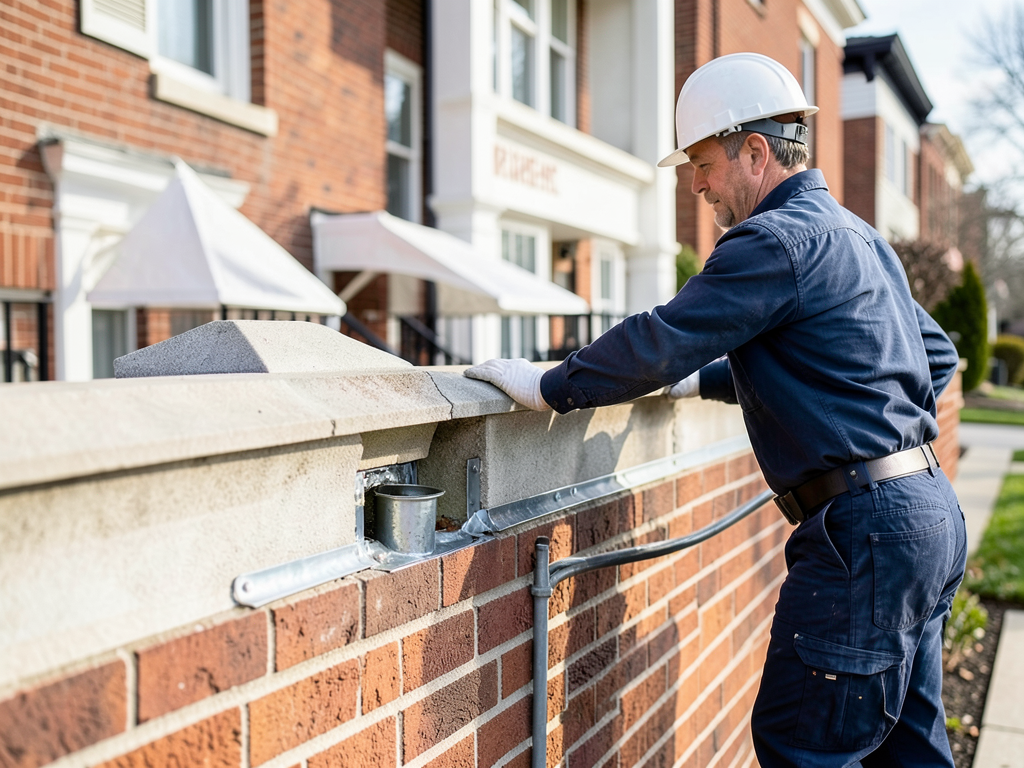
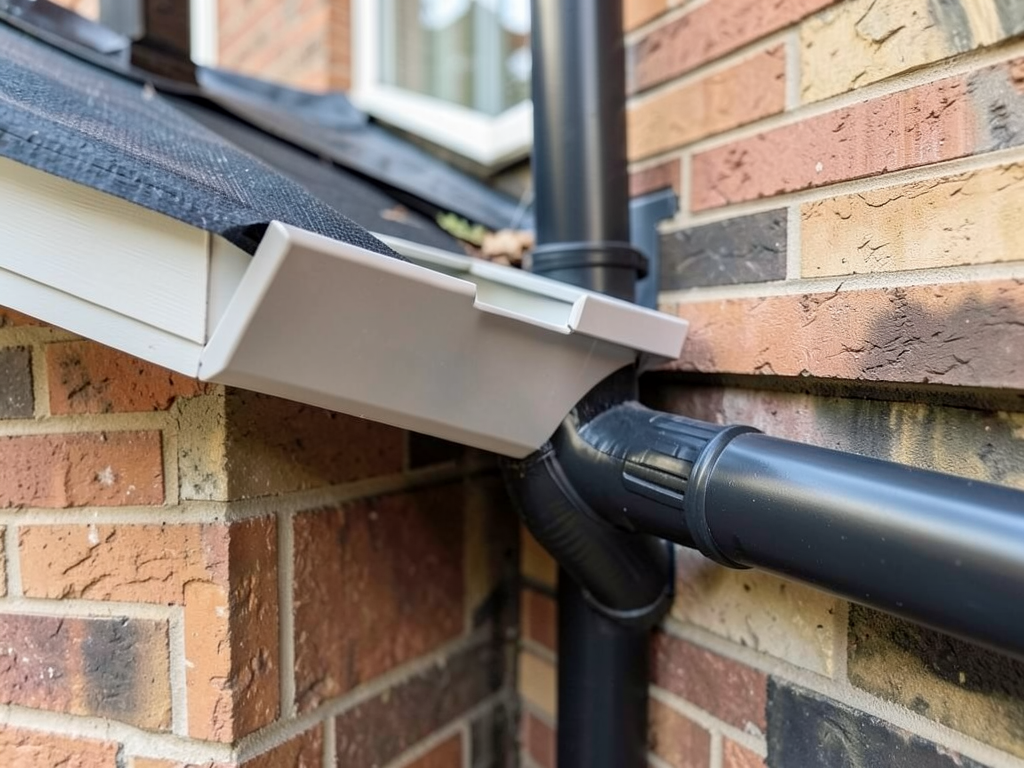
Installing new scuppers and conductor heads provides an external drainage path that bypasses aging internal systems. These openings cut through the parapet wall allow water to drain directly into downspouts mounted on the building exterior. This solution works particularly well for rowhomes where internal drain replacement would require extensive demolition of interior walls. How Much Does a Full Roof Replacement Actually Cost in Philadelphia Right Now.
Tapered insulation systems create positive drainage slopes across flat roof surfaces. By building up the roof deck to create a slight pitch, water moves toward designated drainage points rather than pooling in low spots. This approach also improves energy efficiency while addressing the root cause of ponding water.
Roof crickets installed at parapet wall intersections divert water around obstructions that would otherwise create damming effects. These small, sloped structures direct water flow toward drains while preventing debris accumulation in corners where multiple roof planes meet.. Read more about Stopping Leaks Where Your Roof Meets the Siding on Strawberry Mansion Homes.
Material Matters: TPO vs. Modified Bitumen for Drainage
The choice of roofing membrane significantly impacts drainage performance in Philadelphia’s climate. Thermoplastic Polyolefin (TPO) and Modified Bitumen represent the two most common flat roof systems for rowhomes, each with distinct advantages for water management. Roofing Pittsburgh.
TPO membranes offer superior resistance to standing water and UV degradation. The heat-welded seams create a monolithic surface that prevents water infiltration at joint locations. TPO’s reflective surface also reduces heat absorption, minimizing thermal expansion that can stress drainage components. The material’s flexibility allows it to accommodate minor building movement without cracking.
Modified Bitumen systems provide excellent waterproofing through multiple layers of reinforced asphalt-based materials. The built-up construction creates redundancy that protects against localized damage. However, Modified Bitumen’s seams require regular maintenance and can become brittle in extreme temperature cycles common to Philadelphia. Roofing Allentown.
Both materials work effectively when properly installed with appropriate drainage components. TPO’s advantages for Philadelphia include better resistance to algae growth in humid conditions and lower maintenance requirements for seam integrity. Modified Bitumen remains a cost-effective option for buildings where the existing substrate requires an asphalt-compatible membrane.
Maintenance for Philly Homeowners
Regular maintenance prevents most drainage failures in Lower Moyamensing rowhomes. The narrow alleyways and shared wall configurations make professional maintenance essential, as accessing these roofs safely requires specialized equipment and experience with Philadelphia’s urban constraints.
Seasonal cleaning of box gutters and downspouts should occur at least twice yearly, typically in late spring after seed drop and in late fall after leaf fall. This schedule prevents the accumulation of organic debris that decomposes into sediment capable of clogging even properly sized drainage systems.
Ice dam prevention requires addressing both roof surface temperature and drainage path clearance. Improving attic insulation and ventilation reduces heat loss that melts snow at the roof surface. Keeping gutters and downspouts clear ensures meltwater can escape before refreezing creates ice dams along parapet walls.
Annual inspections should include checking flashing details around chimneys, vents, and parapet wall caps. These transition points represent the most common locations for water infiltration. Look for signs of rust on metal components, separation at mortar joints, and deterioration of sealant materials.. Read more about Why a Roof Cricket Is the Secret to a Dry Chimney in Elkins Park.
Philadelphia Building Codes & Compliance
Philadelphia’s building codes establish specific requirements for roof drainage systems in rowhome districts. The Philadelphia Department of Licenses and Inspections (L&I) mandates that all roof drainage connect to the city’s stormwater system through approved methods. This requirement prevents runoff from overwhelming alley drainage or creating ice hazards on public sidewalks.
Section 1106 of the Philadelphia Plumbing Code requires that roof drains and overflow scuppers maintain minimum clearances from parapet walls to prevent water backup. The code specifies that overflow drains must activate when the primary system reaches 50% capacity, ensuring redundant protection against flooding.
Historic District guidelines in areas near Lower Moyamensing may restrict visible modifications to building exteriors. Any drainage improvements in these zones require approval from the Philadelphia Historical Commission to ensure changes maintain the architectural character of the streetscape.. Read more about A Practical Guide to Installing Solar Tubes in Dark Cedar Park Rowhomes.
The Philadelphia Water Department’s stormwater regulations require that roof drainage systems prevent discharge onto adjacent properties. This rule particularly affects rowhome configurations where water from one roof could flow onto a neighbor’s property, creating liability issues and potential code violations.
Shared Drainage Issues with Neighbors
Water problems in rowhomes often affect multiple properties simultaneously, creating complex liability scenarios. When water from your roof damages your neighbor’s property, determining responsibility requires understanding the shared nature of these drainage systems.
Parapet walls typically sit on the property line, making them jointly owned structures. This shared ownership means both parties bear responsibility for maintenance, but also share liability when failures occur. Documenting the condition of shared drainage components through professional inspections helps establish responsibility when problems arise.
Communication with neighbors becomes essential when addressing drainage issues that cross property lines. Coordinating repairs ensures that improvements on one property don’t simply redirect water to an adjacent building. Joint maintenance agreements can establish clear responsibilities and prevent disputes over shared drainage infrastructure.
Insurance coverage for water damage in rowhomes often depends on the specific cause and location of the failure. Damage originating from your roof that affects a neighbor’s interior may fall under your liability coverage, while damage to your own property from a shared system failure might require coordination between multiple insurance carriers.
Ice Dam Prevention for Philadelphia Winters
Philadelphia’s winter weather creates unique challenges for rowhome drainage systems. Snow accumulation on flat roofs can exceed 20 inches during major storms, creating significant weight loads and drainage complications when temperatures fluctuate around freezing.
Preventing ice dams requires addressing the thermal bridging that occurs at parapet walls. These structures often lack adequate insulation, allowing heat from interior spaces to melt snow at the roof surface. When this meltwater reaches the cold overhang area, it refreezes, creating ice dams that force water back under roofing materials.
Heating cables installed along parapet wall tops and in gutters provide active prevention against ice formation. These systems maintain temperatures above freezing in critical drainage paths, ensuring continuous water flow even during severe cold snaps. Professional installation ensures proper spacing and electrical safety compliance.
Roof snow removal becomes necessary when accumulation exceeds 12 inches or when ice dam formation begins. Using plastic shovels and avoiding metal tools prevents damage to roofing membranes. Professional snow removal services understand the weight limitations of flat roof structures and can safely clear snow without causing additional damage.
Sump Pump Integration for Rowhome Basements
Many Lower Moyamensing rowhomes experience basement moisture issues related to roof drainage failures. When water infiltrates shared walls or overwhelms drainage systems, it often finds its way to basement levels where it can cause significant damage to finished spaces and mechanical systems.
Installing sump pumps in basement floor drains provides active water removal when drainage systems become overwhelmed. These pumps activate automatically when water reaches a predetermined level, preventing flooding during heavy rain events or drainage system failures.
Backup power systems ensure sump pumps continue operating during electrical outages common during severe storms. Battery backup units or water-powered pumps provide redundancy that protects against the worst-case scenario of simultaneous drainage failure and power loss.
French drain systems installed along foundation walls intercept water before it enters basement spaces. These perimeter drains collect water from both roof drainage failures and groundwater infiltration, directing it to sump pumps or storm drains. Proper installation requires understanding the specific soil conditions and water table levels in Lower Moyamensing.
Frequently Asked Questions
How much does it cost to repair a shared wall drainage system?
Repair costs vary significantly based on the specific failure mode and required scope of work. Simple scupper repairs might cost $500-1,000, while complete internal drain replacement with new roofing can exceed $10,000. Professional inspection determines the exact scope needed for your situation.
Can I fix drainage problems myself?
DIY repairs on shared wall drainage systems often create more problems than they solve. Working at roof heights in narrow alleyways presents serious safety hazards. Additionally, improper repairs can void warranties, violate building codes, or simply redirect water to create new problems elsewhere.
How often should I have my rowhome drainage inspected?
Professional inspection should occur annually, with additional checks after severe weather events. Buildings over 50 years old benefit from bi-annual inspections due to increased failure likelihood in aging components. Early detection prevents costly water damage repairs.
What permits are required for drainage modifications?
Philadelphia L&I requires permits for most drainage modifications, including new scuppers, internal drain replacements, and roof membrane changes. Historic District projects need additional approval from the Historical Commission. Professional contractors handle permit acquisition as part of the project scope.. Read more about Why Historic Cornice Leaks Are So Hard to Trace in Callowhill Loft Buildings.
How do I know if water damage is from roof drainage or plumbing?
Roof drainage issues typically worsen during rain and affect ceiling areas near exterior walls. Plumbing leaks often show consistent patterns regardless of weather and may appear near bathrooms or kitchens. Professional moisture testing can definitively identify the water source.
- Schedule Professional Inspection
Contact a licensed roofing contractor to assess your specific drainage system and identify failure points.
- Review Permit Requirements
Determine what permits are needed based on the inspection findings and your location within Philadelphia.
- Develop Repair Plan
Create a comprehensive plan addressing both immediate repairs and long-term prevention strategies.
- Coordinate with Neighbors
If shared walls are involved, communicate with adjacent property owners about planned work.
- Execute Repairs
Have qualified professionals complete the work according to Philadelphia building codes and manufacturer specifications.
Call (267) 344-1222 for Expert Rowhome Drainage Solutions
Water damage from shared wall drainage failures won’t fix itself. Every day you wait increases the risk of costly structural repairs and mold remediation. Atlas Roofing Philadelphia understands the unique challenges of Lower Moyamensing rowhomes and provides solutions that work with Philadelphia’s building codes and urban constraints.
Our team has handled hundreds of shared wall drainage projects throughout Philadelphia, from simple scupper repairs to complete internal drain system replacements. We know how to work in the narrow alleyways and tight spaces that characterize Lower Moyamensing while maintaining strict safety standards and code compliance.
Don’t let another rainstorm damage your home’s structure and your neighbor’s property. Call (267) 344-1222 today to schedule your professional drainage inspection. We’ll provide a clear assessment of your system’s condition and recommend solutions that protect your investment for years to come.
Pick up the phone and call (267) 344-1222 before the next storm hits. Your home’s structure and your relationship with your neighbors depend on proper water management. Let our Philadelphia drainage experts handle the technical challenges while you enjoy peace of mind knowing your rowhome is protected from water damage.
You may also find this helpful. The Dangers of Walking on Your Own Flat Roof in South Philly.
{
“@context”: “https://schema.org”,
“@type”: “BlogPosting”,
“headline”: “The Best Ways to Route Water Away from Shared Walls in Lower Moyamensing”,
“description”: “Stop water damage in your Lower Moyamensing rowhome. Learn expert drainage solutions for shared walls, parapet systems, and Philly building codes. Call (267) 344-1222 today.”,
“wordCount”: 2189,
“datePublished”: “2026-04-29T12:32:00.000Z”,
“dateModified”: “2026-04-29T12:32:00.000Z”,
“inLanguage”: “en-US”,
“mainEntityOfPage”: {
“@type”: “WebPage”,
“@id”: “https://atlasroofingphiladelphia.com”
},
“publisher”: {
“@type”: “LocalBusiness”,
“name”: “Atlas Roofing Philadelphia”,
“url”: “https://atlasroofingphiladelphia.com”
},
“author”: {
“@type”: “Organization”,
“name”: “Atlas Roofing Philadelphia”,
“url”: “https://atlasroofingphiladelphia.com”
},
“image”: {
“@type”: “ImageObject”,
“url”: “https://atlasroofingphiladelphia.com/wp-content/uploads/2026/03/the-best-ways-to-route-water-away-from-shared-wall-1.png”
}
}
{
“@context”: “https://schema.org”,
“@type”: “RoofingContractor”,
“name”: “Atlas Roofing Philadelphia”,
“url”: “https://atlasroofingphiladelphia.com”,
“address”: {
“@type”: “PostalAddress”,
“addressLocality”: “Philadelphia”
},
“areaServed”: {
“@type”: “City”,
“name”: “Philadelphia”
}
}
{
“@context”: “https://schema.org”,
“@type”: “FAQPage”,
“mainEntity”: [
{
“@type”: “Question”,
“name”: “How much does it cost to repair a shared wall drainage system?”,
“acceptedAnswer”: {
“@type”: “Answer”,
“text”: “Repair costs vary significantly based on the specific failure mode and required scope of work. Simple scupper repairs might cost $500-1,000, while complete internal drain replacement with new roofing can exceed $10,000. Professional inspection determines the exact scope needed for your situation.”
}
},
{
“@type”: “Question”,
“name”: “Can I fix drainage problems myself?”,
“acceptedAnswer”: {
“@type”: “Answer”,
“text”: “DIY repairs on shared wall drainage systems often create more problems than they solve. Working at roof heights in narrow alleyways presents serious safety hazards. Additionally, improper repairs can void warranties, violate building codes, or simply redirect water to create new problems elsewhere.”
}
},
{
“@type”: “Question”,
“name”: “How often should I have my rowhome drainage inspected?”,
“acceptedAnswer”: {
“@type”: “Answer”,
“text”: “Professional inspection should occur annually, with additional checks after severe weather events. Buildings over 50 years old benefit from bi-annual inspections due to increased failure likelihood in aging components. Early detection prevents costly water damage repairs.”
}
},
{
“@type”: “Question”,
“name”: “What permits are required for drainage modifications?”,
“acceptedAnswer”: {
“@type”: “Answer”,
“text”: “Philadelphia L&I requires permits for most drainage modifications, including new scuppers, internal drain replacements, and roof membrane changes. Historic District projects need additional approval from the Historical Commission. Professional contractors handle permit acquisition as part of the project scope.”
}
},
{
“@type”: “Question”,
“name”: “How do I know if water damage is from roof drainage or plumbing?”,
“acceptedAnswer”: {
“@type”: “Answer”,
“text”: “Roof drainage issues typically worsen during rain and affect ceiling areas near exterior walls. Plumbing leaks often show consistent patterns regardless of weather and may appear near bathrooms or kitchens. Professional moisture testing can definitively identify the water source.”
}
}
]
}
{
“@context”: “https://schema.org”,
“@type”: “HowTo”,
“name”: “How to Address Rowhome Drainage Issues”,
“step”: [
{
“@type”: “HowToStep”,
“position”: 1,
“name”: “Schedule Professional Inspection”,
“text”: “Contact a licensed roofing contractor to assess your specific drainage system and identify failure points.”
},
{
“@type”: “HowToStep”,
“position”: 2,
“name”: “Review Permit Requirements”,
“text”: “Determine what permits are needed based on the inspection findings and your location within Philadelphia.”
},
{
“@type”: “HowToStep”,
“position”: 3,
“name”: “Develop Repair Plan”,
“text”: “Create a comprehensive plan addressing both immediate repairs and long-term prevention strategies.”
},
{
“@type”: “HowToStep”,
“position”: 4,
“name”: “Coordinate with Neighbors”,
“text”: “If shared walls are involved, communicate with adjacent property owners about planned work.”
},
{
“@type”: “HowToStep”,
“position”: 5,
“name”: “Execute Repairs”,
“text”: “Have qualified professionals complete the work according to Philadelphia building codes and manufacturer specifications.”
}
],
“image”: “https://atlasroofingphiladelphia.com/wp-content/uploads/2026/03/the-best-ways-to-route-water-away-from-shared-wall-1.png”
}
{
“@context”: “https://schema.org”,
“@type”: “BreadcrumbList”,
“itemListElement”: [
{
“@type”: “ListItem”,
“position”: 1,
“name”: “Home”,
“item”: “https://atlasroofingphiladelphia.com”
},
{
“@type”: “ListItem”,
“position”: 2,
“name”: “Blog”,
“item”: “https://atlasroofingphiladelphia.com/blog”
},
{
“@type”: “ListItem”,
“position”: 3,
“name”: “The Best Ways to Route Water Away from Shared Walls in Lower Moyamensing”
}
]
}
{
“@context”: “https://schema.org”,
“@type”: “Service”,
“serviceType”: “Roofing”,
“provider”: {
“@type”: “LocalBusiness”,
“name”: “Atlas Roofing Philadelphia”,
“url”: “https://atlasroofingphiladelphia.com”
},
“areaServed”: {
“@type”: “City”,
“name”: “Philadelphia”
},
“description”: “Stop water damage in your Lower Moyamensing rowhome. Learn expert drainage solutions for shared walls, parapet systems, and Philly building codes. Call (267) 344-1222 today.”
}