
Comparing Open vs Closed Valleys for Your Shingle Roof in Lafayette Hill
When water flows down your roof, it converges in the valleys where two slopes meet. In Lafayette Hill’s freeze-thaw climate, choosing the right valley type can mean the difference between a leak-free roof and expensive water damage. Here’s what you need to know about open versus closed valleys for your home.. Read more about The Difference Between Architectural Shingles and Three Tab Shingles for Somerton Homes.
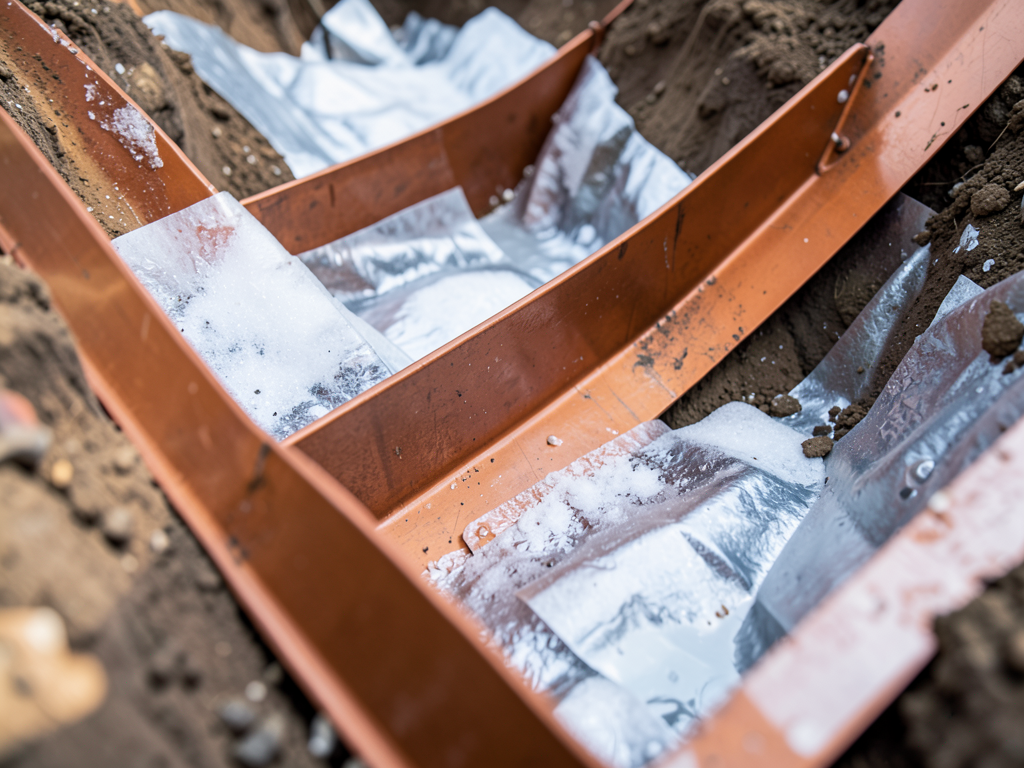
Open valleys use metal flashing along the entire valley length, while closed valleys are covered with shingles. Both handle water flow, but they perform differently under Lafayette Hill’s heavy snow loads and ice dam conditions. Your choice affects not just appearance but long-term roof performance.
Valley Performance in Lafayette Hill Weather
Lafayette Hill receives an average of 22 inches of snow annually, with temperatures frequently dropping below freezing. This creates conditions where ice dams form along roof edges and in valleys. Open metal valleys handle these conditions better because water flows directly over smooth metal rather than through shingle layers.
During January thaws when daytime temperatures hit 40°F and nighttime temperatures drop to 20°F, water repeatedly freezes and thaws in roof valleys. This freeze-thaw cycle causes expansion and contraction that can lift shingle edges in closed valleys, creating gaps where water can penetrate.
Open Valley Installation and Materials
Open valleys install a continuous metal strip, typically 24-30 inches wide, down the valley center. Copper and aluminum are common choices, with copper lasting 50+ years and developing a protective patina. The metal extends beyond the valley edges to ensure complete water coverage.
Installation requires ice and water shield underlayment along the entire valley length, meeting Philadelphia building code requirements for ice dam protection. Shingles are cut back 2-3 inches from the valley center, exposing the metal surface. This creates a clean, visible line that many homeowners find attractive. Why More Homeowners in Manayunk Are Switching to Metal Roofing.
DIAGNOSTIC DETAIL: During installation, we check valley pitch using a 4-foot level. A proper valley should have at least a 3:12 pitch to prevent water backup. We also inspect for any existing rot in the decking before installing new valley flashing.
Closed Valley Installation Methods
Closed valleys come in two main styles: cut and woven. Cut valleys install shingles continuously up both roof slopes, then cut them back along the valley center. Woven valleys alternate shingle courses from each side, creating an overlapping pattern.
Cut valleys are faster to install but create a seam where water can penetrate. Woven valleys provide better water resistance but require more material and labor. Both methods use ice and water shield underlayment, though the shield coverage is typically narrower than with open valleys.
LOCAL CONTEXT: Many Lafayette Hill homes built before 1980 have original closed valleys that are now failing. The older organic-mat shingles used then deteriorate faster under freeze-thaw stress, leading to the cracked valleys common in neighborhoods like Barren Hill and Lafayette Hill proper.
Cost Comparison: Open vs Closed Valleys
| Valley Type | Material Cost | Labor Cost | Total Cost per Linear Foot | Expected Lifespan |
|---|---|---|---|---|
| Open Copper | $12-15 | $8-10 | $20-25 | 50+ years |
| Open Aluminum | $4-6 | $8-10 | $12-16 | 30-40 years |
| Closed Cut | $2-3 | $6-8 | $8-11 | 15-20 years |
| Closed Woven | $2-3 | $10-12 | $12-15 | 15-20 years |
Ice Dam Resistance Comparison
Ice dams form when snow melts on warm roof areas, then refreezes at colder eaves. Valleys are particularly vulnerable because they channel large volumes of water. Open valleys resist ice dams better due to their smooth metal surface that sheds ice more effectively than rough shingle surfaces.
Closed valleys trap ice and snow between shingle layers, creating ice dams that can back up under shingles. This is especially problematic in Lafayette Hill’s older neighborhoods where inadequate attic insulation allows heat to escape through the roof deck.
BUILDING CODE COMPLIANCE: Philadelphia Building Code Section R905.2.8.3 requires ice and water shield in all valleys for roofs with slopes between 2:12 and 4:12. For steeper slopes common in Lafayette Hill, shield is required in valleys and along eaves where ice dams typically form.
Maintenance Requirements by Valley Type
Open valleys require minimal maintenance beyond annual debris removal. The smooth metal surface prevents leaf and twig accumulation that can cause water backup. However, the exposed metal edge can be damaged by falling branches or ladder placement during gutter cleaning. Winter Roof Maintenance Tips.
Closed valleys trap debris between shingle layers, requiring more frequent cleaning. Pine needles and maple helicopter seeds common in Lafayette Hill can accumulate and hold moisture against shingles, accelerating deterioration. Homeowners should inspect closed valleys twice yearly for signs of lifting or cracking.
Visual Impact and Curb Appeal
Open valleys create a distinctive architectural feature with their visible metal line. Copper develops a green patina over time that many homeowners find attractive, especially on historic homes. The clean line can complement modern or craftsman-style homes in Lafayette Hill’s newer developments.
Closed valleys maintain a uniform shingle appearance across the entire roof surface. This creates a cleaner look for traditional homes and those with complex rooflines where multiple valleys meet. Woven valleys create interesting texture but may show pattern irregularities over time.
DIAGNOSTIC TEST: To check valley condition, we use a moisture meter at 6-inch intervals along the valley center. Readings above 18% moisture content indicate water penetration that requires immediate repair. We also inspect for granule loss in closed valleys, which appears as dark streaks along the valley center.
Best Applications for Each Valley Type
Open valleys excel on roofs with slopes over 6:12 and in areas with heavy snowfall. They’re ideal for homes in Lafayette Hill’s higher elevations near the Wissahickon Valley where snow accumulation is greatest. The metal surface also handles the debris from mature oak and maple trees common in the area.
Closed valleys work well on lower-slope roofs under 6:12 where water moves more slowly. They’re cost-effective for roof sections that don’t handle heavy water flow or where the homeowner prefers the uniform shingle appearance. Woven valleys are particularly effective on roofs with minimal tree cover.
Valley Replacement and Repair Considerations
Replacing an open valley requires removing shingles on both sides, installing new metal flashing, and replacing the ice and water shield. This is straightforward but expensive. However, individual sections can be replaced without affecting the entire valley.
Closed valley repair is more complex. If one section fails, the entire valley often needs replacement because matching existing shingles is difficult. The repair process can damage surrounding shingles, potentially requiring a larger repair area than initially visible. EPA guidelines.
LOCAL EXPERTISE: In Lafayette Hill’s Barren Hill area, we frequently find original 1970s closed valleys with cracked fiberglass shingles. The combination of age, freeze-thaw cycles, and poor attic ventilation has created widespread valley failure requiring complete replacement rather than repair.
Energy Efficiency Impact
Open valleys with light-colored metal can reflect more heat than dark shingles, potentially reducing cooling costs by 5-10% in summer. Copper and aluminum have lower heat absorption than asphalt shingles, creating a slight cooling effect for the attic space below.
Closed valleys absorb and retain heat like the surrounding shingles. However, they can create hot spots where dark shingles concentrate heat along the valley center. This temperature differential can accelerate shingle aging in that specific area.
Installation Timeline and Disruption
Open valley installation adds 1-2 days to a typical roof replacement project. The process requires careful measurement and cutting of metal flashing, plus additional underlayment installation. Weather delays are more likely since open valleys cannot be partially completed. How Much Does a Full Roof Replacement Actually Cost in Philadelphia Right Now.
Closed valleys install faster and can be completed in any weather conditions. The process integrates with standard shingle installation, allowing roofers to maintain consistent progress regardless of weather. This makes closed valleys preferable for time-sensitive projects or during Lafayette Hill’s rainy spring season.
Environmental Considerations
Copper and aluminum valleys are fully recyclable at end of life. Copper’s longevity means fewer replacements over a home’s lifetime, reducing overall material consumption. The metal’s natural antimicrobial properties also prevent algae growth common on shaded roof sections.
Closed valleys generate more waste during replacement since entire shingle sections must be removed. The asphalt shingles cannot be recycled in most areas and typically end up in landfills. However, they use less virgin material during initial installation.
Making the Right Choice for Your Lafayette Hill Home
Consider your home’s specific conditions when choosing valley type. Homes with steep slopes, heavy tree cover, or in higher elevations benefit most from open valleys. Those with lower slopes, minimal debris, or traditional architecture may prefer closed valleys for their uniform appearance and lower initial cost.
Your roofer should evaluate your attic ventilation, roof pitch, and local climate factors before recommending a valley type. In Lafayette Hill’s variable climate, the right choice can extend your roof’s life by 10-15 years and prevent costly water damage. The Best Local Roofing Companies for Luxury Homes on the Main Line.
Frequently Asked Questions
Can I mix open and closed valleys on the same roof?
Yes, many homes use open valleys in high-flow areas and closed valleys elsewhere. This hybrid approach balances cost with performance where it matters most.
How long does an open valley installation take?
Open valleys add 1-2 days to a standard roof replacement. The exact time depends on roof size, valley length, and weather conditions during installation.
Will open valleys leak if the metal gets damaged?
Properly installed open valleys with ice and water shield rarely leak even if the metal surface is damaged. The underlayment provides backup protection until repairs can be made.
Are open valleys more expensive to maintain?
Open valleys actually require less maintenance than closed valleys. The smooth metal surface prevents debris accumulation, and there are no shingle layers to deteriorate.
Can I replace just one valley if it leaks?
Open valleys can be replaced section by section. Closed valleys often require replacing the entire valley since matching existing shingles is difficult and the underlying damage may extend beyond the visible leak area.
Call (267) 344-1222 today to schedule your valley inspection before the next storm hits. Our Lafayette Hill experts will evaluate your specific roof conditions and recommend the best valley solution for your home’s needs.
Don’t wait until water damage appears inside your home. Pick up the phone and call (267) 344-1222 now to protect your investment with the right valley system for Lafayette Hill’s challenging climate.
Learn more about roof leak prevention in our related guide for Philadelphia homes For more information, visit National Roofing Contractors Association.
You may also find this helpful. Protecting Your Rhawnhurst Home from Falling Tree Limbs and Debris.
{
“@context”: “https://schema.org”,
“@type”: “BlogPosting”,
“headline”: “Comparing Open vs Closed Valleys for Your Shingle Roof in Lafayette Hill”,
“description”: “Learn the differences between open and closed roof valleys and which is best for Lafayette Hill homes. Compare durability, cost, and ice dam resistance for our local climate.”,
“wordCount”: 1748,
“datePublished”: “2026-05-10T10:26:00.000Z”,
“dateModified”: “2026-05-10T10:26:00.000Z”,
“inLanguage”: “en-US”,
“mainEntityOfPage”: {
“@type”: “WebPage”,
“@id”: “https://atlasroofingphiladelphia.com”
},
“publisher”: {
“@type”: “LocalBusiness”,
“name”: “Atlas Roofing Philadelphia”,
“url”: “https://atlasroofingphiladelphia.com”
},
“author”: {
“@type”: “Organization”,
“name”: “Atlas Roofing Philadelphia”,
“url”: “https://atlasroofingphiladelphia.com”
},
“image”: {
“@type”: “ImageObject”,
“url”: “https://atlasroofingphiladelphia.com/wp-content/uploads/2026/03/comparing-open-vs-closed-valleys-for-your-shingle-1.png”
}
}
{
“@context”: “https://schema.org”,
“@type”: “RoofingContractor”,
“name”: “Atlas Roofing Philadelphia”,
“url”: “https://atlasroofingphiladelphia.com”,
“address”: {
“@type”: “PostalAddress”,
“addressLocality”: “Philadelphia”
},
“areaServed”: {
“@type”: “City”,
“name”: “Philadelphia”
}
}
{
“@context”: “https://schema.org”,
“@type”: “FAQPage”,
“mainEntity”: [
{
“@type”: “Question”,
“name”: “Can I mix open and closed valleys on the same roof?”,
“acceptedAnswer”: {
“@type”: “Answer”,
“text”: “Yes, many homes use open valleys in high-flow areas and closed valleys elsewhere. This hybrid approach balances cost with performance where it matters most.”
}
},
{
“@type”: “Question”,
“name”: “How long does an open valley installation take?”,
“acceptedAnswer”: {
“@type”: “Answer”,
“text”: “Open valleys add 1-2 days to a standard roof replacement. The exact time depends on roof size, valley length, and weather conditions during installation.”
}
},
{
“@type”: “Question”,
“name”: “Will open valleys leak if the metal gets damaged?”,
“acceptedAnswer”: {
“@type”: “Answer”,
“text”: “Properly installed open valleys with ice and water shield rarely leak even if the metal surface is damaged. The underlayment provides backup protection until repairs can be made.”
}
},
{
“@type”: “Question”,
“name”: “Are open valleys more expensive to maintain?”,
“acceptedAnswer”: {
“@type”: “Answer”,
“text”: “Open valleys actually require less maintenance than closed valleys. The smooth metal surface prevents debris accumulation, and there are no shingle layers to deteriorate.”
}
},
{
“@type”: “Question”,
“name”: “Can I replace just one valley if it leaks?”,
“acceptedAnswer”: {
“@type”: “Answer”,
“text”: “Open valleys can be replaced section by section. Closed valleys often require replacing the entire valley since matching existing shingles is difficult and the underlying damage may extend beyond the visible leak area.”
}
}
]
}
{
“@context”: “https://schema.org”,
“@type”: “BreadcrumbList”,
“itemListElement”: [
{
“@type”: “ListItem”,
“position”: 1,
“name”: “Home”,
“item”: “https://atlasroofingphiladelphia.com”
},
{
“@type”: “ListItem”,
“position”: 2,
“name”: “Blog”,
“item”: “https://atlasroofingphiladelphia.com/blog”
},
{
“@type”: “ListItem”,
“position”: 3,
“name”: “Comparing Open vs Closed Valleys for Your Shingle Roof in Lafayette Hill”
}
]
}
{
“@context”: “https://schema.org”,
“@type”: “Service”,
“serviceType”: “Roofing”,
“provider”: {
“@type”: “LocalBusiness”,
“name”: “Atlas Roofing Philadelphia”,
“url”: “https://atlasroofingphiladelphia.com”
},
“areaServed”: {
“@type”: “City”,
“name”: “Philadelphia”
},
“description”: “Learn the differences between open and closed roof valleys and which is best for Lafayette Hill homes. Compare durability, cost, and ice dam resistance for our local climate.”
}