
Adding a Skylight to Your Rowhome During Your Next Roof Replacement in Fairmount
Adding a skylight to your Fairmount rowhome during your next roof replacement is one of the smartest home improvements you can make this year. Philadelphia’s historic row homes were built for efficiency, not natural light. Narrow floor plans and shared walls mean many rooms stay dim even in bright daylight. A properly installed skylight floods these spaces with sunlight, reduces your electric bills, and can even qualify for energy tax credits. The key is timing it with your roof replacement so the work happens in one coordinated project, minimizing disruption and ensuring perfect waterproofing from day one. Philadelphia Department of Licenses and Inspections.
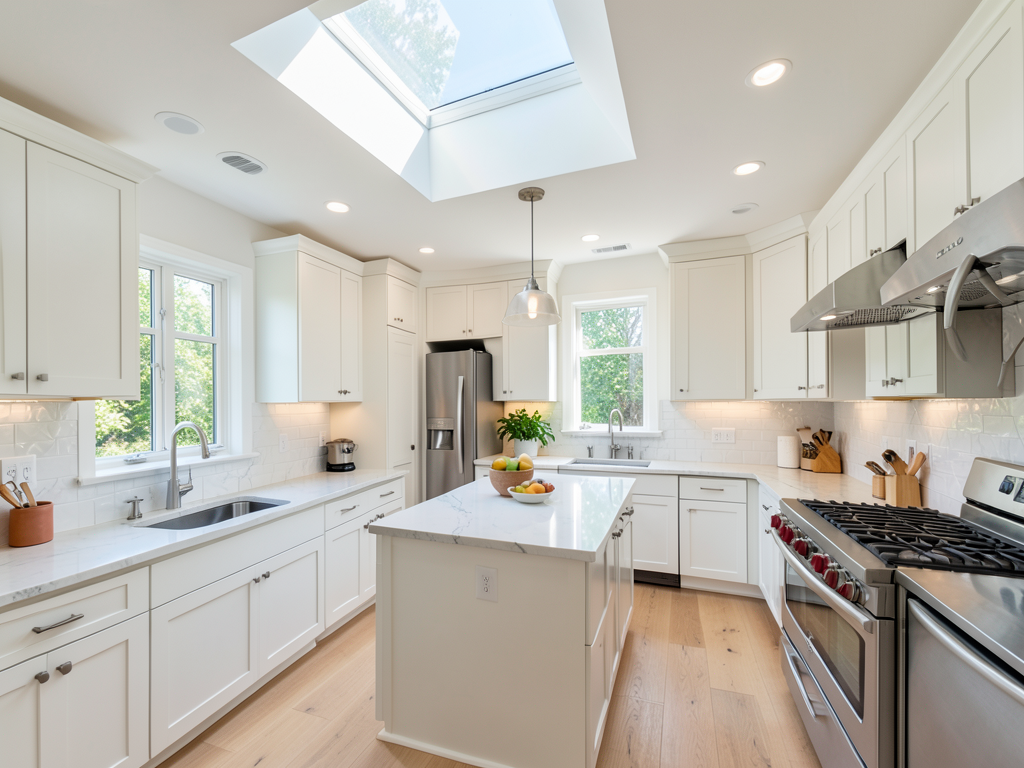
Fairmount’s unique rowhome architecture presents both challenges and opportunities for skylight installation. Most homes here have flat or low-slope roofs, which means you need curb-mounted units that sit above the roof plane for proper drainage. The dense urban layout means access can be tight, but experienced Philadelphia roofers know how to work in these conditions. When done right, a skylight transforms a dark hallway or kitchen into a bright, inviting space while maintaining your home’s historic character.
Why Fairmount Rowhomes Are Perfect for Skylight Additions
Fairmount’s brick rowhomes, built primarily between the 1850s and 1920s, share common architectural features that make skylight installation both necessary and rewarding. The typical floor plan is only 14-16 feet wide with windows on just the front and back walls. This creates a central core that stays dark year-round. A skylight in the kitchen, bathroom, or upstairs hallway can bring natural light deep into these spaces where traditional windows simply cannot reach.
The neighborhood’s flat roof design, common in Philadelphia rowhomes, actually simplifies skylight installation compared to sloped roofs. Flat roofs allow for larger, more dramatic skylights and provide better structural support for the added weight. However, Philadelphia’s freeze-thaw cycles and heavy snow loads mean proper waterproofing is non-negotiable. This is why coordinating with your roof replacement is critical. How Much Does a Full Roof Replacement Actually Cost in Philadelphia Right Now.
Fairmount residents also benefit from the area’s mature tree canopy and urban heat island effect. A well-placed skylight with proper glazing can reduce cooling costs in summer while providing passive solar heating in winter. The neighborhood’s proximity to the Philadelphia Museum of Art and Fairmount Park means many homes already have strong architectural character that a skylight can enhance rather than detract from.
Types of Skylights That Work Best in Philadelphia Rowhomes
Choosing the right skylight for your Fairmount rowhome depends on your roof structure, room function, and energy efficiency goals. The three main types each have specific advantages for Philadelphia’s climate and rowhome construction. Energy efficiency guidelines for skylights.
Fixed skylights are the most common choice for rowhomes. They provide maximum light transmission without the mechanical complexity of venting units. For Fairmount’s historic homes, fixed skylights maintain clean roof lines and avoid potential leaks from moving parts. They work especially well in kitchens, hallways, and bathrooms where ventilation isn’t the primary concern.
Manual venting skylights offer fresh air circulation, which is crucial in Philadelphia’s humid summers. These units open with a hand crank and are ideal for bathrooms or kitchens where moisture control matters. However, they require more maintenance and have more potential leak points than fixed units.
Solar-powered venting skylights represent the premium option for Fairmount rowhomes. These units open automatically based on temperature sensors, require no wiring, and often qualify for the federal solar tax credit. They’re perfect for hard-to-reach locations and provide the best combination of natural light, ventilation, and energy efficiency for Philadelphia’s climate.
The Installation Process: What to Expect During Your Roof Replacement
Coordinating skylight installation with your roof replacement creates a seamless process that protects your investment. The key is having your roofing contractor handle both projects simultaneously. This approach ensures proper flashing integration, warranty coverage, and avoids the nightmare of trying to retrofit a skylight into an existing roof. Roofing Pittsburgh.
The process begins with a structural assessment. Fairmount’s older homes often have 2×6 or 2×8 roof joists that may need reinforcement to support the added weight of a skylight and potential snow loads. Your contractor should use a moisture meter to check for existing water damage around the proposed opening area before any cutting begins.
Next comes permit acquisition through the Philadelphia Department of Licenses and Inspections. For rowhomes in historic districts, you may need additional approval from the Philadelphia Historical Commission. The permitting process typically takes 2-3 weeks and ensures your installation meets current building codes, including proper egress requirements if the skylight could serve as an emergency exit.
During the actual installation, your roofer will cut the opening, install structural headers, and integrate the skylight with new roofing materials. The flashing system is critical in Philadelphia’s climate. High-quality installers use step flashing, counter flashing, and ice-and-water shield to create multiple layers of protection against the freeze-thaw cycles that cause most skylight leaks in our region.
Philadelphia Building Codes and Permit Requirements
Philadelphia’s building codes for skylight installation are specific and must be followed precisely to avoid costly fines or forced removal. The Philadelphia Department of Licenses and Inspections (L&I) requires permits for any structural modification to your roof, including skylight installation.
According to the Philadelphia Building Code, skylights must meet specific size requirements for emergency egress. Any skylight that could serve as an emergency exit must be at least 24 inches by 36 inches and openable to a minimum dimension of 20 inches. This is particularly relevant for Fairmount rowhomes where interior layouts may require alternative escape routes.
Energy efficiency requirements under Philadelphia’s Energy Conservation Code mandate specific U-factor ratings for skylight glazing. In Philadelphia’s climate zone, skylights must achieve a U-factor of 0.30 or lower to meet current standards. This typically means double-pane, low-E coated glass that reduces heat transfer while maximizing visible light transmission.
Historic preservation guidelines apply to many Fairmount properties, particularly those near the Philadelphia Museum of Art and along tree-lined streets. The Historical Commission may require that skylights not be visible from public streets, which often means installing them on rear-facing roof slopes or using flat, curb-mounted units that maintain the roof’s original profile.
Cost Factors and Energy Efficiency Benefits
The cost of adding a skylight to your Fairmount rowhome varies significantly based on size, type, and installation complexity. For a standard 2×4 foot fixed skylight with professional installation during a roof replacement, expect to invest between $1,800 and $3,500 in 2026. This includes the unit, structural modifications, flashing, and integration with your new roofing system.
Solar-powered venting skylights cost more upfront, typically $2,500 to $4,500 installed, but often qualify for the federal solar tax credit, which can offset 30% of the installation cost. In Philadelphia’s climate, these units can reduce cooling costs by 10-15% by automatically venting hot air during summer months.
Energy efficiency benefits extend beyond tax credits. A properly installed skylight can reduce your electric lighting usage by 15-25% in rooms that receive direct sunlight for several hours daily. In Fairmount’s urban environment, where many homes rely heavily on artificial lighting even during daytime, this translates to significant annual savings on your PECO bill.
Premium glazing options like electrochromic glass, which tints automatically based on sunlight intensity, can cost 40-60% more but provide superior heat control and UV protection. For south-facing installations common in Fairmount rowhomes, this technology can prevent the heat gain that makes some skylights a liability in summer. How to Stop Your South Philly Rowhome Roof from Leaking Every Time it Rains.
Common Skylight Problems and How to Avoid Them
Philadelphia’s climate creates specific challenges for skylight installation that out-of-town contractors often miss. Understanding these failure patterns helps you choose the right installer and materials for your Fairmount rowhome.
Condensation is the most common issue in Philadelphia’s humid climate. When warm, moist indoor air meets the cold skylight surface, water droplets form. This leads to water stains, mold growth, and eventual structural damage. The solution is proper insulation and ventilation around the skylight shaft, plus high-performance glazing with low-emissivity coatings.
Ice dam formation around skylight curbs causes many leaks in Philadelphia winters. As snow melts on your roof and refreezes at the skylight’s raised edge, water backs up under flashing. Professional installers prevent this by extending ice-and-water shield several feet up the skylight curb and ensuring proper roof ventilation to minimize temperature differentials.
Flashing failure is another common problem, particularly with inexperienced installers who use one-piece flashing kits designed for sloped roofs on Philadelphia’s flat roofs. The correct approach for rowhomes is a custom-built curb with step flashing on all four sides, counter flashing integrated with the roofing material, and termination bars to seal the edges.
UV damage to interior furnishings is often overlooked. Standard skylights can fade carpets, hardwood floors, and artwork over time. High-quality units include UV-blocking coatings that filter out 99% of harmful rays while still allowing visible light to pass through. This protection is especially important in Fairmount’s historic homes with original hardwood floors and antique furnishings.
Choosing the Right Skylight Installer in Philadelphia
Not all roofing contractors have the specialized knowledge required for successful skylight installation in Philadelphia rowhomes. The difference between a properly installed skylight and a leaking nightmare often comes down to the installer’s experience with local conditions and building methods.
Look for contractors who are VELUX 5-Star Certified or have equivalent credentials from major skylight manufacturers. This certification ensures they’ve completed factory training on proper installation techniques specific to different roof types and climates. For Fairmount rowhomes, experience with flat roof installations is particularly important.
Ask potential installers about their experience with Philadelphia’s specific challenges: freeze-thaw cycles, high humidity, historic preservation requirements, and narrow alleyway access. A qualified contractor should be able to explain their approach to ice dam prevention, flashing integration, and moisture management without hesitation.
Request references from other Fairmount or similar rowhome projects. Seeing actual installations in homes with similar architecture provides confidence that the contractor understands the unique requirements of Philadelphia’s historic housing stock. Pay attention to whether they discuss technical details like U-factor ratings, flashing methods, and warranty coverage.
Finally, ensure your chosen installer handles both the roofing and skylight work. Coordinating these projects separately often leads to integration problems, voided warranties, and finger-pointing when leaks occur. A single contractor responsible for the entire system provides accountability and ensures all components work together as designed.
Maximizing Your Skylight Investment
A skylight is a significant investment that pays dividends in quality of life and energy savings. To maximize your return, consider these factors specific to Fairmount rowhomes and Philadelphia’s climate.
Orientation matters significantly in Philadelphia. South-facing skylights provide the most natural light but also the most heat gain in summer. North-facing installations offer consistent, glare-free light throughout the day. East-facing skylights capture morning sun, which can be ideal for kitchens, while west-facing units may cause afternoon overheating in summer.
Consider adding a solar-powered blind system to your skylight. These motorized blinds can be programmed to close during the hottest parts of summer days and open during winter to maximize solar heat gain. When integrated with solar-powered venting skylights, they create a complete climate control system that can significantly reduce HVAC costs.
Think about the shaft or well that connects your ceiling to the roof opening. In Fairmount rowhomes, these shafts are often framed with wood that can conduct heat and cold. Insulating the shaft with rigid foam board and ensuring it’s properly air-sealed prevents condensation and improves energy efficiency. Some homeowners choose to add drywall and paint the shaft to match their interior, while others prefer an open, industrial look that showcases the skylight structure. Why More Homeowners in Manayunk Are Switching to Metal Roofing.
Plan for future maintenance. Even the best skylights need occasional cleaning and inspection. Consider installing a removable interior trim piece that allows access to the skylight for cleaning without requiring a full ceiling repair. Also, discuss with your installer how to clear snow from around the skylight in winter without damaging the flashing or roofing materials.
Frequently Asked Questions
How long does skylight installation take during a roof replacement?
Most skylight installations during roof replacement take 1-2 days, depending on the complexity and any structural modifications needed. Your roofer will coordinate this work with the overall project timeline.
Will a skylight void my roof warranty?
Not if installed by a certified professional during your roof replacement. In fact, having both installed together often extends warranty coverage because the integration is done correctly from the start.
Are skylights energy efficient in Philadelphia’s climate?
Yes, when properly specified. Modern skylights with low-E coatings and insulated frames can actually reduce energy costs by decreasing the need for artificial lighting and, with venting models, reducing cooling loads.
Do I need a permit for a skylight in Philadelphia?
Yes, the Philadelphia Department of Licenses and Inspections requires permits for any structural modification to your roof, including skylight installation. Your contractor should handle this process.
Can I install a skylight in my historic Fairmount rowhome?
Yes, but additional approval may be needed from the Philadelphia Historical Commission if your home is in a historic district. Many skylights can be installed discreetly to maintain your home’s historic character.
What’s the best type of skylight for a flat roof?
Curb-mounted skylights are ideal for flat roofs because they sit above the roof plane, allowing for proper drainage. This design is perfect for Philadelphia’s rowhome architecture.
Ready to Brighten Your Fairmount Home?
Adding a skylight to your Fairmount rowhome during your next roof replacement is an investment that transforms your living space while protecting your home from Philadelphia’s challenging climate. The combination of natural light, energy savings, and improved home value makes this upgrade particularly attractive for historic rowhome owners.
The key to success is choosing an experienced Philadelphia roofing contractor who understands the unique requirements of rowhome skylight installation. From proper flashing techniques that prevent ice dam leaks to navigating historic district regulations, local expertise makes the difference between a beautiful addition and a costly problem. Choosing a Commercial Roofing Partner for Your Business in Center City.
Don’t wait until your next roof replacement to consider a skylight. Planning ahead allows you to coordinate both projects for maximum efficiency and minimum disruption. The sooner you start planning, the sooner you can enjoy the benefits of natural light in your Fairmount home.
Call (267) 344-1222 today to schedule your free consultation and learn how a skylight can transform your Fairmount rowhome. Our experienced team understands Philadelphia’s unique architecture and climate challenges, ensuring your skylight installation is done right the first time. Pick up the phone and call (267) 344-1222 before the next storm hits – your dark hallway is waiting for sunlight.

{
“@context”: “https://schema.org”,
“@type”: “BlogPosting”,
“headline”: “Adding a Skylight to Your Rowhome During Your Next Roof Replacement in Fairmount”,
“description”: “Learn how to add a skylight to your Fairmount rowhome during roof replacement. Local permits, energy savings, and expert installation tips from Philadelphia roofers.”,
“wordCount”: 2462,
“datePublished”: “2026-02-27T15:05:00.000Z”,
“dateModified”: “2026-02-27T15:05:00.000Z”,
“inLanguage”: “en-US”,
“mainEntityOfPage”: {
“@type”: “WebPage”,
“@id”: “https://atlasroofingphiladelphia.com”
},
“publisher”: {
“@type”: “LocalBusiness”,
“name”: “Atlas Roofing Philadelphia”,
“url”: “https://atlasroofingphiladelphia.com”
},
“author”: {
“@type”: “Organization”,
“name”: “Atlas Roofing Philadelphia”,
“url”: “https://atlasroofingphiladelphia.com”
},
“image”: {
“@type”: “ImageObject”,
“url”: “https://atlasroofingphiladelphia.com/wp-content/uploads/2026/03/adding-a-skylight-to-your-rowhome-during-your-next-1.png”
}
}
{
“@context”: “https://schema.org”,
“@type”: “RoofingContractor”,
“name”: “Atlas Roofing Philadelphia”,
“url”: “https://atlasroofingphiladelphia.com”,
“address”: {
“@type”: “PostalAddress”,
“addressLocality”: “Philadelphia”
},
“areaServed”: {
“@type”: “City”,
“name”: “Philadelphia”
}
}
{
“@context”: “https://schema.org”,
“@type”: “FAQPage”,
“mainEntity”: [
{
“@type”: “Question”,
“name”: “How long does skylight installation take during a roof replacement?”,
“acceptedAnswer”: {
“@type”: “Answer”,
“text”: “Most skylight installations during roof replacement take 1-2 days, depending on the complexity and any structural modifications needed. Your roofer will coordinate this work with the overall project timeline.”
}
},
{
“@type”: “Question”,
“name”: “Will a skylight void my roof warranty?”,
“acceptedAnswer”: {
“@type”: “Answer”,
“text”: “Not if installed by a certified professional during your roof replacement. In fact, having both installed together often extends warranty coverage because the integration is done correctly from the start.”
}
},
{
“@type”: “Question”,
“name”: “Are skylights energy efficient in Philadelphia’s climate?”,
“acceptedAnswer”: {
“@type”: “Answer”,
“text”: “Yes, when properly specified. Modern skylights with low-E coatings and insulated frames can actually reduce energy costs by decreasing the need for artificial lighting and, with venting models, reducing cooling loads.”
}
},
{
“@type”: “Question”,
“name”: “Do I need a permit for a skylight in Philadelphia?”,
“acceptedAnswer”: {
“@type”: “Answer”,
“text”: “Yes, the Philadelphia Department of Licenses and Inspections requires permits for any structural modification to your roof, including skylight installation. Your contractor should handle this process.”
}
},
{
“@type”: “Question”,
“name”: “Can I install a skylight in my historic Fairmount rowhome?”,
“acceptedAnswer”: {
“@type”: “Answer”,
“text”: “Yes, but additional approval may be needed from the Philadelphia Historical Commission if your home is in a historic district. Many skylights can be installed discreetly to maintain your home’s historic character.”
}
},
{
“@type”: “Question”,
“name”: “What’s the best type of skylight for a flat roof?”,
“acceptedAnswer”: {
“@type”: “Answer”,
“text”: “Curb-mounted skylights are ideal for flat roofs because they sit above the roof plane, allowing for proper drainage. This design is perfect for Philadelphia’s rowhome architecture.”
}
},
{
“@type”: “Question”,
“name”: “Ready to Brighten Your Fairmount Home?”,
“acceptedAnswer”: {
“@type”: “Answer”,
“text”: “Adding a skylight to your Fairmount rowhome during your next roof replacement is an investment that transforms your living space while protecting your home from Philadelphia’s challenging climate. The combination of natural light, energy savings, and improved home value makes this upgrade particularly attractive for historic rowhome owners.”
}
}
]
}
{
“@context”: “https://schema.org”,
“@type”: “BreadcrumbList”,
“itemListElement”: [
{
“@type”: “ListItem”,
“position”: 1,
“name”: “Home”,
“item”: “https://atlasroofingphiladelphia.com”
},
{
“@type”: “ListItem”,
“position”: 2,
“name”: “Blog”,
“item”: “https://atlasroofingphiladelphia.com/blog”
},
{
“@type”: “ListItem”,
“position”: 3,
“name”: “Adding a Skylight to Your Rowhome During Your Next Roof Replacement in Fairmount”
}
]
}
{
“@context”: “https://schema.org”,
“@type”: “Service”,
“serviceType”: “Roofing”,
“provider”: {
“@type”: “LocalBusiness”,
“name”: “Atlas Roofing Philadelphia”,
“url”: “https://atlasroofingphiladelphia.com”
},
“areaServed”: {
“@type”: “City”,
“name”: “Philadelphia”
},
“description”: “Learn how to add a skylight to your Fairmount rowhome during roof replacement. Local permits, energy savings, and expert installation tips from Philadelphia roofers.”
}