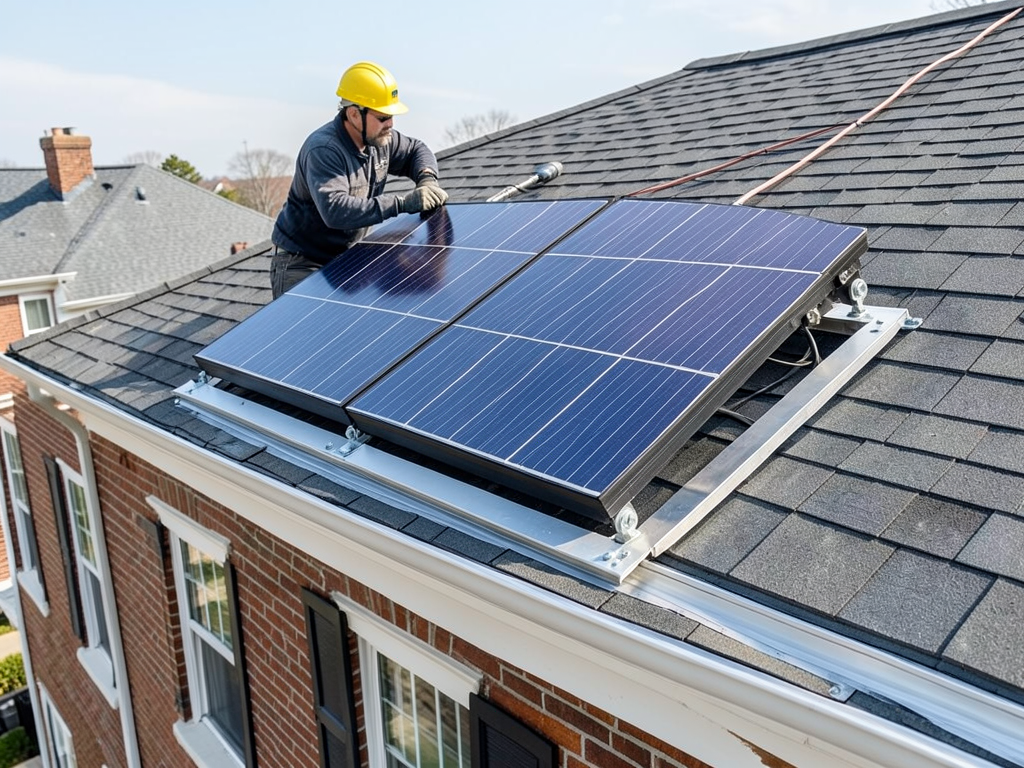
Philadelphia row homes in Cedar Park suffer from chronic darkness due to narrow lot widths and dense urban development. Natural light struggles to penetrate deep into these century-old structures, leaving hallways, bathrooms, and interior rooms perpetually dim. Solar tubes offer an elegant solution by channeling sunlight from your roof directly into your living space without the structural modifications required for traditional skylights.
The installation process demands specialized knowledge of both roofing systems and light engineering. A poorly installed solar tube creates leak pathways that compromise your roof’s integrity. Our team understands the delicate balance between maximizing light transmission and maintaining absolute waterproofing—a critical consideration for Philadelphia’s freeze-thaw climate that stresses roofing materials year-round. The Best Local Roofing Companies for Luxury Homes on the Main Line.
Solar tubes work through a simple yet effective principle: a rooftop dome captures sunlight, a highly reflective tube channels it downward, and a diffuser distributes the light evenly in your room. The technology delivers surprising brightness—a 10-inch tube provides illumination equivalent to three 100-watt incandescent bulbs, while a 14-inch model matches the output of five standard bulbs. This means you can eliminate electric lighting during daylight hours, reducing your energy consumption by up to 15% annually.
Philadelphia’s building codes require specific flashing techniques for any roof penetration. The International Residential Code (IRC) Section R308.6 mandates proper weatherproofing for all roof-mounted penetrations. Our installations use manufacturer-approved flashing kits that integrate with your existing roofing material—whether asphalt shingles, flat EPDM membrane, or historic slate. This ensures your warranty remains intact while providing decades of reliable performance. International Residential Code Section R308.6.
Installation typically requires just 2-4 hours for most Cedar Park homes. The process begins with locating optimal placement on your roof, considering both sun exposure and interior room layout. Our technicians then create a precise cutout, install the flashing assembly, and seal all penetration points with high-grade roofing sealant. The interior portion involves minimal drywall modification—usually just a small ceiling cutout for the diffuser. Roofing Pittsburgh.
Modern solar tubes include advanced features like optional LED light kits for nighttime use, daylight dimmers for bedrooms, and even ventilation fans integrated into the tube assembly. These upgrades transform a simple light tube into a multifunctional home improvement that addresses multiple needs with one installation.
Energy efficiency extends beyond just lighting savings. By reducing reliance on electric lighting during peak daylight hours, you decrease your home’s overall energy demand. This matters in Philadelphia where electricity rates average 15.5 cents per kilowatt-hour—among the highest in the nation. The reduced heat output from fewer light fixtures also means your air conditioning system works less during summer months.
Federal tax incentives sweeten the investment. The Solar Investment Tax Credit (ITC) provides a 30% credit for qualifying solar tube installations through 2032. For a typical $1,200 installation, this translates to $360 in tax savings, effectively reducing your net cost to $840. Many Philadelphia homeowners find the payback period falls between 3-5 years when factoring both energy savings and tax benefits. Federal Solar Tax Credit.
Cedar Park’s specific urban environment creates unique considerations. The neighborhood’s mature tree canopy, while beautiful, can reduce solar tube effectiveness if not properly accounted for during placement. Our site assessment includes evaluating potential shading from nearby structures and vegetation. We also consider the impact on your roof’s thermal performance—ensuring the tube installation doesn’t create unintended heat loss in winter or heat gain in summer.
Quality installation requires understanding Philadelphia’s specific roofing challenges. The city’s combination of high humidity, temperature extremes, and occasional severe weather demands superior sealing techniques. We use marine-grade sealants and stainless steel fasteners that resist corrosion in Philadelphia’s salt-laden winter air. Our flashing systems include redundant water barriers that provide backup protection if the primary seal ever fails.
The right solar tube diameter matters for your space. A 10-inch tube illuminates approximately 200 square feet—perfect for a standard bathroom or hallway. The 14-inch model covers up to 300 square feet, suitable for larger kitchens or combined living spaces. We help you calculate the optimal size based on your room dimensions, ceiling height, and desired light levels.
Maintenance requirements are minimal. The exterior dome needs occasional cleaning to remove accumulated debris, pollen, or bird droppings that can reduce light transmission by up to 30%. The interior diffuser may require dusting every few months. The reflective tube itself never needs cleaning due to its sealed design that prevents dust accumulation.
Common concerns about roof leaks are unfounded when installation follows manufacturer specifications. Our process includes thermal imaging scans before and after installation to verify no moisture intrusion occurred. We also provide a five-year workmanship warranty covering any installation-related issues—a commitment that demonstrates our confidence in our techniques.
Solar tubes versus traditional skylights present distinct advantages for Cedar Park homes. Skylights require structural modifications, increase roof penetrations, and can cause significant heat loss. Solar tubes minimize roof disruption, maintain your home’s thermal envelope, and cost 60-70% less than comparable skylight installations. For narrow Philadelphia row homes where every inch matters, this efficiency proves crucial.
Light quality from solar tubes differs from electric lighting in beneficial ways. The natural spectrum improves color rendering, making your space feel more vibrant and reducing eye strain. Many homeowners report improved mood and productivity in naturally lit spaces—a phenomenon supported by research on circadian rhythm and human health. Why More Homeowners in Manayunk Are Switching to Metal Roofing.
Installation timing affects both cost and convenience. Spring and fall offer ideal conditions for roofing work in Philadelphia, with moderate temperatures and lower humidity. Summer installations require additional precautions to protect your home from heat, while winter work demands specialized cold-weather techniques to ensure proper sealant curing.
Property value considerations matter for Cedar Park homeowners. While solar tubes don’t provide the same energy generation as photovoltaic panels, they enhance livability and reduce operating costs—factors that appraisers recognize. The improved natural lighting also makes your home more attractive to potential buyers, particularly in Philadelphia’s competitive real estate market where many buyers seek move-in ready properties.
Integration with smart home technology represents the next evolution. Modern solar tubes can connect to home automation systems that adjust LED supplements based on available daylight, track energy savings, and even integrate with circadian lighting controls that mimic natural light patterns throughout the day.
The environmental impact extends beyond your home. By reducing electricity demand, you decrease the need for fossil fuel-based power generation. A single solar tube installation can prevent approximately 50 pounds of CO2 emissions annually—equivalent to planting three new trees. For Philadelphia’s broader sustainability goals, widespread adoption of solar tubes contributes meaningfully to the city’s carbon reduction targets.
Before installation, we conduct a comprehensive roof assessment to identify any existing issues that need addressing. This includes checking for damaged shingles, verifying proper underlayment condition, and ensuring your roof structure can support the additional penetration. This proactive approach prevents complications and ensures your solar tube installation enhances rather than compromises your home’s integrity.
Cost factors vary based on several variables: roof type and pitch, interior ceiling configuration, desired features, and accessibility. A basic 10-inch installation on a standard asphalt shingle roof typically ranges from $900-$1,200. Complex installations involving slate roofs, vaulted ceilings, or integrated lighting controls can reach $2,000-$2,500. We provide detailed, fixed-price quotes after our initial assessment.
Choosing the right installer matters as much as choosing the right product. Philadelphia’s unique building stock requires experience with historic preservation guidelines, local permit requirements, and the specific challenges of urban roofing. Our team holds current Pennsylvania Home Improvement Contractor licenses and maintains comprehensive insurance coverage that protects both our workers and your property.
The investment in solar tubes pays dividends through multiple channels: reduced energy bills, improved living comfort, enhanced property value, and environmental benefits. For Cedar Park row homes where darkness has been an accepted limitation, solar tubes transform that constraint into an opportunity for improvement.
Ready to brighten your Cedar Park home? Call (267) 344-1222 today to schedule your free consultation. Our experts will assess your specific situation, explain your options, and provide a detailed quote with no obligation. Don’t wait for another dark winter—natural light is just a phone call away.
Solar Tube Installation Cost Comparison
| Installation Type | Average Cost | Coverage Area | Installation Time |
|---|---|---|---|
| 10-inch Basic Tube | $900-$1,200 | 200 sq ft | 2-3 hours |
| 14-inch Basic Tube | $1,100-$1,400 | 300 sq ft | 2-4 hours |
| 10-inch with LED Kit | $1,300-$1,600 | 200 sq ft (24/7) | 3-4 hours |
| 14-inch with Ventilation | $1,500-$1,800 | 300 sq ft + airflow | 3-5 hours |
Light Output Comparison
| Tube Size | Lumens (Clear Day) | Equivalent Bulbs | Effective Hours |
|---|---|---|---|
| 10-inch | 1,200-1,500 | 3 x 100W incandescent | 8-10 hours |
| 14-inch | 1,800-2,200 | 5 x 100W incandescent | 8-10 hours |
- Site Assessment
Our technician evaluates your roof structure, sun exposure, and interior layout to determine optimal placement. We check for potential shading from trees or nearby buildings and assess your current roofing material.
- Permit Acquisition
We handle all necessary Philadelphia building permits, ensuring compliance with local codes and historic district requirements if applicable. This includes submitting detailed plans and scheduling required inspections.
- Roof Preparation
We carefully remove shingles or membrane in the target area, protecting surrounding materials. The roof deck is inspected for any damage that needs repair before installation.
- Flashing Installation
Manufacturer-approved flashing is installed according to IRC Section R308.6 requirements. This creates a waterproof seal that integrates with your existing roofing system.
- Tube Assembly
The reflective tube is assembled and installed, connecting the rooftop dome to the interior ceiling location. Proper alignment ensures maximum light transmission.
- Interior Finishing
The diffuser is installed in your ceiling, and any necessary drywall modifications are completed. We ensure a clean, professional finish that matches your existing ceiling. - Quality Verification
We conduct leak tests, verify light output, and perform thermal imaging scans to confirm proper installation. The area is cleaned, and you receive a walkthrough of your new solar tube.
Frequently Asked Questions
How long do solar tubes typically last?
Quality solar tubes installed by certified professionals typically last 20-25 years. The exterior dome is UV-resistant acrylic that withstands Philadelphia’s weather extremes. The reflective tube maintains its performance throughout the system’s life, and the sealed design prevents dust accumulation that could reduce light transmission.
Will a solar tube work on my north-facing roof?
Yes, though with reduced effectiveness. North-facing installations capture ambient daylight rather than direct sunlight, providing illumination for 6-8 hours daily instead of 8-10 hours. The light quality remains natural and pleasant, though slightly dimmer than south-facing installations. We can enhance north-facing tubes with optional light amplification features. How to Stop Your South Philly Rowhome Roof from Leaking Every Time it Rains.
Can I install a solar tube in a bathroom with high humidity?
Absolutely. In fact, bathrooms are ideal locations for solar tubes. We recommend models with optional ventilation integration that removes moisture while providing natural light. The sealed tube design prevents humidity from entering your attic space, and the diffuser’s moisture-resistant materials withstand bathroom conditions without degradation.
Do solar tubes affect my roof’s warranty?
When installed correctly using manufacturer-approved flashing systems, solar tubes do not void your roof warranty. Our installation techniques follow both manufacturer specifications and Philadelphia building codes. We document all penetrations and provide warranty information to your roofing manufacturer if needed for your records.
How do solar tubes perform in winter?
Solar tubes work year-round in Philadelphia. The sealed tube design prevents heat loss in winter, and the dome’s curved shape naturally sheds snow. Light transmission actually improves slightly in winter when surrounding trees are bare. The reflective tube maintains efficiency regardless of outside temperature. How Much Does a Full Roof Replacement Actually Cost in Philadelphia Right Now.
Don’t let another day of darkness affect your Cedar Park home. Call (267) 344-1222 now to schedule your free solar tube consultation. Our experienced team will show you exactly how natural light can transform your living space while protecting your roof’s integrity. The sooner you call, the sooner you can enjoy the benefits of natural daylight in your home.
{
“@context”: “https://schema.org”,
“@type”: “BlogPosting”,
“headline”: “A Practical Guide to Installing Solar Tubes in Dark Cedar Park Rowhomes”,
“description”: “Learn how solar tubes brighten Philadelphia’s dark row homes. Atlas Roofing Philadelphia provides leak-proof installations with local code compliance. Call (267) 344-1222.”,
“wordCount”: 1992,
“datePublished”: “2026-05-03T07:00:00.000Z”,
“dateModified”: “2026-05-03T07:00:00.000Z”,
“inLanguage”: “en-US”,
“mainEntityOfPage”: {
“@type”: “WebPage”,
“@id”: “https://atlasroofingphiladelphia.com”
},
“publisher”: {
“@type”: “LocalBusiness”,
“name”: “Atlas Roofing Philadelphia”,
“url”: “https://atlasroofingphiladelphia.com”
},
“author”: {
“@type”: “Organization”,
“name”: “Atlas Roofing Philadelphia”,
“url”: “https://atlasroofingphiladelphia.com”
},
“image”: {
“@type”: “ImageObject”,
“url”: “https://atlasroofingphiladelphia.com/wp-content/uploads/2026/03/a-practical-guide-to-installing-solar-tubes-in-dar-1.png”
}
}{
“@context”: “https://schema.org”,
“@type”: “RoofingContractor”,
“name”: “Atlas Roofing Philadelphia”,
“url”: “https://atlasroofingphiladelphia.com”,
“address”: {
“@type”: “PostalAddress”,
“addressLocality”: “Philadelphia”
},
“areaServed”: {
“@type”: “City”,
“name”: “Philadelphia”
}
}{
“@context”: “https://schema.org”,
“@type”: “FAQPage”,
“mainEntity”: [
{
“@type”: “Question”,
“name”: “How long do solar tubes typically last?”,
“acceptedAnswer”: {
“@type”: “Answer”,
“text”: “Quality solar tubes installed by certified professionals typically last 20-25 years. The exterior dome is UV-resistant acrylic that withstands Philadelphia’s weather extremes. The reflective tube maintains its performance throughout the system’s life, and the sealed design prevents dust accumulation that could reduce light transmission.”
}
},
{
“@type”: “Question”,
“name”: “Will a solar tube work on my north-facing roof?”,
“acceptedAnswer”: {
“@type”: “Answer”,
“text”: “Yes, though with reduced effectiveness. North-facing installations capture ambient daylight rather than direct sunlight, providing illumination for 6-8 hours daily instead of 8-10 hours. The light quality remains natural and pleasant, though slightly dimmer than south-facing installations. We can enhance north-facing tubes with optional light amplification features. How to Stop Your South Philly Rowhome Roof from Leaking Every Time it Rains.”
}
},
{
“@type”: “Question”,
“name”: “Can I install a solar tube in a bathroom with high humidity?”,
“acceptedAnswer”: {
“@type”: “Answer”,
“text”: “Absolutely. In fact, bathrooms are ideal locations for solar tubes. We recommend models with optional ventilation integration that removes moisture while providing natural light. The sealed tube design prevents humidity from entering your attic space, and the diffuser’s moisture-resistant materials withstand bathroom conditions without degradation.”
}
},
{
“@type”: “Question”,
“name”: “Do solar tubes affect my roof’s warranty?”,
“acceptedAnswer”: {
“@type”: “Answer”,
“text”: “When installed correctly using manufacturer-approved flashing systems, solar tubes do not void your roof warranty. Our installation techniques follow both manufacturer specifications and Philadelphia building codes. We document all penetrations and provide warranty information to your roofing manufacturer if needed for your records.”
}
},
{
“@type”: “Question”,
“name”: “How do solar tubes perform in winter?”,
“acceptedAnswer”: {
“@type”: “Answer”,
“text”: “Solar tubes work year-round in Philadelphia. The sealed tube design prevents heat loss in winter, and the dome’s curved shape naturally sheds snow. Light transmission actually improves slightly in winter when surrounding trees are bare. The reflective tube maintains efficiency regardless of outside temperature. How Much Does a Full Roof Replacement Actually Cost in Philadelphia Right Now.”
}
}
]
}{
“@context”: “https://schema.org”,
“@type”: “HowTo”,
“name”: “Solar Tube Installation Process”,
“step”: [
{
“@type”: “HowToStep”,
“position”: 1,
“name”: “Site Assessment”,
“text”: “Our technician evaluates your roof structure, sun exposure, and interior layout to determine optimal placement. We check for potential shading from trees or nearby buildings and assess your current roofing material.”
},
{
“@type”: “HowToStep”,
“position”: 2,
“name”: “Permit Acquisition”,
“text”: “We handle all necessary Philadelphia building permits, ensuring compliance with local codes and historic district requirements if applicable. This includes submitting detailed plans and scheduling required inspections.”
},
{
“@type”: “HowToStep”,
“position”: 3,
“name”: “Roof Preparation”,
“text”: “We carefully remove shingles or membrane in the target area, protecting surrounding materials. The roof deck is inspected for any damage that needs repair before installation.”
},
{
“@type”: “HowToStep”,
“position”: 4,
“name”: “Flashing Installation”,
“text”: “Manufacturer-approved flashing is installed according to IRC Section R308.6 requirements. This creates a waterproof seal that integrates with your existing roofing system.”
},
{
“@type”: “HowToStep”,
“position”: 5,
“name”: “Tube Assembly”,
“text”: “The reflective tube is assembled and installed, connecting the rooftop dome to the interior ceiling location. Proper alignment ensures maximum light transmission.”
},
{
“@type”: “HowToStep”,
“position”: 6,
“name”: “Interior Finishing\nThe diffuser is installed in yo”,
“text”: “Interior Finishing\nThe diffuser is installed in your ceiling, and any necessary drywall modifications are completed. We ensure a clean, professional finish that matches your existing ceiling.”
},
{
“@type”: “HowToStep”,
“position”: 7,
“name”: “Quality Verification”,
“text”: “We conduct leak tests, verify light output, and perform thermal imaging scans to confirm proper installation. The area is cleaned, and you receive a walkthrough of your new solar tube.”
}
],
“image”: “https://atlasroofingphiladelphia.com/wp-content/uploads/2026/03/a-practical-guide-to-installing-solar-tubes-in-dar-1.png”
}{
“@context”: “https://schema.org”,
“@type”: “BreadcrumbList”,
“itemListElement”: [
{
“@type”: “ListItem”,
“position”: 1,
“name”: “Home”,
“item”: “https://atlasroofingphiladelphia.com”
},
{
“@type”: “ListItem”,
“position”: 2,
“name”: “Blog”,
“item”: “https://atlasroofingphiladelphia.com/blog”
},
{
“@type”: “ListItem”,
“position”: 3,
“name”: “A Practical Guide to Installing Solar Tubes in Dark Cedar Park Rowhomes”
}
]
}{
“@context”: “https://schema.org”,
“@type”: “Service”,
“serviceType”: “Roofing”,
“provider”: {
“@type”: “LocalBusiness”,
“name”: “Atlas Roofing Philadelphia”,
“url”: “https://atlasroofingphiladelphia.com”
},
“areaServed”: {
“@type”: “City”,
“name”: “Philadelphia”
},
“description”: “Learn how solar tubes brighten Philadelphia’s dark row homes. Atlas Roofing Philadelphia provides leak-proof installations with local code compliance. Call (267) 344-1222.”
}
- Quality Verification