
Stopping Water from Leaking Around Your Pilot House Door in Graduate Hospital
Water leaking around your pilot house door in Graduate Hospital isn’t just annoying—it’s actively damaging your home. The brick rowhomes here sit on compacted urban fill that shifts slightly with every freeze-thaw cycle. When that happens, the door threshold and surrounding masonry lose their seal. The result is water finding its way down your interior walls, through ceiling joists, and into your living space.
This guide shows you exactly what causes these leaks, how to spot the warning signs, and what repairs actually stop the problem for good. We’ll cover the specific materials and methods that work in Philadelphia’s climate—not generic fixes that fail in six months. Philadelphia Department of Licenses and Inspections.
Why Graduate Hospital Pilot Houses Leak So Often
Pilot houses in Graduate Hospital face unique challenges. These structures sit above flat roof decks and enclose the staircase leading to the roof. They’re exposed to wind-driven rain hitting at unusual angles and temperature swings that stress the masonry joints. The area’s mix of older and newer construction means some pilot houses have original brick while others use modern materials that don’t always match perfectly.
The real problem starts at the intersection points. Where the roof deck meets the pilot house walls, where the door frame meets the threshold, and where the brick veneer meets the roofing membrane. Each joint is a potential failure point, especially when Philadelphia’s humidity gets trapped and freezes in winter. The Best Local Roofing Companies for Luxury Homes on the Main Line.

Diagram showing common leak points at pilot house door thresholds, flashing intersections, and masonry joints in Graduate Hospital rowhomes.
Common Culprits: Door Thresholds and Flashing Failures
The door leading to your roof deck is often the primary failure point. Over time, the threshold settles away from the frame. The original sealant breaks down. Water pools at the base instead of draining away. In Graduate Hospital, where many homes are over 80 years old, this settling happens faster due to the urban soil conditions.
Flashing failures compound the problem. The metal strips meant to direct water away from the door frame and roof intersection corrode or pull away from the masonry. Without proper counter-flashing, water travels behind the brick veneer and appears as ceiling stains in your top-floor hallway.
Masonry pointing is another critical factor. The mortar between bricks deteriorates from freeze-thaw cycles and salt exposure. Once gaps form, water infiltrates the wall cavity. In winter, this moisture freezes and expands, creating larger cracks that accelerate the damage.
Our Local Repair Process for Pilot House Leaks
Stopping these leaks requires a systematic approach that addresses every failure point. We start with a comprehensive inspection using moisture meters to detect hidden water paths. Then we follow a proven repair sequence that’s worked on hundreds of Graduate Hospital homes. EPA WaterSense Program.
- Inspection and Moisture Mapping
We use thermal imaging and moisture meters to locate all active leak sources, including hidden moisture in wall cavities and ceiling joists.
- Door Threshold Assessment
We remove the door to inspect the threshold condition, checking for rot, settling, and failed sealants. Any damaged wood gets replaced with pressure-treated material.
- Masonry Pointing and Waterproofing
We remove deteriorated mortar and replace it with high-quality, flexible pointing compound rated for Philadelphia’s freeze-thaw cycles.
- Flashing Repair or Replacement
We install new galvanized steel or copper flashing at all critical intersections, ensuring proper overlap and sealant integration.
- Roof Membrane Patching
For TPO or EPDM roofs, we patch damaged areas around the pilot house with compatible materials, creating a seamless transition.
- Door Seal and Weatherstripping
We install new threshold seals and door weatherstripping to prevent wind-driven rain infiltration.
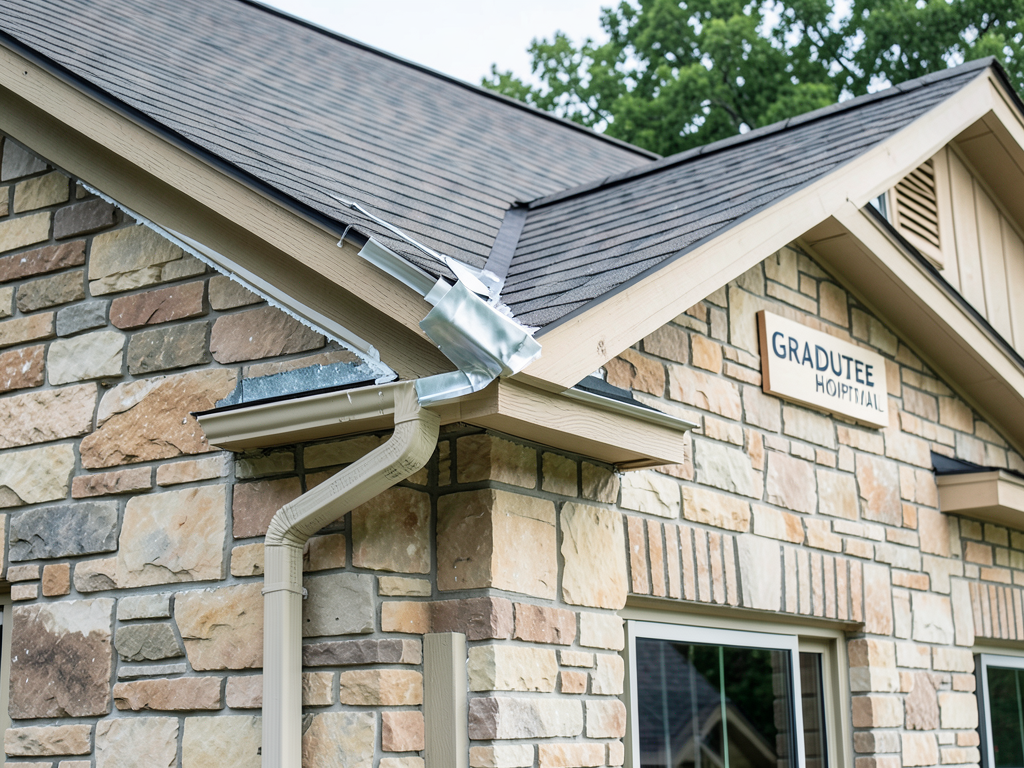
Photo showing masonry pointing repair on a Graduate Hospital pilot house, with new flashing installation at roof-deck intersection.
Pilot House vs. Main Roof: Understanding the Difference
Many homeowners mistake pilot house leaks for main roof problems. The key difference is location and pattern. Pilot house leaks typically show up as water stains along the top-floor hallway ceiling, near the staircase to the roof. The water follows the path of least resistance down through the wall cavity. Why More Homeowners in Manayunk Are Switching to Metal Roofing.
Main roof leaks usually appear as larger, more diffuse stains on upper-floor ceilings, often away from walls. They’re also more likely to cause immediate dripping during heavy rain. Pilot house leaks can take hours or even a day to show visible damage because the water travels through masonry before reaching interior surfaces.
Another distinction: pilot house leaks often worsen during wind-driven rain from the south or west, while main roof leaks might be more consistent regardless of wind direction. Understanding this helps diagnose the actual source before investing in unnecessary repairs. How to Stop Your South Philly Rowhome Roof from Leaking Every Time it Rains.
Service Areas in Graduate Hospital and Beyond
We serve all of Graduate Hospital, including the area bounded by South Street, Washington Avenue, Broad Street, and the Schuylkill River. This includes the 19146 and 19147 zip codes where pilot house architecture is most common.
Our team also handles emergency repairs throughout Center City, South Philadelphia, and the surrounding neighborhoods. We’re familiar with the specific building patterns in each area—from the older brick structures near Rittenhouse Square to the newer developments along Washington Avenue.
When you call, we can typically schedule an inspection within 24-48 hours for Graduate Hospital addresses. Emergency service is available for active leaks causing interior damage.
Philadelphia Building Codes and Permit Requirements
Repairing pilot house leaks in Philadelphia requires compliance with specific building codes. The Philadelphia Department of Licenses and Inspections (L&I) mandates permits for structural repairs affecting the building envelope. This includes masonry pointing on exterior walls, roof membrane replacement over 100 square feet, and any work that alters the means of egress to the roof. How Much Does a Full Roof Replacement Actually Cost in Philadelphia Right Now.
According to the Philadelphia Building Code Section 1507, all roofing repairs must use materials meeting minimum fire-resistance ratings. For flat roofs with pilot houses, this typically means TPO or modified bitumen systems with appropriate underlayment. The code also requires proper flashing installation per Section 1507.18 to prevent water infiltration at all roof penetrations. Roofing Pittsburgh.
Working with a licensed contractor familiar with these requirements ensures your repairs pass inspection and maintain your home’s value. We handle all permit applications and coordinate inspections as part of our service.
Cost Factors and Timeline Expectations
Pilot house leak repairs vary significantly in scope and cost. Simple door threshold sealing might take 2-3 hours and cost a few hundred dollars. Comprehensive repairs involving masonry pointing, flashing replacement, and roof patching typically require 1-2 days and range from $2,000 to $6,000 depending on the extent of damage.
The timeline depends on material availability and weather conditions. We can’t perform exterior masonry work during freezing temperatures or heavy rain. Most repairs completed in spring through fall can be finished within a week of initial inspection.
Factors affecting cost include the height of your building (requiring additional safety equipment), the extent of water damage to interior finishes, and whether you need emergency service outside normal business hours.
Preventing Future Leaks: Maintenance Tips
Once we repair your pilot house, preventing future leaks requires seasonal maintenance. Check the door threshold and surrounding masonry every spring for signs of cracking or separation. Clean gutters and roof drains to prevent water backup against the pilot house walls.
Inspect flashing annually for signs of corrosion or separation. Look for efflorescence (white mineral deposits) on brick, which indicates water infiltration. If you see this, call for an inspection before the problem worsens.
Consider applying a masonry sealant every 3-5 years to protect against water absorption. This is especially important for older brick that’s more porous. We can recommend specific products that work well in Philadelphia’s climate without trapping moisture inside the walls.
Why Choose Local Experience for Pilot House Repairs
Pilot house leak repair isn’t a standard roofing job. It requires understanding Philadelphia’s specific architectural patterns, soil conditions, and climate challenges. Our team has repaired hundreds of these structures in Graduate Hospital alone, giving us insight into the common failure patterns and most effective solutions.
We know which materials perform best in our freeze-thaw cycles and how to work with the narrow alleyways and limited access typical of rowhome neighborhoods. We also understand the permitting process and can navigate L&I requirements efficiently.
Most importantly, we provide warranties on our work because we stand behind the quality of our repairs. When we fix a pilot house leak, we want it to stay fixed through multiple Philadelphia winters.
Frequently Asked Questions
How can I tell if my leak is coming from the pilot house or the main roof?
Pilot house leaks typically cause water stains along the top-floor hallway ceiling near the staircase. Main roof leaks usually create more diffuse stains on upper-floor ceilings away from walls. Pilot house leaks also often worsen during wind-driven rain from certain directions.
How long do pilot house leak repairs usually take?
Simple repairs like door threshold sealing take 2-3 hours. Comprehensive repairs involving masonry, flashing, and roof work typically require 1-2 days. Weather conditions and material availability can affect the timeline.
Do I need a permit for pilot house repairs in Philadelphia?
Yes, most structural repairs affecting the building envelope require permits from the Philadelphia Department of Licenses and Inspections. This includes masonry pointing on exterior walls, roof membrane replacement over 100 square feet, and work altering roof access.
What’s the average cost for pilot house leak repairs?
Costs range from a few hundred dollars for simple sealing to $2,000-$6,000 for comprehensive repairs involving masonry pointing, flashing replacement, and roof patching. The extent of damage and building height affect the final cost.
Can I prevent pilot house leaks from happening again?
Yes, regular maintenance helps prevent future leaks. Check door thresholds and masonry annually, clean gutters and drains, inspect flashing for corrosion, and consider applying masonry sealant every 3-5 years. We can recommend specific maintenance schedules based on your home’s age and condition.
Water leaking around your pilot house door in Graduate Hospital won’t fix itself. The damage spreads, costs increase, and your home’s structural integrity becomes compromised. We’ve shown you what causes these leaks, how to identify them, and what repairs actually work in Philadelphia’s climate.
Don’t wait for the next heavy rain to discover how bad the problem has become. Call (267) 344-1222 today to schedule your inspection. We’ll diagnose the exact source of your leak and provide a clear plan to stop it permanently. Pick up the phone and call (267) 344-1222 before the next storm hits—your home deserves expert care from professionals who understand Graduate Hospital’s unique challenges.
Photo showing before and after pilot house leak repair, with new flashing, masonry pointing, and door threshold installation in a Graduate Hospital rowhome.
{
“@context”: “https://schema.org”,
“@type”: “BlogPosting”,
“headline”: “Stopping Water from Leaking Around Your Pilot House Door in Graduate Hospital”,
“description”: “Stop pilot house roof leaks in Graduate Hospital with expert repairs. Learn how to fix door thresholds, flashing, and masonry before water damages your home.”,
“wordCount”: 1822,
“datePublished”: “2026-04-19T10:36:00.000Z”,
“dateModified”: “2026-04-19T10:36:00.000Z”,
“inLanguage”: “en-US”,
“mainEntityOfPage”: {
“@type”: “WebPage”,
“@id”: “https://atlasroofingphiladelphia.com”
},
“publisher”: {
“@type”: “LocalBusiness”,
“name”: “Atlas Roofing Philadelphia”,
“url”: “https://atlasroofingphiladelphia.com”
},
“author”: {
“@type”: “Organization”,
“name”: “Atlas Roofing Philadelphia”,
“url”: “https://atlasroofingphiladelphia.com”
},
“image”: {
“@type”: “ImageObject”,
“url”: “https://atlasroofingphiladelphia.com/wp-content/uploads/2026/03/stopping-water-from-leaking-around-your-pilot-hous-1.png”
}
}
{
“@context”: “https://schema.org”,
“@type”: “RoofingContractor”,
“name”: “Atlas Roofing Philadelphia”,
“url”: “https://atlasroofingphiladelphia.com”,
“address”: {
“@type”: “PostalAddress”,
“addressLocality”: “Philadelphia”
},
“areaServed”: {
“@type”: “City”,
“name”: “Philadelphia”
}
}
{
“@context”: “https://schema.org”,
“@type”: “FAQPage”,
“mainEntity”: [
{
“@type”: “Question”,
“name”: “How can I tell if my leak is coming from the pilot house or the main roof?”,
“acceptedAnswer”: {
“@type”: “Answer”,
“text”: “Pilot house leaks typically cause water stains along the top-floor hallway ceiling near the staircase. Main roof leaks usually create more diffuse stains on upper-floor ceilings away from walls. Pilot house leaks also often worsen during wind-driven rain from certain directions.”
}
},
{
“@type”: “Question”,
“name”: “How long do pilot house leak repairs usually take?”,
“acceptedAnswer”: {
“@type”: “Answer”,
“text”: “Simple repairs like door threshold sealing take 2-3 hours. Comprehensive repairs involving masonry, flashing, and roof work typically require 1-2 days. Weather conditions and material availability can affect the timeline.”
}
},
{
“@type”: “Question”,
“name”: “Do I need a permit for pilot house repairs in Philadelphia?”,
“acceptedAnswer”: {
“@type”: “Answer”,
“text”: “Yes, most structural repairs affecting the building envelope require permits from the Philadelphia Department of Licenses and Inspections. This includes masonry pointing on exterior walls, roof membrane replacement over 100 square feet, and work altering roof access.”
}
},
{
“@type”: “Question”,
“name”: “What’s the average cost for pilot house leak repairs?”,
“acceptedAnswer”: {
“@type”: “Answer”,
“text”: “Costs range from a few hundred dollars for simple sealing to $2,000-$6,000 for comprehensive repairs involving masonry pointing, flashing replacement, and roof patching. The extent of damage and building height affect the final cost.”
}
},
{
“@type”: “Question”,
“name”: “Can I prevent pilot house leaks from happening again?”,
“acceptedAnswer”: {
“@type”: “Answer”,
“text”: “Yes, regular maintenance helps prevent future leaks. Check door thresholds and masonry annually, clean gutters and drains, inspect flashing for corrosion, and consider applying masonry sealant every 3-5 years. We can recommend specific maintenance schedules based on your home’s age and condition.”
}
}
]
}
{
“@context”: “https://schema.org”,
“@type”: “HowTo”,
“name”: “Pilot House Leak Repair Process”,
“step”: [
{
“@type”: “HowToStep”,
“position”: 1,
“name”: “Inspection and Moisture Mapping”,
“text”: “We use thermal imaging and moisture meters to locate all active leak sources, including hidden moisture in wall cavities and ceiling joists.”
},
{
“@type”: “HowToStep”,
“position”: 2,
“name”: “Door Threshold Assessment”,
“text”: “We remove the door to inspect the threshold condition, checking for rot, settling, and failed sealants. Any damaged wood gets replaced with pressure-treated material.”
},
{
“@type”: “HowToStep”,
“position”: 3,
“name”: “Masonry Pointing and Waterproofing”,
“text”: “We remove deteriorated mortar and replace it with high-quality, flexible pointing compound rated for Philadelphia’s freeze-thaw cycles.”
},
{
“@type”: “HowToStep”,
“position”: 4,
“name”: “Flashing Repair or Replacement”,
“text”: “We install new galvanized steel or copper flashing at all critical intersections, ensuring proper overlap and sealant integration.”
},
{
“@type”: “HowToStep”,
“position”: 5,
“name”: “Roof Membrane Patching”,
“text”: “For TPO or EPDM roofs, we patch damaged areas around the pilot house with compatible materials, creating a seamless transition.”
},
{
“@type”: “HowToStep”,
“position”: 6,
“name”: “Door Seal and Weatherstripping”,
“text”: “We install new threshold seals and door weatherstripping to prevent wind-driven rain infiltration.”
}
],
“image”: “https://atlasroofingphiladelphia.com/wp-content/uploads/2026/03/stopping-water-from-leaking-around-your-pilot-hous-1.png”
}
{
“@context”: “https://schema.org”,
“@type”: “BreadcrumbList”,
“itemListElement”: [
{
“@type”: “ListItem”,
“position”: 1,
“name”: “Home”,
“item”: “https://atlasroofingphiladelphia.com”
},
{
“@type”: “ListItem”,
“position”: 2,
“name”: “Blog”,
“item”: “https://atlasroofingphiladelphia.com/blog”
},
{
“@type”: “ListItem”,
“position”: 3,
“name”: “Stopping Water from Leaking Around Your Pilot House Door in Graduate Hospital”
}
]
}
{
“@context”: “https://schema.org”,
“@type”: “Service”,
“serviceType”: “Roofing”,
“provider”: {
“@type”: “LocalBusiness”,
“name”: “Atlas Roofing Philadelphia”,
“url”: “https://atlasroofingphiladelphia.com”
},
“areaServed”: {
“@type”: “City”,
“name”: “Philadelphia”
},
“description”: “Stop pilot house roof leaks in Graduate Hospital with expert repairs. Learn how to fix door thresholds, flashing, and masonry before water damages your home.”
}