
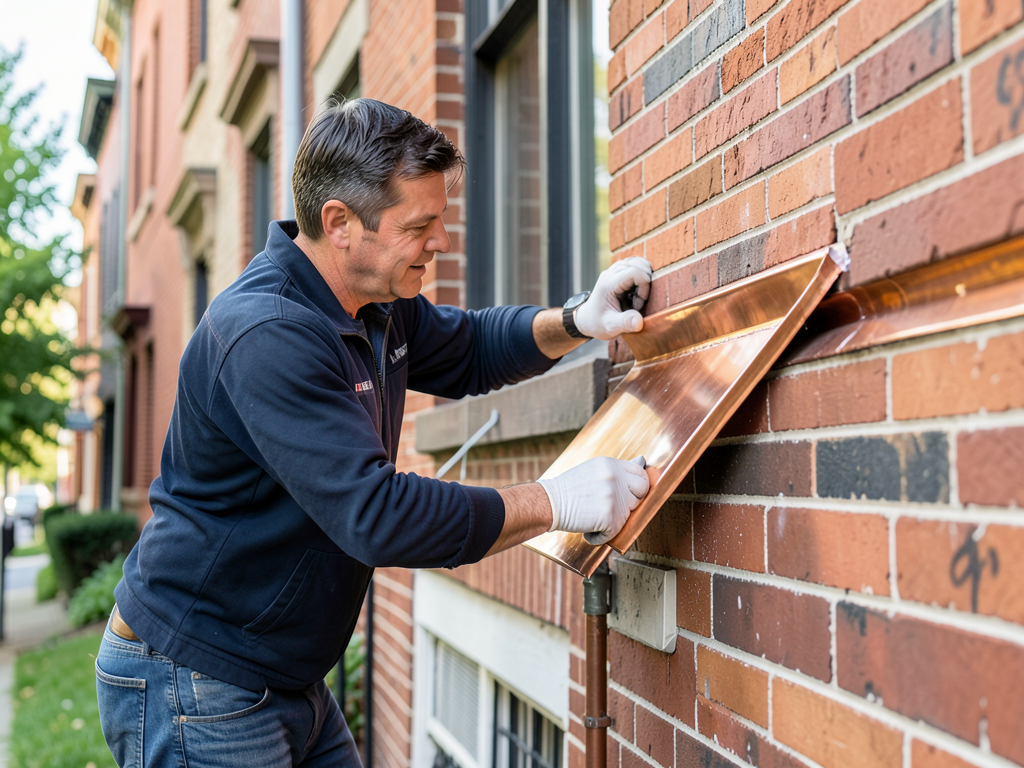
Why Failing Step Flashing Is the Number One Cause of Attic Leaks in Old City
Step flashing failures are the leading cause of attic leaks in Old City rowhomes. The narrow alleyways and dense construction create unique drainage challenges that most homeowners never see until water stains appear on their ceilings. When step flashing deteriorates, rainwater bypasses your roof’s primary defense and seeps directly into your attic space. Why More Homeowners in Manayunk Are Switching to Metal Roofing.
Old City’s historic brick rowhomes were built with step flashing designed to channel water away from vertical walls and chimneys. But Philadelphia’s freeze-thaw cycles and heavy summer thunderstorms stress these metal strips year after year. Once the sealant fails or the metal corrodes, water finds its way through the smallest gaps. Philadelphia Licenses and Inspections.
The problem compounds in Old City because many homes share party walls and have minimal roof overhangs. Water that gets past compromised flashing has nowhere to go but down into your living space. You might notice a musty smell in your attic or see water marks on your ceiling after the next big storm.. Read more about Why Your Old City Brick Chimney Might Be the Real Source of Your Roof Leak.
Professional inspection can catch these issues before they cause thousands in damage. Our technicians use moisture meters and thermal imaging to detect hidden water intrusion behind walls and under roofing materials. We document every finding with photos so you understand exactly what needs repair. EPA Green Homes Initiative.
Don’t wait for the next nor’easter to find out your flashing has failed. Call (267) 344-1222 today for a comprehensive roof inspection that could save your home from extensive water damage.. Read more about The Best Ways to Route Water Away from Shared Walls in Lower Moyamensing.
Common Warning Signs of Step Flashing Failure
Water damage from failing step flashing shows up in specific patterns that homeowners can learn to recognize. Ceiling stains near exterior walls often indicate flashing problems rather than roof deck issues. These stains typically appear as brown or yellow rings that grow larger after heavy rain.
Rust streaks running down your exterior brick walls signal deteriorating metal flashing. As the galvanized coating wears away, the steel underneath corrodes and creates orange-brown stains that follow the path of water flow. You might also notice cracked or missing mortar joints near roof lines where water has been seeping behind the flashing.
Interior warning signs include peeling paint or bubbling wallpaper near ceiling corners. When water penetrates through failed flashing, it travels along ceiling joists and wall studs before dripping down. This creates damage that seems to appear in random locations but actually follows the path of least resistance. How Much Does a Full Roof Replacement Actually Cost in Philadelphia Right Now.
Attic inspections reveal the most obvious evidence. Look for dark spots on rafters, wet insulation, or white mineral deposits on wood surfaces. These deposits form when water evaporates and leaves behind dissolved minerals from your brick mortar or roofing materials. The Best Local Roofing Companies for Luxury Homes on the Main Line.
During our inspections, we use a moisture meter to test suspicious areas. Readings above 20% moisture content indicate active water intrusion that requires immediate attention. We also check for soft spots in the roof deck by pressing firmly with our hands – any give suggests rot from prolonged moisture exposure.
Another diagnostic tool is the screwdriver test. We probe wood surfaces near suspected leak areas. Sound wood resists penetration, while rotted wood allows the screwdriver to sink in easily. This simple test helps us determine whether structural repairs are needed beyond just replacing the flashing.
Don’t ignore these warning signs. Small leaks become major problems when freeze-thaw cycles in Philadelphia cause water to expand and contract within your walls. Call (267) 344-1222 to schedule an inspection before minor damage becomes a major repair.
Types of Flashing We Repair in Old City Homes
Old City rowhomes require specialized flashing repair knowledge because of their unique construction. We handle step flashing, counter-flashing, valley flashing, and chimney flashing – each with specific installation requirements for Philadelphia’s climate and building codes.
Step flashing consists of individual L-shaped metal pieces that overlap like fish scales along roof-to-wall intersections. Each piece should extend at least 4 inches up the wall and 4 inches onto the roof deck. We use 26-gauge galvanized steel or copper depending on the home’s age and architectural requirements.
Counter-flashing provides the second layer of protection by covering the top edges of step flashing. In Old City, we often find counter-flashing embedded in mortar joints of brick walls. Over time, mortar deteriorates and creates gaps where water can enter. We replace damaged counter-flashing and seal all joints with polyurethane caulk.
Valley flashing handles water runoff where two roof planes meet. Philadelphia’s heavy rains can overwhelm poorly installed valley flashing. We install 24-inch wide valley flashing in a W-shape pattern to provide maximum water diversion. The metal should extend at least 12 inches on each side of the valley centerline.
Chimney flashing requires special attention because chimneys in Old City often predate modern building codes. We install a cricket – a small peaked structure – on the uphill side of chimneys wider than 30 inches. This cricket diverts water around the chimney rather than allowing it to pool behind the structure.
Vent pipe flashing prevents leaks around plumbing and exhaust vents. The rubber boot around these pipes deteriorates from UV exposure and temperature extremes. We replace failed boots with lifetime warranty products that maintain flexibility in Philadelphia’s temperature swings.
Drip edge flashing protects the roof edge and guides water into gutters. Without proper drip edge, water can wick back under shingles and rot the fascia board. We install drip edge with a minimum 3-inch overhang to ensure water drains completely away from the roof structure.
Every flashing repair we perform complies with Philadelphia Building Code Section R903.3, which requires corrosion-resistant materials and proper integration with underlayment systems. Our work includes ice and water shield installation in all valleys and around penetrations for added protection.
Ready to stop your attic leaks? Call (267) 344-1222 for professional flashing repair that meets all local code requirements.
Our Step-by-Step Flashing Repair Process
We follow a systematic approach to flashing repair that ensures lasting results. Our process begins with a comprehensive inspection to identify all sources of water intrusion, not just the obvious ones.
Step one involves removing damaged materials. We carefully lift shingles and siding to access the failing flashing without causing additional damage. In Old City rowhomes, we often encounter multiple layers of roofing materials from previous repairs. We remove all compromised layers down to the roof deck. Roofing Pittsburgh.
Step two focuses on deck preparation. We inspect the roof deck for rot or water damage. Any soft or discolored wood gets replaced with new plywood matching the existing thickness. We also check for proper ventilation – inadequate airflow contributes to moisture problems even with good flashing.
Step three installs new underlayment. We apply ice and water shield in all critical areas – valleys, eaves, and around all penetrations. This self-adhering membrane provides a secondary water barrier if the primary flashing fails. We overlap all seams by at least 6 inches and extend the shield 24 inches past the interior wall line.
Step four involves flashing installation. We cut each piece of step flashing to fit precisely, ensuring proper overlap with both the roof surface and the wall. Each piece gets nailed only on the roof side – nailing through the wall side creates leak points. We apply a bead of polyurethane sealant under each piece before securing it.
Step five addresses counter-flashing. We either embed new counter-flashing in fresh mortar or use surface-mounted flashing with proper sealant. The top edge of counter-flashing must extend at least 4 inches above the step flashing to prevent wind-driven rain from entering behind the system.
Step six includes valley flashing installation. We form the W-shaped profile in the shop to ensure consistent quality. The valley flashing gets nailed only at the edges, never in the center where water flows. We install a matrix of roofing cement under the valley to prevent shifting. Roofing Allentown.
Step seven involves final sealing and testing. We apply polyurethane caulk to all joints and transitions. Before completing the job, we perform a water test using a garden hose to simulate heavy rain. We check inside the attic for any signs of leakage and make adjustments as needed.
Step eight includes cleanup and documentation. We remove all debris, nails, and old materials from your property. We provide you with photos of the completed work and explain the warranty coverage for both materials and labor.
Our process typically takes one to three days depending on the extent of repairs needed. We work efficiently while maintaining the highest quality standards. Every repair includes a 10-year workmanship warranty for your peace of mind.
Don’t let water damage worsen. Call (267) 344-1222 to schedule your professional flashing inspection and repair.
Philadelphia Building Code Requirements for Flashing Repairs
Philadelphia’s building codes establish specific requirements for flashing repairs that protect both homeowners and contractors. Understanding these regulations helps you avoid costly mistakes and ensures your repair work meets legal standards.
Philadelphia Building Code Section R903.3 mandates that all flashing must be corrosion-resistant and compatible with adjacent materials. For Old City homes, this often means using copper flashing on historic properties to match existing materials and maintain architectural integrity.
Permit requirements vary by repair scope. Minor flashing repairs under 100 square feet typically don’t require permits, but any work affecting the roof structure or requiring deck replacement needs approval from the Department of Licenses and Inspections. We handle all permit applications and inspections as part of our service.
Ice and water shield requirements changed significantly in 2018. Current code requires self-adhering underlayment in all valleys, around all roof penetrations, and extending 24 inches past the interior wall line on all roof edges. This provides protection against ice damming, which is common in Philadelphia’s climate.
Flashing integration with siding and masonry follows specific guidelines. Step flashing must extend at least 4 inches up the wall surface and overlap adjacent pieces by at least 2 inches. Counter-flashing must cover the top edge of step flashing by at least 1 inch and be secured with appropriate fasteners.
Valley flashing requirements specify minimum widths and profiles. Philadelphia code requires 24-inch wide valley flashing with a W-shaped cross-section for residential roofs. The flashing must extend at least 12 inches on each side of the valley centerline to handle heavy rain runoff.
Chimney flashing has additional requirements for chimneys wider than 30 inches. A cricket – a small peaked structure – must be installed on the uphill side to divert water. The cricket must extend up the roof at least 12 inches beyond the chimney width and be covered with the same roofing material as the main roof.
Flashing around roof penetrations must accommodate thermal movement. Philadelphia’s temperature variations can cause metal to expand and contract by up to 1/4 inch. We use flexible boots and proper overlap techniques to prevent these movements from creating gaps.
Historical Commission guidelines apply to homes in designated historic districts. These guidelines often require specific materials and installation methods to preserve the building’s character. We work closely with the Historical Commission to ensure compliance while providing modern waterproofing performance.
Insurance requirements also influence flashing repair decisions. Many policies require documentation of code-compliant repairs to maintain coverage. Our detailed inspection reports and code compliance certificates help you satisfy insurance requirements and protect your investment.
Understanding these requirements helps you make informed decisions about your repair project. We provide clear explanations of all code requirements and why they matter for your specific situation.
Need code-compliant flashing repair? Call (267) 344-1222 for expert service that meets all Philadelphia requirements.
Cost Factors for Flashing Repair in the Delaware Valley
Flashing repair costs vary significantly based on several factors specific to Philadelphia and the surrounding Delaware Valley. Understanding these cost drivers helps you budget appropriately and avoid surprises.
Material costs represent a major factor. Copper flashing costs 3-4 times more than galvanized steel but lasts 50+ years versus 20-30 years for steel. For historic Old City homes, copper may be required by the Historical Commission, adding to your project cost but preserving property value.
Labor rates in Philadelphia average $75-95 per hour for experienced roofing contractors. This reflects the higher cost of living and the specialized skills required for historic home repairs. Simple step flashing replacement might take 4-6 hours, while complex chimney flashing repairs could require 2-3 days.
Roof accessibility affects labor costs significantly. Old City rowhomes often have limited alley access, requiring smaller equipment and more manual labor. Homes with steep roof pitches or multiple stories increase labor time and safety equipment needs, adding 20-30% to the base cost.
Damage extent drives the biggest cost variations. Minor flashing repairs might cost $500-800, while extensive water damage requiring deck replacement can exceed $5,000. We provide detailed estimates that break down materials, labor, and any necessary structural repairs.
Permit fees in Philadelphia range from $50-300 depending on the project scope. Structural repairs or work on historic properties may require additional review fees. We include all permit costs in our estimates and handle the application process for you.
Material disposal adds $100-300 to most projects. Old City’s narrow streets make debris removal more challenging, potentially increasing this cost. We use proper disposal methods and recycle materials when possible to minimize environmental impact.
Seasonal timing affects both availability and pricing. Peak season (late spring through early fall) sees higher demand and potentially longer wait times. Off-season repairs might offer modest discounts, but weather delays can extend project timelines.
Warranty options range from 5 to 25 years and affect upfront costs. Longer warranties cost more initially but provide better long-term protection. We offer various warranty levels to match your budget and risk tolerance.
Insurance coverage may offset some costs if the damage resulted from covered events like storms or fallen trees. We provide detailed documentation for insurance claims, including photos of damage and repair specifications.
Emergency repairs after storms or during active leaks cost 50-100% more due to overtime rates and expedited scheduling. However, addressing active leaks quickly prevents more extensive damage that would cost significantly more to repair.
Payment options include cash, check, credit card, and financing for larger projects. We offer flexible payment plans with competitive rates for qualified customers. All payments are due upon completion unless other arrangements are made in advance.
Getting multiple estimates helps you understand the market rate for your specific repair. However, the lowest bid isn’t always the best value. We provide detailed written estimates that explain exactly what’s included and why we recommend specific approaches.
Ready to get your flashing repair cost estimate? Call (267) 344-1222 for a free, no-obligation inspection and quote.
Emergency Flashing Repair vs. Total Roof Replacement
Deciding between emergency flashing repair and total roof replacement depends on several factors specific to your home’s condition and your long-term plans. This guide helps you make the right choice for your situation.
Age of your roof is the primary consideration. Asphalt shingle roofs typically last 20-25 years in Philadelphia’s climate. If your roof is approaching this age and has multiple failure points, replacement might be more cost-effective than ongoing repairs.
Extent of damage influences the decision significantly. Isolated flashing failures around one or two chimneys or valleys usually warrant repair. However, if you have widespread deterioration, multiple leak points, or extensive water damage, replacement becomes the better option.
Current roof condition matters. If your shingles are curling, cracking, or missing granules, the roof deck may already be compromised. In these cases, even perfect flashing won’t prevent future leaks because the primary water barrier has failed.
Energy efficiency considerations favor replacement for older homes. Modern roofing materials offer better insulation and ventilation, potentially reducing your heating and cooling costs. If you’re experiencing high energy bills along with leak problems, replacement provides both benefits.
Property plans affect the decision timeline. If you plan to sell within a few years, targeted repairs might suffice. However, if you’re staying long-term, investing in a complete replacement eliminates ongoing maintenance costs and provides peace of mind.
Cost comparison shows interesting patterns. Emergency flashing repair typically costs $500-2,000. Total roof replacement for an average Old City rowhome ranges from $8,000-15,000. While replacement costs more upfront, it eliminates future repair expenses for 20+ years.
Insurance considerations play a role. Some policies offer replacement cost coverage for roofs over 15 years old. If you have this coverage, replacement might cost less out-of-pocket than extensive repairs on an aging roof.
Historical preservation requirements may dictate your options. Homes in historic districts often require specific materials and installation methods that can only be achieved through complete replacement rather than patching existing roofing.
Environmental factors favor replacement when considering waste. Multiple repair cycles generate more waste than a single replacement. Modern roofing materials also offer better recyclability and energy efficiency.
Timing considerations matter for both options. Emergency repairs can typically be completed within 24-48 hours. Roof replacement requires 2-5 days depending on weather and project complexity. Planning during off-peak seasons can reduce wait times for both options.
Resale value impacts the decision. A new roof provides strong curb appeal and can be a selling point. Multiple repair records might concern potential buyers about ongoing maintenance issues.
Our inspection process helps you make the right choice. We assess your roof’s overall condition, document all issues, and provide honest recommendations based on your specific situation and goals.
Need help deciding between repair and replacement? Call (267) 344-1222 for a professional assessment and clear recommendations.
Frequently Asked Questions
How long does step flashing typically last in Philadelphia’s climate?
Step flashing in Philadelphia typically lasts 20-30 years for galvanized steel and 50+ years for copper. The freeze-thaw cycles and heavy rains common to our area can shorten this lifespan by 5-10 years if the flashing wasn’t properly installed or if your roof has poor ventilation.
Can I repair step flashing myself or should I hire a professional?
DIY flashing repair is risky because improper installation often causes more damage than the original problem. Professional installation ensures proper overlap, sealing, and integration with underlayment systems. Plus, professionals understand Philadelphia’s building codes and can identify hidden damage that DIY repairs might miss.
How much does step flashing repair cost in Old City?
Step flashing repair in Old City typically costs $500-2,000 depending on the extent of damage, accessibility, and materials used. Copper flashing for historic homes costs more but may be required by the Historical Commission. We provide detailed written estimates after inspecting your specific situation.
What causes step flashing to fail in the first place?
Step flashing fails due to several factors: corrosion from moisture exposure, sealant deterioration from UV radiation, thermal expansion and contraction, mortar joint deterioration in brick walls, and physical damage from wind or falling debris. Poor initial installation is also a common cause of premature failure.
How can I tell if my step flashing needs repair?
Signs of failing step flashing include water stains on ceilings near exterior walls, rust streaks on brick walls, peeling paint or wallpaper near ceiling corners, musty odors in your attic, and visible gaps or deterioration in the flashing itself. Professional inspection can identify problems before they cause interior damage.
Does homeowners insurance cover step flashing repair?
Insurance typically covers flashing repair if the damage resulted from a covered peril like storms, falling trees, or fire. However, normal wear and tear from age isn’t covered. We provide detailed documentation for insurance claims and can help you understand what your policy covers.
How long does step flashing repair take?
Most step flashing repairs take 1-2 days to complete. Simple repairs might be finished in a few hours, while complex jobs involving multiple chimneys or extensive water damage could take 3-5 days. We work efficiently while ensuring quality workmanship and proper cleanup.
What building codes apply to step flashing repair in Philadelphia?
Philadelphia Building Code Section R903.3 governs flashing requirements. The code mandates corrosion-resistant materials, proper integration with underlayment, minimum overlap dimensions, and specific installation methods. Historic district homes may have additional requirements from the Historical Commission regarding materials and appearance.
Should I replace my entire roof if I have flashing problems?
Not necessarily. If your roof is relatively new and the flashing is the only issue, targeted repairs make sense. However, if your roof is over 15 years old or has multiple problems beyond flashing, replacement might be more cost-effective long-term. We provide honest recommendations based on your specific situation.
Do you offer warranties on flashing repair work?
Yes, we offer warranties ranging from 5 to 25 years on our flashing repairs depending on the materials used and the scope of work. Copper flashing installations typically come with longer warranties. All our work includes a written warranty certificate explaining exactly what’s covered.
Protect Your Home from Water Damage Today
Don’t wait for the next storm to discover your step flashing has failed. Water damage spreads quickly and can compromise your home’s structural integrity, leading to costly repairs that far exceed the cost of preventive maintenance.
Our team understands the unique challenges of Old City rowhomes – from narrow alleyways that complicate equipment access to historic preservation requirements that dictate material choices. We bring 15+ years of local experience to every job, ensuring your repair meets both modern performance standards and historic district guidelines.
We use only premium materials and proven installation techniques that withstand Philadelphia’s harsh climate. Our work includes comprehensive warranties and detailed documentation for insurance purposes. Plus, we handle all permit requirements and coordinate with the Historical Commission when necessary.
Most importantly, we stand behind our work with a satisfaction guarantee. If you experience any issues related to our repair within the warranty period, we’ll make it right at no additional cost to you.
Ready to stop your attic leaks and protect your investment? Call (267) 344-1222 today to schedule your free inspection. Our friendly team will assess your situation, explain your options clearly, and provide a detailed written estimate with no pressure or hidden fees.
Don’t let water damage destroy your home’s value and your peace of mind. Pick up the phone and call (267) 344-1222 before the next storm hits. Your home deserves professional care from experts who understand Philadelphia’s unique roofing challenges.
{
“@context”: “https://schema.org”,
“@type”: “BlogPosting”,
“headline”: “Why Failing Step Flashing Is the Number One Cause of Attic Leaks in Old City”,
“description”: “Learn why step flashing failures cause attic leaks in Old City rowhomes. Find out the warning signs, repair options, and how to protect your home from water damage.”,
“wordCount”: 3717,
“datePublished”: “2026-04-09T15:08:00.000Z”,
“dateModified”: “2026-04-09T15:08:00.000Z”,
“inLanguage”: “en-US”,
“mainEntityOfPage”: {
“@type”: “WebPage”,
“@id”: “https://atlasroofingphiladelphia.com”
},
“publisher”: {
“@type”: “LocalBusiness”,
“name”: “Atlas Roofing Philadelphia”,
“url”: “https://atlasroofingphiladelphia.com”
},
“author”: {
“@type”: “Organization”,
“name”: “Atlas Roofing Philadelphia”,
“url”: “https://atlasroofingphiladelphia.com”
},
“image”: {
“@type”: “ImageObject”,
“url”: “https://atlasroofingphiladelphia.com/wp-content/uploads/2026/03/why-failing-step-flashing-is-the-number-one-cause-1.png”
}
}
{
“@context”: “https://schema.org”,
“@type”: “RoofingContractor”,
“name”: “Atlas Roofing Philadelphia”,
“url”: “https://atlasroofingphiladelphia.com”,
“address”: {
“@type”: “PostalAddress”,
“addressLocality”: “Philadelphia”
},
“areaServed”: {
“@type”: “City”,
“name”: “Philadelphia”
}
}
{
“@context”: “https://schema.org”,
“@type”: “FAQPage”,
“mainEntity”: [
{
“@type”: “Question”,
“name”: “How long does step flashing typically last in Philadelphia’s climate?”,
“acceptedAnswer”: {
“@type”: “Answer”,
“text”: “Step flashing in Philadelphia typically lasts 20-30 years for galvanized steel and 50+ years for copper. The freeze-thaw cycles and heavy rains common to our area can shorten this lifespan by 5-10 years if the flashing wasn’t properly installed or if your roof has poor ventilation.”
}
},
{
“@type”: “Question”,
“name”: “Can I repair step flashing myself or should I hire a professional?”,
“acceptedAnswer”: {
“@type”: “Answer”,
“text”: “DIY flashing repair is risky because improper installation often causes more damage than the original problem. Professional installation ensures proper overlap, sealing, and integration with underlayment systems. Plus, professionals understand Philadelphia’s building codes and can identify hidden damage that DIY repairs might miss.”
}
},
{
“@type”: “Question”,
“name”: “How much does step flashing repair cost in Old City?”,
“acceptedAnswer”: {
“@type”: “Answer”,
“text”: “Step flashing repair in Old City typically costs $500-2,000 depending on the extent of damage, accessibility, and materials used. Copper flashing for historic homes costs more but may be required by the Historical Commission. We provide detailed written estimates after inspecting your specific situation.”
}
},
{
“@type”: “Question”,
“name”: “What causes step flashing to fail in the first place?”,
“acceptedAnswer”: {
“@type”: “Answer”,
“text”: “Step flashing fails due to several factors: corrosion from moisture exposure, sealant deterioration from UV radiation, thermal expansion and contraction, mortar joint deterioration in brick walls, and physical damage from wind or falling debris. Poor initial installation is also a common cause of premature failure.”
}
},
{
“@type”: “Question”,
“name”: “How can I tell if my step flashing needs repair?”,
“acceptedAnswer”: {
“@type”: “Answer”,
“text”: “Signs of failing step flashing include water stains on ceilings near exterior walls, rust streaks on brick walls, peeling paint or wallpaper near ceiling corners, musty odors in your attic, and visible gaps or deterioration in the flashing itself. Professional inspection can identify problems before they cause interior damage.”
}
},
{
“@type”: “Question”,
“name”: “Does homeowners insurance cover step flashing repair?”,
“acceptedAnswer”: {
“@type”: “Answer”,
“text”: “Insurance typically covers flashing repair if the damage resulted from a covered peril like storms, falling trees, or fire. However, normal wear and tear from age isn’t covered. We provide detailed documentation for insurance claims and can help you understand what your policy covers.”
}
},
{
“@type”: “Question”,
“name”: “How long does step flashing repair take?”,
“acceptedAnswer”: {
“@type”: “Answer”,
“text”: “Most step flashing repairs take 1-2 days to complete. Simple repairs might be finished in a few hours, while complex jobs involving multiple chimneys or extensive water damage could take 3-5 days. We work efficiently while ensuring quality workmanship and proper cleanup.”
}
},
{
“@type”: “Question”,
“name”: “What building codes apply to step flashing repair in Philadelphia?”,
“acceptedAnswer”: {
“@type”: “Answer”,
“text”: “Philadelphia Building Code Section R903.3 governs flashing requirements. The code mandates corrosion-resistant materials, proper integration with underlayment, minimum overlap dimensions, and specific installation methods. Historic district homes may have additional requirements from the Historical Commission regarding materials and appearance.”
}
},
{
“@type”: “Question”,
“name”: “Should I replace my entire roof if I have flashing problems?”,
“acceptedAnswer”: {
“@type”: “Answer”,
“text”: “Not necessarily. If your roof is relatively new and the flashing is the only issue, targeted repairs make sense. However, if your roof is over 15 years old or has multiple problems beyond flashing, replacement might be more cost-effective long-term. We provide honest recommendations based on your specific situation.”
}
},
{
“@type”: “Question”,
“name”: “Do you offer warranties on flashing repair work?”,
“acceptedAnswer”: {
“@type”: “Answer”,
“text”: “Yes, we offer warranties ranging from 5 to 25 years on our flashing repairs depending on the materials used and the scope of work. Copper flashing installations typically come with longer warranties. All our work includes a written warranty certificate explaining exactly what’s covered.”
}
}
]
}
{
“@context”: “https://schema.org”,
“@type”: “BreadcrumbList”,
“itemListElement”: [
{
“@type”: “ListItem”,
“position”: 1,
“name”: “Home”,
“item”: “https://atlasroofingphiladelphia.com”
},
{
“@type”: “ListItem”,
“position”: 2,
“name”: “Blog”,
“item”: “https://atlasroofingphiladelphia.com/blog”
},
{
“@type”: “ListItem”,
“position”: 3,
“name”: “Why Failing Step Flashing Is the Number One Cause of Attic Leaks in Old City”
}
]
}
{
“@context”: “https://schema.org”,
“@type”: “Service”,
“serviceType”: “Roofing”,
“provider”: {
“@type”: “LocalBusiness”,
“name”: “Atlas Roofing Philadelphia”,
“url”: “https://atlasroofingphiladelphia.com”
},
“areaServed”: {
“@type”: “City”,
“name”: “Philadelphia”
},
“description”: “Learn why step flashing failures cause attic leaks in Old City rowhomes. Find out the warning signs, repair options, and how to protect your home from water damage.”
}