
Is Your Roof Strong Enough for Solar Panels? — What Every Point Breeze Homeowner Should Check
Philadelphia’s Point Breeze neighborhood is seeing a solar boom. With rising energy costs and generous Pennsylvania solar incentives many homeowners are rushing to install photovoltaic panels. But here’s the critical question most people forget to ask: Is your roof actually strong enough to support them? Philadelphia Building Code Chapter 11A.
Before you sign that solar contract you need to know if your roof can handle the extra weight. A typical residential solar array adds 2.5 to 4 pounds per square foot of dead load to your roof structure. That might not sound like much but for older Philadelphia rowhomes built in the early 1900s it can be the difference between a successful installation and a structural disaster.
Philadelphia’s Department of Licenses and Inspections requires a structural engineering assessment for any solar installation that adds more than 2.5 psf to a roof’s load. If your roof is over 15 years old or shows signs of sagging you’ll need a professional inspection before moving forward.
Call (267) 344-1222 today to schedule your roof assessment before you commit to solar panels.
The Golden Rule: Why Roof Age Matters Most
The number one mistake Point Breeze homeowners make is installing solar panels on a roof that’s near the end of its lifespan. Most asphalt shingle roofs last 20 to 25 years in Philadelphia’s climate. If your roof is already 15 years old you’re gambling with thousands of dollars. Why More Homeowners in Manayunk Are Switching to Metal Roofing.
Here’s why this matters: if you install solar panels on a roof that needs replacement within the next five years you’ll face a costly removal and reinstallation process. Solar companies typically charge $2,000 to $4,000 to remove and reinstall a system when the roof underneath needs work. That’s money you could have saved by replacing the roof first. How Much Does a Full Roof Replacement Actually Cost in Philadelphia Right Now.
The 10-year rule is simple: if your roof has less than 10 years of expected life remaining replace it before installing solar panels. This protects your investment and ensures your solar system has a solid foundation for its 25 to 30-year lifespan.
Philadelphia’s humid summers and freeze-thaw winters accelerate roof aging. The constant expansion and contraction of roofing materials in our climate means roofs here often age faster than national averages. A 15-year-old roof in Point Breeze might have the structural integrity of an 18-year-old roof in a drier climate. The Best Local Roofing Companies for Luxury Homes on the Main Line.
Structural Readiness: Can Your Roof Handle the Load?
Philadelphia’s building code requires roofs to support specific live and dead loads. For residential structures in our area the minimum design load is 20 pounds per square foot for dead load plus 20 pounds per square foot for live load totaling 40 psf. But solar panels add to the dead load and you need to account for snow accumulation.
A standard 6-kilowatt solar system with 20 panels weighs approximately 800 to 1,200 pounds total. Spread across your roof that’s 2.5 to 4 psf of additional dead load. In Point Breeze where many homes have original 1920s framing this extra weight can stress rafters and joists that weren’t designed for modern loads.
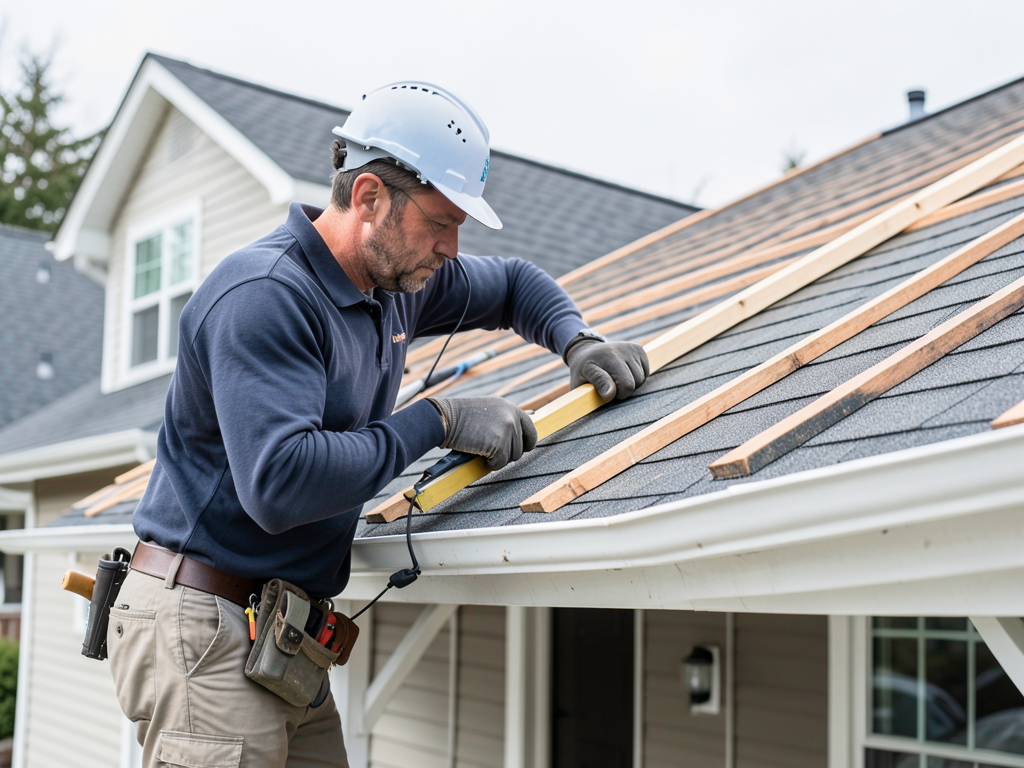
The diagnostic test we perform involves checking for deflection in roof rafters. Using a straight edge and level we measure any sag in the framing members. More than 1/4 inch of deflection over a 4-foot span indicates structural weakness that needs addressing before solar installation.
Philadelphia’s snow load requirements add another layer of complexity. Our area requires roofs to handle 30 pounds per square foot of snow load. When you add solar panels they create snow dams that can increase localized snow accumulation by 50% or more. This means your roof needs to handle up to 45 psf in certain areas during winter storms.
Call (267) 344-1222 to have your roof’s structural integrity professionally evaluated for solar readiness.
Material Specifics: Asphalt Shingles vs. Flat Roofs (Philly Row Homes)
Point Breeze is famous for its classic Philadelphia rowhomes most of which feature flat or low-slope roofs. These architectural gems present unique challenges for solar installation that differ significantly from traditional pitched roofs.
Asphalt shingle roofs dominate the pitched sections of older rowhomes in Point Breeze. These roofs typically use 3-tab or architectural shingles over wood decking. For solar readiness we check the shingle condition using the flexibility test. If you can bend a shingle and it cracks or breaks it’s too brittle for solar mounting.
Flat roofs in Point Breeze are usually built-up tar and gravel or modified bitumen systems. These require specialized mounting hardware that doesn’t penetrate the roof membrane. Ballasted systems use concrete blocks to hold panels in place adding 4 to 6 psf of load. Penetrating mounts require careful flashing to prevent leaks.
The age of flat roof membranes is critical. Modified bitumen typically lasts 20 years while built-up tar roofs can last 25 to 30 years with proper maintenance. If your flat roof is over 15 years old replacement before solar installation is usually the safest bet.
Philadelphia’s building code Section 1507.2.1 specifically addresses solar mounting on low-slope roofs. It requires that all penetrations be sealed with materials compatible with the existing roofing system and that any additional dead load be accounted for in the structural design. Roofing Pittsburgh.
South-facing exposure is ideal for solar panels but Point Breeze’s urban grid means many homes have limited sun exposure due to neighboring buildings. We use solar path analysis to determine if your specific location gets enough direct sunlight. Even partial shading from a three-story neighbor can reduce solar efficiency by 30% or more. How to Stop Your South Philly Rowhome Roof from Leaking Every Time it Rains.
The 5-Point Solar Readiness Checklist
Before you commit to solar panels run through this checklist to determine if your Point Breeze roof is ready:
- Age Verification
Determine your roof’s installation date. If unknown check permits or have a professional inspect the shingles for wear patterns. Roofs over 15 years old need careful evaluation.
- Structural Assessment
Check for sagging cracking plaster ceilings or doors that stick. These indicate structural movement. A professional should measure rafter deflection and calculate load capacity.
- Material Integrity
Perform the flexibility test on multiple shingles. Check flat roof membranes for blisters cracks or pooling water. Look for missing or damaged flashing around chimneys and vents.
- Ventilation Clearance
Solar panels need 6 inches of clearance from roof edges and 18 inches from ridge vents. Measure your roof’s dimensions to ensure adequate space for the array size you’re considering.
- Electrical Capacity
Most Point Breeze homes have 100 or 200 amp service. A solar installation requires adequate electrical panel capacity. You may need a panel upgrade which adds $1,500 to $3,000 to your project cost.
Each of these factors affects your solar installation timeline and cost. Missing one could mean delays unexpected expenses or worse a failed inspection from Philadelphia L I.
The electrical capacity issue is particularly common in older Point Breeze homes. Many were built with 60-amp service and upgraded to 100 amps decades ago. Modern solar inverters often require 200-amp service meaning a panel upgrade is necessary before installation.
Philadelphia’s electrical code requires all solar installations to include rapid shutdown capability. This safety feature allows first responders to quickly de-energize your solar system in emergencies. It’s an additional cost factor that many homeowners don’t anticipate.
Local Regulations and Permits in Philadelphia
Philadelphia’s solar permitting process is more complex than many homeowners realize. The Department of Licenses and Inspections requires multiple permits and inspections for solar installations and they’re particularly strict about structural compliance.
For residential solar in Point Breeze you’ll need a building permit an electrical permit and potentially a zoning permit if your home is in a historic district. The process typically takes 2 to 4 weeks and costs $500 to $1,500 in permit fees alone.
Philadelphia’s building code Chapter 11A specifically addresses solar energy systems. It requires that all solar installations meet structural fire and electrical safety standards. For roofs this means providing engineering calculations that prove your structure can handle the additional load.
Historic preservation is a major consideration in Point Breeze. Many homes fall within historic districts where exterior modifications require approval from the Philadelphia Historical Commission. Solar panel placement mounting hardware color and even wiring routes must be approved to maintain the neighborhood’s architectural character.
The city’s stormwater management regulations also affect solar installations. Philadelphia requires that all new roof areas be accounted for in stormwater calculations. This means your solar contractor needs to work with a civil engineer to ensure your installation doesn’t increase runoff onto neighboring properties.
Pennsylvania’s net metering laws allow you to sell excess solar power back to the grid but PECO (Philadelphia’s electric utility) has specific requirements for solar interconnections. Your system must include a bi-directional meter and meet PECO’s technical standards for grid connection.
Pennsylvania offers solar renewable energy credits (SRECs) that can significantly reduce your solar installation cost. One SREC represents one megawatt-hour of solar electricity production and currently sells for $30 to $40 in our state. Over a 15-year period SRECs can provide $3,000 to $5,000 in additional revenue.
Cost-Benefit Analysis: Replace Roof Now or Later?
The financial decision between replacing your roof now versus removing and reinstalling solar panels later is straightforward when you run the numbers. Here’s the typical cost breakdown for a Point Breeze home:
| Scenario | Upfront Cost | 5-Year Cost | 10-Year Cost |
|---|---|---|---|
| Replace Roof + Solar | $25,000 – $35,000 | $25,000 – $35,000 | $25,000 – $35,000 |
| Solar Now + Roof Later | $18,000 – $25,000 | $20,000 – $29,000 | $23,000 – $34,000 |
Replacing your roof before solar installation costs more upfront but saves money long-term. The removal and reinstallation costs increase over time due to labor rate increases and potential system upgrades.
Energy efficiency should factor into your decision. Modern roofing materials like cool roof coatings or reflective shingles can reduce your cooling costs by 10% to 15%. When combined with solar panels these savings compound potentially reducing your ROI timeline by 1 to 2 years.
Philadelphia’s climate affects roofing material selection. Our hot humid summers and cold winters require materials that can handle thermal expansion and contraction. Architectural shingles rated for high wind resistance (120 mph) are worth the extra cost in Point Breeze where summer thunderstorms can produce 60+ mph gusts.
Insurance considerations matter too. Some insurance companies offer premium discounts for homes with both new roofs and solar installations. Others may charge more if they consider the solar panels a risk factor. Check with your insurer before making decisions.
Finding the Right Contractor: Dual-Certified Expertise
Most solar companies don’t have roofing expertise and most roofers don’t understand solar technology. This knowledge gap is why so many solar installations on compromised roofs fail within the first five years.
Look for contractors who hold both roofing and solar installation certifications. In Pennsylvania this means GAF Master Elite certification for roofing plus NABCEP certification for solar installation. These dual credentials ensure your contractor understands both the roofing and solar aspects of your project. NABCEP Certification.
Ask potential contractors these specific questions: How many solar-ready roof replacements have you completed in Point Breeze? Can you provide references from both roofing and solar customers? What structural engineer do you work with for load calculations?
The warranty situation gets complicated with solar installations. Most roofing manufacturers void warranties if solar panels are installed without their approval. GAF for example requires that solar mounting hardware be approved by their engineering department and that specific installation procedures be followed.
Philadelphia’s labor market affects contractor availability. The best dual-certified contractors often have 2 to 3 month wait times during peak season (March through October). Planning your project during winter months can save you money and ensure you get the contractor you want.
Insurance is another critical factor. Your roofing contractor should carry at least $1 million in liability insurance and your solar contractor should have similar coverage. Ask for certificates of insurance and verify they’re current.
Communication is key. Your contractor should provide a detailed project timeline explain each step of the process and be available to answer questions throughout the installation. If they seem rushed or can’t explain technical concepts clearly find someone else.
Making Your Decision: The Bottom Line
Solar panels can reduce your electricity bills by 50% to 80% and increase your home’s value by $15,000 to $20,000. But these benefits only materialize if your roof is structurally sound and properly prepared for the installation.
The decision tree is simple: if your roof is over 15 years old or shows any signs of damage replacement before solar installation is usually the most cost-effective choice. If your roof is under 10 years old and in good condition you can likely proceed with solar installation directly.
Don’t let the fear of upfront costs prevent you from making the right long-term decision. The $5,000 to $8,000 difference between replacing your roof now versus dealing with removal and reinstallation later is minimal compared to the 25-year benefits of a properly installed solar system.. Read more about The Right Way to Remove Heavy Snow from Your South Philly Rowhome Roof.
Philadelphia’s climate building codes and housing stock create unique challenges for solar installations. What works in suburban developments doesn’t always translate to Point Breeze’s historic rowhomes. Working with a contractor who understands these local nuances is essential for a successful project.
The best time to evaluate your roof’s solar readiness is before you start shopping for solar panels. A professional inspection can identify potential issues early allowing you to plan accordingly and avoid costly surprises during installation.
Call (267) 344-1222 today to schedule your comprehensive roof assessment. Our team understands the unique challenges of Point Breeze homes and can help you make the right decision for your solar future.
Frequently Asked Questions
How much weight do solar panels add to my roof?
Solar panels typically add 2.5 to 4 pounds per square foot of dead load to your roof. A standard residential system weighs 800 to 1,200 pounds total.
Can I install solar panels on a 20-year-old roof?
You can but it’s risky. If your roof fails within the next 10 years you’ll pay $2,000 to $4,000 to remove and reinstall the solar system. Most experts recommend replacing roofs over 15 years old before solar installation.
Do I need a permit for solar panels in Philadelphia?
Yes. Philadelphia requires building electrical and potentially zoning permits for solar installations. The process takes 2 to 4 weeks and costs $500 to $1,500 in permit fees.
How long does a solar installation take?
After permits are approved installation typically takes 1 to 3 days for the actual panel mounting. The entire process from contract signing to power generation usually takes 6 to 12 weeks.
Will solar panels void my roof warranty?
They can if not installed properly. Most roofing manufacturers require specific mounting procedures and hardware approval. Work with a contractor who understands warranty preservation requirements.
What if my roof needs repairs after solar installation?
Minor repairs under panels are possible but costly. Major repairs require system removal which can cost $2,000 to $4,000. This is why roof condition before installation is so important.
You may also find this helpful. Taking Advantage of Federal Tax Credits for Energy Efficient Roofing in Philadelphia.
{
“@context”: “https://schema.org”,
“@type”: “BlogPosting”,
“headline”: “Is Your Roof Strong Enough for Solar Panels? — What Every Point Breeze Homeowner Should Check”,
“description”: “Philadelphia homeowners need roof inspections before solar installation. Learn if your Point Breeze roof can handle solar panel weight and costs.”,
“wordCount”: 2541,
“datePublished”: “2026-03-19T10:37:00.000Z”,
“dateModified”: “2026-03-19T10:37:00.000Z”,
“inLanguage”: “en-US”,
“mainEntityOfPage”: {
“@type”: “WebPage”,
“@id”: “https://atlasroofingphiladelphia.com”
},
“publisher”: {
“@type”: “LocalBusiness”,
“name”: “Atlas Roofing Philadelphia”,
“url”: “https://atlasroofingphiladelphia.com”
},
“author”: {
“@type”: “Organization”,
“name”: “Atlas Roofing Philadelphia”,
“url”: “https://atlasroofingphiladelphia.com”
},
“image”: {
“@type”: “ImageObject”,
“url”: “https://atlasroofingphiladelphia.com/wp-content/uploads/2026/03/is-your-roof-strong-enough-for-solar-panels-what-e-1.png”
}
}
{
“@context”: “https://schema.org”,
“@type”: “RoofingContractor”,
“name”: “Atlas Roofing Philadelphia”,
“url”: “https://atlasroofingphiladelphia.com”,
“address”: {
“@type”: “PostalAddress”,
“addressLocality”: “Philadelphia”
},
“areaServed”: {
“@type”: “City”,
“name”: “Philadelphia”
}
}
{
“@context”: “https://schema.org”,
“@type”: “FAQPage”,
“mainEntity”: [
{
“@type”: “Question”,
“name”: “Structural Readiness: Can Your Roof Handle the Load?”,
“acceptedAnswer”: {
“@type”: “Answer”,
“text”: “Philadelphia’s building code requires roofs to support specific live and dead loads. For residential structures in our area the minimum design load is 20 pounds per square foot for dead load plus 20 pounds per square foot for live load totaling 40 psf. But solar panels add to the dead load and you need to account for snow accumulation.”
}
},
{
“@type”: “Question”,
“name”: “Cost-Benefit Analysis: Replace Roof Now or Later?”,
“acceptedAnswer”: {
“@type”: “Answer”,
“text”: “The financial decision between replacing your roof now versus removing and reinstalling solar panels later is straightforward when you run the numbers. Here’s the typical cost breakdown for a Point Breeze home:”
}
},
{
“@type”: “Question”,
“name”: “How much weight do solar panels add to my roof?”,
“acceptedAnswer”: {
“@type”: “Answer”,
“text”: “Solar panels typically add 2.5 to 4 pounds per square foot of dead load to your roof. A standard residential system weighs 800 to 1,200 pounds total.”
}
},
{
“@type”: “Question”,
“name”: “Can I install solar panels on a 20-year-old roof?”,
“acceptedAnswer”: {
“@type”: “Answer”,
“text”: “You can but it’s risky. If your roof fails within the next 10 years you’ll pay $2,000 to $4,000 to remove and reinstall the solar system. Most experts recommend replacing roofs over 15 years old before solar installation.”
}
},
{
“@type”: “Question”,
“name”: “Do I need a permit for solar panels in Philadelphia?”,
“acceptedAnswer”: {
“@type”: “Answer”,
“text”: “Yes. Philadelphia requires building electrical and potentially zoning permits for solar installations. The process takes 2 to 4 weeks and costs $500 to $1,500 in permit fees.”
}
},
{
“@type”: “Question”,
“name”: “How long does a solar installation take?”,
“acceptedAnswer”: {
“@type”: “Answer”,
“text”: “After permits are approved installation typically takes 1 to 3 days for the actual panel mounting. The entire process from contract signing to power generation usually takes 6 to 12 weeks.”
}
},
{
“@type”: “Question”,
“name”: “Will solar panels void my roof warranty?”,
“acceptedAnswer”: {
“@type”: “Answer”,
“text”: “They can if not installed properly. Most roofing manufacturers require specific mounting procedures and hardware approval. Work with a contractor who understands warranty preservation requirements.”
}
},
{
“@type”: “Question”,
“name”: “What if my roof needs repairs after solar installation?”,
“acceptedAnswer”: {
“@type”: “Answer”,
“text”: “Minor repairs under panels are possible but costly. Major repairs require system removal which can cost $2,000 to $4,000. This is why roof condition before installation is so important.”
}
}
]
}
{
“@context”: “https://schema.org”,
“@type”: “HowTo”,
“name”: “Solar Roof Readiness Checklist”,
“step”: [
{
“@type”: “HowToStep”,
“position”: 1,
“name”: “Age Verification”,
“text”: “Determine your roof’s installation date. If unknown check permits or have a professional inspect the shingles for wear patterns. Roofs over 15 years old need careful evaluation.”
},
{
“@type”: “HowToStep”,
“position”: 2,
“name”: “Structural Assessment”,
“text”: “Check for sagging cracking plaster ceilings or doors that stick. These indicate structural movement. A professional should measure rafter deflection and calculate load capacity.”
},
{
“@type”: “HowToStep”,
“position”: 3,
“name”: “Material Integrity”,
“text”: “Perform the flexibility test on multiple shingles. Check flat roof membranes for blisters cracks or pooling water. Look for missing or damaged flashing around chimneys and vents.”
},
{
“@type”: “HowToStep”,
“position”: 4,
“name”: “Ventilation Clearance”,
“text”: “Solar panels need 6 inches of clearance from roof edges and 18 inches from ridge vents. Measure your roof’s dimensions to ensure adequate space for the array size you’re considering.”
},
{
“@type”: “HowToStep”,
“position”: 5,
“name”: “Electrical Capacity”,
“text”: “Most Point Breeze homes have 100 or 200 amp service. A solar installation requires adequate electrical panel capacity. You may need a panel upgrade which adds $1,500 to $3,000 to your project cost.”
}
],
“image”: “https://atlasroofingphiladelphia.com/wp-content/uploads/2026/03/is-your-roof-strong-enough-for-solar-panels-what-e-1.png”
}
{
“@context”: “https://schema.org”,
“@type”: “BreadcrumbList”,
“itemListElement”: [
{
“@type”: “ListItem”,
“position”: 1,
“name”: “Home”,
“item”: “https://atlasroofingphiladelphia.com”
},
{
“@type”: “ListItem”,
“position”: 2,
“name”: “Blog”,
“item”: “https://atlasroofingphiladelphia.com/blog”
},
{
“@type”: “ListItem”,
“position”: 3,
“name”: “Is Your Roof Strong Enough for Solar Panels? — What Every Point Breeze Homeowner Should Check”
}
]
}
{
“@context”: “https://schema.org”,
“@type”: “Service”,
“serviceType”: “Roofing”,
“provider”: {
“@type”: “LocalBusiness”,
“name”: “Atlas Roofing Philadelphia”,
“url”: “https://atlasroofingphiladelphia.com”
},
“areaServed”: {
“@type”: “City”,
“name”: “Philadelphia”
},
“description”: “Philadelphia homeowners need roof inspections before solar installation. Learn if your Point Breeze roof can handle solar panel weight and costs.”
}