





menu

Spray Foam Roofing in Philadelphia – Minimize Downtime and Protect Business Operations

Atlas Roofing Philadelphia delivers commercial spray foam roofing that keeps your facility operational during installation, meets strict building codes, and provides long-term thermal efficiency for warehouses, industrial complexes, and multi-tenant properties across the metro.

Slider Image 1
Slider Image 2
Slider Image 3
Slider Image 4
Slider Image 5
Slider Image 7
Slider Image 8
Slider Image 9
Slider Image 10
Slider Image 11

Why Philadelphia Commercial Buildings Need SPF Roofing Systems

Philadelphia's freeze-thaw cycles destroy conventional commercial roofing faster than most property managers anticipate. When winter temperatures fluctuate between 15°F and 45°F in a single week, membrane systems crack, seams separate, and water infiltrates insulation layers. Add the region's 42 inches of annual precipitation and you face a recurring cycle of ponding water, membrane failure, and interior damage that disrupts operations.

Most commercial flat roofs in Philadelphia were built between 1970 and 1995 using built-up roofing or single-ply membranes that cannot handle the thermal stress. The result is predictable. Membrane splits appear along parapet walls. Flashing pulls away from HVAC curbs. Water migrates through insulation layers and damages inventory, production equipment, or tenant improvements.

Spray polyurethane foam roofing eliminates these failure points. An SPF roof system creates a monolithic, seamless barrier that bonds directly to existing substrate. It expands to fill gaps around penetrations, creates positive drainage to eliminate ponding, and provides an R-value of 6.5 per inch. This matters in Philadelphia, where energy costs for large commercial buildings can exceed $8 per square foot annually.

Commercial spray foam roofing also accommodates the irregular roof profiles common in Philadelphia's industrial districts. Warehouses in Kensington, manufacturing facilities in Bridesburg, and distribution centers near the Navy Yard often feature multiple roof levels, skylight arrays, and dense mechanical equipment clusters. Polyurethane foam roofing conforms to these complex geometries without creating seams or weak points that compromise waterproofing integrity.

For building owners evaluating roof replacement, the decision comes down to liability. A leaking roof is a business continuity failure that affects tenant retention, insurance premiums, and property valuation.

Why Philadelphia Commercial Buildings Need SPF Roofing Systems
How Atlas Roofing Philadelphia Installs Commercial SPF Systems

How Atlas Roofing Philadelphia Installs Commercial SPF Systems

We approach every commercial spray foam roofing project as a risk mitigation exercise. The goal is not just waterproofing. The goal is to extend roof service life, improve thermal performance, and eliminate the recurring maintenance costs that drain operating budgets.

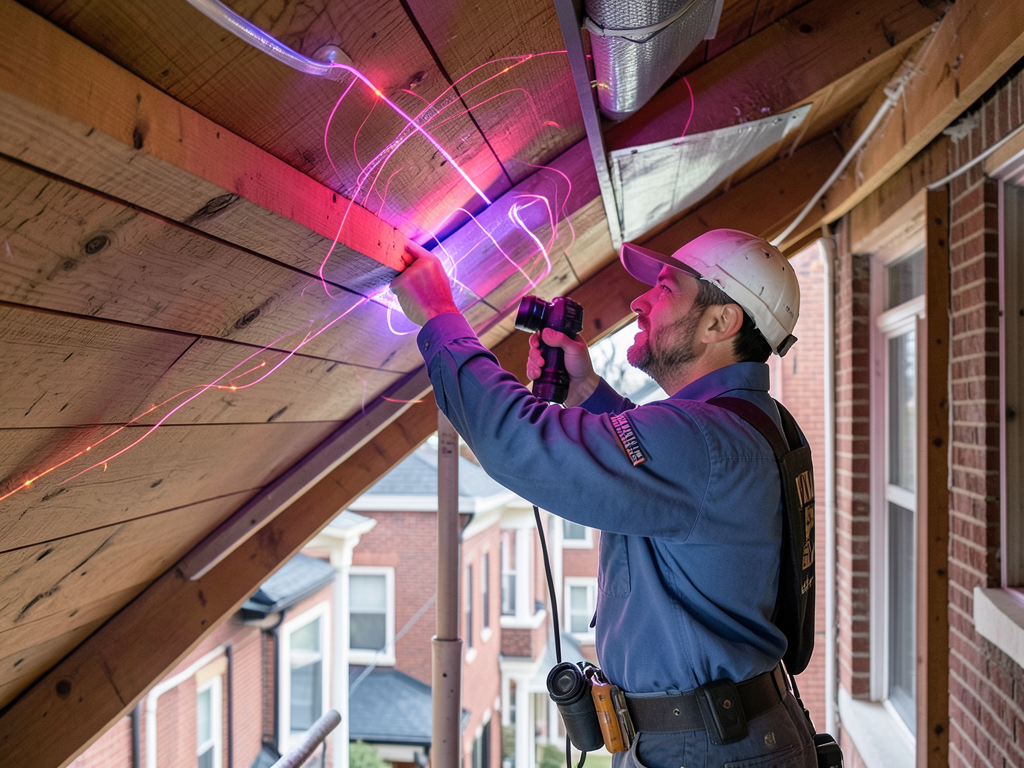
Our process begins with a comprehensive roof assessment that identifies substrate condition, moisture intrusion, and structural loading capacity. We use infrared thermography to map wet insulation areas that would compromise foam adhesion. We evaluate existing drainage patterns to determine where tapered foam layers are needed to eliminate ponding. We verify that parapet heights, roof access hatches, and HVAC equipment clearances meet current building codes.

Substrate preparation is critical. We remove loose gravel, clean oil residue from mechanical areas, and repair damaged decking. Any wet insulation gets removed and replaced. We prime the substrate to ensure proper foam adhesion, particularly on aged modified bitumen or EPDM surfaces.

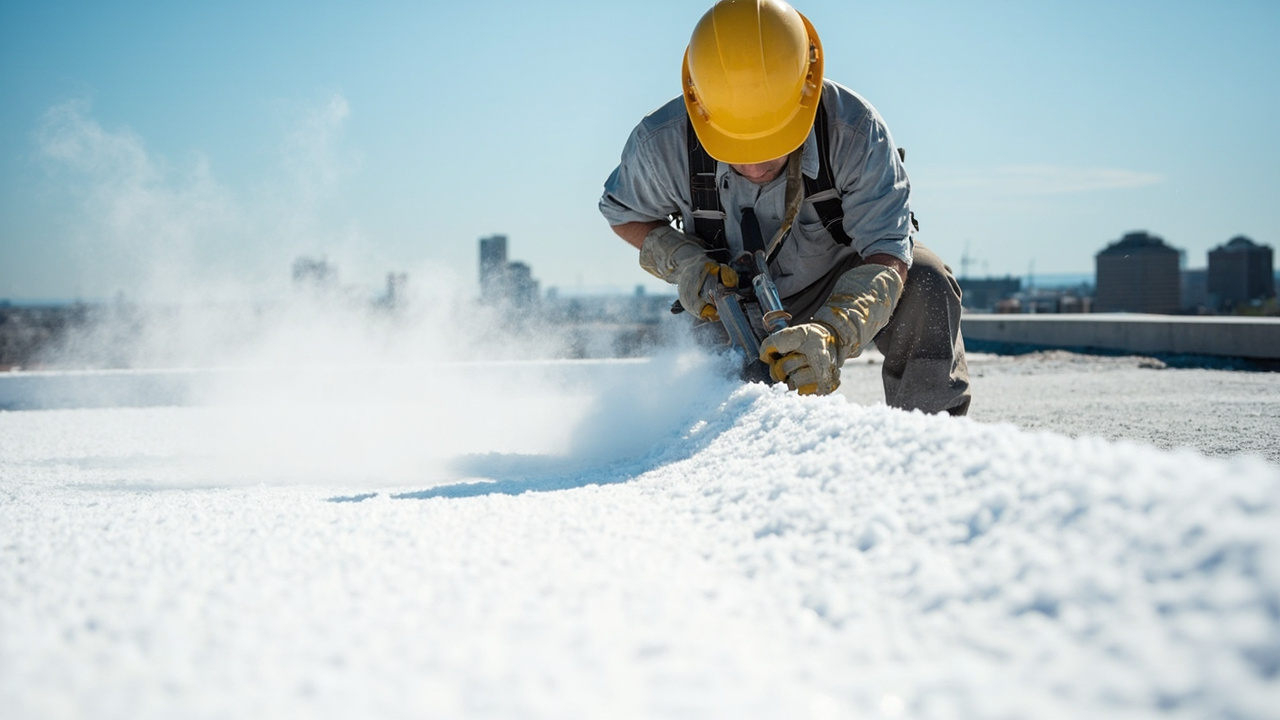
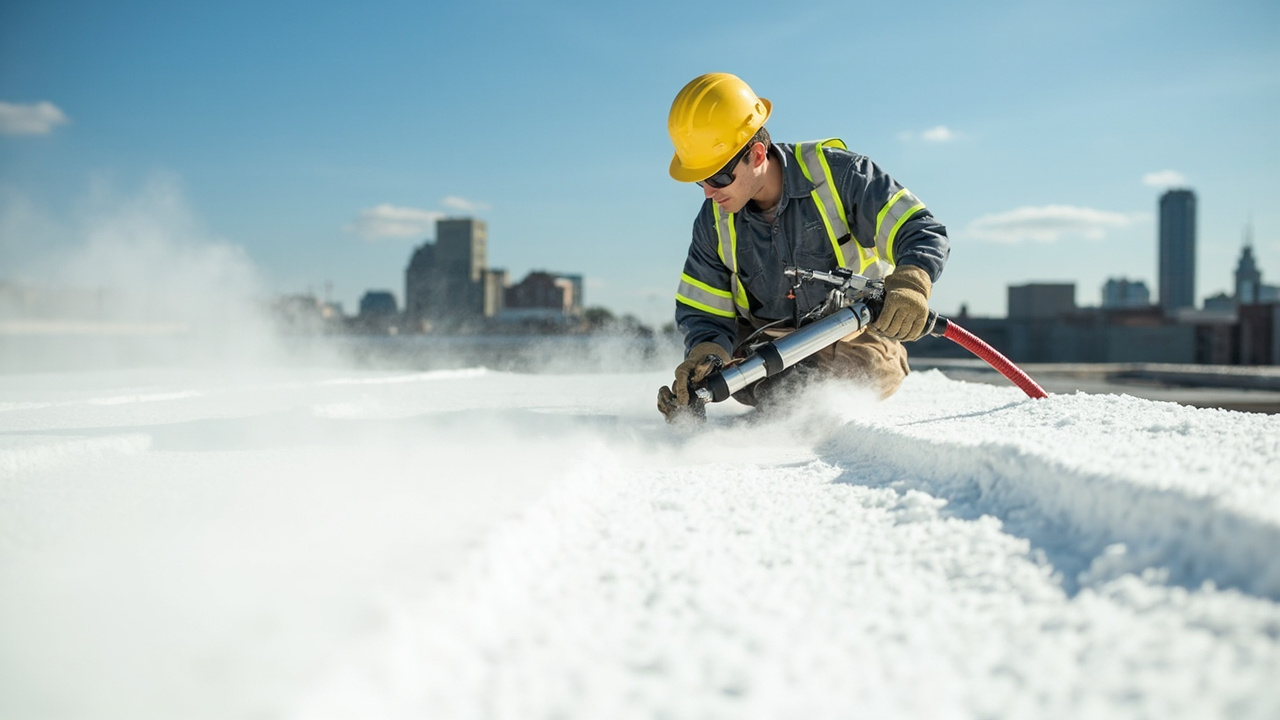
The SPF application itself happens in controlled passes. We spray polyurethane foam in lifts, building up thickness gradually to achieve the specified R-value and slope. Each pass cross-links with the previous layer, creating a monolithic barrier. We taper foam around drains and scuppers to ensure positive water flow. We build up extra thickness around roof penetrations to create watertight seals.

After the foam cures, we apply a protective elastomeric coating. This topcoat provides UV resistance and reflectivity. In Philadelphia's climate, a white reflective coating reduces cooling loads by 20 to 30 percent during summer months. The coating also protects the foam from physical damage during routine maintenance access.

We complete every installation with a detailed inspection, verifying mil thickness on the coating, checking seam integrity around flashing details, and confirming that all penetrations are properly sealed. The final deliverable is a roof system engineered for 20-plus years of service life.

What Happens During Your Commercial SPF Roof Installation

Spray Foam Roofing in Philadelphia – Minimize Downtime and Protect Business Operations
01

Pre-Construction Site Assessment

We conduct a full roof survey using infrared scanning to locate wet insulation and identify structural deficiencies. Our team evaluates drainage patterns, measures parapet heights, and documents all roof penetrations. You receive a detailed scope of work that includes substrate repairs, foam thickness specifications, and a phased installation schedule designed to keep your operations running. We coordinate with your facility manager to establish material staging areas and restrict access zones.
02

Controlled Foam Application

Our certified applicators spray polyurethane foam in multiple passes, building thickness to achieve specified R-values and positive drainage slopes. We work in sections to minimize disruption and allow continued building access. The foam cures within minutes, allowing us to apply protective coatings the same day. We monitor ambient temperature and humidity throughout the process to ensure proper chemical reaction and adhesion. All HVAC equipment remains operational during installation, and we coordinate around delivery schedules or production shifts.
03

Final Coating and Inspection

After foam application, we apply a high-reflectivity elastomeric coating that provides UV protection and weatherproofing. Our quality control process includes mil thickness testing on coating layers, visual inspection of all flashing details, and verification of positive drainage to all roof drains. You receive documentation that includes thermal imaging reports, material certifications, and a maintenance plan. We walk the roof with your facilities team to explain access routes, identify areas requiring periodic inspection, and establish a long-term care protocol.

Why Philadelphia Building Owners Choose Atlas Roofing for SPF Systems

Commercial roofing in Philadelphia requires knowledge of local building codes, familiarity with the region's architectural styles, and the capacity to work on occupied facilities without disrupting operations. Atlas Roofing Philadelphia brings that expertise to every project.

We understand Philadelphia's regulatory environment. The city enforces strict fire safety codes for commercial buildings, particularly in Center City and University City districts. SPF roofing systems must meet Class A fire ratings and comply with building height restrictions. We navigate these requirements as part of our standard process, securing permits and coordinating inspections to keep projects on schedule.

Our experience with Philadelphia's commercial building stock gives us an edge. We have installed spray foam roofing on 1920s-era warehouses in Fishtown, mid-century office buildings along Market Street, and modern distribution centers in the Navy Yard. Each building type presents unique challenges. Historic structures often have irregular roof profiles and limited structural capacity for additional dead loads. Modern buildings feature complex HVAC systems and rooftop equipment that require careful planning during installation. We adapt our approach based on building age, use type, and structural condition.

We also understand the business side of commercial roofing. Facility managers need predictable timelines, transparent pricing, and minimal disruption to tenants or operations. We provide detailed project schedules that account for weather delays and coordinate installation around your business hours. Our crews arrive on time, work efficiently, and maintain clean job sites. We communicate proactively when site conditions require scope adjustments or additional repairs.

The result is a roofing partner that reduces your risk. You get a watertight roof, improved energy performance, and a long-term asset that protects your building value. You avoid the recurring leak repairs, emergency tarping, and tenant complaints that come with failing membrane systems.

What to Expect from Your Commercial Spray Foam Roofing Project

Project Timeline and Scheduling

Most commercial SPF roof installations in Philadelphia take three to ten days, depending on building size and complexity. We schedule work around your operations, working nights or weekends if needed to avoid disrupting tenants or production schedules. Weather plays a role. We cannot spray foam in rain, high humidity, or temperatures below 50°F. We monitor forecasts closely and adjust schedules proactively to avoid delays. You receive a detailed timeline before work begins, with daily updates during installation. Our goal is predictable progress that keeps your project on budget and your building operational.

Initial Roof Assessment Process

Our assessment starts with a visual inspection of the existing roof membrane, flashing details, and drainage system. We use infrared thermography to detect wet insulation areas that would compromise foam adhesion. We evaluate structural decking condition, measure parapet heights, and document all roof penetrations. We also review building plans to verify load-bearing capacity and ensure compliance with fire codes. This diagnostic phase typically takes two to four hours and results in a detailed proposal that includes substrate repairs, foam specifications, and a cost breakdown. You know exactly what work is needed before any material arrives on site.

Performance and Longevity

A properly installed SPF roof system delivers 20 to 30 years of service life with routine maintenance. The monolithic foam layer eliminates seams and fastener penetrations that cause leaks in membrane systems. The reflective coating reduces thermal cycling, lowering cooling costs and extending the life of rooftop HVAC equipment. You also gain immediate benefits. Energy costs drop due to improved insulation values. Roof maintenance expenses decrease because there are no seams to reseal or membranes to patch. The building stays watertight through Philadelphia's harsh winters and summer storms, protecting inventory, equipment, and tenant improvements from water damage.

Maintenance and Recoating Plans

SPF roofing requires periodic recoating to maintain UV protection and waterproofing performance. We recommend inspecting the coating every five years and recoating every ten to fifteen years, depending on exposure and foot traffic. Recoating is a simple process that extends roof life indefinitely without removing the existing foam. We also offer annual maintenance plans that include drain cleaning, flashing inspections, and minor coating repairs. This proactive approach catches small issues before they become costly problems. You receive a maintenance log that documents roof condition over time, which helps with budgeting and supports property value during sales or refinancing.

Frequently Asked Questions

You Have Questions,
We Have Answers

Is it a good idea to spray foam your roof? +

For commercial properties in Philadelphia, spray foam roofing offers significant advantages. It creates a monolithic, seamless barrier that handles the city's freeze-thaw cycles without cracking. You get superior R-value per inch, which reduces HVAC loads and operational costs. The material self-flashes around penetrations and seals against wind-driven rain. For flat or low-slope commercial roofs common in Philadelphia's industrial corridors, spray foam eliminates ponding water issues and extends substrate life. It adds minimal weight to existing structures. The ROI comes from energy savings and reduced maintenance intervals. For commercial applications, it is a proven solution.

What are the disadvantages of a spray foam roof? +

Spray foam roofs require professional installation to avoid application errors. Poor workmanship leads to adhesion failure or improper thickness. The coating must be reapplied every 10 to 15 years to prevent UV degradation. Material costs run higher than traditional single-ply membranes. Installation depends on weather conditions. Temperatures below 40 degrees or high humidity delay curing. For Philadelphia commercial buildings, you must ensure proper drainage design. Foam does not fix structural issues underneath. You need qualified contractors familiar with local building codes. Maintenance neglect accelerates coating breakdown. Factor these variables into your total lifecycle cost analysis before committing.

How long does a spray foam roof last? +

A properly installed spray foam roof lasts 25 to 30 years or longer with maintenance. The foam substrate remains intact for decades. You must recoat the silicone or elastomeric top layer every 10 to 15 years to protect against UV damage. Philadelphia's weather cycles demand vigilant inspection schedules. Inspect twice yearly for ponding, coating cracks, or seam separation. Commercial buildings benefit from this longevity because you avoid costly tear-offs. The system can be restored multiple times without full replacement. Lifespan depends on installation quality, maintenance frequency, and roof traffic. Regular upkeep maximizes your investment and prevents premature failure.

Why is spray foam a red flag for lenders? +

Lenders flag spray foam because it can trap moisture if improperly installed, leading to hidden rot or structural damage. Appraisers and underwriters worry about difficult inspections. You cannot see the roof deck condition beneath the foam without invasive testing. Some older installations used closed-cell foam in attics, creating vapor barrier conflicts that trap moisture in Philadelphia's humid summers. Commercial lenders focus on liability and resale risk. If documentation shows professional installation, proper ventilation design, and regular maintenance records, concerns decrease. Provide third-party inspections and warranty transfers. Transparency reduces lender hesitation. Address these issues upfront during financing discussions.

How much does it cost to spray foam a 2000 foot attic? +

This question confuses attic insulation with commercial roofing applications. Spray foam roofing applies to the exterior roof surface, not attic spaces. For commercial buildings in Philadelphia, costs depend on roof size, substrate condition, accessibility, and foam thickness. You pay for material, labor, surface preparation, and coating systems. Pricing varies by square footage, not attic dimensions. Request detailed proposals that break down costs per square. Factor in energy savings and extended service life when evaluating bids. Avoid comparing residential attic insulation pricing to commercial roofing projects. They serve different functions and require different specifications and installation methods.

Why can't you sell a house with spray foam insulation? +

This concern applies to residential attic insulation, not commercial roofing applications. Homebuyers and inspectors worry about moisture trapping, improper ventilation, and hidden structural damage in residential applications. Commercial spray foam roofing is an exterior system that does not create the same issues. It is a recognized roofing method approved by building codes. For commercial properties in Philadelphia, spray foam roofs increase value by lowering energy costs and reducing maintenance. Buyers evaluate commercial real estate based on ROI and operational efficiency. Properly documented spray foam roofing systems with maintenance records support higher valuations. The residential stigma does not transfer to commercial applications.

Why are people removing spray foam? +

Removal happens when residential attic foam was improperly installed, trapping moisture and causing hidden damage. Homeowners face lender or buyer pressure during sales. This issue rarely applies to commercial roofing systems. Spray foam roofs get removed when they reach end-of-life without maintenance or when building owners want different roofing systems. In Philadelphia's commercial sector, removal occurs if the substrate below failed due to neglect or if the foam was applied over incompatible materials. Most commercial properties restore and recoat instead of removing. Removal is labor-intensive and costly. Proper installation and maintenance eliminate the need for premature removal.

Why are insurance companies not insuring homes with spray foam insulation? +

This concern targets residential attic insulation, not commercial roofing. Insurers worry about hidden moisture damage, fire risk from improper installation, and difficulty assessing structural integrity in residential homes. Commercial spray foam roofing does not trigger the same underwriting red flags. It is a fire-rated, code-compliant roofing system used across Philadelphia's commercial properties. Insurers evaluate commercial buildings based on risk exposure, not insulation type. Provide documentation showing professional installation, fire ratings, and maintenance records. Commercial policies focus on liability, business interruption, and property damage. Spray foam roofing does not inherently disqualify commercial properties from coverage. Clarify the distinction with your broker.

Can mold grow behind spray foam insulation? +

Mold grows when moisture is present. Properly installed spray foam creates an air and moisture barrier that prevents condensation. Mold occurs if you have pre-existing leaks, poor drainage, or installation over wet substrates. In Philadelphia's humid climate, moisture intrusion from failed flashing or inadequate vapor control causes problems. Closed-cell foam resists water absorption, but seams and penetrations need correct detailing. For commercial roofs, ensure proper drainage design and immediate leak repairs. Inspect regularly for ponding water or coating damage. Mold is a symptom of installation errors or maintenance neglect, not an inherent flaw of spray foam roofing systems.

Is $30,000 too much for a roof? +

Cost depends on size, complexity, materials, and building type. For commercial properties in Philadelphia, pricing varies widely. A small office building roof differs from a warehouse or multi-story structure. Evaluate cost per square foot, warranty length, energy savings, and expected service life. Higher upfront costs often mean lower lifecycle expenses. Compare detailed proposals from qualified contractors. Do not focus solely on price. Assess contractor experience with commercial projects, material specifications, and maintenance requirements. Verify references and past projects in Philadelphia. The right investment protects your asset and minimizes downtime. Request breakdowns that justify total project costs.

How Philadelphia's Freeze-Thaw Cycles Accelerate Commercial Roof Failure

Philadelphia experiences an average of 40 freeze-thaw cycles each winter, where temperatures swing above and below 32°F within 24 hours. This constant expansion and contraction destroys membrane roofing seams, cracks masonry parapets, and opens gaps around roof penetrations. Water enters these openings, freezes overnight, expands, and widens the cracks further. By March, what started as a small seam separation becomes a major leak that damages ceiling tiles, insulation, and electrical systems. Spray polyurethane foam roofing eliminates this failure mode by creating a seamless, monolithic barrier that flexes with thermal movement without cracking or separating.

Philadelphia enforces the 2018 International Building Code with local amendments that affect commercial roofing projects. Any roof replacement requires a permit, fire rating verification, and inspection before final approval. Atlas Roofing Philadelphia handles this process for you, coordinating with the Department of Licenses and Inspections to secure permits and schedule required inspections. We also understand the unique requirements for buildings in historic districts like Old City and Society Hill, where roofing material choices must meet preservation guidelines. Our local expertise keeps your project compliant and on schedule, avoiding the costly delays that come from permit rejections or failed inspections.
Roofing Services in The Philadelphia Area

Atlas Roofing proudly serves the entire Philadelphia area, including all surrounding counties. We invite you to view our service area on the map to confirm we cover your neighborhood. As your trusted local roofing contractor, we are always ready to deploy our expert teams promptly to your home or business, ensuring you receive the high-quality, professional service you deserve, exactly when you need it.

Address:
Atlas Roofing Philadelphia, 100 N 18th St, Philadelphia, PA, 19103

Additional Services We Offer

Our news updates

Latest Articles & News from The Blogs

Finding the Source of Water Stains on Your Ceiling in Cobbs Creek Water stains on your ceiling create immediate panic.…

Finding the Source of Water Stains on Your Ceiling in Cobbs Creek

Finding the Source of Water Stains on Your Ceiling in Cobbs Creek Water stains on your ceiling create immediate panic.…

Transitioning from Asphalt Shingles to a Standing Seam Metal Roof in Roxborough

Transitioning from Asphalt Shingles to a Standing Seam Metal Roof in Roxborough Roxborough homeowners face unique challenges with their asphalt…

Why Your Attic Insulation Might Be Killing Your New Roof in North Philly

Why Your Attic Insulation Might Be Killing Your New Roof in North Philly Your new roof is sweating from the…

Contact Us

Stop paying for recurring leak repairs and emergency roof patches. Call Atlas Roofing Philadelphia at (267) 344-1222 to schedule a roof assessment. We will evaluate your current roof condition, provide a detailed proposal for an SPF system, and show you how to eliminate maintenance costs while improving building performance.