




menu

PVC Roof Installation in Philadelphia – Protect Business Operations with Zero Downtime Commercial Roofing

Atlas Roofing Philadelphia delivers commercial PVC membrane installation designed for business continuity, completing polyvinyl chloride roof systems on schedule to keep your facility operational and compliant with Philadelphia building codes.

Slider Image 1
Slider Image 2
Slider Image 3
Slider Image 4
Slider Image 5
Slider Image 7
Slider Image 8
Slider Image 9
Slider Image 10
Slider Image 11

Why Philadelphia Commercial Buildings Need PVC Roofing Systems Now

Philadelphia's commercial properties face a punishing combination of freeze-thaw cycles, ice damming, and summer heat that breaks down traditional roofing membranes in under 15 years. Add in the corrosive effects of urban pollutants and the constant thermal expansion from temperature swings between 10°F winters and 95°F summers, and you have a climate that demands more from your roof than standard materials can deliver.

Commercial PVC roofing installation solves this. Polyvinyl chloride membranes are engineered for durability in extreme conditions. The material resists punctures from hail and debris, maintains flexibility in subzero temperatures, and reflects UV radiation to reduce cooling loads by up to 30%. For warehouses in the Port Richmond industrial zone or multi-tenant buildings near Center City, this translates to fewer service calls, lower energy costs, and extended roof service life.

Philadelphia's older commercial districts, from Kensington to Southwest Philadelphia, contain buildings with flat or low-slope roofs that trap water. Poor drainage accelerates membrane degradation and creates liability risks. A PVC roofing system installation addresses this with heat-welded seams that create a monolithic barrier against water infiltration. Unlike mechanically fastened systems or adhesive-applied membranes, welded PVC seams are stronger than the membrane itself.

You need a roof that protects inventory, maintains indoor climate control, and avoids costly business interruptions. PVC membrane installation delivers that reliability. The question is not whether to upgrade, but how soon you can schedule the work to prevent the next leak from shutting down operations.

Why Philadelphia Commercial Buildings Need PVC Roofing Systems Now
How Atlas Roofing Philadelphia Executes Commercial PVC Flat Roof Installation

How Atlas Roofing Philadelphia Executes Commercial PVC Flat Roof Installation

We approach every commercial PVC roofing installation as a systems integration project. The membrane is only one component. Substrate preparation, insulation layering, and drainage coordination determine whether your roof lasts 20 years or fails in 10.

Our process starts with a structural load assessment. Philadelphia's commercial buildings, especially pre-1980 structures, were not designed for modern insulation weights. We calculate dead load capacity before specifying insulation thickness. This prevents overloading and ensures compliance with Pennsylvania's commercial building code amendments.

Next, we address the substrate. Polyvinyl chloride roof installation requires a smooth, dry surface. We remove existing ballast, inspect the roof deck for rot or corrosion, and replace compromised sections. If your building has a concrete deck, we apply a slip sheet to isolate the PVC membrane from alkaline leaching. For metal decks, we install a recovery board to create a uniform surface and add impact resistance.

Insulation selection matters. We typically specify polyisocyanurate boards in tapered configurations to create positive drainage. Philadelphia's flat roofs need minimum 1/4 inch per foot slope to move water off the membrane. We use laser levels to verify slope and identify low spots before the PVC roofing system installation begins.

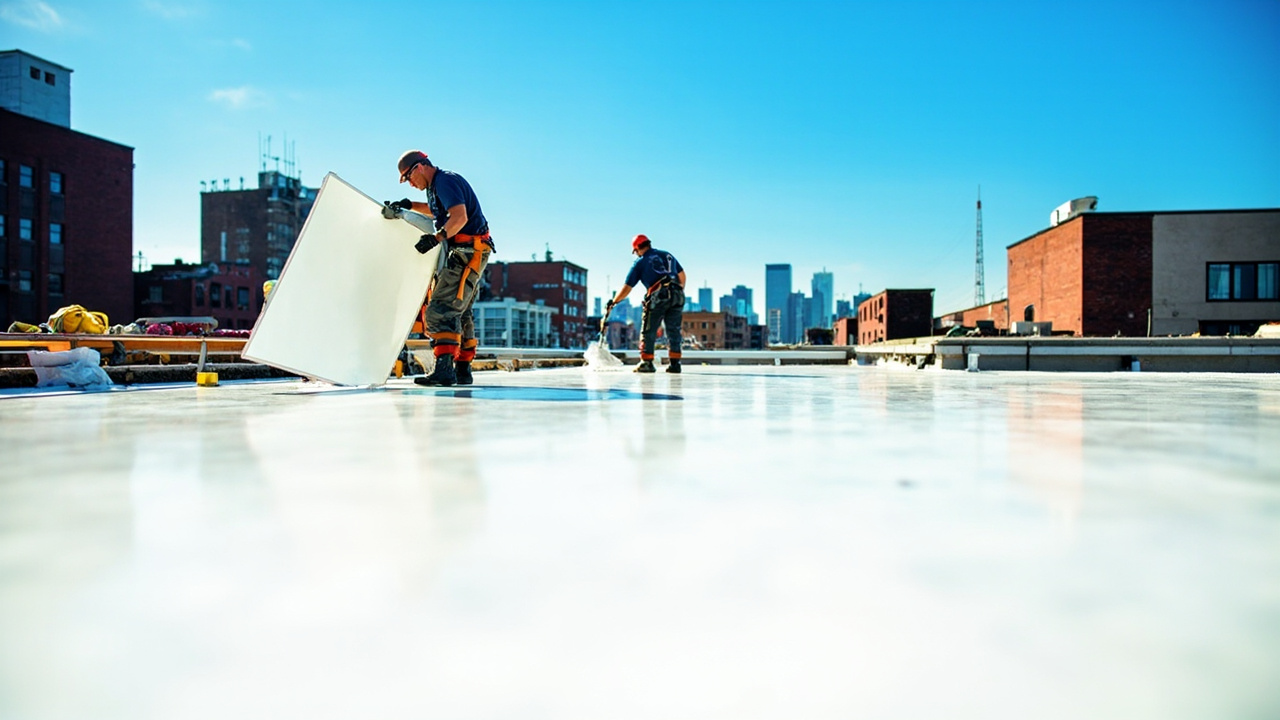
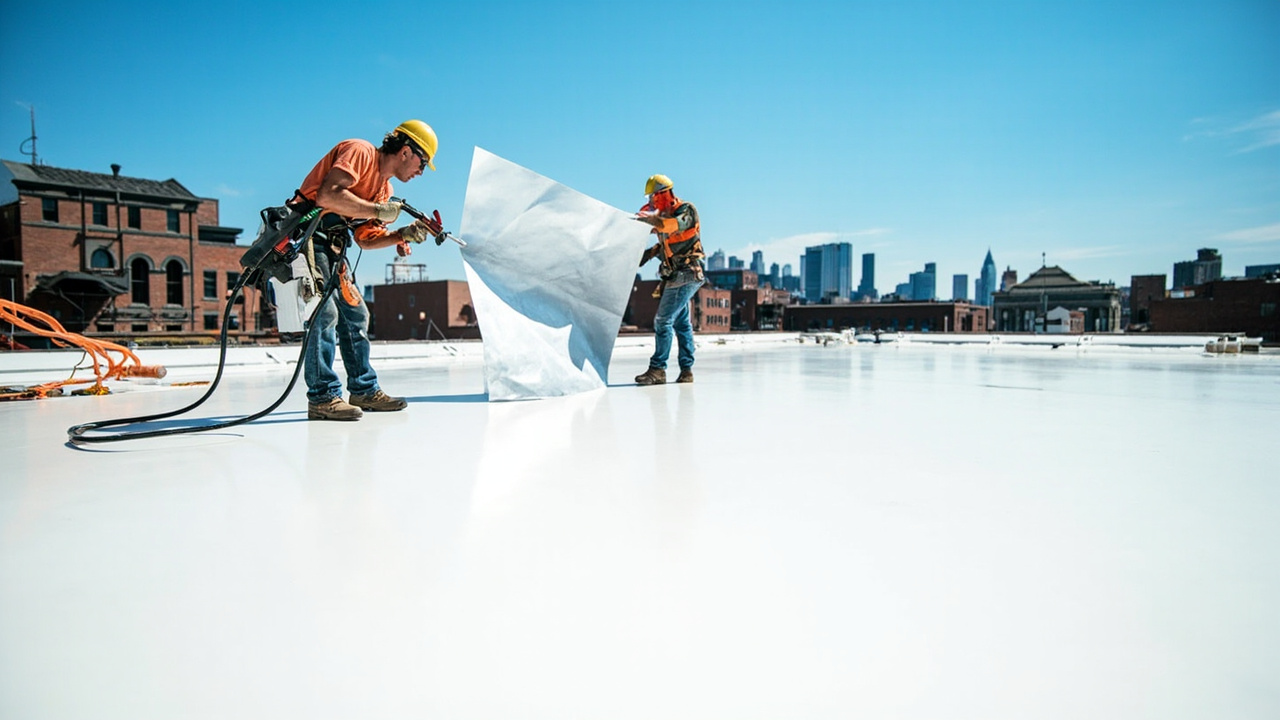
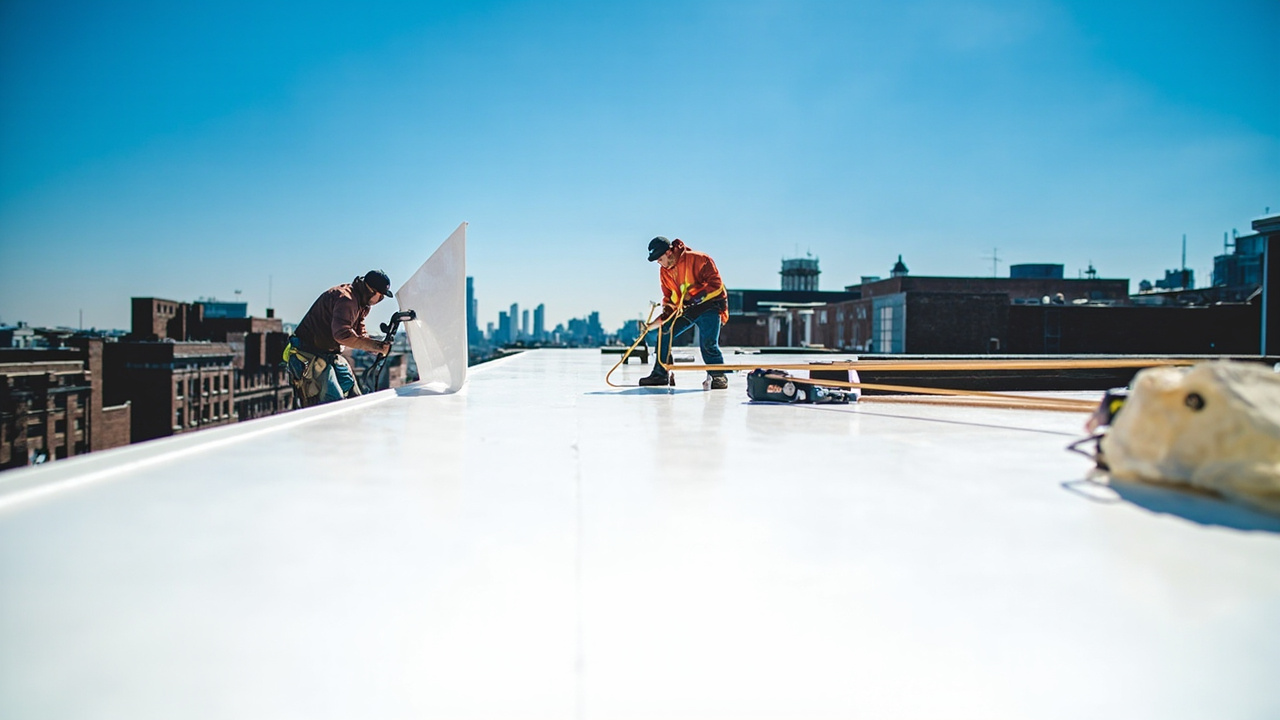
The PVC membrane itself is installed in sections, with seams overlapped and hot-air welded at 1,100°F. This creates a chemical bond that is leak-proof. We test every seam with a probe to verify weld integrity. Penetrations for HVAC units, vents, and drains receive custom-fabricated flashings, also heat-welded to the membrane. No sealants, no caulking, no future maintenance points.

Atlas Roofing Philadelphia uses only commercial-grade PVC membranes, 60 mil thickness minimum, with reinforced polyester scrim for dimensional stability.

What Happens During Your Commercial PVC Membrane Installation

PVC Roof Installation in Philadelphia – Protect Business Operations with Zero Downtime Commercial Roofing
01

Pre-Installation Building Assessment

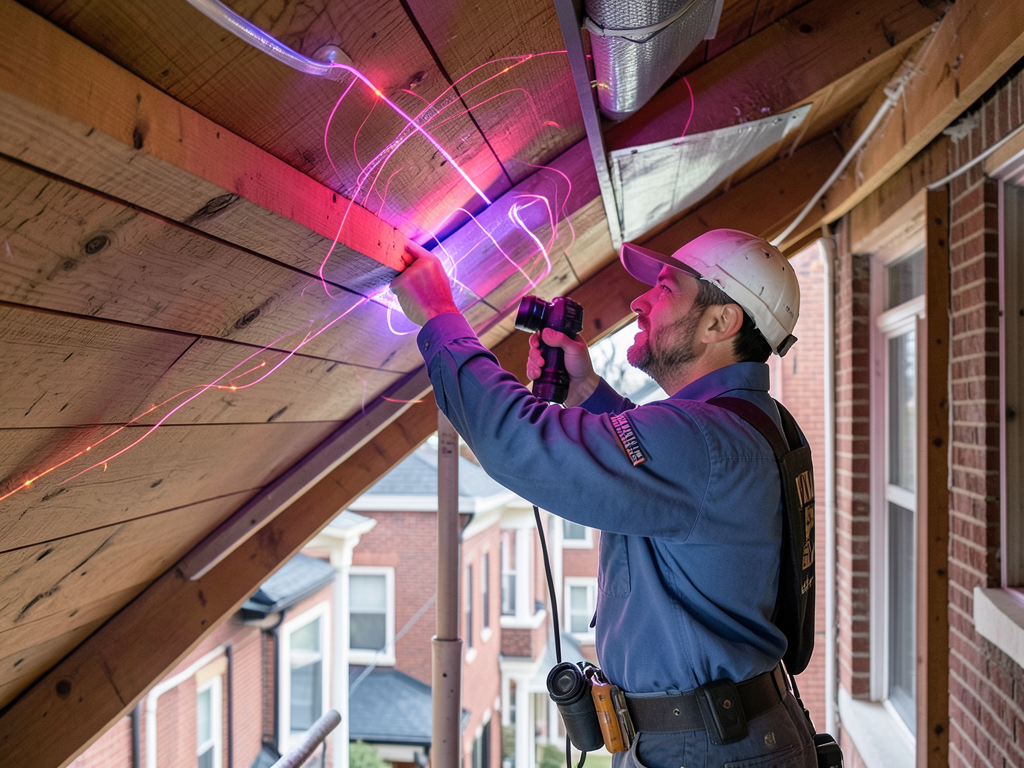
We conduct a structural load analysis and roof deck inspection to verify your building can support the new PVC roofing system. This includes core sampling to check insulation condition, thermal imaging to locate hidden moisture, and coordination with your facility manager to schedule work around business operations. You receive a detailed scope document before any material arrives on site.
02

Membrane Installation and Welding

Our crews remove the existing roof system down to the structural deck, install tapered insulation for drainage, and roll out the PVC membrane in planned sections. Each seam is heat-welded with hot air guns to create a watertight bond. We test seams immediately with probes and complete all penetration flashings using the same welding process to eliminate potential leak points.
03

Final Inspection and Certification

After installation, we conduct a final walkthrough to verify seam integrity, check all flashings, and confirm positive drainage across the entire roof surface. You receive documentation for Philadelphia L&I building permit sign-off, manufacturer warranty activation paperwork, and a maintenance protocol specific to PVC membranes. We also provide thermal imaging reports to verify insulation performance.

Why Philadelphia Businesses Choose Atlas Roofing Philadelphia for PVC Installation

Philadelphia's commercial roofing environment is unforgiving. You cannot afford a contractor who treats every flat roof the same or uses residential installation methods on commercial buildings. Atlas Roofing Philadelphia specializes in commercial PVC membrane installation for businesses that need the work done right, on schedule, and without disrupting operations.

We understand Philadelphia's building permit requirements. The city requires detailed plans for any commercial roof replacement, including structural calculations and energy compliance documentation. We handle the permit process, coordinate inspections with L&I, and ensure your project meets the Pennsylvania Uniform Construction Code. You do not have to manage this. We do.

Our experience with Philadelphia's older building stock matters. Many commercial properties in Port Richmond, Bridesburg, and the Navy Yard have roof decks that require reinforcement before a new PVC roofing system installation can proceed. We identify these issues during the assessment phase, not after we have torn off your existing roof. This prevents project delays and unexpected costs.

We also understand the logistics of working in dense urban environments. Access is limited. Material staging is complicated. Crane permits require advance planning. Our project managers coordinate with the Streets Department for street closures, arrange material deliveries during off-peak hours, and schedule installation phases to minimize disruption to your business. If you operate a 24-hour facility, we work nights.

Atlas Roofing Philadelphia uses factory-trained installers who hold manufacturer certifications for commercial PVC flat roof installation. This is not optional. Improper welding technique voids material warranties and creates future leaks. Our crews are trained on seam welding, detail work, and quality control procedures specific to polyvinyl chloride membranes.

You need a contractor who shows up when promised, completes the work on schedule, and delivers a roof that performs for decades.

What to Expect from Your Commercial PVC Roofing Installation Project

Project Timeline and Scheduling

Most commercial PVC membrane installations take between two and four weeks, depending on building size and complexity. We provide a detailed schedule before work begins, with clear milestones for tear-off, insulation installation, membrane placement, and final inspection. We coordinate with your operations team to schedule noisy or disruptive phases during off-hours. Weather delays are communicated immediately, and we maintain protective tarps over exposed areas to prevent interior damage. You receive daily progress updates and photo documentation of completed work.

Initial Roof Assessment and Planning

Your project begins with a comprehensive roof inspection. We use thermal imaging to locate trapped moisture, conduct core samples to assess existing insulation, and perform a structural load analysis to verify your building can support the new PVC roofing system. You receive a written report with findings, photos, and a detailed scope of work. We also coordinate with your mechanical contractor to assess HVAC equipment placement and ensure proper clearances. This assessment phase typically takes one week and includes all permit application preparation for Philadelphia L&I review.

Installation Quality and Performance

Atlas Roofing Philadelphia installs only reinforced PVC membranes with factory-welded seams. Every seam is tested with a probe to verify weld integrity. Flashings around penetrations, drains, and roof edges are custom-fabricated and heat-welded to the membrane. We use tapered insulation systems to create positive drainage and prevent ponding water. The result is a monolithic roof system with no mechanical fasteners penetrating the membrane and no sealant-dependent details. You get a roof engineered to last 25-plus years with minimal maintenance.

Post-Installation Support and Documentation

After installation, you receive complete documentation for warranty activation, including material certifications, installation photos, and as-built drawings. We provide a maintenance protocol specific to PVC membranes, including inspection schedules and cleaning recommendations. Annual inspections are available to verify seam integrity and address minor issues before they become leaks. We also coordinate final building permit sign-off with Philadelphia L&I and provide energy compliance documentation if your project requires it. Your roof is covered by both material and installation warranties, with clear terms and no hidden exclusions.

Frequently Asked Questions

You Have Questions,
We Have Answers

How is PVC roofing installed? +

PVC roofing installation begins with substrate preparation, ensuring the existing deck is clean, dry, and structurally sound. Installers mechanically attach or fully adhere insulation boards to the deck, then roll out PVC membrane sheets. Seams are joined using hot-air welding equipment, creating watertight bonds stronger than the membrane itself. Flashing details around penetrations, drains, and edges require precise fabrication and welding. In Philadelphia, contractors must account for seasonal temperature swings that affect membrane expansion. Proper edge securement resists high wind uplift common during nor'easters. The process typically takes several days depending on square footage and complexity.

What are the disadvantages of PVC roofing? +

PVC roofing costs more upfront than TPO or EPDM systems. The membrane can become brittle in extreme cold, though modern formulations minimize this risk. Installation requires specialized welding equipment and trained technicians, limiting your contractor options. Seam failures occur if welding is rushed or performed in wet conditions. PVC offers poor puncture resistance compared to reinforced membranes, making it vulnerable during hail events. In Philadelphia's urban environment, rooftop traffic for HVAC maintenance can damage the surface. Color options remain limited, mostly white or light gray. The membrane also degrades faster when exposed to certain chemicals or oils from equipment.

How much does it cost to install a PVC roof? +

Cost factors include building square footage, roof complexity, insulation requirements, and existing conditions. PVC membrane itself runs higher than alternative single-ply systems due to material composition. Removal and disposal of old roofing, structural repairs, and compliance with Philadelphia building codes add to the total. Multi-story buildings require specialized equipment and safety measures. Expect additional costs for custom flashing fabrication around HVAC units, skylights, and parapets common in Philadelphia commercial buildings. Weather delays during installation can extend labor costs. Request itemized proposals from multiple licensed contractors to compare. Focus on total project value, not just material price per square foot.

How long will a PVC roof last? +

PVC roofing typically lasts 20 to 30 years with proper installation and maintenance. Manufacturer warranties often cover 15 to 20 years, though actual performance depends on installation quality and environmental factors. Philadelphia's freeze-thaw cycles, UV exposure, and occasional severe weather events affect longevity. Regular inspections and prompt repairs extend service life. Buildings with heavy rooftop equipment or frequent foot traffic see accelerated wear. Ponding water from inadequate drainage shortens membrane life. Chemical exposure from nearby industrial operations can degrade PVC faster. Quality installation with proper welding techniques and edge details significantly impacts how long your roof performs before requiring replacement.

How much should a 2000 sq ft roof cost? +

A 2,000 square foot commercial roof varies widely based on system type, insulation requirements, and existing conditions. PVC systems cost more than TPO or modified bitumen alternatives. Structural repairs, code upgrades, and removal of multiple old roof layers increase costs. Philadelphia buildings often require additional insulation to meet current energy codes. Roof access difficulty, building height, and project timing affect labor rates. Parapets, penetrations, and complex flashing details add expense. Winter installations may cost more due to weather protection requirements. Focus on lifecycle value rather than initial expense. A properly installed PVC roof reduces maintenance costs and energy consumption over decades.

Do you weld PVC roofing? +

Yes, PVC roofing seams require hot-air welding, not adhesives or tapes. Installers use specialized welding equipment that heats both membrane edges to approximately 1,000 degrees Fahrenheit, then presses them together under controlled pressure. This creates a molecular bond stronger than the surrounding material. Welding must occur in dry conditions with proper temperature ranges. Philadelphia's humid summers and cold winters require timing adjustments for optimal results. Contractors test seam strength using probe tools to verify complete fusion. Poor welding technique causes premature failures and leaks. Only experienced technicians should perform this critical step. Properly welded seams outlast the membrane itself when installation follows manufacturer specifications.

How many years does a PVC ceiling last? +

PVC ceiling systems differ from roofing membranes in composition and application. Interior PVC ceilings last 15 to 25 years depending on environment and quality. However, this question likely refers to roofing. Commercial PVC roof membranes typically perform for 20 to 30 years with maintenance. Factors include installation quality, climate exposure, and building use. Philadelphia's temperature extremes and urban pollution affect degradation rates. Regular inspections identify problems early. Ponding water, punctures from maintenance activity, and seam failures shorten service life. UV stabilizers in the membrane prevent breakdown from sun exposure. Proper drainage design and immediate repairs maximize your investment over time.

What is better, PVC or polycarbonate roof? +

PVC suits commercial low-slope applications better than polycarbonate. Polycarbonate panels work for skylights, canopies, and greenhouse applications where light transmission matters. PVC membranes provide superior waterproofing, UV resistance, and thermal performance for flat roofs. Polycarbonate requires structural framing and offers minimal insulation value. For Philadelphia commercial buildings, PVC delivers better energy efficiency and weather protection. Polycarbonate panels yellow and become brittle over time, especially under UV exposure. Installation methods differ completely. Choose based on application. PVC for watertight roof coverage, polycarbonate for translucent structures needing natural light. Mixing materials requires specialized transition details to prevent leaks and thermal bridging.

What are the red flags for roofing contractors? +

Avoid contractors demanding large upfront deposits before starting work. Unlicensed operators or those unwilling to provide proof of insurance create liability risks. Pressure tactics, rushed estimates without roof inspections, and verbal-only agreements signal problems. Contractors using out-of-state addresses or no physical location often disappear after payment. In Philadelphia, verify proper business licenses and worker's compensation coverage. Be cautious of prices significantly lower than competitors, suggesting shortcuts or poor materials. Lack of manufacturer certifications for specific systems means inadequate training. Contractors unwilling to provide local references or examples of completed work nearby raise concerns. Always verify credentials independently before signing contracts.

Which is better EPDM or PVC roofing? +

PVC outperforms EPDM in chemical resistance, reflectivity, and seam strength. PVC seams use heat welding, creating bonds stronger than the membrane. EPDM relies on adhesive or tape, which can fail over time. PVC reflects more solar heat, reducing cooling costs in Philadelphia summers. However, EPDM costs less upfront and handles temperature extremes better. EPDM remains flexible in cold weather, while PVC can become stiff. For buildings with grease, oils, or chemical exposure, PVC resists degradation better. EPDM suits budget-conscious projects with minimal rooftop activity. Choose based on building use, budget, and long-term performance priorities. Both systems require professional installation for optimal results.

How Philadelphia's Freeze-Thaw Cycles Demand Commercial PVC Roofing Solutions

Philadelphia experiences an average of 35 freeze-thaw cycles per winter, creating expansion and contraction forces that crack traditional roofing membranes and open seams. Water infiltrates these cracks, freezes overnight, expands, and widens the damage. By spring, what started as a hairline crack becomes a major leak. Commercial PVC membrane installation solves this because polyvinyl chloride remains flexible at temperatures below zero. The material contracts and expands without cracking, and heat-welded seams maintain integrity through repeated freeze-thaw stress. This is critical for Philadelphia's older commercial buildings, where structural movement and thermal cycling are constant.

Philadelphia's commercial building code requires roof systems to meet specific wind uplift ratings and energy efficiency standards. Atlas Roofing Philadelphia maintains current knowledge of Pennsylvania Uniform Construction Code requirements and coordinates directly with the Department of Licenses and Inspections for permit approvals. We also understand the nuances of working in Philadelphia's historic districts, where building facades and architectural details require protection during roof replacement. Our crews are trained in containment procedures, debris management, and coordination with adjacent property owners. Choosing a local contractor with this knowledge prevents permit delays, code violations, and costly rework.
Roofing Services in The Philadelphia Area

Atlas Roofing proudly serves the entire Philadelphia area, including all surrounding counties. We invite you to view our service area on the map to confirm we cover your neighborhood. As your trusted local roofing contractor, we are always ready to deploy our expert teams promptly to your home or business, ensuring you receive the high-quality, professional service you deserve, exactly when you need it.

Address:
Atlas Roofing Philadelphia, 100 N 18th St, Philadelphia, PA, 19103

Additional Services We Offer

Our news updates

Latest Articles & News from The Blogs

Finding the Source of Water Stains on Your Ceiling in Cobbs Creek Water stains on your ceiling create immediate panic.…

Finding the Source of Water Stains on Your Ceiling in Cobbs Creek

Finding the Source of Water Stains on Your Ceiling in Cobbs Creek Water stains on your ceiling create immediate panic.…

Transitioning from Asphalt Shingles to a Standing Seam Metal Roof in Roxborough

Transitioning from Asphalt Shingles to a Standing Seam Metal Roof in Roxborough Roxborough homeowners face unique challenges with their asphalt…

Why Your Attic Insulation Might Be Killing Your New Roof in North Philly

Why Your Attic Insulation Might Be Killing Your New Roof in North Philly Your new roof is sweating from the…

Contact Us

Protect your business from the next leak. Call Atlas Roofing Philadelphia at (267) 344-1222 to schedule a comprehensive roof assessment. We provide detailed reports, transparent pricing, and installation timelines that work around your operations.