




menu

Built-Up Roofing in Philadelphia – Industrial-Grade Multi-Ply Systems That Minimize Downtime

Atlas Roofing Philadelphia delivers commercial built-up roofs engineered for the region's freeze-thaw cycles and urban heat loads, with deployment schedules designed to keep your operations running through installation.

Slider Image 1
Slider Image 2
Slider Image 3
Slider Image 4
Slider Image 5
Slider Image 7
Slider Image 8
Slider Image 9
Slider Image 10
Slider Image 11

Why Philadelphia's Climate Demands Proven BUR Roofing Systems

Philadelphia's commercial buildings face a brutal annual cycle. Winter freeze-thaw patterns create expansion and contraction stress that cracks inferior membranes. Summer urban heat island effects push roof surface temperatures above 160 degrees. Add in the seasonal moisture from Schuylkill River valley humidity, and you need a roofing system built for punishment.

Built-up roofing solves these problems through redundancy. A properly installed BUR system uses multiple plies of reinforcing fabric saturated with hot asphalt, creating a monolithic barrier that flexes without failing. Tar and gravel roofing adds an aggregate top layer that shields the membrane from UV degradation and provides ballast against wind uplift during nor'easters that sweep through the Delaware Valley.

This is not a residential solution. Commercial built-up roofs work for warehouses in Port Richmond, manufacturing facilities in Bridesburg, and office buildings along Market Street because they handle foot traffic from HVAC maintenance crews without damage. The thermal mass in multi-ply roofing systems also dampens temperature swings, which reduces HVAC strain and lowers operating costs.

Philadelphia's building codes recognize BUR systems as tested, code-compliant assemblies with decades of field performance data. When your facility cannot afford a roof failure during operations, you choose the system that has protected commercial properties through every weather extreme this region produces.

The question is not whether built-up roofing works in Philadelphia. The question is whether your contractor understands the installation precision required to make it perform.

Why Philadelphia's Climate Demands Proven BUR Roofing Systems
How Atlas Roofing Philadelphia Installs Commercial BUR Systems Without Disrupting Operations

How Atlas Roofing Philadelphia Installs Commercial BUR Systems Without Disrupting Operations

Most roof failures happen during installation, not after. A built-up roof is only as good as its weakest ply, which is why we control every variable from substrate preparation through final gravel embedment.

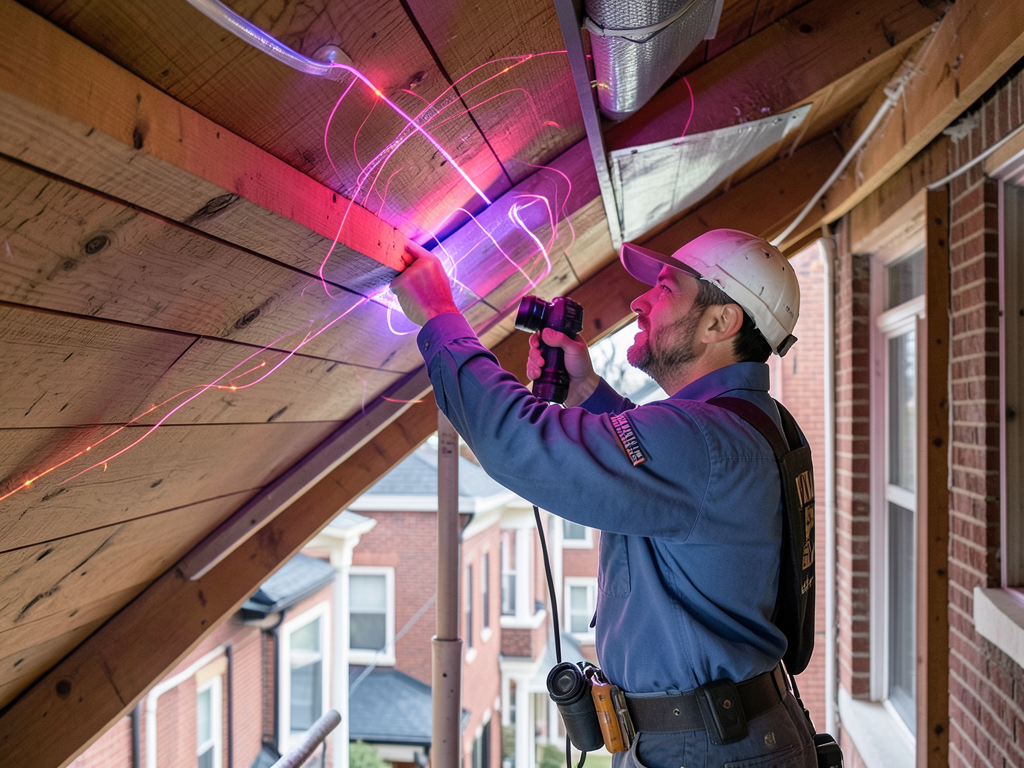
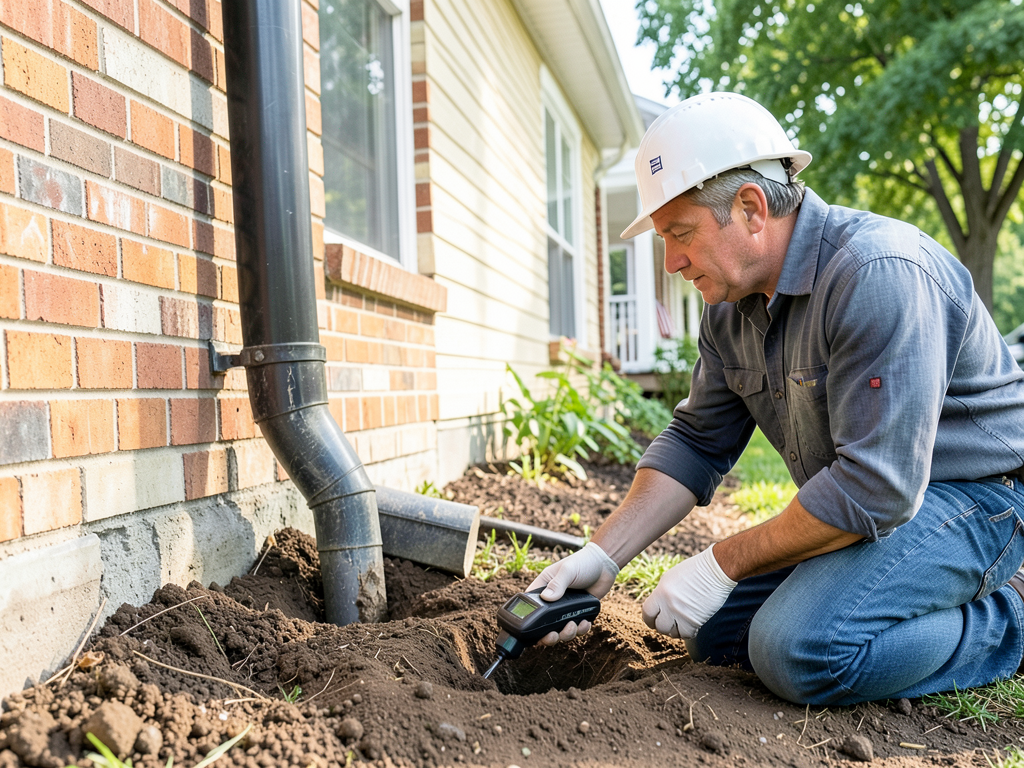
We start with a structural assessment. Commercial roofs in Philadelphia's older industrial districts often have concealed deck deterioration from decades of moisture intrusion. We use infrared scanning to map wet insulation and probe suspect areas to verify deck integrity before we torch a single kettle. If the substrate cannot support the load of a four-ply asphalt built-up roofing system with gravel ballast, we engineer a solution before the crew arrives.

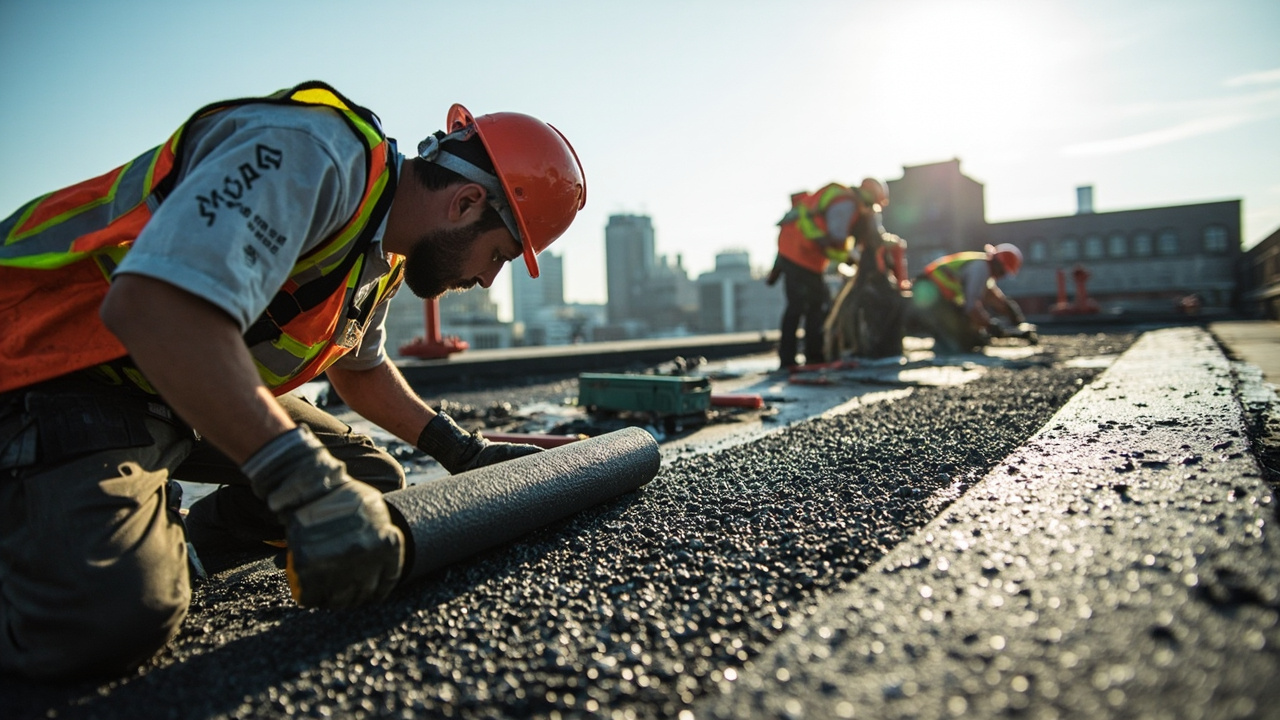
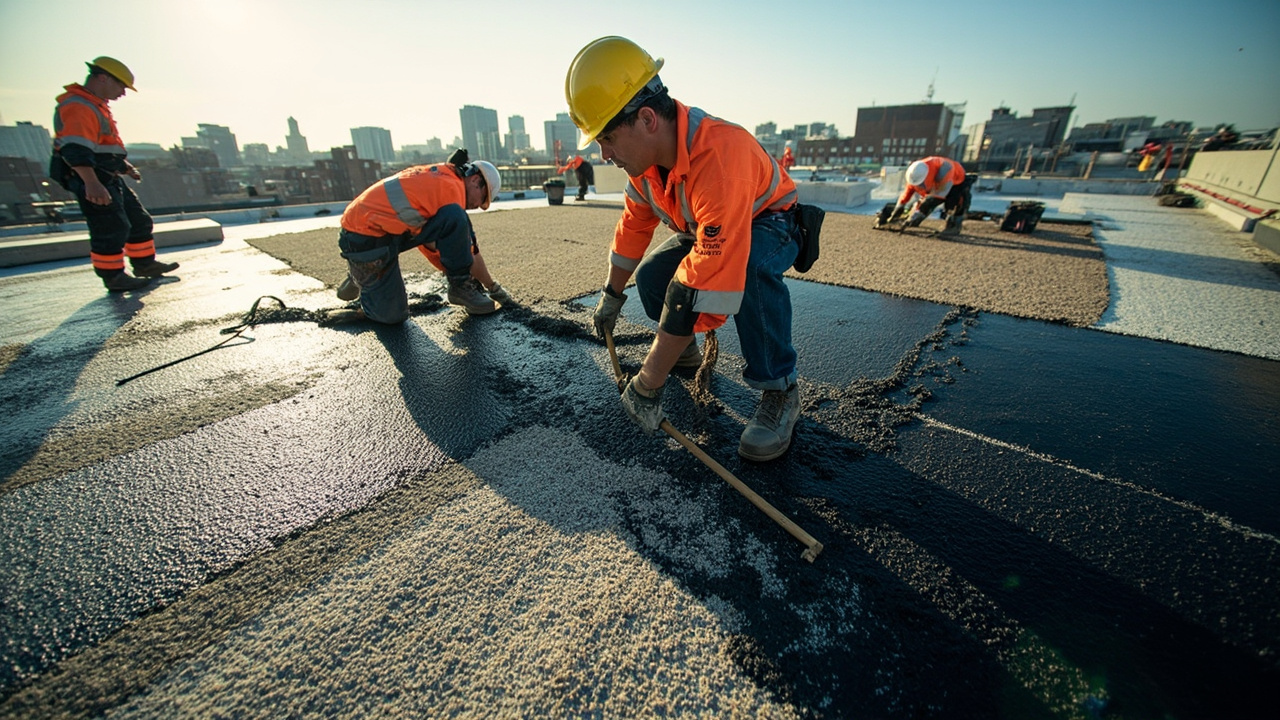
Our installation follows a strict ply sequence. Base sheet mechanically fastened to resist uplift. Interply mopping at 25 pounds per square to create full adhesion between fabric layers. Flood coat application timed to ambient temperature so the asphalt cures without blistering. Gravel embedment within the flash-off window to ensure aggregate locks into the bitumen.

We manage the installation to minimize business disruption. Roof work happens in phases so loading docks stay operational. Hot asphalt kettles are positioned to keep fumes away from air intakes. Crews work around shift schedules for 24-hour facilities.

Atlas Roofing Philadelphia uses contractor-grade materials specified for commercial applications, not residential products pushed into commercial use. Our crews understand the difference between a 15-year system and a 30-year system, and they know which details matter when you are protecting inventory, equipment, and business continuity.

You get a roof that works because we install it correctly the first time.

What Happens During Your BUR Installation

Built-Up Roofing in Philadelphia – Industrial-Grade Multi-Ply Systems That Minimize Downtime
01

Pre-Installation Assessment and Scheduling

We conduct a full structural survey to identify deck defects, insulation saturation, and flashing failures that must be corrected before new membrane application. You receive a detailed scope of work with phased scheduling that accounts for your operational constraints. We coordinate material deliveries to avoid site congestion and confirm that all required permits and fire watch protocols are in place before the crew mobilizes.
02

Multi-Ply Membrane Installation

Our crews apply base sheet, interply felts, and flood coat in strict accordance with NRCA guidelines for built-up roofing. Hot asphalt is heated to specification temperature and applied at the correct weight per square to ensure full ply adhesion. Each layer is inspected before the next application begins. Flashing details at penetrations, drains, and parapets are hand-formed to prevent water intrusion at the most vulnerable points in the assembly.
03

Gravel Ballast and Final Inspection

We embed gravel aggregate into the flood coat while the asphalt is still tacky, creating a protective layer that resists UV degradation and provides fire resistance. The roof is flood-tested to verify drainage function and inspected for any defects in the membrane or flashing. You receive documentation that confirms code compliance, which your insurance carrier will require. The site is cleaned, and all equipment is removed so your operations resume without delay.

Why Philadelphia Facility Managers Choose Atlas Roofing for BUR Systems

Commercial roofing is a liability game. A roof failure costs you more than the repair. You lose productivity, you risk inventory damage, and you face potential code violations if the failure compromises fire rating or structural integrity.

Atlas Roofing Philadelphia installs built-up roofs on facilities where failure is not an option. We work on cold storage warehouses in Northeast Philadelphia where temperature control is critical. We handle manufacturing plants in Kensington where production cannot stop for weather delays. We service office buildings in Center City where tenant complaints about leaks become legal problems.

We understand Philadelphia's commercial building stock. Many facilities in this region were built between 1920 and 1970, which means you are dealing with outdated roof decks, inadequate drainage, and flashing details that do not meet current wind uplift standards. We do not just install a new membrane over old problems. We correct the underlying defects so the new roof performs as engineered.

Our crews are experienced with the logistics of urban commercial work. Staging equipment on confined sites. Working around active loading docks. Coordinating with building engineers to avoid conflicts with mechanical systems. Managing hot work permits and fire watch requirements in occupied buildings.

You also get a contractor who understands the documentation requirements for commercial properties. Your property manager needs proof of code compliance. Your insurance carrier needs specifications and installation records. Your CFO needs a roof that delivers predictable service life so capital planning stays on track.

Atlas Roofing Philadelphia delivers all of that because we treat commercial roofing as the risk management function it actually is.

What to Expect When You Invest in a Built-Up Roof

Project Timeline and Coordination

A typical commercial BUR installation on a 20,000-square-foot facility takes two to four weeks, depending on deck repairs and weather windows. We phase the work to minimize operational disruption and coordinate with your facility manager to avoid conflicts with shipping schedules, tenant operations, or planned events. You receive weekly progress updates and immediate notification of any conditions that affect timeline or cost. We do not leave your building partially protected. Each phase is weatherproofed before the crew demobilizes for the day.

Comprehensive Roof and Substrate Evaluation

We assess the entire roof assembly, not just the visible membrane. Infrared scanning identifies wet insulation that must be removed. Core samples verify deck attachment and structural capacity. Flashing and penetration details are inspected for code compliance. You receive a written report that documents all deficiencies and explains the scope of work required to bring the roof to current standards. This evaluation prevents change orders and ensures the new built-up roof performs as specified. We also verify that your roof slope provides positive drainage to all drains.

Durable, Code-Compliant Roof Assembly

You get a roof system engineered for Philadelphia's weather extremes. Multiple plies of reinforced fabric create redundancy so a single defect does not compromise the entire assembly. Hot-mopped asphalt bonds each layer into a monolithic membrane that flexes without tearing. Gravel ballast protects against UV degradation and provides fire resistance that meets commercial building codes. Properly installed flashing at parapets, penetrations, and drains prevents the water intrusion that causes most commercial roof failures. The result is a roof that handles freeze-thaw cycles, summer heat, and storm events without leaking.

Post-Installation Support and Maintenance Planning

We provide documentation that satisfies insurance and code requirements, including material specifications, installation records, and compliance certifications. You also receive a maintenance plan that identifies the inspections and minor repairs that extend roof life. Built-up roofs benefit from periodic recoating and gravel replenishment, which we schedule based on your facility's exposure and traffic patterns. If a leak develops, we respond quickly to identify the source and execute repairs without tearing off the entire system. Proper maintenance transforms a 20-year roof into a 30-year roof, which defers capital expenditure and maximizes your ROI.

Frequently Asked Questions

You Have Questions,
We Have Answers

What does built-up roofing mean? +

Built-up roofing is a multi-layer commercial roofing system constructed on-site. It consists of alternating layers of bitumen (asphalt or coal tar) and reinforcing fabrics like fiberglass or polyester. These layers create a waterproof membrane. A gravel or mineral cap sheet protects the top layer from UV damage and foot traffic. Built-up roofing works well on low-slope and flat commercial buildings throughout Philadelphia. The system handles freeze-thaw cycles common in our region. Each layer bonds during installation to form a single, continuous barrier against water intrusion. This method has protected commercial properties for over a century.

What is another name for built up roofing? +

Built-up roofing goes by several names in the commercial roofing industry. You will hear it called BUR, tar and gravel roofing, or aggregate roofing. The term BUR is shorthand professionals use on job sites and in specifications. Tar and gravel refers to the traditional hot-mopped asphalt application topped with gravel ballast. Aggregate roofing describes the stone layer that protects the membrane. All these names describe the same multi-ply system. In Philadelphia, contractors may reference it differently depending on the specific application method or materials used, but they all point to the same proven roofing technology.

How long does built-up roofing last? +

A properly installed built-up roof lasts 20 to 30 years on commercial buildings in Philadelphia. Lifespan depends on installation quality, maintenance schedules, and environmental exposure. Roofs with regular inspections and prompt repairs reach the upper end of that range. Philadelphia's freeze-thaw cycles and summer heat stress roofing materials. Buildings with heavy foot traffic or mechanical equipment wear down surfaces faster. The gravel cap sheet protects underlying layers from UV degradation. Schedule inspections twice yearly to catch small issues before they compromise the entire system. A well-maintained BUR system delivers reliable performance and protects your business investment.

What is a typical built up roof assembly? +

A typical built-up roof assembly starts with the structural deck, followed by insulation boards for energy efficiency. A base sheet attaches to the insulation using mechanical fasteners or adhesive. Installers then apply alternating layers of hot bitumen and reinforcing plies (usually three to five layers total). Each ply embeds fully in the bitumen to create a monolithic membrane. The final flood coat of bitumen receives an aggregate surfacing like gravel or a granulated cap sheet. In Philadelphia, assemblies often include a vapor retarder below insulation to manage moisture from indoor humidity. This layered approach creates redundancy that handles our variable weather patterns.

What does built-up roofing look like? +

Built-up roofing appears as a flat surface covered with small stones or gravel. The aggregate layer ranges from light gray to dark depending on the stone type. Some systems use a smooth cap sheet with mineral granules instead of loose gravel. You may see slight variations in surface height where layers overlap. The gravel creates a uniform appearance across large commercial rooftops. In Philadelphia, darker aggregates absorb more heat while lighter stones reflect sunlight. Roof penetrations like vents and HVAC units rise through the gravel layer. The surface should appear level with proper drainage toward scuppers or drains.

Can you repair a built-up roof? +

Yes, you can repair a built-up roof without full replacement in most cases. Small blisters, cracks, or punctures receive localized patches using compatible bitumen and reinforcing fabric. Repairs must extend beyond the damaged area to ensure proper adhesion. Larger problems may require cutting out sections and rebuilding layers. Philadelphia contractors assess whether repairs extend the roof life cost-effectively or if replacement makes better financial sense. Deferred maintenance accelerates deterioration. Water intrusion compromises insulation and decking, increasing repair complexity and cost. Address issues promptly to protect your building envelope. Regular inspections identify problems before they require extensive reconstruction.

How many layers is a built-up roof? +

A built-up roof typically contains three to five plies or layers of reinforcing fabric. Commercial specifications often call for four-ply systems for standard applications. High-traffic areas or buildings requiring extra protection may use five plies. Each ply adds redundancy and waterproofing capacity. More layers increase system cost but extend service life. The base sheet counts as one ply. Philadelphia building codes set minimum requirements based on building use and slope. Each additional ply improves puncture resistance and weatherproofing. Your roofing professional recommends the ply count based on building exposure, traffic patterns, and budget constraints.

What are the three types of roofing? +

Commercial roofing falls into three main categories: built-up roofing systems, single-ply membranes, and modified bitumen. Built-up roofing uses multiple layers of bitumen and fabric. Single-ply systems like TPO, PVC, or EPDM apply in one continuous sheet. Modified bitumen combines traditional BUR concepts with polymer-enhanced sheets. Each type suits different building needs and budgets. Philadelphia commercial properties use all three based on building design, slope, and performance requirements. Built-up roofing excels on flat roofs with heavy foot traffic. Single-ply membranes install faster. Modified bitumen offers middle-ground performance. Your building requirements determine the best system.

Is a built-up roof the same as a membrane? +

A built-up roof creates a membrane through multiple layers applied on-site. Single-ply membranes arrive as pre-manufactured sheets. Both serve as waterproofing barriers but differ in construction and installation. BUR builds the membrane layer by layer using bitumen and fabric. Single-ply systems mechanically attach or adhere factory-made rubber or thermoplastic sheets. Built-up roofing provides redundancy through multiple plies. Single-ply membranes rely on one continuous layer. Philadelphia contractors select systems based on building requirements, budget, and performance needs. Both types effectively waterproof commercial buildings when installed correctly and maintained properly.

How much should an asphalt roof on a 500 sq ft house cost? +

This question does not apply to built-up roofing systems. Built-up roofing installs on commercial buildings, not 500 square foot residential structures. You are asking about residential asphalt shingles, which is a different roofing category. Commercial built-up roofing costs vary widely based on ply count, insulation thickness, and building access in Philadelphia. Pricing depends on roof size, existing conditions, required tear-off, and code compliance needs. Request detailed proposals from qualified commercial roofing contractors. They assess your specific building and provide accurate estimates based on your property requirements and local labor rates.

How Philadelphia's Freeze-Thaw Cycles and Urban Heat Loads Impact Built-Up Roofing Performance

Philadelphia commercial roofs endure temperature swings from below zero in January to above 160 degrees in July. This expansion and contraction cycle stresses single-ply membranes until they crack at seams and penetrations. Built-up roofing resists this stress through its multi-ply construction, which distributes thermal movement across several layers instead of concentrating it at weak points. The asphalt between plies remains flexible enough to accommodate movement without tearing. Gravel ballast also moderates temperature swings by shading the membrane from direct sun exposure, which reduces thermal cycling and extends service life.

Philadelphia's commercial building codes require roof assemblies that meet wind uplift standards for the Delaware Valley's storm exposure. Built-up roofs achieve this through mechanical fastening of the base sheet and the weight of the gravel ballast, which resists wind suction without relying solely on adhesive bonds. Local inspectors recognize BUR systems as proven assemblies with decades of field performance data in this climate. Atlas Roofing Philadelphia works with engineers and code officials to ensure every installation meets current standards, which protects your investment and simplifies insurance underwriting.
Roofing Services in The Philadelphia Area

Atlas Roofing proudly serves the entire Philadelphia area, including all surrounding counties. We invite you to view our service area on the map to confirm we cover your neighborhood. As your trusted local roofing contractor, we are always ready to deploy our expert teams promptly to your home or business, ensuring you receive the high-quality, professional service you deserve, exactly when you need it.

Address:
Atlas Roofing Philadelphia, 100 N 18th St, Philadelphia, PA, 19103

Additional Services We Offer

Our news updates

Latest Articles & News from The Blogs

Finding the Source of Water Stains on Your Ceiling in Cobbs Creek Water stains on your ceiling create immediate panic.…

Finding the Source of Water Stains on Your Ceiling in Cobbs Creek

Finding the Source of Water Stains on Your Ceiling in Cobbs Creek Water stains on your ceiling create immediate panic.…

Transitioning from Asphalt Shingles to a Standing Seam Metal Roof in Roxborough

Transitioning from Asphalt Shingles to a Standing Seam Metal Roof in Roxborough Roxborough homeowners face unique challenges with their asphalt…

Why Your Attic Insulation Might Be Killing Your New Roof in North Philly

Why Your Attic Insulation Might Be Killing Your New Roof in North Philly Your new roof is sweating from the…

Contact Us

Your facility cannot afford a roof failure. Call Atlas Roofing Philadelphia at (267) 344-1222 for a comprehensive assessment and a built-up roofing solution engineered for Philadelphia's commercial demands.