Why Those Black Streaks on Your Fox Chase Roof Are More Than Just an Eyesore
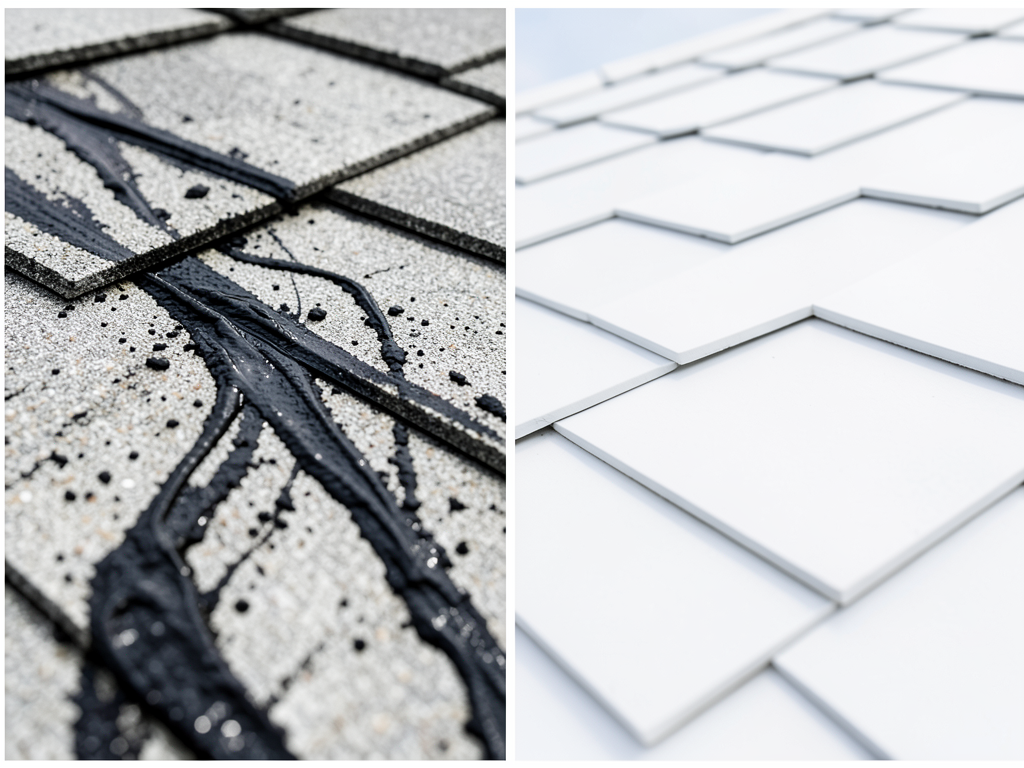
If you live in Fox Chase you have probably noticed those dark black streaks running down your roof. At first glance they look like dirt or maybe even soot from the nearby SEPTA train lines. But those streaks are actually Gloeocapsa magma a hardy cyanobacteria that thrives in the humid Pennsylvania climate. These black stains are not just ugly they are a sign your roof is under attack. How Much Does a Full Roof Replacement Actually Cost in Philadelphia Right Now.
Left untreated this algae feeds on the limestone filler in your asphalt shingles. Over time it breaks down the protective granules that shield your roof from UV rays and weather damage. That means your roof ages faster loses efficiency and can even void your manufacturer warranty. In Fox Chase where summer humidity often exceeds 80 percent this problem spreads quickly across entire neighborhoods. Asphalt Roofing Manufacturers Association.
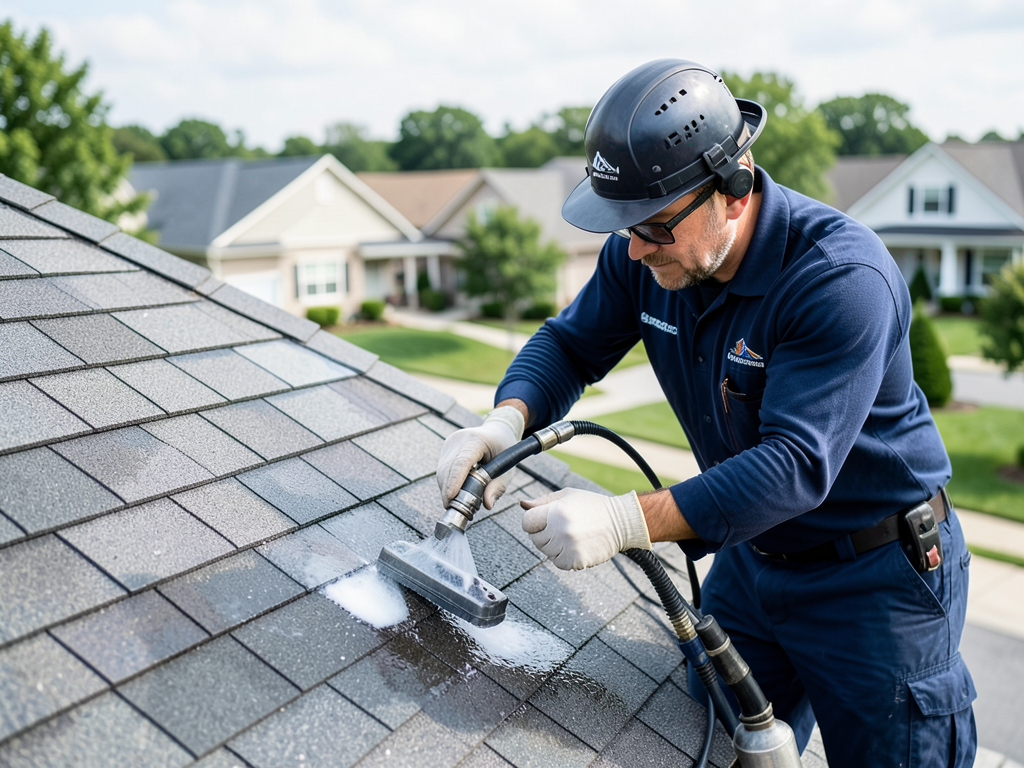
The good news is you can stop the damage before it costs you thousands. Professional soft washing removes the algae safely without harming your shingles. Unlike pressure washing which can strip granules and cause leaks soft washing uses low pressure and biodegradable cleaners to kill the algae at its roots. The process restores your roof’s appearance and extends its life by years.
Fox Chase homes built in the 1960s through 1990s are especially vulnerable. Many have original three-tab shingles that have already lost much of their protective coating. Add in the shade from mature oak and maple trees common in this area and you have the perfect environment for algae to flourish. If your roof is over 15 years old and shows black streaks it is time to act.
Ignoring the problem can lead to more than just cosmetic damage. As algae spreads it traps moisture against your shingles. That moisture invites moss and lichen which can lift shingles and create gaps for water to seep in. In winter those gaps turn into ice dams that cause leaks and interior water damage. A small algae problem today can become a major roof replacement tomorrow.
Professional roof cleaning in Fox Chase typically costs between $350 and $800 depending on roof size and pitch. That is far less than the $8 000 to $15 000 a full replacement would cost. Most homeowners see their investment returned through lower cooling bills improved curb appeal and extended roof life. Plus a clean roof can boost your home’s resale value by up to 5 percent in this competitive Northeast Philadelphia market. Why More Homeowners in Manayunk Are Switching to Metal Roofing.
At Atlas Roofing Philadelphia we use only EPA-approved sodium hypochlorite solutions mixed at the correct dilution to protect your landscaping and pets. Our technicians are trained in ARMA (Asphalt Roofing Manufacturers Association) guidelines to ensure your warranty stays intact. We also offer a 24-month spot-free guarantee so if any streaks return we retreat at no cost. EPA.
Do not wait until your roof fails. Those black streaks are a warning sign not a permanent stain. Call (267) 344-1222 today to schedule your free inspection and protect your Fox Chase home from further damage.
How Roof Algae Grows and Spreads in Philadelphia
Gloeocapsa magma spreads through airborne spores that settle on cool damp surfaces. In Philadelphia the combination of high humidity summer thunderstorms and tree cover creates ideal growing conditions. The algae first appears as small dark spots that quickly merge into long streaks as the colony expands.
Once established the algae forms a hard shell that protects it from UV rays and light rain. This is why simple rinsing does not work. The organism actually feeds on the calcium carbonate in asphalt shingles using it as a nutrient source. As it consumes the limestone filler it leaves behind a dark pigmented sheath that shields it from sunlight.
In neighborhoods like Fox Chase Burholme and Ryers the problem is amplified by mature tree canopies. Shade keeps roof surfaces cool and moist longer after rain. The algae also benefits from the airborne dust and organic debris that collects in roof valleys and near chimneys. Homes with north-facing slopes show the worst streaking because they receive the least direct sunlight.
Temperature plays a role too. Philadelphia’s average summer temperature of 87 degrees Fahrenheit provides enough warmth for rapid algae growth without the extreme heat that would kill it. The organism becomes dormant in winter but rebounds quickly when spring rains return. This cycle means untreated roofs can go from slight discoloration to heavy streaking in just one or two seasons.
Understanding this biology is key to prevention. Simply cleaning the surface without killing the spores allows the algae to return within months. Professional treatments include algicides that penetrate the shingle surface and prevent regrowth for up to three years. Some newer shingles come with copper or zinc granules that naturally inhibit algae but most older roofs lack this protection.
If you see black streaks forming on your roof do not assume it is just age or dirt. Those stains are a living organism actively damaging your home. The sooner you address it the easier and less expensive the solution will be.
Soft Washing vs. Pressure Washing: Why Method Matters
Many homeowners think pressure washing is the fastest way to clean a roof. In reality high-pressure water can destroy asphalt shingles in minutes. Most shingles are designed to withstand only about 60 psi of water pressure. Standard pressure washers operate at 1 500 to 3 000 psi. That force strips away the protective granules that give your roof its durability and fire resistance.
Once granules are lost your shingles become brittle and prone to cracking. They also lose their ability to reflect UV rays which can raise attic temperatures by 10 to 15 degrees. This accelerates the breakdown of the asphalt base and shortens your roof’s lifespan by five to ten years. In some cases pressure washing can void your manufacturer warranty entirely.
Soft washing uses specialized low-pressure pumps that deliver cleaning solutions at about 40 to 80 psi. The key is the chemical action not the water pressure. Sodium hypochlorite the active ingredient in many roof cleaners breaks down the algae’s cell walls and removes the dark pigment. When applied correctly it kills 99.9 percent of organisms on contact.
The process begins with protecting your landscaping. Technicians pre-soak plants and grass with clean water then cover delicate shrubs with tarps. The cleaning solution is applied from the roof edge working upward to avoid driving water under shingles. After a 15 to 20 minute dwell time the roof is rinsed with clean water at low pressure.
Professional soft washing also addresses the underlying conditions that promote algae growth. Technicians may trim overhanging branches to increase sun exposure clear gutters to prevent water backup and apply zinc strips near the ridge to inhibit future growth. These steps help keep your roof clean for two to three years instead of just a few months.
Cost is another factor. Pressure washing might seem cheaper upfront but the potential damage can lead to expensive repairs. Soft washing costs more initially but protects your investment and extends roof life. For most Philadelphia homes the difference in long-term value far outweighs the difference in initial price.
Choosing the right method is not just about appearance. It is about protecting the structural integrity of your home. When it comes to roof cleaning gentle is always better than aggressive.
Philadelphia Climate and Its Impact on Roof Health
Philadelphia’s climate creates unique challenges for roof maintenance. The city sits in a transition zone between humid continental and humid subtropical climates. This means hot muggy summers cold wet winters and frequent freeze-thaw cycles that stress building materials.
Summer humidity often exceeds 80 percent especially in July and August. When nighttime temperatures stay above 70 degrees moisture lingers on roof surfaces. This constant dampness allows algae mold and moss to establish colonies within days. Homes in Fox Chase with tree cover can remain shaded and moist long after a rain event making them prime targets for biological growth.
Winter brings a different threat. Snow that melts during the day can refreeze at night creating ice dams along roof edges. If your shingles are already weakened by algae the ice can lift them further allowing water to penetrate the underlayment. Once inside water can travel along rafters and drip through ceilings causing thousands in damage before you notice a problem.
Spring and fall in Philadelphia are marked by rapid temperature swings. A 40-degree day can drop to freezing overnight. These freeze-thaw cycles cause roofing materials to expand and contract repeatedly. Over time this movement breaks the seal between shingles and can crack flashing around chimneys and vents. Algae growth makes these problems worse by trapping moisture against the surface. The Best Local Roofing Companies for Luxury Homes on the Main Line.
Philadelphia also receives about 42 inches of rain per year spread across 120 days. That is more than the national average. Frequent rainfall means less time for roofs to dry completely. Combined with the city’s urban heat island effect which can raise local temperatures by several degrees this creates a perfect storm for roof deterioration.
Understanding these climate factors is essential for proper roof care. A cleaning schedule that works in Arizona or Colorado may fail here. Philadelphia roofs need treatment every two to three years not every five to seven. They also benefit from zinc or copper strips that release metal ions during rain to poison algae before it can grow.
Climate is not something you can change but you can adapt your maintenance to match it. In Philadelphia that means staying ahead of biological growth and protecting your roof from seasonal stress.
Roof Algae Removal Pricing in the Philadelphia Market
Roof cleaning costs in Philadelphia vary based on several factors. The most obvious is roof size measured in squares (100 square feet each). A small ranch might be 15 squares while a large colonial could be 35 squares or more. Most companies charge $20 to $30 per square for soft washing.
Roof pitch also affects price. Steeper roofs require more safety equipment and take longer to clean. A 6:12 pitch might add 10 percent to the cost while a 12:12 pitch could add 25 percent. Homes with multiple stories or complex rooflines with dormers and valleys will also see higher prices due to increased labor.
The severity of algae growth matters too. Light streaking on a small area might be a quick spot treatment. Heavy black coverage across the entire roof requires more chemical solution and time. In some cases moss or lichen is also present which needs manual removal before cleaning adding $100 to $300 to the job.
Accessibility can impact cost. Homes with limited driveway space or those surrounded by delicate landscaping may require special equipment or extra protection measures. In dense Philadelphia neighborhoods narrow alleys and power lines can complicate setup and increase labor time.
Many companies offer package deals if you combine roof cleaning with gutter cleaning or house washing. A full exterior cleaning might cost $500 to $900 for an average home but save you 15 to 20 percent compared to separate services. Some also offer annual maintenance plans that include inspections and spot treatments for a flat yearly fee.
Warranties and guarantees also factor into pricing. A basic clean might cost less but offer no protection if stains return. Companies that guarantee their work for 24 months typically charge 10 to 15 percent more but provide peace of mind. In Philadelphia’s climate where algae can rebound quickly this guarantee is often worth the extra cost.
While it is tempting to focus only on price remember that the cheapest option is not always the best. Improper cleaning can damage your roof and void warranties. Always verify that the company uses soft washing techniques and follows ARMA guidelines. A properly done job will protect your home and save you money in the long run.
Protecting Your Landscaping During Roof Cleaning
One of the biggest concerns homeowners have about roof cleaning is the effect on plants and grass. Sodium hypochlorite the active ingredient in most roof cleaners can harm vegetation if not handled properly. However professional crews use several techniques to protect your landscaping.
The first step is pre-wetting. Before any chemicals are applied technicians soak all plants grass and ground cover with clean water. This saturates the soil and plant leaves creating a barrier that prevents cleaning solution from being absorbed. Wet leaves are also less likely to retain chemical droplets.
Next crews apply tarps or plastic sheeting over delicate plants especially those directly under the roof edge. Flowering shrubs perennials and small trees get covered while hardier plants like mature evergreens may only need pre-wetting. Tarps are removed as soon as the chemical application is complete to avoid trapping heat.
During the cleaning process technicians control runoff by directing rinse water away from planting beds. They may use temporary berms or plastic diverters to channel water to paved areas where it can safely dissipate. In some cases a neutralizing agent like outdoor bleach neutralizer is applied to the soil after cleaning to further reduce chemical impact.
Timing also matters. Roof cleaning is best done on overcast days when plants are not under heat stress. Early morning when temperatures are cool and winds are calm reduces evaporation and drift. Avoid cleaning if rain is forecast within 24 hours as this can wash chemicals onto plants before they have dried.
Homeowners can help by trimming back branches that hang over the roof. This not only reduces shade that promotes algae growth but also gives technicians more room to work without damaging plants. Clearing away outdoor furniture and decorations prevents accidental chemical contact.
After cleaning rinse all planted areas thoroughly with clean water. This flushes away any residual chemicals and helps plants recover. In most cases properly protected landscaping shows no signs of damage within a few days. If you notice wilting or browning contact the cleaning company immediately as they should address any harm caused by their work.
Protecting your landscaping is not just about aesthetics. Healthy plants contribute to your home’s curb appeal and can even improve energy efficiency by providing shade. With the right precautions you can have a clean roof without sacrificing your garden.
Frequently Asked Questions
How long does roof algae removal take?
Most residential roof cleanings in Philadelphia take between two and four hours depending on size and pitch. A small ranch might be done in 90 minutes while a large multi-story home with complex rooflines could take most of a day.
Will the algae come back after cleaning?
Without preventive measures algae can return in 18 to 24 months. Professional treatments often include algicides that inhibit regrowth for up to three years. Installing zinc or copper strips near the ridge can extend this period by releasing metal ions that poison algae spores during rain.
Can I clean the roof myself?
DIY roof cleaning is risky. Walking on a wet roof is dangerous and using the wrong chemicals or techniques can damage shingles. Consumer-grade cleaners are often too weak to kill algae effectively. For safety and results it is best to hire a professional who follows ARMA guidelines.
Does roof cleaning affect my home’s energy efficiency?
Yes. Black algae absorbs heat which can raise attic temperatures by 5 to 10 degrees. This forces your air conditioner to work harder increasing cooling costs by up to 10 percent. Cleaning restores the roof’s reflective properties helping maintain more stable indoor temperatures.
Is roof cleaning safe for my pets?
When done properly yes. Professionals use biodegradable solutions and take steps to prevent runoff onto areas where pets roam. Keep animals indoors during cleaning and for a few hours after until any residual chemicals have dried. Most pets show no ill effects from nearby roof cleaning when proper precautions are taken.
How can I tell if I have algae or just dirt?
Algae typically forms dark black or dark green streaks that follow the path of water down the roof. Dirt is usually more random and may wash away with rain. If the discoloration persists through wet weather it is likely algae. A professional can confirm by examining a sample under magnification.
Will cleaning my roof void my shingle warranty?
Not if done correctly. ARMA recommends soft washing with approved chemicals. Using high-pressure washing or unapproved cleaners can void your warranty. Always check your warranty terms and hire a company that follows manufacturer guidelines to keep your coverage intact.
What time of year is best for roof cleaning in Philadelphia?
Late spring through early fall is ideal. Algae are most active in warm months and cleaning during this period provides the best immediate results. Avoid cleaning if rain is forecast within 24 hours or if temperatures are below 50 degrees as chemicals may not work effectively.
Steps to Prevent Future Roof Algae Growth
Preventing algae from returning starts with reducing the conditions it needs to thrive. The first step is increasing sunlight exposure. Trim back tree branches that overhang your roof especially those on the north side. Even an extra hour or two of direct sun can significantly slow algae growth.
Next keep your roof clean of organic debris. Leaves twigs and pine needles trap moisture and provide nutrients for algae. After storms use a leaf blower or soft brush to remove buildup from valleys and near chimneys. Do not use a pressure washer as this can damage shingles.
Ensure your attic is properly ventilated. Poor ventilation traps heat and moisture in the attic which can condense on the underside of the roof deck. This moisture creates a humid environment that promotes algae growth on the exterior surface. Ridge vents soffit vents and gable vents work together to keep air moving.
Consider installing zinc or copper strips near the roof ridge. These metals release ions during rain that are toxic to algae. The ions wash down the roof surface creating a protective zone. While not 100 percent effective they can extend the time between cleanings by 12 to 18 months.
Gutter maintenance is also important. Clogged gutters cause water to back up under shingles and spill onto the roof edge. This constant moisture encourages algae growth along the eaves. Clean gutters at least twice a year and check that downspouts direct water away from the foundation.
If you are replacing your roof choose algae-resistant shingles. Many manufacturers now offer shingles with copper or zinc granules embedded in the surface. These inhibit algae growth for the life of the roof. While they cost slightly more the long-term savings in cleaning and energy costs often justify the price.
Finally schedule regular roof inspections. A professional can spot early signs of algae moss or damage before they become major problems. Catching issues early means simpler cheaper solutions. In Philadelphia’s climate a check every two years is a good rule of thumb.
Prevention is always easier than cure. By making a few smart changes you can keep your roof looking clean and protect your home for years to come.
Why Choose Atlas Roofing Philadelphia for Your Roof Cleaning
Atlas Roofing Philadelphia brings over 15 years of local experience to every job. We understand the specific challenges Philadelphia roofs face from algae growth to ice dam formation. Our technicians are trained in the latest soft washing techniques and follow ARMA guidelines to protect your warranty. Roofing Pittsburgh.
We use only EPA-approved biodegradable cleaners that are safe for your family pets and landscaping. Our process includes pre-wetting plants applying protective coverings and controlling runoff to prevent damage. We also offer a 24-month spot-free guarantee so if any streaks return we retreat at no cost.
Our pricing is transparent with no hidden fees. We provide free written estimates and explain exactly what each step of the process involves. We also offer package deals for homeowners who want to combine roof cleaning with gutter cleaning or house washing.
Safety is a top priority. We use proper fall protection equipment and never walk on wet shingles unnecessarily. Our crews are fully insured and we carry workers’ compensation for all employees. You can trust us to treat your home with the same care we would our own.
Beyond cleaning we offer comprehensive roof maintenance including inspections minor repairs and preventive treatments. We can identify early signs of damage from algae moss or weather and recommend cost-effective solutions. Our goal is to extend the life of your roof and protect your investment.
Atlas Roofing Philadelphia is a local company not a national franchise. We live and work in the communities we serve from Fox Chase to Manayunk to Chestnut Hill. We take pride in our reputation and rely on satisfied customers to grow our business. Roofing Allentown.
Ready to restore your roof’s appearance and protect your home Contact us today for a free inspection. Call (267) 344-1222 or visit our website to schedule your appointment. Do not let those black streaks become a bigger problem. Act now and enjoy a cleaner safer more efficient home.
Final Thoughts on Roof Algae in Philadelphia
Black streaks on your roof are more than just an eyesore. They are a sign of active algae growth that can damage shingles void warranties and reduce your home’s energy efficiency. In Philadelphia’s humid climate this problem is especially common and can spread quickly across entire neighborhoods.
Professional soft washing is the safest most effective way to remove algae without harming your roof. Unlike pressure washing which can strip granules and cause leaks soft washing uses low pressure and targeted chemicals to kill the organism at its roots. When done by trained technicians it restores your roof’s appearance and extends its life.
Prevention is also key. Increase sunlight exposure keep your roof clear of debris and consider installing zinc strips to inhibit future growth. Regular inspections can catch problems early before they require expensive repairs. In Philadelphia’s climate staying proactive saves money and protects your home.
Atlas Roofing Philadelphia has the experience tools and local knowledge to handle your roof cleaning needs. We understand the specific challenges of Philadelphia’s climate and use only approved methods that protect your warranty. Our 24-month guarantee means you can trust the job will be done right.
Do not wait until those black streaks turn into leaks or higher energy bills. Call (267) 344-1222 today to schedule your free inspection. Let us help you protect your home and restore your roof’s beauty. Your home deserves the best and we are here to deliver it.
{
“@context”: “https://schema.org”,
“@type”: “BlogPosting”,
“headline”: “Why Those Black Streaks on Your Fox Chase Roof Are More Than Just an Eyesore”,
“description”: “Discover why black roof streaks in Fox Chase signal algae damage that can harm shingles and lower home value. Learn safe removal methods and schedule your free inspection today.”,
“wordCount”: 3777,
“datePublished”: “2026-03-16T11:18:00.000Z”,
“dateModified”: “2026-03-16T11:18:00.000Z”,
“inLanguage”: “en-US”,
“mainEntityOfPage”: {
“@type”: “WebPage”,
“@id”: “https://atlasroofingphiladelphia.com”
},
“publisher”: {
“@type”: “LocalBusiness”,
“name”: “Atlas Roofing Philadelphia”,
“url”: “https://atlasroofingphiladelphia.com”
},
“author”: {
“@type”: “Organization”,
“name”: “Atlas Roofing Philadelphia”,
“url”: “https://atlasroofingphiladelphia.com”
},
“image”: {
“@type”: “ImageObject”,
“url”: “https://atlasroofingphiladelphia.com/wp-content/uploads/2026/03/why-those-black-streaks-on-your-fox-chase-roof-are-1.png”
}
}
{
“@context”: “https://schema.org”,
“@type”: “RoofingContractor”,
“name”: “Atlas Roofing Philadelphia”,
“url”: “https://atlasroofingphiladelphia.com”,
“address”: {
“@type”: “PostalAddress”,
“addressLocality”: “Philadelphia”
},
“areaServed”: {
“@type”: “City”,
“name”: “Philadelphia”
}
}
{
“@context”: “https://schema.org”,
“@type”: “FAQPage”,
“mainEntity”: [
{
“@type”: “Question”,
“name”: “How long does roof algae removal take?”,
“acceptedAnswer”: {
“@type”: “Answer”,
“text”: “Most residential roof cleanings in Philadelphia take between two and four hours depending on size and pitch. A small ranch might be done in 90 minutes while a large multi-story home with complex rooflines could take most of a day.”
}
},
{
“@type”: “Question”,
“name”: “Will the algae come back after cleaning?”,
“acceptedAnswer”: {
“@type”: “Answer”,
“text”: “Without preventive measures algae can return in 18 to 24 months. Professional treatments often include algicides that inhibit regrowth for up to three years. Installing zinc or copper strips near the ridge can extend this period by releasing metal ions that poison algae spores during rain.”
}
},
{
“@type”: “Question”,
“name”: “Can I clean the roof myself?”,
“acceptedAnswer”: {
“@type”: “Answer”,
“text”: “DIY roof cleaning is risky. Walking on a wet roof is dangerous and using the wrong chemicals or techniques can damage shingles. Consumer-grade cleaners are often too weak to kill algae effectively. For safety and results it is best to hire a professional who follows ARMA guidelines.”
}
},
{
“@type”: “Question”,
“name”: “Does roof cleaning affect my home’s energy efficiency?”,
“acceptedAnswer”: {
“@type”: “Answer”,
“text”: “Yes. Black algae absorbs heat which can raise attic temperatures by 5 to 10 degrees. This forces your air conditioner to work harder increasing cooling costs by up to 10 percent. Cleaning restores the roof’s reflective properties helping maintain more stable indoor temperatures.”
}
},
{
“@type”: “Question”,
“name”: “Is roof cleaning safe for my pets?”,
“acceptedAnswer”: {
“@type”: “Answer”,
“text”: “When done properly yes. Professionals use biodegradable solutions and take steps to prevent runoff onto areas where pets roam. Keep animals indoors during cleaning and for a few hours after until any residual chemicals have dried. Most pets show no ill effects from nearby roof cleaning when proper precautions are taken.”
}
},
{
“@type”: “Question”,
“name”: “How can I tell if I have algae or just dirt?”,
“acceptedAnswer”: {
“@type”: “Answer”,
“text”: “Algae typically forms dark black or dark green streaks that follow the path of water down the roof. Dirt is usually more random and may wash away with rain. If the discoloration persists through wet weather it is likely algae. A professional can confirm by examining a sample under magnification.”
}
},
{
“@type”: “Question”,
“name”: “Will cleaning my roof void my shingle warranty?”,
“acceptedAnswer”: {
“@type”: “Answer”,
“text”: “Not if done correctly. ARMA recommends soft washing with approved chemicals. Using high-pressure washing or unapproved cleaners can void your warranty. Always check your warranty terms and hire a company that follows manufacturer guidelines to keep your coverage intact.”
}
},
{
“@type”: “Question”,
“name”: “What time of year is best for roof cleaning in Philadelphia?”,
“acceptedAnswer”: {
“@type”: “Answer”,
“text”: “Late spring through early fall is ideal. Algae are most active in warm months and cleaning during this period provides the best immediate results. Avoid cleaning if rain is forecast within 24 hours or if temperatures are below 50 degrees as chemicals may not work effectively.”
}
}
]
}
{
“@context”: “https://schema.org”,
“@type”: “BreadcrumbList”,
“itemListElement”: [
{
“@type”: “ListItem”,
“position”: 1,
“name”: “Home”,
“item”: “https://atlasroofingphiladelphia.com”
},
{
“@type”: “ListItem”,
“position”: 2,
“name”: “Blog”,
“item”: “https://atlasroofingphiladelphia.com/blog”
},
{
“@type”: “ListItem”,
“position”: 3,
“name”: “Why Those Black Streaks on Your Fox Chase Roof Are More Than Just an Eyesore”
}
]
}
{
“@context”: “https://schema.org”,
“@type”: “Service”,
“serviceType”: “Roofing”,
“provider”: {
“@type”: “LocalBusiness”,
“name”: “Atlas Roofing Philadelphia”,
“url”: “https://atlasroofingphiladelphia.com”
},
“areaServed”: {
“@type”: “City”,
“name”: “Philadelphia”
},
“description”: “Discover why black roof streaks in Fox Chase signal algae damage that can harm shingles and lower home value. Learn safe removal methods and schedule your free inspection today.”
}