Why Internal Roof Drains in Olney Warehouses Fail and How to Fix Them
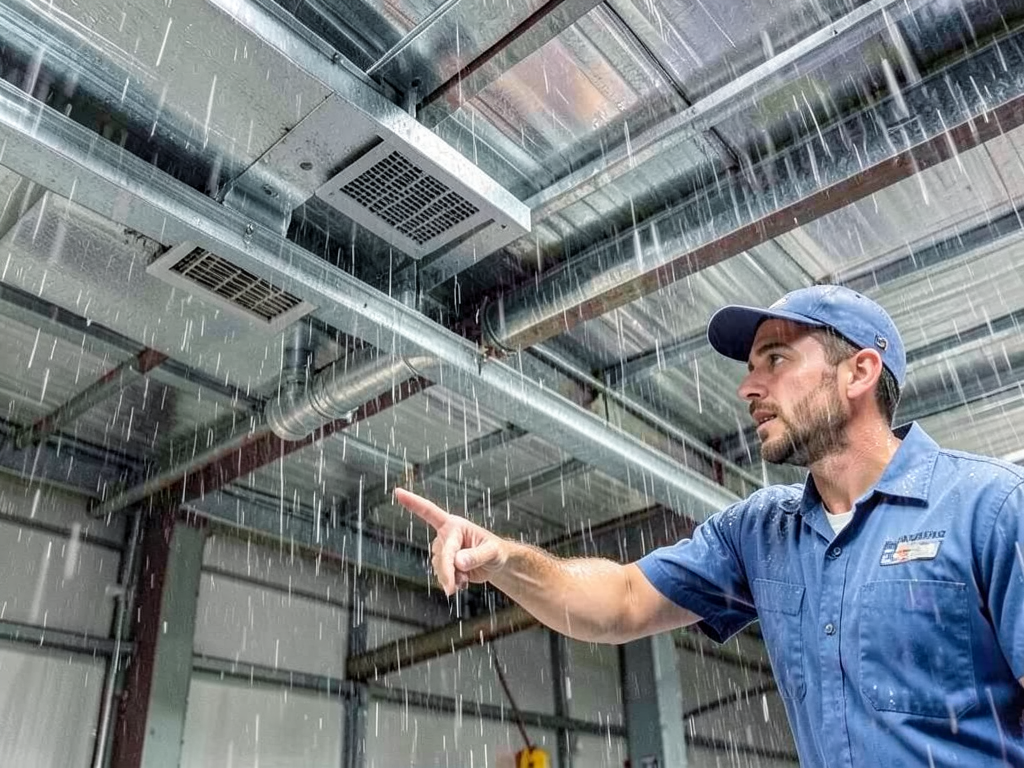
Olney warehouses face unique drainage challenges due to Philadelphia’s heavy rainfall patterns and the industrial age of many buildings. When internal roof drains fail, water backs up quickly, causing ceiling damage, equipment loss, and costly business interruptions. Understanding why these systems fail and how to fix them is critical for warehouse managers who need to protect their inventory and operations. Philadelphia Department of Licenses and Inspections.
Common Causes of Internal Roof Drain Failure in Philadelphia Warehouses
Philadelphia’s climate creates specific problems for warehouse drainage systems. The freeze-thaw cycles common in our winters cause pipes to expand and contract, leading to cracks and separations. Heavy spring rains overwhelm undersized systems, while summer storms bring debris that clogs strainers and pipes. EPA regulations for building materials.
Many Olney warehouses were built between 1950 and 1980 when building codes were less stringent. These older systems often use cast iron pipes that corrode from the inside out, creating rough surfaces where debris catches and builds up. The combination of age, material degradation, and inadequate sizing makes these drains particularly vulnerable.
Industrial activity in Olney adds another layer of complexity. Manufacturing dust, packaging materials, and even bird nesting materials find their way onto roofs and into drainage systems. When combined with Philadelphia’s seasonal leaf fall, these materials create stubborn blockages that standard cleaning cannot resolve.
Diagnostic Testing: Finding the Real Problem
Before attempting repairs, proper diagnosis is essential. We use a three-step testing process that reveals exactly where and why a drain is failing. First, we perform a visual inspection using high-intensity flashlights to examine strainers, sumps, and accessible pipe sections for obvious damage or blockage.
Next, we conduct a water flow test by flooding the drain area and measuring how quickly water moves through the system. This test reveals partial blockages that aren’t visible to the eye. A properly functioning drain should empty a 55-gallon drum in under 60 seconds. Slower rates indicate constriction somewhere in the line.
Finally, we use video inspection cameras to examine the interior of pipes. This technology shows us exactly where corrosion, tree root intrusion, or pipe separation has occurred. In Olney warehouses, we frequently find that pipes have separated at joints due to ground settling or thermal expansion, creating hidden leaks that only appear during heavy rain.. Read more about Why Historic Cornice Leaks Are So Hard to Trace in Callowhill Loft Buildings.
Repair Solutions for Failed Internal Drains
Repair approaches depend on the specific failure mode. For clogged strainers and sumps, we remove and clean all components, replacing damaged gaskets and ensuring proper slope for water flow. This basic service resolves about 60% of drain issues and costs significantly less than pipe replacement. How Much Does a Full Roof Replacement Actually Cost in Philadelphia Right Now.
When pipes are corroded but structurally sound, we use trenchless lining technology. This process involves inserting a flexible liner coated with epoxy resin into the existing pipe. The liner is then expanded and cured in place, creating a new smooth interior surface. This method preserves the existing pipe while eliminating corrosion and rough surfaces that catch debris.
For severely damaged pipes or those with significant separation, traditional replacement becomes necessary. We excavate only the affected sections rather than entire runs, minimizing disruption to warehouse operations. Modern PVC pipes offer superior resistance to corrosion and smoother interiors that resist debris buildup.
Overflow systems require special attention in Philadelphia warehouses. Building codes mandate secondary drainage paths when primary systems fail. We inspect and repair overflow scuppers, ensuring they remain clear and functional. Many older buildings lack proper overflow capacity, creating liability for property owners during extreme weather events.
Philadelphia Building Code Requirements for Commercial Roof Drainage
The Philadelphia Department of Licenses and Inspections (L&I) enforces specific requirements for commercial roof drainage systems under Section 1106 of the Philadelphia Building Code. These regulations mandate minimum pipe sizing based on roof area, with additional requirements for buildings over 5,000 square feet.
Secondary overflow drains must be installed when roof areas exceed 1,000 square feet or when roof drains are spaced more than 40 feet apart. These overflow systems must discharge at least 2 inches above the roof surface to prevent water from backing up into the building during primary drain failure.
Philadelphia’s stormwater management regulations require that all roof drainage systems connect to the city’s combined sewer system through proper leader pipes. Direct discharge onto adjacent properties or into storm sewers is prohibited without proper permits. Violations can result in fines up to $2,000 per day under Philadelphia Code Section 14-307.
Annual inspections are required for commercial buildings over 10,000 square feet. These inspections must be performed by licensed roofing contractors and include testing of all drainage components. Documentation of these inspections must be maintained on-site and made available to L&I inspectors upon request. The Best Local Roofing Companies for Luxury Homes on the Main Line.
Preventative Maintenance Programs for Warehouse Roof Drains
Regular maintenance prevents most drain failures before they occur. We recommend quarterly inspections for Olney warehouses, with additional service before and after Philadelphia’s rainy seasons. These inspections include strainer cleaning, pipe flushing, and testing of all mechanical components. Winter Roof Maintenance Tips.
Debris removal is the most critical maintenance task. We use specialized vacuum equipment to remove leaves, dirt, and industrial debris from roof surfaces and drain sumps. This service alone prevents about 80% of drain clogs. For warehouses near trees or in areas with high wind exposure, monthly cleaning may be necessary.
Chemical treatment programs help prevent biological growth in drain pipes. We apply EPA-approved biocides that inhibit algae, mold, and bacterial growth without damaging pipes or creating environmental hazards. These treatments are particularly important in Philadelphia’s humid climate where biological growth accelerates pipe corrosion.
Strainer upgrades can significantly reduce maintenance requirements. Modern strainers with larger surface areas and self-cleaning designs catch debris before it enters pipes while allowing water to flow freely. We install stainless steel strainers that resist corrosion and can be easily removed for cleaning.
Emergency Response for Critical Drain Failures
When drain failures occur during storms, rapid response is essential to prevent interior damage. Our emergency service operates 24/7 throughout Philadelphia, with technicians able to reach most Olney locations within 90 minutes of notification. We maintain fully stocked service vehicles capable of handling most drain emergencies without return trips.
Emergency procedures begin with immediate water removal using high-capacity pumps. We then identify the failure point and implement temporary repairs to restore drainage. These temporary fixes often involve installing bypass lines or using inflatable pipe plugs to isolate damaged sections while maintaining system function.
Following emergency repairs, we provide detailed damage assessment reports for insurance purposes. These reports document the extent of water intrusion, affected inventory, and structural damage. We work directly with insurance adjusters to ensure claims are processed quickly and accurately.
Post-emergency analysis helps prevent future failures. We review system performance during the incident, identify design weaknesses, and recommend permanent repairs or upgrades. Many warehouse managers find that investing in system improvements after an emergency prevents costly repeat incidents.
Cost Analysis: Repair vs. Replacement Decisions
Understanding the economics of drain repair helps warehouse managers make informed decisions. Simple cleaning and minor repairs typically cost between $500 and $1,500. These services address immediate problems but may not resolve underlying system weaknesses.. Read more about How to Tell if Your Flat Roof Needs a Simple Patch or a Full Recoating in Frankford.
Trenchless lining offers a middle-ground solution at $25 to $35 per linear foot. This approach extends system life by 20 to 30 years while avoiding the disruption and cost of full replacement. For pipes under 6 inches in diameter, lining is often the most cost-effective long-term solution.
Full system replacement becomes necessary when pipes are severely corroded, undersized for current requirements, or when multiple failure points exist. Replacement costs range from $50 to $100 per linear foot, depending on accessibility and whether roof penetration repairs are needed. While expensive upfront, replacement eliminates ongoing repair costs and provides reliable performance for decades.
Preventative maintenance programs cost $200 to $400 per visit but typically save 3 to 5 times that amount in avoided emergency repairs and water damage. Many warehouse managers find that maintenance contracts provide the best return on investment by preventing the business interruptions that drain failures cause.
Choosing the Right Contractor for Drain Repairs
Not all roofing contractors have the expertise to properly diagnose and repair commercial drainage systems. Look for contractors with specific experience in warehouse drainage, proper licensing from Philadelphia L&I, and references from similar industrial properties in the area. Roofing Pittsburgh.
Verify that contractors carry both general liability and workers’ compensation insurance. Commercial drainage work involves working at heights and around sensitive equipment, making proper insurance coverage essential. Request certificates of insurance and verify coverage with insurance providers.
Ask about diagnostic capabilities before hiring. Contractors who cannot perform video inspections or flow testing may miss critical problems or recommend unnecessary repairs. The best contractors use multiple diagnostic tools to develop comprehensive repair plans.
Consider contractors who offer maintenance programs and emergency response services. Companies invested in long-term relationships with clients typically provide better service than those focused solely on one-time repairs. Maintenance contracts also ensure priority service during emergencies.
Frequently Asked Questions
How often should warehouse roof drains be inspected?
Quarterly inspections are recommended for most Olney warehouses, with additional service before and after Philadelphia’s rainy seasons. Buildings near trees or in high-debris areas may require monthly inspections to prevent clogs.
What are signs that drain repairs are needed?
Water pooling on roof surfaces for more than 48 hours, interior ceiling stains, and slow drainage during rain are all indicators of drain problems. Unusual odors from roof drains may indicate biological growth or trapped debris.
How long do drain repairs typically take?
Simple cleaning and minor repairs can be completed in 2-4 hours. Trenchless lining requires 4-6 hours per section. Full system replacement may take 1-3 days depending on building size and accessibility.
Don’t Let Drain Failures Disrupt Your Business
Warehouse operations depend on reliable building systems. When internal roof drains fail, the consequences extend far beyond water damage. Lost inventory, equipment damage, and business interruptions can cost thousands of dollars per hour. Proactive maintenance and prompt repairs protect your investment and ensure continuous operations.
Atlas Roofing Philadelphia understands the unique challenges facing Olney warehouses. Our technicians are trained in the latest diagnostic techniques and repair methods specifically for commercial drainage systems. We provide detailed documentation of all work performed and stand behind our repairs with comprehensive warranties. Roofing Allentown.
Call (267) 344-1222 today to schedule your warehouse roof drain inspection. Our emergency response team is available 24/7 for critical failures that threaten your operations. Don’t wait for the next storm to discover your drains aren’t working properly.
Pick up the phone and call (267) 344-1222 before the next storm hits. Your warehouse operations depend on reliable drainage systems, and we’re here to ensure yours perform when you need them most.
Don’t risk another day with failing drains. Call (267) 344-1222 now and speak with our commercial drainage specialists about protecting your Olney warehouse from water damage and business interruptions.
You may also find this helpful. How to Stop Roof Ponding from Ruining Your Flat Roof in Pennsport.
{
“@context”: “https://schema.org”,
“@type”: “BlogPosting”,
“headline”: “Why Internal Roof Drains in Olney Warehouses Fail and How to Fix Them”,
“description”: “Learn why Olney warehouse roof drains clog and leak. Get expert repair solutions from Philadelphia’s commercial roofing specialists. Call (267) 344-1222 for emergency service.”,
“wordCount”: 1842,
“datePublished”: “2026-05-02T07:17:00.000Z”,
“dateModified”: “2026-05-02T07:17:00.000Z”,
“inLanguage”: “en-US”,
“mainEntityOfPage”: {
“@type”: “WebPage”,
“@id”: “https://atlasroofingphiladelphia.com”
},
“publisher”: {
“@type”: “LocalBusiness”,
“name”: “Atlas Roofing Philadelphia”,
“url”: “https://atlasroofingphiladelphia.com”
},
“author”: {
“@type”: “Organization”,
“name”: “Atlas Roofing Philadelphia”,
“url”: “https://atlasroofingphiladelphia.com”
},
“image”: {
“@type”: “ImageObject”,
“url”: “https://atlasroofingphiladelphia.com/wp-content/uploads/2026/03/why-internal-roof-drains-in-olney-warehouses-fail-1.png”
}
}
{
“@context”: “https://schema.org”,
“@type”: “RoofingContractor”,
“name”: “Atlas Roofing Philadelphia”,
“url”: “https://atlasroofingphiladelphia.com”,
“address”: {
“@type”: “PostalAddress”,
“addressLocality”: “Philadelphia”
},
“areaServed”: {
“@type”: “City”,
“name”: “Philadelphia”
}
}
{
“@context”: “https://schema.org”,
“@type”: “FAQPage”,
“mainEntity”: [
{
“@type”: “Question”,
“name”: “How often should warehouse roof drains be inspected?”,
“acceptedAnswer”: {
“@type”: “Answer”,
“text”: “Quarterly inspections are recommended for most Olney warehouses, with additional service before and after Philadelphia’s rainy seasons. Buildings near trees or in high-debris areas may require monthly inspections to prevent clogs.”
}
},
{
“@type”: “Question”,
“name”: “What are signs that drain repairs are needed?”,
“acceptedAnswer”: {
“@type”: “Answer”,
“text”: “Water pooling on roof surfaces for more than 48 hours, interior ceiling stains, and slow drainage during rain are all indicators of drain problems. Unusual odors from roof drains may indicate biological growth or trapped debris.”
}
},
{
“@type”: “Question”,
“name”: “How long do drain repairs typically take?”,
“acceptedAnswer”: {
“@type”: “Answer”,
“text”: “Simple cleaning and minor repairs can be completed in 2-4 hours. Trenchless lining requires 4-6 hours per section. Full system replacement may take 1-3 days depending on building size and accessibility.”
}
}
]
}
{
“@context”: “https://schema.org”,
“@type”: “BreadcrumbList”,
“itemListElement”: [
{
“@type”: “ListItem”,
“position”: 1,
“name”: “Home”,
“item”: “https://atlasroofingphiladelphia.com”
},
{
“@type”: “ListItem”,
“position”: 2,
“name”: “Blog”,
“item”: “https://atlasroofingphiladelphia.com/blog”
},
{
“@type”: “ListItem”,
“position”: 3,
“name”: “Why Internal Roof Drains in Olney Warehouses Fail and How to Fix Them”
}
]
}
{
“@context”: “https://schema.org”,
“@type”: “Service”,
“serviceType”: “Roofing”,
“provider”: {
“@type”: “LocalBusiness”,
“name”: “Atlas Roofing Philadelphia”,
“url”: “https://atlasroofingphiladelphia.com”
},
“areaServed”: {
“@type”: “City”,
“name”: “Philadelphia”
},
“description”: “Learn why Olney warehouse roof drains clog and leak. Get expert repair solutions from Philadelphia’s commercial roofing specialists. Call (267) 344-1222 for emergency service.”
}