
Why Historic Cornice Leaks Are So Hard to Trace in Callowhill Loft Buildings
Water dripping from your ceiling near the top floor corner rarely comes from where you think. In Callowhill’s historic loft buildings decorative cornices hide complex water paths that can travel 20 feet horizontally before appearing inside. The ornate metalwork that gives these industrial conversions character also creates perfect conditions for hidden leaks that frustrate even experienced roofers.. Read more about Finding the Source of Water Stains on Your Ceiling in Cobbs Creek.
Callowhill’s former factories and warehouses feature elaborate cornice systems built between 1880 and 1930. These decorative elements used sheet metal copper or terra cotta over wood framing. Today’s conversion owners discover that water entering through a tiny gap can travel along metal channels behind brick facades or through deteriorating mortar joints before emerging far from the actual entry point.
The challenge intensifies because Callowhill sits on Philadelphia’s former rail yards. The soil composition includes compacted industrial fill and ash creating unique drainage patterns that affect how water moves around building foundations and up through wall systems. Add the neighborhood’s proximity to the Vine Street Expressway construction zone and you have vibration settlement and altered water tables that stress aging cornice systems. Philadelphia Historical Commission.
Philadelphia Cornice Architecture Creates Perfect Leak Conditions
Historic Callowhill buildings feature three main cornice types that each create distinct leak patterns. Sheet metal cornices from the early 1900s often use overlapping panels with soldered joints that fail over decades. Copper cornices develop patina but can develop pinhole leaks from acid rain and industrial pollutants. Terra cotta cornices have mortar joints that crack from thermal expansion and settlement.
The loft district’s industrial heritage means many buildings have parapet walls extending above the roofline. These parapets create cold joints where roof membranes meet vertical surfaces. Water exploits these joints through freeze-thaw cycles common to Philadelphia’s climate. When temperatures drop below freezing trapped water expands and creates new pathways through mortar and metal. Philadelphia Water Department stormwater regulations.
Callowhill’s location near the former Reading Railroad terminal means many buildings sit on former rail beds. The fill material under these structures settles differently than natural soil causing differential movement that cracks cornice mortar joints. The neighborhood’s proximity to the Delaware River also means higher humidity levels that accelerate metal corrosion and wood rot in cornice systems.. Read more about Why Your Roof Leak is Causing Hidden Structural Rot in Your Walls.
The Science Behind Hidden Water Travel
Water follows the path of least resistance through building materials. In Callowhill’s brick and masonry structures water can travel horizontally through porous materials for surprising distances. A leak entering at the roofline might travel 15 feet along a copper flashing before finding a path through deteriorating mortar.
The phenomenon gets worse with decorative cornices that create internal channels. Water enters through a missing sealant or corroded joint then travels along the back side of the cornice where it’s completely hidden from view. The water might exit through a light fixture an interior wall or even a window frame on a different elevation.
Temperature differentials drive this hidden movement. During Philadelphia’s cold winters the exterior cornice surface might be 20 degrees colder than interior spaces. This temperature gradient creates a slight vacuum effect that pulls water through microscopic cracks and pores in building materials. The water then travels to areas where it can evaporate or find an exit point. Philadelphia Department of Licenses and Inspections.
Diagnostic Tools That Reveal Hidden Cornice Leaks
Professional leak detection in Callowhill buildings requires specialized equipment. Thermal imaging cameras reveal temperature differences that indicate moisture presence. When water travels through building materials it creates cold spots that show up clearly on infrared scans. This technology can identify leak paths that are completely invisible to the naked eye.
Moisture meters provide another diagnostic layer. These devices measure moisture content in wood drywall and masonry at specific depths. A reading showing elevated moisture 8 feet from a visible water stain often indicates the actual leak entry point. The water traveled horizontally before finding a path to the interior.
Smoke testing represents one of the most effective diagnostic methods for cornice leaks. Technicians introduce non-toxic smoke at potential entry points like roof drains or parapet caps. The smoke exits at the actual leak location revealing the complete water path. This method works especially well for Callowhill’s older buildings where multiple leak sources might exist.
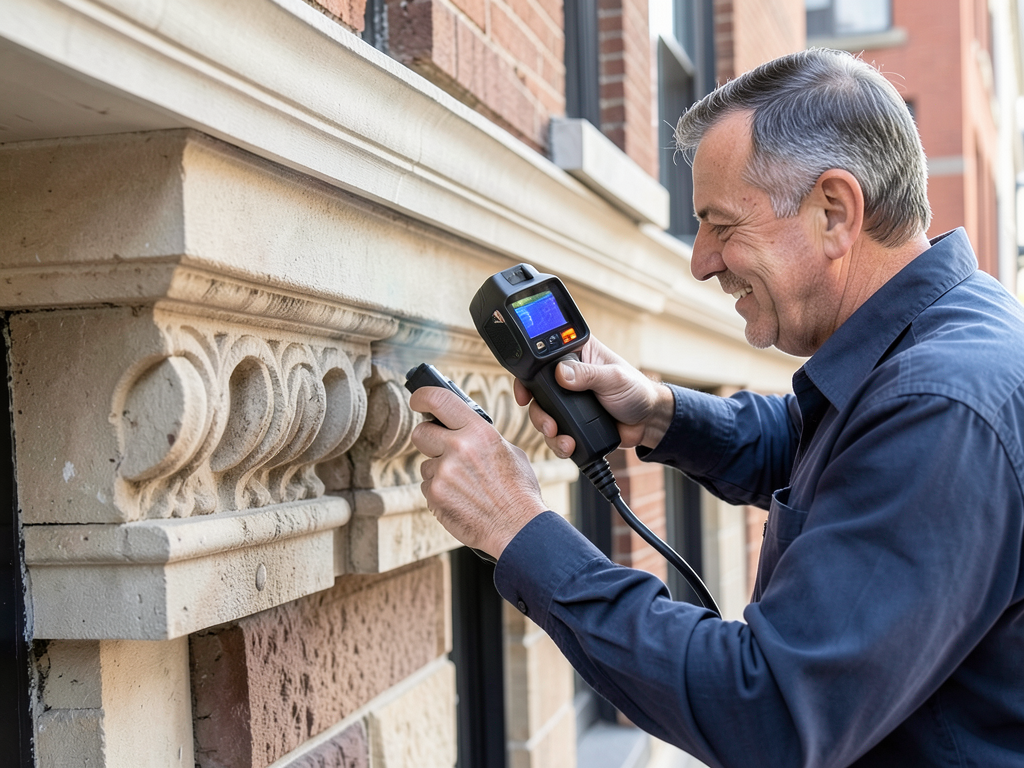
Diagram showing how water travels horizontally through cornice systems before emerging at interior walls in historic Philadelphia loft buildings.
Philadelphia Building Codes Affect Cornice Repair Approaches
Philadelphia’s building codes require specific approaches for cornice repairs in historic districts. The Philadelphia Historical Commission mandates that any visible repairs maintain the building’s historic character. This means replacement materials must match original profiles finishes and installation methods as closely as possible. How Much Does a Full Roof Replacement Actually Cost in Philadelphia Right Now.
The Philadelphia Department of Licenses and Inspections requires permits for cornice repairs exceeding $500 in value. These permits ensure structural integrity and proper waterproofing methods. For buildings in the Callowhill Historic District additional approvals from the Historical Commission may be necessary before work begins. The Best Local Roofing Companies for Luxury Homes on the Main Line.
Philadelphia’s stormwater regulations affect cornice drainage design. The Philadelphia Water Department requires that roof drainage systems prevent concentrated flows that could overwhelm municipal systems. This means cornice repairs must incorporate proper drainage channels and may require modifications to existing systems to meet current standards.
Common Failure Points in Callowhill Cornice Systems
The most frequent failure point occurs where cornice meets parapet walls. These intersections experience the most movement and weather exposure. Deteriorating mortar joints at these locations allow water infiltration that can travel extensively before appearing inside.
Sheet metal cornice seams represent another common failure point. The soldered joints used in early 1900s construction deteriorate over time especially when exposed to Philadelphia’s acid rain and industrial pollutants. Once a joint fails water enters the cornice cavity and follows internal channels.
Terra cotta cornice elements crack from freeze-thaw cycles and building settlement. When cracks develop they create direct pathways for water entry. The porous nature of terra cotta means water can travel through the material itself not just through obvious cracks.
Step-by-Step Cornice Leak Investigation Process
- Visual Exterior Inspection
Examine cornice for missing mortar cracked terra cotta corroded metal or deteriorated sealants. Look for water staining patterns that indicate active leaks.
- Interior Water Stain Mapping
Document all interior water stains their size and seasonal patterns. This helps determine if leaks are active or historical.
- Moisture Testing
Use moisture meters to test wall cavities and ceiling areas around water stains. Elevated readings indicate active moisture presence.
- Thermal Imaging Scan
Conduct infrared scanning to identify cold spots indicating moisture travel paths behind walls and ceilings.
- Targeted Water Testing
Simulate rain conditions using controlled water application to isolate leak entry points.
Repair Approaches for Different Cornice Materials
Sheet metal cornice repairs require careful attention to original construction methods. Modern sealants often fail prematurely when applied over old metal surfaces. The proper approach involves removing deteriorated sections treating the metal surface and installing new pieces that match the original profile exactly.. Read more about Restoring the Original Beauty of a Mansard Roof in West Philadelphia.
Copper cornice repairs demand specialized skills. The metal work hardens over time making new installations difficult to match. Professional metal workers use techniques like annealing to make new copper sections compatible with existing materials. They also match the original patina through chemical treatments.
Terra cotta repairs present unique challenges. Finding matching replacement pieces often requires custom fabrication. The repair process involves carefully removing damaged units preparing the substrate and installing new pieces with proper expansion joints to prevent future cracking.
Cost Factors for Historic Cornice Repairs
Cornice repairs in Callowhill buildings typically cost 30-50% more than standard roof repairs due to the specialized skills required. Metal cornice repairs range from $75-150 per linear foot depending on complexity. Terra cotta repairs often cost $100-200 per linear foot due to the custom fabrication involved.
Historical Commission approvals add $500-2000 to project costs depending on the building’s historic significance. These fees cover review processes and may require additional documentation or engineering studies to ensure repairs meet preservation standards.
Scaffolding requirements for cornice work in Callowhill’s dense urban environment add significant costs. Pedestrian protection street permits and equipment staging in tight alleyways can add $3000-8000 to a typical cornice repair project.
Preventative Maintenance for Cornice Longevity
Annual inspections prevent most cornice failures. Check for missing mortar cracked terra cotta corroded metal and deteriorated sealants each spring after winter’s freeze-thaw cycles. Early detection prevents water from traveling extensively through building materials. Winter Roof Maintenance Tips.
Gutter and downspout maintenance directly affects cornice performance. Clogged drainage systems cause water backup that can enter cornice cavities through overflow. Clean gutters twice yearly and ensure downspouts direct water away from building foundations.
Sealant replacement every 5-7 years prevents water infiltration at critical joints. Use sealants compatible with the cornice material and apply them during dry weather when temperatures are between 50-80 degrees Fahrenheit for optimal adhesion.
Technician using thermal imaging camera to detect moisture paths in historic cornice systems at a Callowhill loft conversion.
When to Call a Professional Cornice Specialist
Call a specialist when you notice water stains that appear seasonally or after heavy rain. These patterns indicate active leaks that require professional diagnosis. DIY repairs often miss the actual leak source leading to repeated water damage.
Structural movement signs warrant immediate professional attention. Cracks wider than 1/8 inch leaning cornices or loose decorative elements indicate serious problems that could lead to partial cornice failure and safety hazards.
Historical Commission requirements make professional involvement necessary for many Callowhill buildings. Specialists understand the approval processes and can ensure repairs maintain the building’s historic character while meeting modern waterproofing standards. Roofing Pittsburgh.
Choosing the Right Cornice Repair Contractor
Look for contractors with specific experience in historic cornice repairs. Ask for examples of similar projects in Philadelphia’s historic districts. Experience with local building codes and Historical Commission requirements proves essential for successful projects.
Verify contractor licensing and insurance coverage. Cornice work requires specialized skills and carries liability risks. Professional contractors carry adequate insurance and can provide documentation of their qualifications and past work.
Get detailed written proposals that specify materials methods and timelines. Professional proposals include scope descriptions material specifications and clear payment terms. Avoid contractors who provide verbal estimates or refuse to put details in writing.
Call (267) 344-1222 Today to Stop Your Cornice Leaks
Don’t let hidden cornice leaks damage your Callowhill loft building’s interior finishes and structural elements. Professional diagnosis reveals the actual leak source not just where water appears inside. Our team understands Philadelphia’s historic building requirements and uses specialized equipment to trace even the most elusive water paths.
Pick up the phone and call (267) 344-1222 before the next storm hits. Early intervention prevents extensive water damage and protects your building’s historic character. We provide detailed inspections Historical Commission coordination and repairs that last for decades not just seasons.
Frequently Asked Questions
How can I tell if my cornice has a hidden leak?
Look for seasonal water stains on upper floor ceilings or walls especially near corners. Check for efflorescence white mineral deposits on exterior masonry below cornices. Listen for dripping sounds during rain in upper floor areas. These signs often indicate hidden water travel through cornice systems.
Are cornice repairs covered by insurance?
Most standard insurance policies cover sudden water damage but not gradual deterioration. If the leak results from storm damage or sudden failure coverage is more likely. Insurance typically won’t cover repairs needed due to lack of maintenance or normal aging of materials.
How long do cornice repairs take in historic buildings?
Simple repairs might take 2-3 days but complex cornice work often requires 1-2 weeks. Historical Commission approvals can add 2-4 weeks to project timelines. Weather delays are common since exterior work depends on dry conditions for proper material adhesion.
Can I repair my cornice myself?
DIY repairs often fail because the actual leak source remains hidden. Professional diagnosis uses specialized equipment to trace water paths. Additionally historic buildings may require permits and specific materials to maintain architectural integrity. Improper repairs can cause more extensive damage.
What’s the average cost for cornice leak repairs?
Cornice repairs in Callowhill typically range from $3000-15000 depending on the extent of damage and materials involved. Sheet metal repairs cost less than terra cotta restoration. Historical Commission requirements and scaffolding needs can significantly impact final costs.
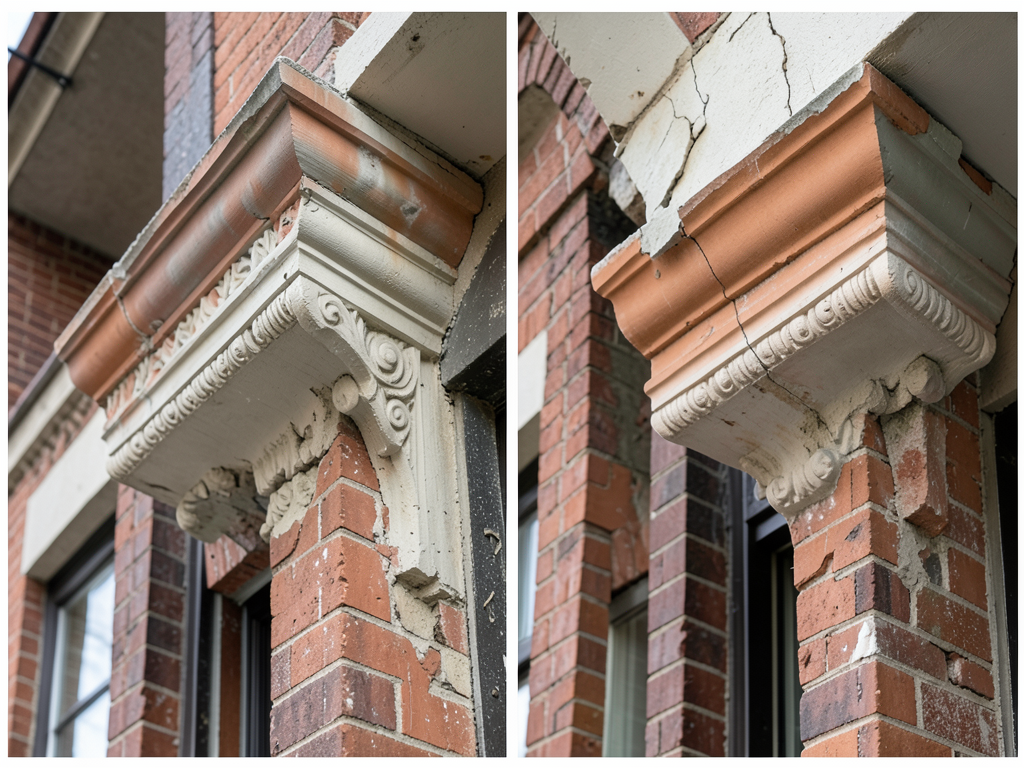
Before and after photos showing successful cornice leak repair on a historic Callowhill loft building with matching materials preserving the original architectural character.
You may also find this helpful. Preventing Pests from Nesting Under Your Eaves in East Oak Lane.
{
“@context”: “https://schema.org”,
“@type”: “BlogPosting”,
“headline”: “Why Historic Cornice Leaks Are So Hard to Trace in Callowhill Loft Buildings”,
“description”: “Discover why water travels through Callowhill’s historic cornice systems before appearing inside loft buildings and how professionals track these elusive leaks.”,
“wordCount”: 2080,
“datePublished”: “2026-05-09T11:11:00.000Z”,
“dateModified”: “2026-05-09T11:11:00.000Z”,
“inLanguage”: “en-US”,
“mainEntityOfPage”: {
“@type”: “WebPage”,
“@id”: “https://atlasroofingphiladelphia.com”
},
“publisher”: {
“@type”: “LocalBusiness”,
“name”: “Atlas Roofing Philadelphia”,
“url”: “https://atlasroofingphiladelphia.com”
},
“author”: {
“@type”: “Organization”,
“name”: “Atlas Roofing Philadelphia”,
“url”: “https://atlasroofingphiladelphia.com”
},
“image”: {
“@type”: “ImageObject”,
“url”: “https://atlasroofingphiladelphia.com/wp-content/uploads/2026/03/why-historic-cornice-leaks-are-so-hard-to-trace-in-1.png”
}
}
{
“@context”: “https://schema.org”,
“@type”: “RoofingContractor”,
“name”: “Atlas Roofing Philadelphia”,
“url”: “https://atlasroofingphiladelphia.com”,
“address”: {
“@type”: “PostalAddress”,
“addressLocality”: “Philadelphia”
},
“areaServed”: {
“@type”: “City”,
“name”: “Philadelphia”
}
}
{
“@context”: “https://schema.org”,
“@type”: “FAQPage”,
“mainEntity”: [
{
“@type”: “Question”,
“name”: “How can I tell if my cornice has a hidden leak?”,
“acceptedAnswer”: {
“@type”: “Answer”,
“text”: “Look for seasonal water stains on upper floor ceilings or walls especially near corners. Check for efflorescence white mineral deposits on exterior masonry below cornices. Listen for dripping sounds during rain in upper floor areas. These signs often indicate hidden water travel through cornice systems.”
}
},
{
“@type”: “Question”,
“name”: “Are cornice repairs covered by insurance?”,
“acceptedAnswer”: {
“@type”: “Answer”,
“text”: “Most standard insurance policies cover sudden water damage but not gradual deterioration. If the leak results from storm damage or sudden failure coverage is more likely. Insurance typically won’t cover repairs needed due to lack of maintenance or normal aging of materials.”
}
},
{
“@type”: “Question”,
“name”: “How long do cornice repairs take in historic buildings?”,
“acceptedAnswer”: {
“@type”: “Answer”,
“text”: “Simple repairs might take 2-3 days but complex cornice work often requires 1-2 weeks. Historical Commission approvals can add 2-4 weeks to project timelines. Weather delays are common since exterior work depends on dry conditions for proper material adhesion.”
}
},
{
“@type”: “Question”,
“name”: “Can I repair my cornice myself?”,
“acceptedAnswer”: {
“@type”: “Answer”,
“text”: “DIY repairs often fail because the actual leak source remains hidden. Professional diagnosis uses specialized equipment to trace water paths. Additionally historic buildings may require permits and specific materials to maintain architectural integrity. Improper repairs can cause more extensive damage.”
}
},
{
“@type”: “Question”,
“name”: “What’s the average cost for cornice leak repairs?”,
“acceptedAnswer”: {
“@type”: “Answer”,
“text”: “Cornice repairs in Callowhill typically range from $3000-15000 depending on the extent of damage and materials involved. Sheet metal repairs cost less than terra cotta restoration. Historical Commission requirements and scaffolding needs can significantly impact final costs.”
}
}
]
}
{
“@context”: “https://schema.org”,
“@type”: “HowTo”,
“name”: “How to Investigate Historic Cornice Leaks”,
“step”: [
{
“@type”: “HowToStep”,
“position”: 1,
“name”: “Visual Exterior Inspection”,
“text”: “Examine cornice for missing mortar cracked terra cotta corroded metal or deteriorated sealants. Look for water staining patterns that indicate active leaks.”
},
{
“@type”: “HowToStep”,
“position”: 2,
“name”: “Interior Water Stain Mapping”,
“text”: “Document all interior water stains their size and seasonal patterns. This helps determine if leaks are active or historical.”
},
{
“@type”: “HowToStep”,
“position”: 3,
“name”: “Moisture Testing”,
“text”: “Use moisture meters to test wall cavities and ceiling areas around water stains. Elevated readings indicate active moisture presence.”
},
{
“@type”: “HowToStep”,
“position”: 4,
“name”: “Thermal Imaging Scan”,
“text”: “Conduct infrared scanning to identify cold spots indicating moisture travel paths behind walls and ceilings.”
},
{
“@type”: “HowToStep”,
“position”: 5,
“name”: “Targeted Water Testing”,
“text”: “Simulate rain conditions using controlled water application to isolate leak entry points.”
}
],
“image”: “https://atlasroofingphiladelphia.com/wp-content/uploads/2026/03/why-historic-cornice-leaks-are-so-hard-to-trace-in-1.png”
}
{
“@context”: “https://schema.org”,
“@type”: “BreadcrumbList”,
“itemListElement”: [
{
“@type”: “ListItem”,
“position”: 1,
“name”: “Home”,
“item”: “https://atlasroofingphiladelphia.com”
},
{
“@type”: “ListItem”,
“position”: 2,
“name”: “Blog”,
“item”: “https://atlasroofingphiladelphia.com/blog”
},
{
“@type”: “ListItem”,
“position”: 3,
“name”: “Why Historic Cornice Leaks Are So Hard to Trace in Callowhill Loft Buildings”
}
]
}
{
“@context”: “https://schema.org”,
“@type”: “Service”,
“serviceType”: “Roofing”,
“provider”: {
“@type”: “LocalBusiness”,
“name”: “Atlas Roofing Philadelphia”,
“url”: “https://atlasroofingphiladelphia.com”
},
“areaServed”: {
“@type”: “City”,
“name”: “Philadelphia”
},
“description”: “Discover why water travels through Callowhill’s historic cornice systems before appearing inside loft buildings and how professionals track these elusive leaks.”
}