
Why a Roof Cricket Is the Secret to a Dry Chimney in Elkins Park
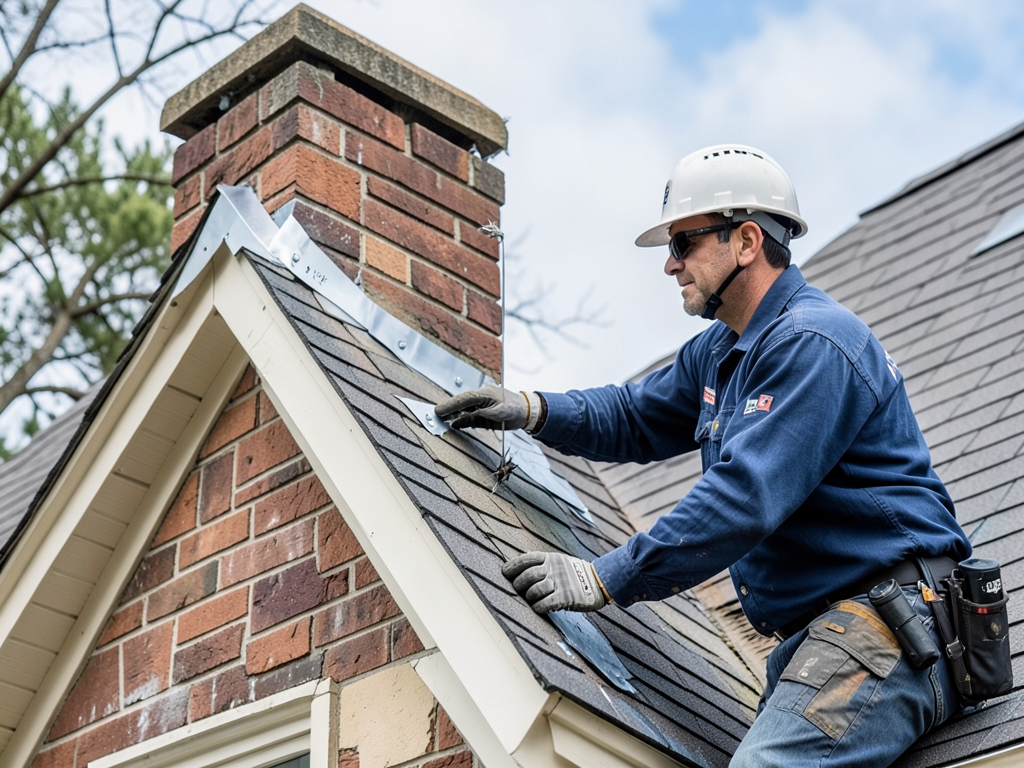
Your chimney is one of the most vulnerable spots on your roof. When water pools behind it, you get leaks, rot, and expensive repairs. That’s where a roof cricket comes in. This simple but critical structure diverts water around your chimney before it can cause damage. In Elkins Park, where many homes feature large, historic chimneys and heavy winter snow, a properly installed cricket isn’t just helpful—it’s essential.
Water always flows downhill, and when your roof meets a chimney, it creates a perfect trap for pooling. Without a cricket, that water sits, freezes, and eventually finds its way through your roof. A cricket—also called a saddle—sits behind the chimney and creates a slope that pushes water to both sides instead of letting it collect. It’s the difference between a dry chimney and thousands in water damage.
Elkins Park’s mix of older Colonial and Tudor-style homes often means massive brick chimneys that rise several feet above the roofline. These create large flat areas where snow and rain can accumulate. Combine that with Philadelphia’s freeze-thaw cycles, and you have a recipe for structural damage. A cricket breaks that cycle by eliminating the flat spot entirely.
The International Residential Code (IRC R903.2) actually requires crickets on chimneys over 30 inches wide that intersect the roof slope. But many Elkins Park homes—some built before modern codes—either never had one installed or have a cricket that’s deteriorated over decades. That’s why we see so many chimney leak calls from this area. How Much Does a Full Roof Replacement Actually Cost in Philadelphia Right Now.
How a Roof Cricket Works to Protect Your Home
A roof cricket functions like a small, peaked roof behind your chimney. It’s framed with lumber, sheathed with plywood or OSB, and covered with the same material as your main roof. The peak of the cricket is positioned so water flows down both sides and away from the chimney base.
Water pooling behind a chimney creates what roofers call a ‘dead valley’—a spot where water has nowhere to go. In Elkins Park’s climate, that dead valley becomes a problem zone. Snow melts during the day, water pools, then freezes at night. This freeze-thaw cycle expands and contracts, breaking down flashing and even cracking chimney mortar over time.
During installation, we integrate the cricket with your existing roof and chimney flashing system. We use ice and water shield—a rubberized asphalt membrane—under the cricket and extending up the chimney sides. This creates a waterproof barrier that protects against wind-driven rain and ice damming. The cricket’s slope typically matches or exceeds your roof’s pitch to ensure proper drainage.
We’ve seen chimneys in Elkins Park where the original cricket was built with minimal slope—maybe just 2:12—which isn’t enough to move water in heavy rain. A properly engineered cricket should have at least a 4:12 slope, sometimes steeper depending on the chimney size and roof configuration.
Why Elkins Park Homes Are Especially Vulnerable
Elkins Park features many homes built between 1920 and 1960, when large central chimneys were standard for heating systems. These chimneys often sit on the main roof ridge, creating the perfect conditions for water collection. The area’s mature tree canopy also means leaves and debris accumulate behind chimneys, holding moisture against the roof surface.
The soil composition around Elkins Park—a mix of clay and loam—affects how water drains off your property. While this isn’t directly related to your roof, poor yard drainage can increase the volume of water flowing toward your home’s foundation and, by extension, your roof’s drainage system. A cricket helps manage that water load before it becomes a problem.
Local building patterns matter too. Many Elkins Park homes have hip roofs or complex rooflines that create additional valleys and drainage challenges. When you add a large chimney to that mix, you’re creating multiple potential failure points. The cricket is your first line of defense. The Best Local Roofing Companies for Luxury Homes on the Main Line.
We’ve inspected homes near Curtis Arboretum where the original crickets had completely deteriorated. The homeowners had no idea until they noticed water stains on their second-floor ceilings. By then, the roof deck behind the chimney was rotted, and the repair cost five times what a simple cricket installation would have cost.
The Installation Process: What to Expect
Installing a roof cricket isn’t a weekend DIY project. It requires understanding roof framing, waterproofing, and proper flashing integration. Here’s what our process looks like:
- Assessment and Planning
We measure your chimney width, roof pitch, and existing conditions. We check for rot in the roof deck and ensure the chimney structure is sound. This step identifies whether you need a complete cricket or just flashing repairs.
- Frame Construction
We build a wooden frame that creates the proper slope behind your chimney. The frame extends from the chimney base to the main roof, with height determined by your chimney’s width and roof pitch. Wider chimneys need taller crickets to maintain effective drainage.
- Waterproofing Application
We install ice and water shield over the entire cricket area, extending up the chimney sides at least 12 inches. This self-adhering membrane creates a waterproof barrier that won’t leak even if shingles are damaged.
- Decking and Roofing
We install plywood or OSB over the frame, then apply your existing roofing material. The cricket gets integrated with the main roof so water flows seamlessly from one surface to the other.
- Flashing Integration
We install new step flashing up the chimney sides and counter flashing into the mortar joints. This creates a watertight seal where the cricket meets the chimney—the most critical junction for preventing leaks.
The entire process typically takes one to two days, depending on weather and roof complexity. We always check the underlying roof structure during cricket installation. If we find rotted decking—which happens in about 30% of chimney leak cases—we’ll need to replace that section before proceeding.
Material choices matter. For asphalt shingle roofs, we match your existing shingle type and color. For flat or low-slope roofs, we might use modified bitumen or EPDM rubber, depending on your current system. The cricket material must be compatible with your main roof to prevent differential expansion and contraction.
Cost Factors for Roof Cricket Installation in Elkins Park
Several factors affect the cost of installing a roof cricket. The most significant is chimney width—wider chimneys require larger, more complex crickets. A chimney that’s 40 inches wide needs a cricket nearly 3 feet tall at its peak, while a 24-inch chimney might only need a 18-inch peak.
Roof pitch also matters. Steeper roofs require more material and create more challenging working conditions. A 12:12 pitch roof (45 degrees) takes longer to work on than a 4:12 pitch (18 degrees). Elkins Park homes vary widely in roof pitch, from nearly flat historic homes to steep Colonial Revival styles.
The condition of your existing roof affects cost too. If we need to remove old shingles or repair damaged decking, that adds labor and material costs. About 20% of our cricket installations reveal underlying issues that need addressing before the cricket can be properly installed.
We don’t publish specific pricing because every job is different, but we can say that a properly installed cricket typically costs between $1,500 and $3,500 in the Philadelphia area. That’s a fraction of what you’d pay for water damage repairs inside your home—which can easily run $5,000 to $15,000 or more depending on the extent of the damage.
Philadelphia Weather Considerations
Philadelphia’s climate creates unique challenges for roof crickets. We get about 42 inches of rain annually—more than the national average—and our winter snowfall averages 23 inches. That water has to go somewhere, and without proper drainage, it collects behind your chimney.
Freeze-thaw cycles are particularly damaging. When temperatures fluctuate around 32°F, water repeatedly freezes and expands, then thaws and contracts. This process can force apart even well-installed flashing over time. A cricket minimizes the water available for this destructive cycle by eliminating the pooling area.
Summer thunderstorms in the Delaware Valley can dump several inches of rain in an hour. Your cricket needs to handle these peak flows, not just average rainfall. We design crickets to manage at least a 10-year storm event—about 7 inches of rain in 24 hours—which exceeds most building code requirements.
Wind patterns in Philadelphia also matter. Prevailing winds from the west can drive rain up under poorly installed flashing. A cricket reduces the surface area where wind-driven rain can penetrate by creating a peaked surface instead of a flat valley.
The Philadelphia Water Department manages stormwater throughout the city, but your roof’s drainage system is your first line of defense. A cricket ensures that water moves off your roof quickly, reducing the load on your gutters and downspouts.
Maintenance and Inspection Tips
Even a well-installed cricket needs occasional maintenance. Twice a year—spring and fall—inspect the area around your chimney. Look for cracked or missing shingles, separated flashing, or moss growth. Moss holds moisture against your roof and can lift shingles, creating entry points for water.
Use binoculars from the ground to check for visible issues. If you see anything concerning, call a professional rather than climbing on your roof. Roof work is dangerous, and improper repairs can void your roof warranty or create bigger problems.
Pay attention to your attic during heavy rain. Water stains on rafters or ceiling joists near the chimney indicate a leak that needs immediate attention. By the time you see interior water damage, the problem has usually been developing for months or years.
If you have trees near your home, keep branches trimmed back at least 10 feet from your roof. Overhanging branches drop leaves and twigs that can accumulate behind your chimney and hold moisture against the roof surface.
Professional inspections every two to three years can catch issues before they become expensive problems. We check cricket slope, flashing integrity, and the condition of surrounding shingles. We also look for signs of animal activity—squirrels and raccoons sometimes try to nest in the protected space behind chimneys.
Frequently Asked Questions
Can I install a roof cricket myself?
Installing a roof cricket requires roofing experience, proper tools, and understanding of waterproofing principles. Improper installation can cause more damage than no cricket at all. We recommend professional installation to ensure proper slope, waterproofing, and flashing integration.
How long does a roof cricket last?
A properly installed cricket should last as long as your roof—typically 20 to 30 years for asphalt shingles, longer for metal or tile roofs. The cricket’s lifespan depends on material quality, installation workmanship, and local weather conditions. Regular inspections help catch issues early.
Will my homeowner’s insurance cover cricket installation?
Standard homeowner’s insurance typically doesn’t cover cricket installation because it’s considered preventative maintenance rather than damage repair. However, if a leak causes interior damage, your insurance might cover the interior repairs while you pay for the cricket installation to prevent future issues.
How do I know if my chimney needs a cricket?
If your chimney is wider than 30 inches and intersects the roof slope, building codes require a cricket. Even if it’s narrower, large chimneys in areas with heavy rainfall or snowfall benefit from crickets. Signs you need one include water stains on ceilings near the chimney, moss growth behind the chimney, or visible sagging in the roof deck.
Call (267) 344-1222 Today to Schedule Your Inspection
Don’t wait for the next big storm to find out your chimney is leaking. A small investment in a roof cricket now can save you thousands in water damage repairs later. We’ve helped hundreds of Elkins Park homeowners protect their homes with properly engineered chimney crickets. Why More Homeowners in Manayunk Are Switching to Metal Roofing.
Our team understands the specific challenges of Philadelphia-area homes—from the heavy snow loads to the freeze-thaw cycles that destroy poorly designed drainage systems. We use commercial-grade materials and follow all local building codes to ensure your cricket performs for decades.
Pick up the phone and call (267) 344-1222 before the next storm hits. We’ll inspect your chimney area, explain your options, and provide a clear, upfront quote with no high-pressure sales tactics. Your home deserves professional protection from water damage.
Call (267) 344-1222 today to schedule your inspection. We serve all of Elkins Park and the greater Philadelphia area with prompt, professional service you can trust.
{
“@context”: “https://schema.org”,
“@type”: “BlogPosting”,
“headline”: “Why a Roof Cricket Is the Secret to a Dry Chimney in Elkins Park”,
“description”: “Discover why roof crickets are essential for Elkins Park homes with large chimneys. Learn how this simple structure prevents water damage and extends your roof’s life.”,
“wordCount”: 2065,
“datePublished”: “2026-05-07T14:10:00.000Z”,
“dateModified”: “2026-05-07T14:10:00.000Z”,
“inLanguage”: “en-US”,
“mainEntityOfPage”: {
“@type”: “WebPage”,
“@id”: “https://atlasroofingphiladelphia.com”
},
“publisher”: {
“@type”: “LocalBusiness”,
“name”: “Atlas Roofing Philadelphia”,
“url”: “https://atlasroofingphiladelphia.com”
},
“author”: {
“@type”: “Organization”,
“name”: “Atlas Roofing Philadelphia”,
“url”: “https://atlasroofingphiladelphia.com”
},
“image”: {
“@type”: “ImageObject”,
“url”: “https://atlasroofingphiladelphia.com/wp-content/uploads/2026/03/why-a-roof-cricket-is-the-secret-to-a-dry-chimney-1.png”
}
}
{
“@context”: “https://schema.org”,
“@type”: “RoofingContractor”,
“name”: “Atlas Roofing Philadelphia”,
“url”: “https://atlasroofingphiladelphia.com”,
“address”: {
“@type”: “PostalAddress”,
“addressLocality”: “Philadelphia”
},
“areaServed”: {
“@type”: “City”,
“name”: “Philadelphia”
}
}
{
“@context”: “https://schema.org”,
“@type”: “FAQPage”,
“mainEntity”: [
{
“@type”: “Question”,
“name”: “Can I install a roof cricket myself?”,
“acceptedAnswer”: {
“@type”: “Answer”,
“text”: “Installing a roof cricket requires roofing experience, proper tools, and understanding of waterproofing principles. Improper installation can cause more damage than no cricket at all. We recommend professional installation to ensure proper slope, waterproofing, and flashing integration.”
}
},
{
“@type”: “Question”,
“name”: “How long does a roof cricket last?”,
“acceptedAnswer”: {
“@type”: “Answer”,
“text”: “A properly installed cricket should last as long as your roof—typically 20 to 30 years for asphalt shingles, longer for metal or tile roofs. The cricket’s lifespan depends on material quality, installation workmanship, and local weather conditions. Regular inspections help catch issues early.”
}
},
{
“@type”: “Question”,
“name”: “Will my homeowner’s insurance cover cricket installation?”,
“acceptedAnswer”: {
“@type”: “Answer”,
“text”: “Standard homeowner’s insurance typically doesn’t cover cricket installation because it’s considered preventative maintenance rather than damage repair. However, if a leak causes interior damage, your insurance might cover the interior repairs while you pay for the cricket installation to prevent future issues.”
}
},
{
“@type”: “Question”,
“name”: “How do I know if my chimney needs a cricket?”,
“acceptedAnswer”: {
“@type”: “Answer”,
“text”: “If your chimney is wider than 30 inches and intersects the roof slope, building codes require a cricket. Even if it’s narrower, large chimneys in areas with heavy rainfall or snowfall benefit from crickets. Signs you need one include water stains on ceilings near the chimney, moss growth behind the chimney, or visible sagging in the roof deck.”
}
}
]
}
{
“@context”: “https://schema.org”,
“@type”: “HowTo”,
“name”: “Roof Cricket Installation Process”,
“step”: [
{
“@type”: “HowToStep”,
“position”: 1,
“name”: “Assessment and Planning”,
“text”: “We measure your chimney width, roof pitch, and existing conditions. We check for rot in the roof deck and ensure the chimney structure is sound. This step identifies whether you need a complete cricket or just flashing repairs.”
},
{
“@type”: “HowToStep”,
“position”: 2,
“name”: “Frame Construction”,
“text”: “We build a wooden frame that creates the proper slope behind your chimney. The frame extends from the chimney base to the main roof, with height determined by your chimney’s width and roof pitch. Wider chimneys need taller crickets to maintain effective drainage.”
},
{
“@type”: “HowToStep”,
“position”: 3,
“name”: “Waterproofing Application”,
“text”: “We install ice and water shield over the entire cricket area, extending up the chimney sides at least 12 inches. This self-adhering membrane creates a waterproof barrier that won’t leak even if shingles are damaged.”
},
{
“@type”: “HowToStep”,
“position”: 4,
“name”: “Decking and Roofing”,
“text”: “We install plywood or OSB over the frame, then apply your existing roofing material. The cricket gets integrated with the main roof so water flows seamlessly from one surface to the other.”
},
{
“@type”: “HowToStep”,
“position”: 5,
“name”: “Flashing Integration”,
“text”: “We install new step flashing up the chimney sides and counter flashing into the mortar joints. This creates a watertight seal where the cricket meets the chimney—the most critical junction for preventing leaks.”
}
],
“image”: “https://atlasroofingphiladelphia.com/wp-content/uploads/2026/03/why-a-roof-cricket-is-the-secret-to-a-dry-chimney-1.png”
}
{
“@context”: “https://schema.org”,
“@type”: “BreadcrumbList”,
“itemListElement”: [
{
“@type”: “ListItem”,
“position”: 1,
“name”: “Home”,
“item”: “https://atlasroofingphiladelphia.com”
},
{
“@type”: “ListItem”,
“position”: 2,
“name”: “Blog”,
“item”: “https://atlasroofingphiladelphia.com/blog”
},
{
“@type”: “ListItem”,
“position”: 3,
“name”: “Why a Roof Cricket Is the Secret to a Dry Chimney in Elkins Park”
}
]
}
{
“@context”: “https://schema.org”,
“@type”: “Service”,
“serviceType”: “Roofing”,
“provider”: {
“@type”: “LocalBusiness”,
“name”: “Atlas Roofing Philadelphia”,
“url”: “https://atlasroofingphiladelphia.com”
},
“areaServed”: {
“@type”: “City”,
“name”: “Philadelphia”
},
“description”: “Discover why roof crickets are essential for Elkins Park homes with large chimneys. Learn how this simple structure prevents water damage and extends your roof’s life.”
}