
TPO vs PVC — Which White Roof Coating Is Best for Your Kensington Warehouse?
Your Kensington warehouse roof takes a beating year-round. Between the brutal summer heat reflecting off Delaware Avenue and the winter freeze-thaw cycles that pound this industrial corridor, your energy bills are climbing and your roof is showing its age. You need a solution that cuts cooling costs, extends roof life, and handles Philadelphia’s punishing climate. Philadelphia Building Code Chapter 14-600.
White roof coatings offer exactly that — but the question is which one. TPO and PVC both reflect heat and UV rays, but they perform very differently under real-world conditions. This guide breaks down the technical differences, local climate performance, and ROI calculations you need to make the right choice for your Kensington facility. The Best Local Roofing Companies for Luxury Homes on the Main Line.
Why White Roof Coatings Make Sense in Philadelphia
Kensington sits in one of the hottest urban heat islands in the Northeast. The Urban Heat Island Effect pushes neighborhood temperatures 5-7°F higher than surrounding suburbs during summer months. Your warehouse roof absorbs this heat, forcing your HVAC system to work overtime and driving up energy costs. ENERGY STAR certified roof coatings.
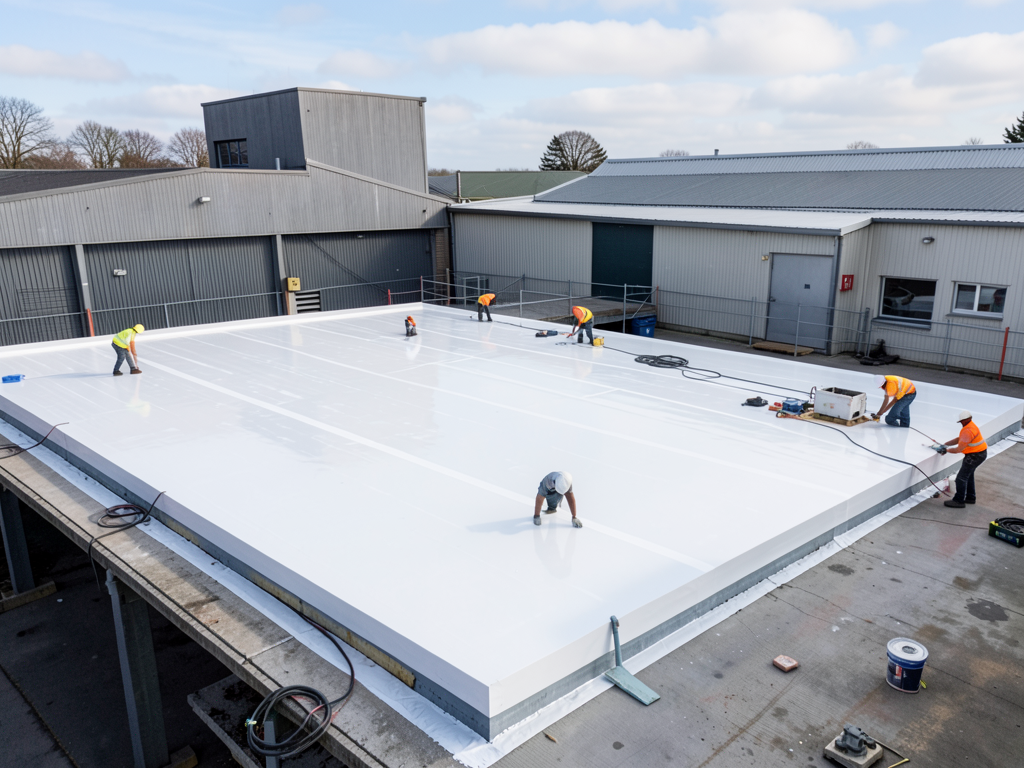
White roof coatings reflect 70-85% of solar radiation, cutting roof surface temperatures by 50-60°F. For a typical 50,000-square-foot warehouse in Kensington, this translates to $8,000-12,000 in annual cooling savings. The coatings also extend roof life by protecting the underlying membrane from UV degradation and thermal shock.
Philadelphia’s building code actually encourages cool roofs. The Philadelphia Building Code (Chapter 14-600) offers density bonuses for buildings that install high-reflectivity roofing systems, and PECO offers rebates up to $0.20 per square foot for ENERGY STAR certified roof coatings. How Much Does a Full Roof Replacement Actually Cost in Philadelphia Right Now.
TPO vs PVC — The Technical Breakdown
Both TPO and PVC are thermoplastic membranes, but their chemistry creates different performance profiles. TPO uses a polyolefin base with flame-retardant additives. PVC uses a vinyl base with plasticizers for flexibility.
The fundamental difference shows up in chemical resistance. PVC handles oils, greases, and industrial chemicals far better than TPO. If your warehouse processes food, chemicals, or has rooftop equipment that leaks, PVC’s resistance to degradation becomes critical.. Read more about TPO vs EPDM — Which Material Is Better for South Philly Flat Roofs?.
TPO costs less upfront — typically $5-7 per square foot installed versus $7-9 for PVC. But TPO’s shorter lifespan in Philadelphia’s climate (15-20 years versus 20-25 for PVC) narrows that initial savings gap over time.
Climate Performance in Kensington’s Industrial Corridor
Kensington’s proximity to the Delaware River creates unique weather patterns. The river moderates temperatures but increases humidity, which affects roof coating performance differently for each material.
TPO handles high temperatures better but struggles with humidity. The polyolefin base can absorb moisture over time, leading to seam failures during Philadelphia’s muggy summers. You’ll notice this as bubbling or delamination around rooftop penetrations.
PVC’s vinyl composition resists moisture absorption completely. The material maintains its dimensional stability even when humidity hits 90% during those August heat waves. This makes PVC more reliable for warehouses near the river or those with rooftop HVAC units that create condensation.
Winter performance tells another story. TPO becomes more brittle below 20°F, making it vulnerable to impact damage from snow removal equipment or falling ice. PVC stays flexible down to 0°F, maintaining impact resistance through Kensington’s coldest months. Winter Roof Maintenance Tips.
Cost Analysis Over 20 Years
Initial installation costs tell only part of the story. Here’s what a 50,000-square-foot warehouse in Kensington actually pays over two decades:
| Cost Factor | TPO System | PVC System |
|---|---|---|
| Initial Installation | $250,000-350,000 | $350,000-450,000 |
| Energy Savings (20 yrs) | $160,000-240,000 | $160,000-240,000 |
| Maintenance Costs | $40,000-60,000 | $30,000-45,000 |
| Replacement at Year 15 | $250,000-350,000 | None |
| Total 20-Year Cost | $380,000-510,000 | $420,000-495,000 |
The numbers shift based on your specific situation. If you need to replace at year 15, TPO’s total cost jumps above PVC. But if you keep the TPO for its full 20-year potential, the savings are comparable.
Installation Requirements and Timeline
Both systems require similar installation processes, but timing matters more in Philadelphia than in other regions. The ideal application window runs from April through October when temperatures stay above 40°F and humidity remains manageable.
Winter installations are possible but add 20-30% to costs due to heating requirements and slower cure times. Summer installations during heat waves can cause material shrinkage if not properly managed.
The installation process itself takes 2-3 weeks for a typical warehouse. Crews start with power washing to remove debris and contaminants, then apply primer to ensure proper adhesion. Seams get reinforced with specialized tape or welding, followed by the base coat and final reflective topcoat.
During installation, your warehouse remains operational. Crews work in sections, maintaining access to loading docks and critical areas. The roof can handle foot traffic within 24 hours and full loading within 72 hours.
Maintenance Requirements by Material
Both systems need annual inspections, but their failure modes differ. TPO develops cracks at stress points — typically around rooftop units, expansion joints, and drainage areas. You’ll notice these as linear splits that widen over time.
PVC fails differently. The material resists cracking but can develop pinhole leaks at seams, especially if installation quality was compromised. These show as small, isolated wet spots rather than widespread cracking.
Maintenance costs average $0.10-0.15 per square foot annually. This covers cleaning, seam inspection, and spot repairs. TPO typically needs 2-3 repair visits over its lifespan. PVC might need only one, but repairs cost more due to specialized welding requirements.
Energy Performance Metrics
White roof coatings earn their keep through energy savings, but performance varies by material. Both TPO and PVC achieve Solar Reflectance Index (SRI) values above 100, qualifying for ENERGY STAR certification.
TPO maintains reflectivity slightly better over time — about 5-7% better after five years. The polyolefin surface resists dirt accumulation more effectively than PVC’s smoother finish. However, this advantage disappears if your warehouse processes dusty materials or sits near heavy traffic.
PVC’s reflectivity drops faster but stabilizes. After the initial 10-15% loss in the first two years, performance remains consistent. The material’s flexibility helps it maintain contact with the substrate, preventing the small gaps that reduce reflectivity in TPO.
Actual energy savings depend on your HVAC system efficiency and building insulation. A well-insulated warehouse with modern HVAC might see 15-20% cooling savings. An older building with minimal insulation could save 25-30%.
Making the Right Choice for Your Kensington Warehouse
Choose TPO if your priorities are upfront cost, ease of installation, and you have a clean environment with minimal chemical exposure. TPO works best for distribution centers, light manufacturing, and storage facilities.
Choose PVC if you process food, chemicals, or have rooftop equipment that might leak. PVC also makes sense if you want maximum lifespan and can afford the higher initial investment. Restaurants, chemical processors, and facilities with heavy rooftop equipment benefit most from PVC’s durability.
Consider hybrid approaches too. Some warehouses use TPO for the majority of the roof but specify PVC in high-risk areas like loading docks or chemical storage zones. This balances cost with protection where it matters most.
Your decision should factor in your planned ownership timeline. If you’ll sell within five years, TPO’s lower upfront cost makes sense. If you’re planning a 15+ year hold, PVC’s longevity and lower maintenance costs often win out.
Installation Quality — The Make-or-Break Factor
Neither material performs well with poor installation. TPO seams fail when not properly welded — you’ll see this as separation along long runs or at corners. PVC develops fish-mouths and wrinkles when not properly tensioned during installation.
Look for contractors with specific experience in your material choice. TPO requires different welding techniques than PVC. The wrong approach with either material creates immediate failure points.
Ask potential contractors for project portfolios showing similar warehouses in Philadelphia. Request references from facilities that have had their roofs for at least three years. This proves the installation quality held up under local conditions.
Also verify manufacturer certifications. Both TPO and PVC manufacturers offer training programs. Certified installers understand material-specific requirements and warranty conditions.
Philadelphia-Specific Considerations
Kensington’s industrial history creates unique challenges. Many warehouses sit on former industrial sites with potential soil contamination. This affects drainage patterns and can influence roof coating selection.
The area’s aging infrastructure means some buildings have structural limitations. A 100-year-old warehouse frame might not support the weight of certain roofing systems or equipment. Always verify load capacity before installation. Roofing Pittsburgh.
Philadelphia’s stormwater regulations require commercial properties to manage runoff effectively. White roof coatings help by reducing heat absorption, but you may need additional drainage solutions depending on your site configuration.
Local building inspectors in Philadelphia’s River Wards are particularly strict about commercial roofing permits. Ensure your contractor pulls proper permits and schedules inspections at key installation milestones. Roofing Allentown.
Frequently Asked Questions
How long does a white roof coating last in Philadelphia’s climate?
Quality TPO coatings last 15-20 years, while PVC systems typically last 20-25 years. Harsh winters and humid summers can shorten these timelines by 2-3 years without proper maintenance.
Can I install a white roof coating over my existing roof?
Yes, if your current roof is structurally sound and the surface is properly prepared. Most commercial buildings in Kensington can have coatings applied directly over existing single-ply membranes or modified bitumen.
What’s the best time of year to install in Philadelphia?
Aim for April through October when temperatures stay above 40°F. Summer installations work but require careful timing to avoid heat-related material issues. Winter installations are possible but add significant costs.
Will a white roof coating help with heating costs in winter?
White coatings reflect heat year-round, so they can increase heating costs slightly during winter. However, Philadelphia’s long cooling season means the summer savings far outweigh minor winter increases.
Ready to Cut Your Warehouse Energy Costs?
Don’t let another summer of high energy bills drain your profits. The right white roof coating can save you thousands while protecting your building investment. But timing matters — installation windows are limited and contractor schedules fill fast.
Call (267) 344-1222 today to schedule your free roof assessment. We’ll evaluate your current roof condition, analyze your energy usage patterns, and recommend the best coating system for your specific needs. Our Kensington warehouse specialists understand the unique challenges of Philadelphia’s industrial corridor and can help you make the right investment.
Pick up the phone and call (267) 344-1222 before the next heat wave hits. Your energy bills will thank you.
{
“@context”: “https://schema.org”,
“@type”: “BlogPosting”,
“headline”: “TPO vs PVC — Which White Roof Coating Is Best for Your Kensington Warehouse?”,
“description”: “Comparing TPO and PVC white roof coatings for Philadelphia warehouses. Learn which system offers better durability, energy savings, and ROI for your Kensington facility.”,
“wordCount”: 1742,
“datePublished”: “2026-03-14T15:38:00.000Z”,
“dateModified”: “2026-03-14T15:38:00.000Z”,
“inLanguage”: “en-US”,
“mainEntityOfPage”: {
“@type”: “WebPage”,
“@id”: “https://atlasroofingphiladelphia.com”
},
“publisher”: {
“@type”: “LocalBusiness”,
“name”: “Atlas Roofing Philadelphia”,
“url”: “https://atlasroofingphiladelphia.com”
},
“author”: {
“@type”: “Organization”,
“name”: “Atlas Roofing Philadelphia”,
“url”: “https://atlasroofingphiladelphia.com”
},
“image”: {
“@type”: “ImageObject”,
“url”: “https://atlasroofingphiladelphia.com/wp-content/uploads/2026/03/tpo-vs-pvc-which-white-roof-coating-is-best-for-yo-1.png”
}
}
{
“@context”: “https://schema.org”,
“@type”: “RoofingContractor”,
“name”: “Atlas Roofing Philadelphia”,
“url”: “https://atlasroofingphiladelphia.com”,
“address”: {
“@type”: “PostalAddress”,
“addressLocality”: “Philadelphia”
},
“areaServed”: {
“@type”: “City”,
“name”: “Philadelphia”
}
}
{
“@context”: “https://schema.org”,
“@type”: “FAQPage”,
“mainEntity”: [
{
“@type”: “Question”,
“name”: “How long does a white roof coating last in Philadelphia’s climate?”,
“acceptedAnswer”: {
“@type”: “Answer”,
“text”: “Quality TPO coatings last 15-20 years, while PVC systems typically last 20-25 years. Harsh winters and humid summers can shorten these timelines by 2-3 years without proper maintenance.”
}
},
{
“@type”: “Question”,
“name”: “Can I install a white roof coating over my existing roof?”,
“acceptedAnswer”: {
“@type”: “Answer”,
“text”: “Yes, if your current roof is structurally sound and the surface is properly prepared. Most commercial buildings in Kensington can have coatings applied directly over existing single-ply membranes or modified bitumen.”
}
},
{
“@type”: “Question”,
“name”: “What’s the best time of year to install in Philadelphia?”,
“acceptedAnswer”: {
“@type”: “Answer”,
“text”: “Aim for April through October when temperatures stay above 40°F. Summer installations work but require careful timing to avoid heat-related material issues. Winter installations are possible but add significant costs.”
}
},
{
“@type”: “Question”,
“name”: “Will a white roof coating help with heating costs in winter?”,
“acceptedAnswer”: {
“@type”: “Answer”,
“text”: “White coatings reflect heat year-round, so they can increase heating costs slightly during winter. However, Philadelphia’s long cooling season means the summer savings far outweigh minor winter increases.”
}
},
{
“@type”: “Question”,
“name”: “Ready to Cut Your Warehouse Energy Costs?”,
“acceptedAnswer”: {
“@type”: “Answer”,
“text”: “Don’t let another summer of high energy bills drain your profits. The right white roof coating can save you thousands while protecting your building investment. But timing matters — installation windows are limited and contractor schedules fill fast.”
}
}
]
}
{
“@context”: “https://schema.org”,
“@type”: “BreadcrumbList”,
“itemListElement”: [
{
“@type”: “ListItem”,
“position”: 1,
“name”: “Home”,
“item”: “https://atlasroofingphiladelphia.com”
},
{
“@type”: “ListItem”,
“position”: 2,
“name”: “Blog”,
“item”: “https://atlasroofingphiladelphia.com/blog”
},
{
“@type”: “ListItem”,
“position”: 3,
“name”: “TPO vs PVC — Which White Roof Coating Is Best for Your Kensington Warehouse?”
}
]
}
{
“@context”: “https://schema.org”,
“@type”: “Service”,
“serviceType”: “Roofing”,
“provider”: {
“@type”: “LocalBusiness”,
“name”: “Atlas Roofing Philadelphia”,
“url”: “https://atlasroofingphiladelphia.com”
},
“areaServed”: {
“@type”: “City”,
“name”: “Philadelphia”
},
“description”: “Comparing TPO and PVC white roof coatings for Philadelphia warehouses. Learn which system offers better durability, energy savings, and ROI for your Kensington facility.”
}