
The Best Way to Ventilate a Finished Attic in a Manayunk Victorian
Converting your Manayunk Victorian’s attic into livable space creates a beautiful third-floor retreat, but without proper ventilation, that extra room becomes a heat trap that damages your roof and drives up energy bills. The steep gables and complex rooflines of these historic homes create unique airflow challenges that standard ventilation systems simply cannot handle. Why More Homeowners in Manayunk Are Switching to Metal Roofing.
The key to attic comfort lies in understanding Philadelphia’s climate. Our humid summers push attic temperatures above 130 degrees when ventilation fails, while winter freeze-thaw cycles create ice dams that force water under shingles. Manayunk’s location along the Schuylkill River corridor means your home experiences slightly higher humidity levels than neighborhoods further inland, making moisture management critical for long-term structural health. Winter Roof Maintenance Tips.
Before you finish that attic space, you need a balanced ventilation system that works with your Victorian’s architecture. This means equal amounts of intake and exhaust ventilation calculated to meet Pennsylvania building code requirements. Without this balance, you create negative pressure that pulls conditioned air from your living spaces, wasting energy and potentially causing moisture problems in walls and ceilings.
Let’s examine the specific challenges of Victorian attic ventilation and the proven solutions that protect your investment while keeping those third-floor bedrooms comfortable year-round.
The Challenge of Finished Attic Airflow
Traditional attic ventilation relies on an open, unconditioned space where air flows freely from soffit vents through the attic and exits through ridge vents. When you finish an attic, you seal off that natural airflow path by adding insulation to the roof deck and creating conditioned living space. This transforms your attic from a passive ventilation chamber into a potential heat trap.. Read more about Why Ridge Vents Alone Might Not Be Enough for Your Hot Attic in Wynnefield.
Victorian homes in Manayunk present specific challenges. Their steep roof pitches often include multiple valleys, dormers, and intersecting roof planes that create dead air spaces where moisture and heat accumulate. The original construction methods used balloon framing that allows air to move between walls and attic spaces, creating thermal bypasses that standard insulation cannot address.
During a recent inspection on Cresson Street, we found a finished attic where the homeowner had installed fiberglass batts directly against the roof deck. This blocked all airflow and created a perfect environment for mold growth. The moisture content in the sheathing measured 18 percent, well above the 12 percent threshold where wood begins to deteriorate. The attic smelled musty, and dark spots were visible on the underside of the roof deck.
The solution required removing the existing insulation, installing proper rafter baffles to maintain airflow channels, and creating a new ventilation strategy that worked with the home’s historic architecture. This type of diagnostic work is essential before any finishing work begins.
The Balanced System: Intake vs. Exhaust in Restricted Spaces
A balanced ventilation system requires equal amounts of intake and exhaust to create continuous airflow. For finished attics, this means calculating the Net Free Area needed based on the attic floor space and ensuring your intake vents can actually deliver that air to the exhaust points. How Much Does a Full Roof Replacement Actually Cost in Philadelphia Right Now.
Pennsylvania building code follows the International Residential Code, which requires 1 square foot of ventilation for every 150 square feet of attic floor space when using a balanced system. However, if you install a vapor barrier and use high-performance insulation, this ratio can be reduced to 1:300. Most Manayunk Victorians need the 1:150 ratio due to their age and construction methods. National Association of Certified Home Inspectors.
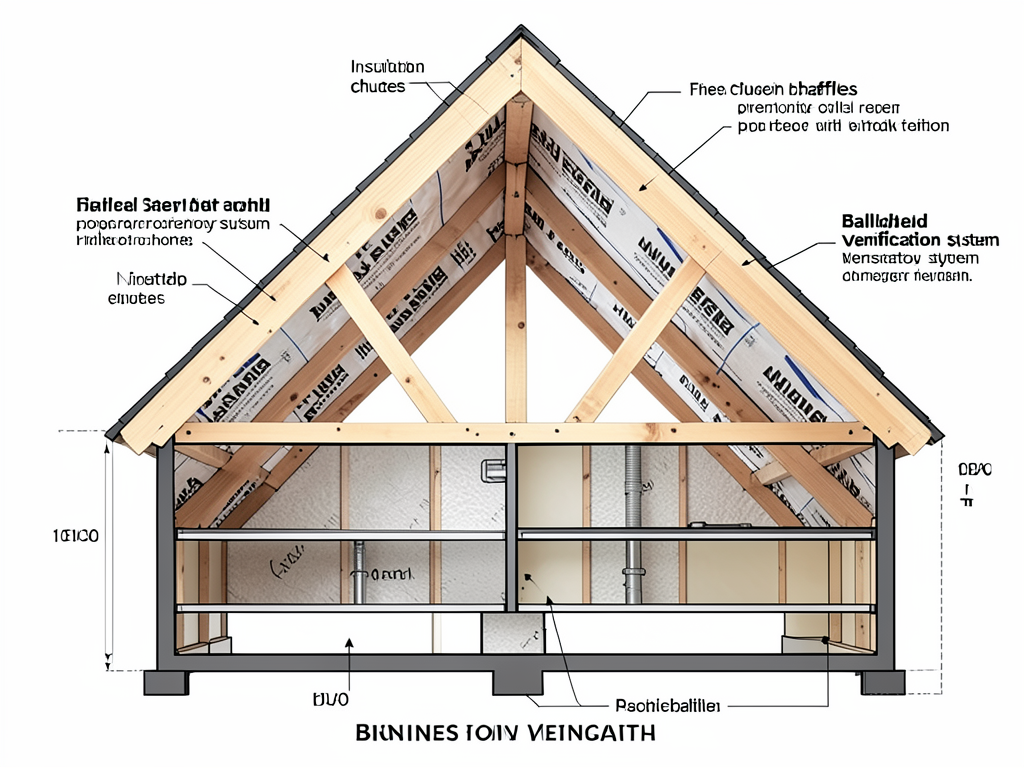
The intake side typically uses soffit vents or edge vents installed at the eaves. These must remain clear of insulation to function properly. Rafter baffles, also called insulation chutes, are essential components that maintain a clear air channel from the soffit to the attic space above the insulation. Without these chutes, even the best exhaust vents cannot pull air through the system.
Exhaust options for finished attics include ridge vents, gable vents, or powered attic fans. Ridge vents work best for continuous exhaust along the peak, but Victorian rooflines often have multiple peaks and valleys that complicate installation. Powered fans can overcome these challenges but require careful sizing to avoid creating negative pressure that pulls air from your living spaces.
Here’s a comparison of ventilation options for finished attics:
| Ventilation Type | Net Free Area | Installation Complexity | Best For |
|---|---|---|---|
| Ridge Vent (Shingle-Over) | 12-18 sq in/ft | Moderate | Continuous ridges |
| Power Attic Fan | Variable | High | Complex rooflines |
| Gable Vent | 12-18 sq in/ft | Low | Simple gable ends |
| Soffit Vent (Continuous) | 9-15 sq in/ft | Low | Intake ventilation |
Philadelphia-Specific Considerations
Philadelphia’s climate creates ventilation requirements that differ from national standards. Our high summer humidity means attics need more airflow to prevent moisture accumulation than homes in drier climates. The freeze-thaw cycles common in January and February create ice dam conditions that standard ventilation cannot address.
Manayunk’s location along the Schuylkill River means your home experiences microclimatic conditions that affect attic performance. The river valley creates slightly higher humidity levels and more frequent fog compared to neighborhoods on higher ground. This moisture settles in poorly ventilated attics and creates ideal conditions for mold growth.
Philadelphia’s Historic Preservation guidelines also affect ventilation choices for Victorian homes. Any exterior modifications must maintain the home’s historic character, which can limit options for ridge vents or other visible ventilation components. Working with a contractor familiar with both building codes and historic preservation requirements is essential.
The Philadelphia Department of Licenses and Inspections requires permits for attic finishing work that affects the building envelope. This includes any changes to roof ventilation, insulation, or structural components. Skipping permits can result in fines and complicate future home sales. EPA Ventilation Guidelines.
During our work on Dupont Street, we encountered a Victorian where previous owners had finished the attic without proper permits or ventilation. The roof deck showed signs of rot, and the insulation had compressed from moisture damage. We had to coordinate with L&I to bring the work up to current code while preserving the home’s historic character.
Active vs. Passive Ventilation Solutions
Passive ventilation systems rely on natural convection to move air through your attic. These systems are quieter, have no operating costs, and require minimal maintenance. However, they depend on adequate temperature differences between the attic and outside air to create airflow.
Active ventilation uses powered fans to move air regardless of temperature differences. These systems can move significantly more air than passive systems and work well for complex rooflines or situations where passive ventilation is insufficient. The trade-off is higher initial costs, ongoing electricity usage, and potential noise issues.
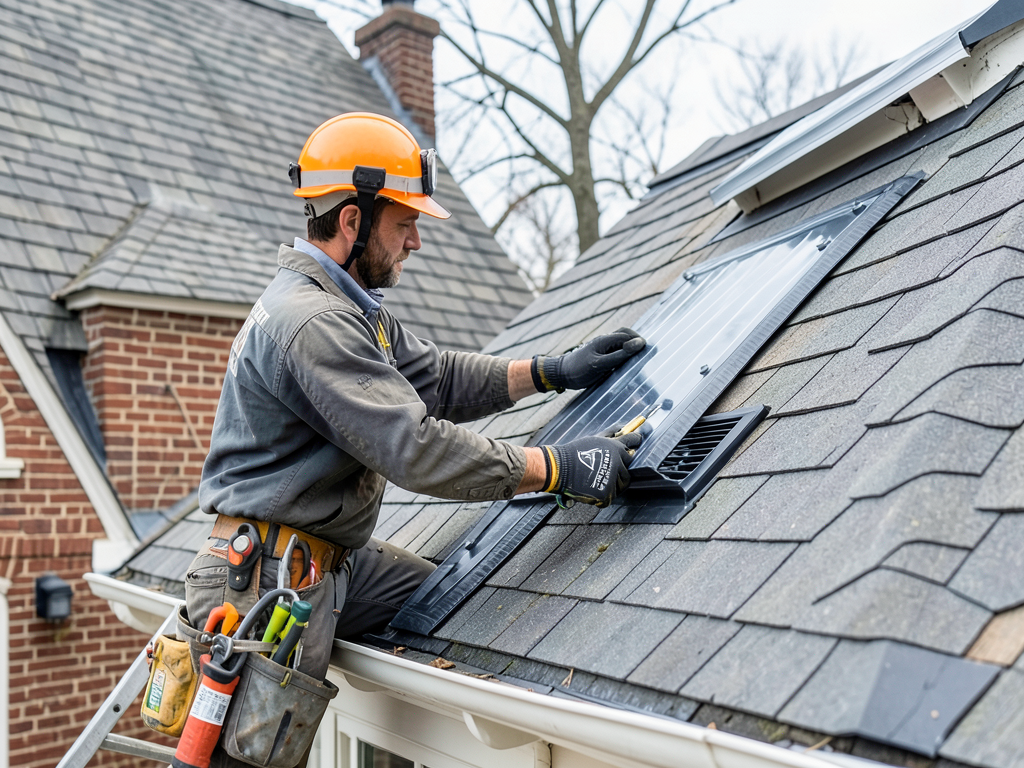
Solar-powered attic fans have become popular for finished attics because they provide active ventilation without increasing electricity bills. These units mount on the roof and use photovoltaic panels to power the fan. The challenge is ensuring adequate solar exposure on Victorian rooflines that often have multiple intersecting planes and dormers.
Electric-powered fans offer more consistent performance but require wiring and ongoing operating costs. They work best when integrated with whole-house ventilation systems or when sized to move specific air volumes based on attic size and local climate conditions. The Best Local Roofing Companies for Luxury Homes on the Main Line.
Hybrid systems combine passive and active components to provide reliable ventilation under all conditions. These typically use ridge vents or other passive exhaust with a thermostatically controlled fan that activates only when temperatures exceed preset levels.
Here’s how different ventilation approaches compare for finished Victorian attics:
| System Type | Initial Cost | Operating Cost | Maintenance | Best Use Case |
|---|---|---|---|---|
| Passive (Ridge + Soffit) | Low | None | Minimal | Simple rooflines |
| Solar Powered Fan | Medium | None | Low | Moderate complexity |
| Electric Powered Fan | Medium-High | Monthly | Medium | Complex attics |
| Hybrid System | High | Low-Medium | Medium | Historic homes |
Calculating Your Net Free Area (NFA)
Net Free Area represents the actual open space available for air to pass through your ventilation system. Manufacturers often advertise the total vent area, but the NFA is always smaller due to louvers, screens, and other obstructions that reduce airflow.
To calculate your required NFA, measure your attic floor area in square feet and divide by 150 for standard ventilation or 300 for high-performance systems. For a typical Manayunk Victorian with a 1,200 square foot attic, you need 8 square feet of total NFA (1,200 ÷ 150 = 8).
This 8 square feet should be split equally between intake and exhaust. If you’re using ridge vents with an NFA of 12 square inches per linear foot, you need approximately 8 feet of ridge vent (8 sq ft × 144 sq in/sq ft ÷ 12 sq in/ft = 96 inches).
Soffit vents typically provide 9-15 square inches of NFA per linear foot. For 4 square feet of intake NFA, you need 32-53 square feet of soffit vent (4 sq ft × 144 sq in/sq ft ÷ 9-15 sq in/ft).
Many Victorian homes lack adequate soffit space for traditional soffit vents. In these cases, edge vents installed at the roof edge can provide intake ventilation while maintaining the home’s historic appearance.
Here’s a simplified NFA calculation guide for common attic sizes:
| Attic Floor Area | Required NFA (1:150) | Intake NFA Needed | Exhaust NFA Needed |
|---|---|---|---|
| 800 sq ft | 5.3 sq ft | 2.7 sq ft | 2.7 sq ft |
| 1,000 sq ft | 6.7 sq ft | 3.3 sq ft | 3.3 sq ft |
| 1,200 sq ft | 8.0 sq ft | 4.0 sq ft | 4.0 sq ft |
| 1,500 sq ft | 10.0 sq ft | 5.0 sq ft | 5.0 sq ft |
Remember that these are minimum requirements. Homes in Manayunk often benefit from slightly higher ventilation rates due to our humid climate and the age of many Victorian structures.
Common Ventilation Mistakes to Avoid
One of the most common mistakes is blocking soffit vents with insulation. Even with proper rafter baffles installed, loose-fill insulation can drift and cover the intake openings. This creates a system that looks correct but cannot function properly.
Another frequent error is mixing different types of exhaust vents on the same roof plane. Having both ridge vents and gable vents creates short-circuiting where air enters through one exhaust vent and exits through another without passing through the entire attic space.
Undersizing the ventilation system is particularly problematic for finished attics. The additional heat load from conditioned living space requires more airflow than an unfinished attic of the same size. Many homeowners discover this too late, after experiencing comfort issues and high cooling costs.
Ignoring Philadelphia’s climate when selecting ventilation components leads to system failure. Vents that work well in arid climates often fail in our humid environment due to moisture-related deterioration. Always choose components rated for high-humidity applications.
Finally, failing to coordinate ventilation with insulation upgrades creates thermal bypass problems. When you add insulation to meet current code requirements, you must also upgrade your ventilation to handle the reduced natural airflow through the attic space.. Read more about The Best Way to Handle Downspout Runoff in Narrow Manayunk Alleyways.
Professional Assessment: What to Expect
A professional attic ventilation assessment involves more than just counting vents. The technician should use a moisture meter to check the roof deck for existing water damage, infrared imaging to identify thermal bypasses, and airflow measurements to verify your current system’s performance.
During our assessments, we measure attic temperatures at different heights to understand stratification patterns. We also check for proper insulation installation and look for signs of animal intrusion that could block ventilation pathways. The entire process typically takes 1-2 hours for a thorough evaluation.
The assessment should include a calculation of your current Net Free Area compared to code requirements. We also evaluate your roof’s condition, since ventilation problems often accelerate shingle deterioration and can void manufacturer warranties.
Based on our findings, we provide a detailed report with specific recommendations. This might include adding intake vents, upgrading exhaust components, or installing powered ventilation for complex rooflines. We also identify any structural repairs needed before ventilation improvements can be effective.
Professional assessment is particularly important for Manayunk Victorians due to their age and construction methods. Many of these homes have undocumented modifications that affect ventilation performance, and only hands-on inspection can identify these issues.
Long-Term Benefits of Proper Attic Ventilation
Investing in proper attic ventilation delivers returns that extend far beyond comfort. Your roof shingles last significantly longer when attic temperatures remain moderate. Asphalt shingles exposed to constant high heat can fail in 12-15 years instead of the expected 25-30 years.
Energy costs decrease when your HVAC system doesn’t have to overcome extreme attic temperatures. A properly ventilated attic can be 20-30 degrees cooler than an unventilated space during summer months, reducing the cooling load on your second-floor rooms.
Moisture control prevents the mold and mildew growth that can cause health problems and structural damage. The cost of remediation for a mold-infested attic often exceeds the cost of proper ventilation by a factor of three or more.
Proper ventilation also helps maintain your home’s value by preventing the hidden damage that occurs when moisture accumulates in attic spaces. Buyers and home inspectors look for signs of ventilation problems, and addressing these issues proactively makes your home more marketable.
Finally, correct ventilation ensures your roof warranty remains valid. Most shingle manufacturers require specific ventilation standards to honor their warranties, and inadequate ventilation is a common reason for claim denial.
Ready to make your finished attic comfortable and protect your Victorian home? Call (267) 344-1222 today to schedule your professional ventilation assessment. Our team understands the unique challenges of Manayunk’s historic homes and can design a system that works with your home’s architecture while meeting all code requirements.
Frequently Asked Questions
How much does it cost to ventilate a finished attic in a Victorian home?
Costs vary based on your specific roof configuration and the ventilation system needed. Simple passive systems start around $1,500, while complex powered systems for historic homes can exceed $5,000. Most Manayunk Victorians fall in the $2,500-$3,500 range for a complete ventilation upgrade.
Will adding ventilation vents damage my home’s historic character?
Not necessarily. Many ventilation solutions can be installed with minimal visual impact. Edge vents, for example, are nearly invisible from the street. We also work with the Philadelphia Historical Commission when needed to ensure any modifications meet preservation guidelines.
How long does attic ventilation installation take?
Most ventilation projects take 1-2 days to complete. This includes removal of any existing problematic components, installation of new vents, and final testing. Complex systems or homes requiring structural repairs may take longer.
Can I install attic ventilation myself?
While some basic ventilation improvements are DIY-friendly, proper attic ventilation requires understanding building codes, calculating airflow requirements, and working safely in confined spaces. Mistakes can lead to moisture damage, energy waste, and even roof failure. Professional installation ensures the job is done correctly.
How do I know if my finished attic has ventilation problems?
Signs include excessive heat in summer, ice dam formation in winter, musty odors, visible moisture on roof sheathing, or high cooling costs. If your third-floor rooms are uncomfortable or your energy bills are unusually high, you likely have ventilation issues that need professional assessment.
[IMAGE_PLACEHOVER_1]
Don’t let poor ventilation ruin your finished attic space. Call (267) 344-1222 now to schedule your assessment before the next heat wave hits. Our experts will evaluate your Victorian’s unique ventilation needs and recommend solutions that protect your investment while keeping your home comfortable year-round.
You may also find this helpful. Choosing the Right Style of Standing Seam Metal for a Victorian Porch in Germantown.
{
“@context”: “https://schema.org”,
“@type”: “BlogPosting”,
“headline”: “The Best Way to Ventilate a Finished Attic in a Manayunk Victorian”,
“description”: “Learn how to properly ventilate finished attics in Manayunk’s Victorian homes. Discover balanced systems, code requirements, and local climate solutions from Philadelphia roofing experts.”,
“wordCount”: 2549,
“datePublished”: “2026-06-02T10:32:00.000Z”,
“dateModified”: “2026-06-02T10:32:00.000Z”,
“inLanguage”: “en-US”,
“mainEntityOfPage”: {
“@type”: “WebPage”,
“@id”: “https://atlasroofingphiladelphia.com”
},
“publisher”: {
“@type”: “LocalBusiness”,
“name”: “Atlas Roofing Philadelphia”,
“url”: “https://atlasroofingphiladelphia.com”
},
“author”: {
“@type”: “Organization”,
“name”: “Atlas Roofing Philadelphia”,
“url”: “https://atlasroofingphiladelphia.com”
},
“image”: {
“@type”: “ImageObject”,
“url”: “https://atlasroofingphiladelphia.com/wp-content/uploads/2026/03/the-best-way-to-ventilate-a-finished-attic-in-a-ma-1.png”
}
}
{
“@context”: “https://schema.org”,
“@type”: “RoofingContractor”,
“name”: “Atlas Roofing Philadelphia”,
“url”: “https://atlasroofingphiladelphia.com”,
“address”: {
“@type”: “PostalAddress”,
“addressLocality”: “Philadelphia”
},
“areaServed”: {
“@type”: “City”,
“name”: “Philadelphia”
}
}
{
“@context”: “https://schema.org”,
“@type”: “FAQPage”,
“mainEntity”: [
{
“@type”: “Question”,
“name”: “How much does it cost to ventilate a finished attic in a Victorian home?”,
“acceptedAnswer”: {
“@type”: “Answer”,
“text”: “Costs vary based on your specific roof configuration and the ventilation system needed. Simple passive systems start around $1,500, while complex powered systems for historic homes can exceed $5,000. Most Manayunk Victorians fall in the $2,500-$3,500 range for a complete ventilation upgrade.”
}
},
{
“@type”: “Question”,
“name”: “Will adding ventilation vents damage my home’s historic character?”,
“acceptedAnswer”: {
“@type”: “Answer”,
“text”: “Not necessarily. Many ventilation solutions can be installed with minimal visual impact. Edge vents, for example, are nearly invisible from the street. We also work with the Philadelphia Historical Commission when needed to ensure any modifications meet preservation guidelines.”
}
},
{
“@type”: “Question”,
“name”: “How long does attic ventilation installation take?”,
“acceptedAnswer”: {
“@type”: “Answer”,
“text”: “Most ventilation projects take 1-2 days to complete. This includes removal of any existing problematic components, installation of new vents, and final testing. Complex systems or homes requiring structural repairs may take longer.”
}
},
{
“@type”: “Question”,
“name”: “Can I install attic ventilation myself?”,
“acceptedAnswer”: {
“@type”: “Answer”,
“text”: “While some basic ventilation improvements are DIY-friendly, proper attic ventilation requires understanding building codes, calculating airflow requirements, and working safely in confined spaces. Mistakes can lead to moisture damage, energy waste, and even roof failure. Professional installation ensures the job is done correctly.”
}
}
]
}
{
“@context”: “https://schema.org”,
“@type”: “BreadcrumbList”,
“itemListElement”: [
{
“@type”: “ListItem”,
“position”: 1,
“name”: “Home”,
“item”: “https://atlasroofingphiladelphia.com”
},
{
“@type”: “ListItem”,
“position”: 2,
“name”: “Blog”,
“item”: “https://atlasroofingphiladelphia.com/blog”
},
{
“@type”: “ListItem”,
“position”: 3,
“name”: “The Best Way to Ventilate a Finished Attic in a Manayunk Victorian”
}
]
}
{
“@context”: “https://schema.org”,
“@type”: “Service”,
“serviceType”: “Roofing”,
“provider”: {
“@type”: “LocalBusiness”,
“name”: “Atlas Roofing Philadelphia”,
“url”: “https://atlasroofingphiladelphia.com”
},
“areaServed”: {
“@type”: “City”,
“name”: “Philadelphia”
},
“description”: “Learn how to properly ventilate finished attics in Manayunk’s Victorian homes. Discover balanced systems, code requirements, and local climate solutions from Philadelphia roofing experts.”
}