
Stopping Leaks Where Your Roof Meets the Siding on Strawberry Mansion Homes
Water damage at the junction where your roof meets the siding is the most common cause of interior ceiling stains in Strawberry Mansion homes. This vulnerable area requires proper flashing installation to prevent moisture from seeping into your walls and causing rot, mold, and structural damage. Here’s what every homeowner needs to know about protecting this critical intersection.. Read more about Finding the Source of Water Stains on Your Ceiling in Cobbs Creek.
Why Roof-Wall Connections Fail in Philadelphia’s Climate
Strawberry Mansion’s historic brick row homes face unique challenges from Philadelphia’s freeze-thaw cycles. When temperatures fluctuate between 20掳F and 40掳F, water trapped behind failing flashing expands and contracts, breaking the seal. The Philadelphia Water Department’s stormwater management requirements mean many homes have modified drainage that affects how water flows across roof-wall intersections. Philadelphia Department of Licenses and Inspections.
The most vulnerable areas are where additions meet the main structure, dormer walls, and chimneys. These spots collect water during our heavy summer thunderstorms and winter nor’easters. Without proper step flashing and counter flashing, water finds its way behind siding and into your living space. Winter Roof Maintenance Tips.
Signs Your Roof-Wall Flashing Needs Repair
- Water stains on interior walls near the ceiling
- Cracked or missing mortar between bricks where roof meets wall
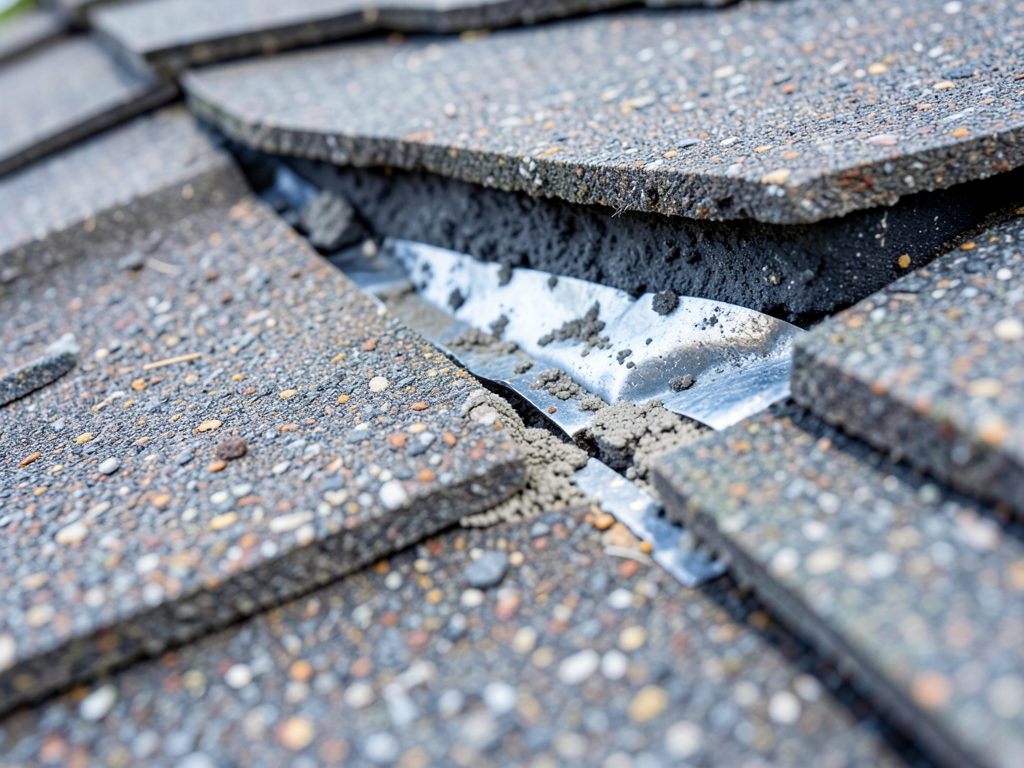
- Lifting or curling shingles at roof-wall intersections
- Visible gaps where siding meets the roofline
- Moss or algae growth in these areas indicating persistent moisture
Many Strawberry Mansion homeowners notice these problems after heavy rainfall or snowmelt. The damage often appears worse on the side of the house facing prevailing winds, which drive rain directly into vulnerable flashing areas. Why More Homeowners in Manayunk Are Switching to Metal Roofing.
Types of Flashing for Roof-Wall Connections
| Flashing Type | Best Used For | Material Options |
|---|---|---|
| Step Flashing | Roof slope meeting vertical walls | Aluminum, Copper, Galvanized Steel |
| Counter Flashing | Masonry walls over step flashing | Copper, Stainless Steel, Lead |
| Apron Flashing | Continuous roof-wall junctions | Aluminum, PVC, Modified Bitumen |
Step flashing works like overlapping shingles, directing water down and away from the wall. Counter flashing is embedded into mortar joints and folds over the step flashing, creating a secondary barrier. Both are required by Philadelphia building codes for proper roof-wall integration.
The Professional Repair Process
- Assessment and Removal
Technicians remove damaged shingles and inspect the substrate for rot or water damage. This reveals the full extent of the problem.
- Old Flashing Removal
Carefully remove all failing flashing without damaging surrounding materials. This includes cutting out old counter flashing from mortar joints.
- Surface Preparation
Clean the area thoroughly and repair any damaged sheathing or underlayment. Apply ice and water shield for added protection. EPA WaterSense guidelines.
- New Flashing Installation
Install new step flashing under each course of shingles, overlapping properly. Embed counter flashing into clean mortar joints.
- Sealing and Testing
Apply polyurethane sealant at critical joints and test the repair with controlled water application.
The entire process typically takes 1-2 days depending on weather conditions and the repair area’s complexity. Quality workmanship ensures the repair lasts 20-30 years under normal conditions.
Masonry Integration for Strawberry Mansion Homes
Philadelphia’s historic masonry requires specialized techniques. The “reglet” cut is a 1-inch wide groove cut into the mortar joint where counter flashing is inserted. This creates a mechanical bond that prevents water infiltration. The Philadelphia Department of Licenses and Inspections requires this method for homes in historic districts.. Read more about Why Historic Cornice Leaks Are So Hard to Trace in Callowhill Loft Buildings.
Many Strawberry Mansion homes feature soft brick that requires careful handling. Using the wrong tools or techniques can damage the masonry, creating new pathways for water entry. Professional roofers understand how to work with these materials without causing collateral damage.. Read more about Why Your Roof Leak is Causing Hidden Structural Rot in Your Walls.
Cost Factors for Flashing Repairs
| Factor | Impact on Cost | Typical Range |
|---|---|---|
| Linear Footage | Primary cost driver | $15-45 per linear foot |
| Material Choice | Copper costs 3x aluminum | $8-25 per linear foot |
| Accessibility | Steep roofs increase labor | +$200-500 |
| Existing Damage | Rot repair adds cost | $300-1,500 |
Most flashing repairs in Strawberry Mansion range from $800 to $3,500 depending on the scope. The investment prevents thousands in interior water damage repairs.
Why DIY Flashing Repairs Often Fail
Homeowners attempting DIY flashing repairs frequently miss critical steps. The “screwdriver test” reveals hidden damage – pressing along the roof-wall junction with a screwdriver can expose soft, rotted wood that isn’t visible from the surface. Without proper moisture barriers and sealing techniques, even new flashing can fail within months.
Philadelphia’s building codes require specific flashing methods that DIYers often overlook. Improper installation can void your roof warranty and create liability issues if water damage affects neighboring properties in these attached row homes.
Preventing Future Roof-Wall Leaks
Annual inspections catch problems before they cause interior damage. Look for cracked caulking, lifted shingles, and mortar deterioration. Clean gutters prevent water backup that forces moisture under flashing. Trim overhanging tree branches that deposit debris and create shade where moss grows.
During heavy storms, check your attic for signs of water entry. Early detection means smaller, less expensive repairs. Most professional roofers offer maintenance plans that include these inspections at a fraction of repair costs.
Emergency Response for Active Leaks
Active leaks require immediate attention to prevent structural damage. Place buckets under drips, move furniture away from affected areas, and document damage with photos for insurance purposes. Temporary tarping can prevent further water entry while waiting for professional repairs.
Most reputable roofing companies in Philadelphia offer 24/7 emergency service for active leaks. Quick response prevents mold growth and minimizes repair costs. The longer water enters your home, the more extensive and expensive the repairs become. The Best Local Roofing Companies for Luxury Homes on the Main Line.
Frequently Asked Questions
How long does a flashing repair typically last?
Properly installed flashing repairs last 20-30 years under normal conditions. Copper flashing can last even longer. The lifespan depends on material quality, installation technique, and exposure to harsh weather conditions.
Can I repair flashing without replacing my entire roof?
Yes. Flashing repairs are localized fixes that don’t require full roof replacement. This makes them cost-effective solutions for isolated problem areas. However, if your roof is over 20 years old, consider whether a partial replacement might be more economical long-term. How Much Does a Full Roof Replacement Actually Cost in Philadelphia Right Now.
How do I know if my flashing is failing?
Look for water stains on interior walls near the ceiling, cracked mortar at roof-wall junctions, and visible gaps where siding meets the roofline. You might also notice lifting shingles or moss growth in these areas, indicating persistent moisture problems.
Don’t wait until water damage becomes visible inside your home. The flashing at your roof-wall junction protects your Strawberry Mansion home from thousands of dollars in potential damage. Call (267) 344-1222 today to schedule your professional inspection before the next storm hits.
Early detection and repair save money and prevent the stress of emergency water damage situations. Our experienced technicians understand the unique challenges of Philadelphia’s historic homes and provide lasting solutions backed by quality workmanship guarantees.
{
“@context”: “https://schema.org”,
“@type”: “BlogPosting”,
“headline”: “Stopping Leaks Where Your Roof Meets the Siding on Strawberry Mansion Homes”,
“description”: “Roof leaks at the siding junction? Learn how to stop water damage at your Strawberry Mansion home’s roof-wall intersection with proven flashing repairs.”,
“wordCount”: 1155,
“datePublished”: “2026-05-06T07:32:00.000Z”,
“dateModified”: “2026-05-06T07:32:00.000Z”,
“inLanguage”: “en-US”,
“mainEntityOfPage”: {
“@type”: “WebPage”,
“@id”: “https://atlasroofingphiladelphia.com”
},
“publisher”: {
“@type”: “LocalBusiness”,
“name”: “Atlas Roofing Philadelphia”,
“url”: “https://atlasroofingphiladelphia.com”
},
“author”: {
“@type”: “Organization”,
“name”: “Atlas Roofing Philadelphia”,
“url”: “https://atlasroofingphiladelphia.com”
},
“image”: {
“@type”: “ImageObject”,
“url”: “https://atlasroofingphiladelphia.com/wp-content/uploads/2026/03/stopping-leaks-where-your-roof-meets-the-siding-on-1.png”
}
}
{
“@context”: “https://schema.org”,
“@type”: “RoofingContractor”,
“name”: “Atlas Roofing Philadelphia”,
“url”: “https://atlasroofingphiladelphia.com”,
“address”: {
“@type”: “PostalAddress”,
“addressLocality”: “Philadelphia”
},
“areaServed”: {
“@type”: “City”,
“name”: “Philadelphia”
}
}
{
“@context”: “https://schema.org”,
“@type”: “FAQPage”,
“mainEntity”: [
{
“@type”: “Question”,
“name”: “How long does a flashing repair typically last?”,
“acceptedAnswer”: {
“@type”: “Answer”,
“text”: “Properly installed flashing repairs last 20-30 years under normal conditions. Copper flashing can last even longer. The lifespan depends on material quality, installation technique, and exposure to harsh weather conditions.”
}
},
{
“@type”: “Question”,
“name”: “Can I repair flashing without replacing my entire roof?”,
“acceptedAnswer”: {
“@type”: “Answer”,
“text”: “Yes. Flashing repairs are localized fixes that don’t require full roof replacement. This makes them cost-effective solutions for isolated problem areas. However, if your roof is over 20 years old, consider whether a partial replacement might be more economical long-term. How Much Does a Full Roof Replacement Actually Cost in Philadelphia Right Now.”
}
},
{
“@type”: “Question”,
“name”: “How do I know if my flashing is failing?”,
“acceptedAnswer”: {
“@type”: “Answer”,
“text”: “Look for water stains on interior walls near the ceiling, cracked mortar at roof-wall junctions, and visible gaps where siding meets the roofline. You might also notice lifting shingles or moss growth in these areas, indicating persistent moisture problems.”
}
}
]
}
{
“@context”: “https://schema.org”,
“@type”: “HowTo”,
“name”: “How to Repair Roof-Wall Flashing”,
“step”: [
{
“@type”: “HowToStep”,
“position”: 1,
“name”: “Assessment and Removal”,
“text”: “Technicians remove damaged shingles and inspect the substrate for rot or water damage. This reveals the full extent of the problem.”
},
{
“@type”: “HowToStep”,
“position”: 2,
“name”: “Old Flashing Removal”,
“text”: “Carefully remove all failing flashing without damaging surrounding materials. This includes cutting out old counter flashing from mortar joints.”
},
{
“@type”: “HowToStep”,
“position”: 3,
“name”: “Surface Preparation”,
“text”: “Clean the area thoroughly and repair any damaged sheathing or underlayment. Apply ice and water shield for added protection. EPA WaterSense guidelines.”
},
{
“@type”: “HowToStep”,
“position”: 4,
“name”: “New Flashing Installation”,
“text”: “Install new step flashing under each course of shingles, overlapping properly. Embed counter flashing into clean mortar joints.”
},
{
“@type”: “HowToStep”,
“position”: 5,
“name”: “Sealing and Testing”,
“text”: “Apply polyurethane sealant at critical joints and test the repair with controlled water application.”
}
],
“image”: “https://atlasroofingphiladelphia.com/wp-content/uploads/2026/03/stopping-leaks-where-your-roof-meets-the-siding-on-1.png”
}
{
“@context”: “https://schema.org”,
“@type”: “BreadcrumbList”,
“itemListElement”: [
{
“@type”: “ListItem”,
“position”: 1,
“name”: “Home”,
“item”: “https://atlasroofingphiladelphia.com”
},
{
“@type”: “ListItem”,
“position”: 2,
“name”: “Blog”,
“item”: “https://atlasroofingphiladelphia.com/blog”
},
{
“@type”: “ListItem”,
“position”: 3,
“name”: “Stopping Leaks Where Your Roof Meets the Siding on Strawberry Mansion Homes”
}
]
}
{
“@context”: “https://schema.org”,
“@type”: “Service”,
“serviceType”: “Roofing”,
“provider”: {
“@type”: “LocalBusiness”,
“name”: “Atlas Roofing Philadelphia”,
“url”: “https://atlasroofingphiladelphia.com”
},
“areaServed”: {
“@type”: “City”,
“name”: “Philadelphia”
},
“description”: “Roof leaks at the siding junction? Learn how to stop water damage at your Strawberry Mansion home’s roof-wall intersection with proven flashing repairs.”
}