
Should You Use Silver Coating or a Rubber Membrane for Your Mayfair Roof?
Philadelphia homeowners in Mayfair face a common dilemma when their flat roof starts showing age: slap on a silver aluminum coating to buy a few more years or invest in a full EPDM rubber membrane system. The answer depends on your roof’s current condition, your budget, and how long you plan to stay in your home. Silver coating costs less upfront but typically lasts only 3-7 years. EPDM rubber membrane costs more initially but can protect your home for 20-30 years with minimal maintenance. Why More Homeowners in Manayunk Are Switching to Metal Roofing.
Philadelphia’s freeze-thaw cycles, heavy summer rains, and urban heat island effect create unique challenges for flat roofs. A coating might seem like a quick fix, but if your roof already has ponding water or multiple layers of old material, you’re just delaying the inevitable and potentially wasting money. Let’s break down exactly what each option offers and when one makes more sense than the other for your specific situation.. Read more about How to Stop Roof Ponding from Ruining Your Flat Roof in Pennsport.
Understanding the Basics: What is Aluminum Coating vs. EPDM?
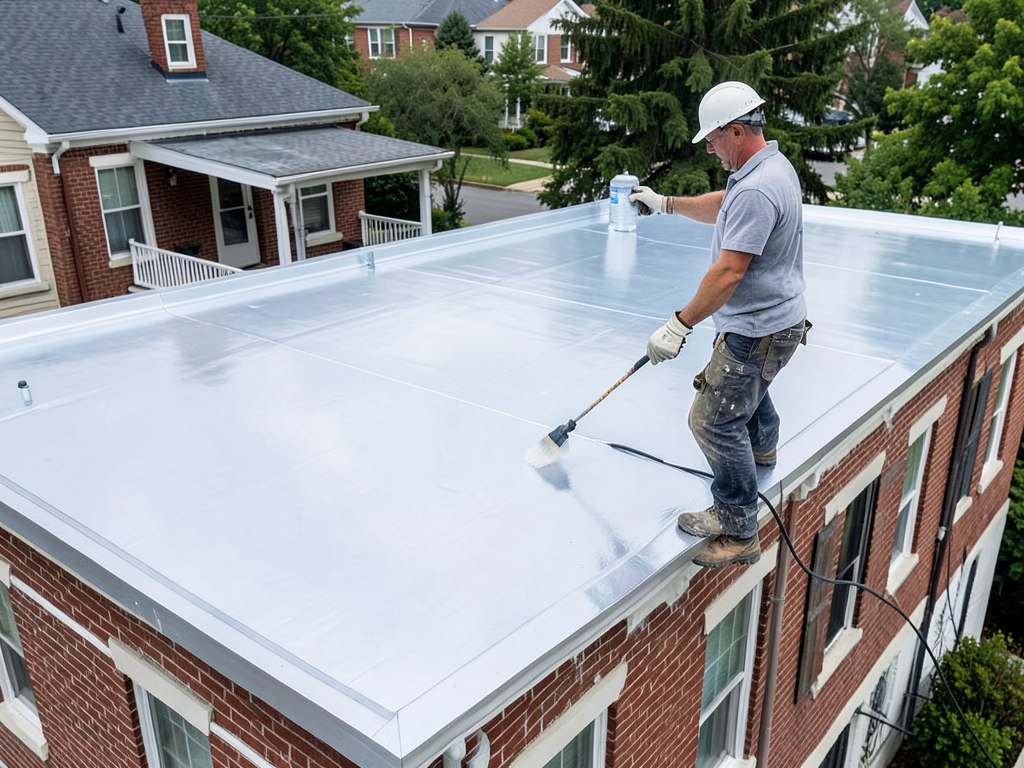
Aluminum fiber roof coating is essentially a reflective paint mixed with aluminum particles and binders. When applied to an existing roof surface, it creates a thin protective layer that reflects UV rays and can temporarily seal minor cracks. The silver color helps reduce heat absorption, which can lower cooling costs in summer months. Most coatings are water-based acrylics or aluminized asphalt compounds that adhere to various substrates including built-up roofing, modified bitumen, and even some single-ply membranes. The Best Local Roofing Companies for Luxury Homes on the Main Line.
EPDM stands for Ethylene Propylene Diene Monomer, a synthetic rubber roofing membrane that comes in large sheets typically 45 or 60 mils thick. Unlike coating, EPDM is a complete roofing system installed over the entire surface. The material arrives in rolls and gets seamed together on-site to create a continuous waterproof barrier. EPDM naturally resists UV radiation, ozone, and extreme temperature fluctuations without requiring additional reflective coatings. The dark gray or black membrane remains flexible in sub-zero temperatures and doesn’t become brittle in summer heat. Roofing Pittsburgh.
Philadelphia’s climate creates specific demands that favor EPDM’s durability. The material handles thermal expansion and contraction better than coatings, which can crack when temperatures swing from 10°F in winter to over 90°F in summer. EPDM also resists the ponding water that forms on many Philadelphia flat roofs after heavy rains, while coatings often break down when submerged for extended periods.
Key Comparison: Performance, Longevity, and Cost
The fundamental difference between these options comes down to restoration versus replacement. Coating restores an existing roof’s surface, while EPDM replaces it entirely. This distinction drives every other factor in your decision. How Much Does a Full Roof Replacement Actually Cost in Philadelphia Right Now.
| Feature | Aluminum Coating | EPDM Membrane |
|---|---|---|
| Initial Cost per Square Foot | $0.50 – $1.50 | $4.50 – $8.00 |
| Lifespan | 3-7 years | 20-30 years |
| Installation Time | 1-2 days | 3-5 days |
| Reflectivity (SRI) | 100-110 | 20-30 (standard) or 80-90 (cool roof) |
| Maintenance Required | Annual recoating recommended | Minimal; occasional seam inspection |
Cost differences become clearer when you calculate lifetime value. A $2,000 coating that lasts five years costs $400 annually. An $8,000 EPDM roof lasting twenty-five years costs $320 annually. The membrane becomes more economical over time, especially when you factor in the disruption of repeated coating applications.
Performance varies dramatically between materials. EPDM maintains flexibility from -40°F to 180°F, while coatings can become brittle in cold weather and soften in extreme heat. The rubber membrane’s 45-60 mil thickness provides true waterproofing, whereas coating relies on perfect application and surface preparation to create a watertight seal. Any missed spot or contamination during coating application becomes an immediate leak point. EPA Heat Island Effect.
Philadelphia’s building code requires specific installation standards for both options. The Philadelphia Department of Licenses and Inspections (L&I) mandates proper substrate preparation, flashing details, and drainage compliance for any roofing work. EPDM installations must follow ASTM D4637 for sheet membrane roofing, while coatings require ASTM D6083 compliance for aluminum roof coatings. Both standards ensure minimum performance levels, but EPDM’s thicker material provides more margin for error. ASTM D6083 Standard for Aluminum Roof Coatings.
The ‘Philadelphia Factor’: Climate and Row Home Considerations
Philadelphia’s climate creates unique roofing challenges that favor certain materials over others. The city experiences approximately 41 inches of annual rainfall, concentrated in heavy summer thunderstorms and winter nor’easters. These intense precipitation events test a roof’s ability to shed water quickly. Row homes in Mayfair, with their shared walls and limited roof access, face additional constraints. Roofing Allentown.
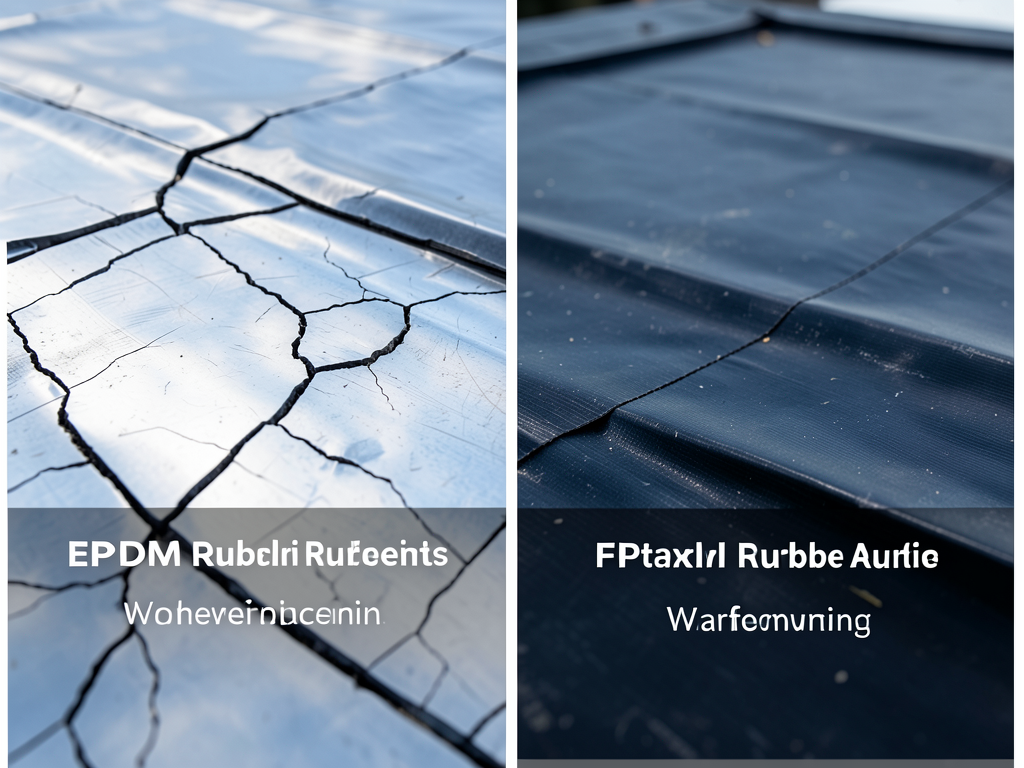
Freeze-thaw cycles represent the biggest threat to Philadelphia roofs. Water seeps into tiny cracks, freezes and expands, then thaws and contracts repeatedly throughout winter. This process, called ice wedging, can turn a hairline crack into a major leak in a single season. EPDM’s flexibility allows it to accommodate this movement without cracking, while coatings often develop spiderweb cracks under the same stress.
Urban heat island effect intensifies temperature extremes in Philadelphia. Dark roofs in dense neighborhoods can reach surface temperatures 50-90°F hotter than surrounding air on sunny days. This creates thermal shock when thunderstorms suddenly cool the surface. EPDM handles these rapid temperature changes better than coatings, which can blister or delaminate when hot surfaces encounter cold rainwater.
Philadelphia’s historic row home construction presents specific challenges. Many Mayfair homes were built between 1920 and 1960 with timber roof decks that have experienced decades of moisture cycling. These decks often have uneven surfaces, soft spots, or previous patch jobs that complicate coating application. EPDM’s thicker material and adhesive installation can bridge minor surface irregularities that would telegraph through a thin coating.
Wind uplift poses another consideration for Philadelphia’s row homes. While not as severe as coastal areas, the city experiences frequent 40-50 mph gusts during storms. EPDM’s fully adhered installation resists wind uplift better than coating, which depends on surface adhesion alone. The rubber membrane’s weight and attachment method prevent the billowing that can lift coating from the substrate.
Pros and Cons: Aluminum Fiber Coating
Aluminum coating offers several advantages for the right situation. The low initial cost makes it accessible for homeowners on tight budgets or those unsure about long-term plans. Application requires minimal equipment – just cleaning supplies, brushes or rollers, and the coating material itself. Most coating projects can be completed in a single day with no special tools or training.
The reflective properties provide immediate energy benefits. A properly applied silver coating can reduce roof surface temperatures by 50-80°F on hot days, decreasing cooling costs by 10-15% during summer months. This cooling effect also reduces thermal stress on the roof deck and can extend the life of underlying materials.
However, coating has significant limitations. The thin material cannot repair structural damage or fix poor drainage. Any existing ponding water will continue to accumulate, eventually causing the coating to fail at those low spots. The material requires perfectly clean, dry surfaces for proper adhesion – a challenge in Philadelphia’s humid climate where morning dew can compromise afternoon application.
Maintenance demands increase with coating age. Most products require reapplication every 3-5 years, with each application becoming more difficult as the surface accumulates dirt, mildew, and minor damage. The cost savings of the initial application disappear when you factor in multiple recoating cycles over the same period a membrane would last.
Environmental factors in Philadelphia accelerate coating degradation. Air pollution from vehicle traffic and industrial areas creates acidic compounds that eat away at the coating’s binder. Tree debris from Mayfair’s mature canopy traps moisture against the surface, promoting mildew growth that degrades reflectivity. Winter road salt tracked onto roofs by wind can cause pitting and premature failure.
Pros and Cons: EPDM Rubber Roofing
EPDM’s primary advantage is longevity. A properly installed membrane can protect your home for decades with minimal attention. The material resists UV radiation, ozone, and temperature extremes without requiring additional coatings or treatments. Unlike coating, EPDM doesn’t lose effectiveness over time – it maintains its protective properties throughout its lifespan.
Installation quality matters significantly with EPDM. Professional installation ensures proper seam welding, flashing details, and edge termination. When done correctly, seams become stronger than the surrounding material. The fully adhered system creates a monolithic barrier that prevents water infiltration even if the surface develops minor damage.
The material handles Philadelphia’s weather extremes exceptionally well. EPDM remains flexible at temperatures well below freezing, preventing the cracking that plagues other materials. The rubber composition naturally resists impact damage from hail, falling branches, and maintenance traffic. Dark EPDM also absorbs heat in winter, potentially reducing heating costs in well-insulated buildings.
Cost represents the biggest drawback. EPDM requires significant upfront investment, often 4-6 times more than coating. The installation process is more invasive, requiring removal of existing materials in many cases. The material’s dark color can increase cooling costs in summer unless you opt for premium cool roof formulations, which add to the expense.. Read more about Choosing a Roof Color That Lowers Your Energy Bill in North Philadelphia.
Repair considerations also differ from coating. While EPDM rarely fails completely, when damage occurs it typically requires professional repair rather than DIY patching. Seam separation, membrane tears, or flashing failures need specialized adhesives and techniques. However, these repairs are usually localized and don’t require replacing the entire roof.
Installation Requirements and Maintenance Schedules
Coating installation starts with thorough surface preparation. The roof must be cleaned of all dirt, debris, and loose material using pressure washing or mechanical scrubbing. Any existing cracks wider than 1/8 inch need filling with elastomeric sealant. The surface must dry completely – a process that can take 24-48 hours in Philadelphia’s humidity. Application typically uses rollers for smooth areas and brushes for detail work around penetrations.
Temperature requirements are strict for coating. Most products need application when surface temperatures are between 50°F and 85°F, with no rain expected for at least 24 hours. Philadelphia’s spring and fall offer the best application windows, though summer mornings can work if humidity is low. The material typically requires two coats with proper drying time between applications.
EPDM installation demands more extensive preparation. The existing roof surface must be removed down to the deck in most cases, though some recovery applications are possible over single layers of certain materials. The deck must be clean, dry, and structurally sound. Any damaged decking gets replaced before membrane installation begins.
Membrane installation involves rolling out large sheets and positioning them to minimize seams. Factory edges get overlapped and sealed with either adhesive or tape, depending on the specific product. Flashings around vents, HVAC units, and parapet walls require custom fitting and sealing. The entire assembly gets inspected for proper adhesion and seam quality before the project concludes.
Maintenance schedules differ dramatically between options. Coated roofs need annual inspections each spring to check for cracking, blistering, or areas of wear. Touch-up coating may be needed every 2-3 years on high-traffic areas or spots with ponding water. The entire roof typically needs complete recoating every 5-7 years.
EPDM requires minimal maintenance under normal conditions. Annual visual inspections check for debris accumulation, membrane damage, or flashing issues. Seams may need occasional sealing if adhesive-backed products were used. The membrane naturally sheds dirt and doesn’t require cleaning unless excessive debris accumulates. Most EPDM roofs need nothing beyond these basic checks for 15-20 years.
Verdict: When to Coat and When to Replace?
Coating makes sense in specific situations. If your roof is less than 10 years old with minimal damage and good drainage, a coating can extend its life cost-effectively. The option works best for homeowners planning to sell within 3-5 years who need to address buyer concerns without major investment. Coating also suits temporary protection needs, such as during major home renovations when a full replacement isn’t immediately possible.
The decision becomes clearer when you consider roof age and condition. Roofs over 15 years old with multiple repair patches, ponding water, or previous coating applications rarely benefit from another coating layer. The existing problems will continue regardless of surface treatment. In these cases, coating becomes throwing good money after bad.
EPDM replacement becomes the logical choice when you need long-term protection and have the budget for upfront investment. The membrane excels when your roof has chronic leak problems, poor drainage, or significant surface damage. It’s also the better option if you plan to stay in your home for more than five years or want to avoid repeated roof work.
Consider your specific circumstances carefully. A coating might save money now but could cost more over time if you need multiple applications. EPDM costs more initially but provides decades of protection without the hassle of repeated applications. Think about your tolerance for maintenance, your long-term plans, and whether you prefer predictable costs or potential savings.
Philadelphia’s building code actually favors complete replacement over coating for roofs with certain types of damage. The code prohibits recovering roofs with more than two existing layers of material, and requires full replacement when structural repairs are needed. These requirements often make the EPDM decision for you, regardless of your initial preference.
Energy efficiency considerations also matter. While coating provides immediate cooling benefits, EPDM cool roof options can achieve similar or better reflectivity while providing superior waterproofing. Some Philadelphia neighborhoods with historic designations may have restrictions on roof colors or materials, so check local requirements before making your final decision.
The best way to determine which option fits your situation is through professional inspection. A qualified roofer can assess your current roof’s condition, identify underlying problems, and recommend the most cost-effective solution for your specific needs. Don’t let the lower initial cost of coating blind you to the long-term value of proper replacement.
Ready to make the right choice for your Mayfair home? Call (267) 344-1222 today to schedule your free roof inspection and get expert recommendations tailored to your specific situation. Don’t wait until the next storm reveals problems you could have prevented.
Frequently Asked Questions
How long does aluminum roof coating typically last in Philadelphia?
Most aluminum roof coatings last 3-7 years in Philadelphia’s climate. The freeze-thaw cycles, heavy rains, and urban pollution accelerate degradation compared to milder regions. You’ll likely need annual inspections and touch-ups every 2-3 years, with complete reapplication every 5-7 years for optimal protection.
Can I apply aluminum coating over my existing EPDM roof?
Yes, but it’s rarely recommended. EPDM already provides excellent waterproofing and UV protection without additional coating. Adding coating creates extra maintenance requirements without improving performance. If your EPDM has reached the end of its lifespan, replacement makes more sense than coating over failing material.
What’s the average cost difference between coating and EPDM for a typical Mayfair row home?
A typical Mayfair row home has about 800-1,000 square feet of flat roof area. Coating costs approximately $800-$1,500 for materials and labor. EPDM installation runs $4,000-$8,000 for the same area. While coating costs less upfront, EPDM’s 20-30 year lifespan often makes it more economical over time.
Does Philadelphia offer any rebates for cool roof installations?
Philadelphia doesn’t currently offer city-specific cool roof rebates, but Pennsylvania’s Act 129 energy efficiency programs sometimes provide incentives for reflective roofing materials. Additionally, the federal Energy Star program offers tax credits for certain cool roof installations. Check with your utility provider for current local incentives.
How can I tell if my roof is a good candidate for coating or needs replacement?
Good coating candidates have roofs less than 10 years old, minimal damage, good drainage, and no more than one existing roof layer. Signs you need replacement include chronic leaks, ponding water, soft spots in the deck, multiple repair patches, or previous coating applications. Professional inspection can determine your roof’s condition accurately.
How long does EPDM installation take compared to coating?
Aluminum coating typically takes 1-2 days to complete, including surface preparation and application. EPDM installation requires 3-5 days because it involves removing existing materials, preparing the deck, installing the membrane, and completing flashing details. Weather can extend both timelines, but EPDM is less affected by humidity during installation.
Need help deciding between coating and EPDM for your Mayfair roof? Call (267) 344-1222 now for a professional assessment. Our experienced team will evaluate your roof’s condition and recommend the most cost-effective solution for your specific situation.
Don’t wait for the next storm to discover your roof can’t handle Philadelphia’s weather. Pick up the phone and call (267) 344-1222 before minor issues become major problems.
You may also find this helpful. How to Fix Alligatoring on Your Old Asphalt Flat Roof in Port Richmond.
{
“@context”: “https://schema.org”,
“@type”: “BlogPosting”,
“headline”: “Should You Use Silver Coating or a Rubber Membrane for Your Mayfair Roof?”,
“description”: “Comparing aluminum roof coating vs EPDM rubber membrane for Mayfair homes. Find out which option lasts longer, costs less, and handles Philly’s freeze-thaw climate best.”,
“wordCount”: 2733,
“datePublished”: “2026-05-08T15:02:00.000Z”,
“dateModified”: “2026-05-08T15:02:00.000Z”,
“inLanguage”: “en-US”,
“mainEntityOfPage”: {
“@type”: “WebPage”,
“@id”: “https://atlasroofingphiladelphia.com”
},
“publisher”: {
“@type”: “LocalBusiness”,
“name”: “Atlas Roofing Philadelphia”,
“url”: “https://atlasroofingphiladelphia.com”
},
“author”: {
“@type”: “Organization”,
“name”: “Atlas Roofing Philadelphia”,
“url”: “https://atlasroofingphiladelphia.com”
},
“image”: {
“@type”: “ImageObject”,
“url”: “https://atlasroofingphiladelphia.com/wp-content/uploads/2026/03/should-you-use-silver-coating-or-a-rubber-membrane-1.png”
}
}
{
“@context”: “https://schema.org”,
“@type”: “RoofingContractor”,
“name”: “Atlas Roofing Philadelphia”,
“url”: “https://atlasroofingphiladelphia.com”,
“address”: {
“@type”: “PostalAddress”,
“addressLocality”: “Philadelphia”
},
“areaServed”: {
“@type”: “City”,
“name”: “Philadelphia”
}
}
{
“@context”: “https://schema.org”,
“@type”: “FAQPage”,
“mainEntity”: [
{
“@type”: “Question”,
“name”: “Understanding the Basics: What is Aluminum Coating vs. EPDM?”,
“acceptedAnswer”: {
“@type”: “Answer”,
“text”: “Aluminum fiber roof coating is essentially a reflective paint mixed with aluminum particles and binders. When applied to an existing roof surface, it creates a thin protective layer that reflects UV rays and can temporarily seal minor cracks. The silver color helps reduce heat absorption, which can lower cooling costs in summer months. Most coatings are water-based acrylics or aluminized asphalt compounds that adhere to various substrates including built-up roofing, modified bitumen, and even some single-ply membranes. The Best Local Roofing Companies for Luxury Homes on the Main Line.”
}
},
{
“@type”: “Question”,
“name”: “Verdict: When to Coat and When to Replace?”,
“acceptedAnswer”: {
“@type”: “Answer”,
“text”: “Coating makes sense in specific situations. If your roof is less than 10 years old with minimal damage and good drainage, a coating can extend its life cost-effectively. The option works best for homeowners planning to sell within 3-5 years who need to address buyer concerns without major investment. Coating also suits temporary protection needs, such as during major home renovations when a full replacement isn’t immediately possible.”
}
},
{
“@type”: “Question”,
“name”: “How long does aluminum roof coating typically last in Philadelphia?”,
“acceptedAnswer”: {
“@type”: “Answer”,
“text”: “Most aluminum roof coatings last 3-7 years in Philadelphia’s climate. The freeze-thaw cycles, heavy rains, and urban pollution accelerate degradation compared to milder regions. You’ll likely need annual inspections and touch-ups every 2-3 years, with complete reapplication every 5-7 years for optimal protection.”
}
},
{
“@type”: “Question”,
“name”: “Can I apply aluminum coating over my existing EPDM roof?”,
“acceptedAnswer”: {
“@type”: “Answer”,
“text”: “Yes, but it’s rarely recommended. EPDM already provides excellent waterproofing and UV protection without additional coating. Adding coating creates extra maintenance requirements without improving performance. If your EPDM has reached the end of its lifespan, replacement makes more sense than coating over failing material.”
}
},
{
“@type”: “Question”,
“name”: “What’s the average cost difference between coating and EPDM for a typical Mayfair row home?”,
“acceptedAnswer”: {
“@type”: “Answer”,
“text”: “A typical Mayfair row home has about 800-1,000 square feet of flat roof area. Coating costs approximately $800-$1,500 for materials and labor. EPDM installation runs $4,000-$8,000 for the same area. While coating costs less upfront, EPDM’s 20-30 year lifespan often makes it more economical over time.”
}
},
{
“@type”: “Question”,
“name”: “Does Philadelphia offer any rebates for cool roof installations?”,
“acceptedAnswer”: {
“@type”: “Answer”,
“text”: “Philadelphia doesn’t currently offer city-specific cool roof rebates, but Pennsylvania’s Act 129 energy efficiency programs sometimes provide incentives for reflective roofing materials. Additionally, the federal Energy Star program offers tax credits for certain cool roof installations. Check with your utility provider for current local incentives.”
}
},
{
“@type”: “Question”,
“name”: “How can I tell if my roof is a good candidate for coating or needs replacement?”,
“acceptedAnswer”: {
“@type”: “Answer”,
“text”: “Good coating candidates have roofs less than 10 years old, minimal damage, good drainage, and no more than one existing roof layer. Signs you need replacement include chronic leaks, ponding water, soft spots in the deck, multiple repair patches, or previous coating applications. Professional inspection can determine your roof’s condition accurately.”
}
},
{
“@type”: “Question”,
“name”: “How long does EPDM installation take compared to coating?”,
“acceptedAnswer”: {
“@type”: “Answer”,
“text”: “Aluminum coating typically takes 1-2 days to complete, including surface preparation and application. EPDM installation requires 3-5 days because it involves removing existing materials, preparing the deck, installing the membrane, and completing flashing details. Weather can extend both timelines, but EPDM is less affected by humidity during installation.”
}
}
]
}
{
“@context”: “https://schema.org”,
“@type”: “BreadcrumbList”,
“itemListElement”: [
{
“@type”: “ListItem”,
“position”: 1,
“name”: “Home”,
“item”: “https://atlasroofingphiladelphia.com”
},
{
“@type”: “ListItem”,
“position”: 2,
“name”: “Blog”,
“item”: “https://atlasroofingphiladelphia.com/blog”
},
{
“@type”: “ListItem”,
“position”: 3,
“name”: “Should You Use Silver Coating or a Rubber Membrane for Your Mayfair Roof?”
}
]
}
{
“@context”: “https://schema.org”,
“@type”: “Service”,
“serviceType”: “Roofing”,
“provider”: {
“@type”: “LocalBusiness”,
“name”: “Atlas Roofing Philadelphia”,
“url”: “https://atlasroofingphiladelphia.com”
},
“areaServed”: {
“@type”: “City”,
“name”: “Philadelphia”
},
“description”: “Comparing aluminum roof coating vs EPDM rubber membrane for Mayfair homes. Find out which option lasts longer, costs less, and handles Philly’s freeze-thaw climate best.”
}