Preventing Pests from Nesting Under Your Eaves in East Oak Lane
Scratching sounds in your attic at night are often the first sign that animals have found a way into your East Oak Lane home. The mature trees and older construction in neighborhoods near East Mount Pleasant Park create perfect conditions for wildlife to seek shelter in roof eaves. When raccoons, squirrels, or birds nest in your eaves, they cause immediate structural damage and create long-term problems that affect your home’s integrity.
The solution goes beyond simple pest removal. Animals enter through specific roof vulnerabilities like rotting fascia boards, loose soffit panels, or missing drip edges. A professional roofing contractor identifies these entry points and repairs the structural damage while installing exclusion devices that prevent re-entry. This comprehensive approach protects your East Oak Lane home from both current infestations and future wildlife problems. EPA radon health information.
Common Signs of Animals in Your Roof Eaves
Early detection prevents extensive damage to your East Oak Lane home. Listen for scratching, scurrying, or thumping sounds coming from your attic, especially during early morning or evening hours when animals are most active. These noises often indicate that wildlife has established a nest in your roof structure.
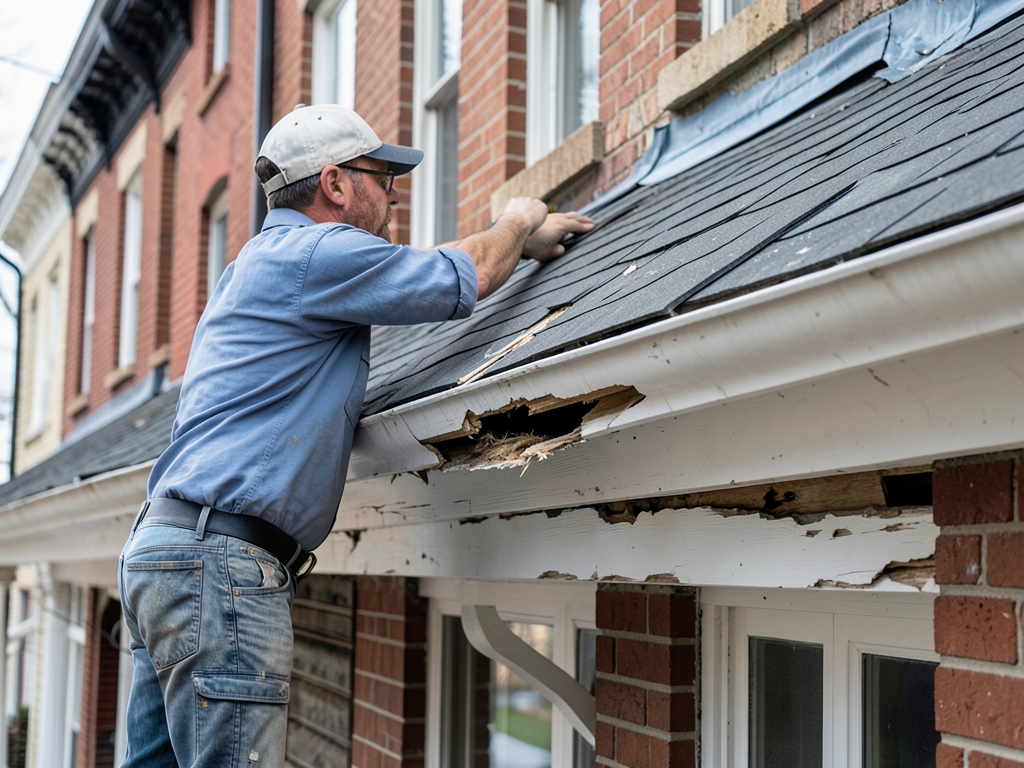
Visual indicators include stained or damaged soffits, visible entry holes in fascia boards, and chewed or missing shingles near the roof edge. You might notice droppings around your home’s perimeter or see animals entering and exiting through roof gaps. Some homeowners report finding insulation scattered in their attic or noticing a musty odor from animal waste accumulation. Why More Homeowners in Manayunk Are Switching to Metal Roofing.
Physical damage becomes more apparent over time. Animals chew through electrical wiring, creating fire hazards. They compress insulation, reducing your home’s energy efficiency. The moisture from their waste promotes wood rot and mold growth, compromising your roof’s structural integrity. These problems compound quickly, turning a small entry point into major restoration work.
Philadelphia Wildlife That Targets Roof Eaves
East Oak Lane’s mature tree canopy and older homes attract specific wildlife species that have adapted to urban environments. The Eastern Gray Squirrel represents the most common roof invader in Philadelphia. These agile rodents can squeeze through openings as small as two inches and use their sharp teeth to enlarge existing gaps in fascia boards or soffits.
Raccoons pose a more destructive threat to your roof structure. Procyon lotor, the common raccoon, weighs up to twenty pounds and possesses remarkable strength. They tear through rotted wood, bend metal flashing, and create large entry points to access warm attic spaces. Their intelligence allows them to remember successful entry points and return year after year.
Starlings and other birds exploit gaps in roof eaves for nesting. These birds carry nesting materials into roof cavities, creating fire hazards near electrical components. Their acidic droppings accelerate wood deterioration and create unsanitary conditions in your attic space. House sparrows often build multiple nests in a single season, compounding the damage.
Big Brown Bats sometimes roost in attic spaces connected to roof eaves. While beneficial for insect control, their droppings (guano) create health hazards and promote fungal growth. Pennsylvania wildlife regulations protect certain bat species, requiring specific exclusion methods during maternity seasons.
How Animals Get Into Your Roof Eaves
Animals exploit specific structural weaknesses in your roof system. Fascia boards, the vertical boards that cap the ends of roof rafters, often develop rot from water infiltration. When wood softens, animals can easily chew or claw through to access your attic space. Missing or damaged drip edges create gaps where water enters and wood begins to deteriorate.
Soffit panels, the underside of your roof’s overhang, provide another common entry point. Vinyl or aluminum soffits can become loose from wind damage or improper installation. Animals push through these gaps or create new openings by chewing through the material. Even small gaps around ventilation openings become highways for determined wildlife.
Gutter systems contribute to roof vulnerabilities when not properly maintained. Clogged gutters cause water to back up under roofing materials, leading to fascia rot. The weight of debris and standing water can pull gutters away from the fascia, creating gaps that animals exploit. Ice damming during Philadelphia winters exacerbates these problems by forcing water under shingles. The Best Local Roofing Companies for Luxury Homes on the Main Line.
Older construction methods in East Oak Lane homes often lack modern exclusion features. Many homes built before the 1980s have wider gaps between roofing materials and exterior walls. The absence of proper flashing or mesh screening at roof penetrations provides easy access for wildlife seeking shelter. Roofing Pittsburgh.
The Professional Repair Process for Animal-Damaged Eaves
A qualified roofing contractor follows a systematic approach to repair animal-damaged eaves and prevent re-entry. The process begins with a comprehensive inspection to identify all entry points and assess the extent of structural damage. This inspection includes checking the roof deck, attic space, and exterior roof components for signs of animal activity and water damage. Roofing Allentown.
Damage assessment determines whether sections of fascia, soffit, or roof decking need replacement. Rotten wood cannot be effectively repaired and must be removed to prevent future problems. The contractor evaluates the condition of existing flashing, vents, and other roof components that may have been compromised by animal entry. How Much Does a Full Roof Replacement Actually Cost in Philadelphia Right Now.
Removal of contaminated materials follows safety protocols for handling animal waste and nesting materials. This step often requires protective equipment and proper disposal methods to prevent health hazards. The contractor cleans and disinfects affected areas to eliminate odors that might attract other animals.
Structural repairs restore the roof’s integrity using pressure-treated lumber or composite materials that resist future rot. New fascia boards, soffit panels, and flashing replace damaged components. The contractor ensures all seams and joints are properly sealed to create a continuous barrier against wildlife entry.
Exclusion device installation provides the critical final step. Heavy-gauge galvanized steel mesh covers roof vents and other necessary openings while preventing animal entry. Metal flashing creates smooth surfaces that animals cannot grip or chew through. These professional-grade materials differ significantly from the temporary fixes available at hardware stores.
Professional Prevention Techniques That Actually Work
Effective wildlife exclusion requires understanding animal behavior and using materials that withstand their determined efforts. Heavy-duty galvanized steel mesh with openings smaller than one-half inch prevents even juvenile squirrels from squeezing through. This mesh attaches securely to roof structures using corrosion-resistant fasteners that animals cannot remove.
Metal flashing installation creates physical barriers at vulnerable roof intersections. Aluminum or copper flashing extends several inches up roof slopes and down vertical surfaces, eliminating gaps where animals might enter. The smooth metal surface prevents animals from gaining purchase to chew or claw through.. Read more about Why the Rake Edge of Your Roof is Failing in Fox Chase.
Drip edge replacement with extended coverage protects the critical junction between roofing materials and fascia boards. Modern drip edges include built-in screens that allow water drainage while blocking animal entry. This simple upgrade prevents the water infiltration that leads to wood rot and creates entry points for wildlife.
Gutter apron installation reinforces the connection between gutters and fascia boards. This metal strip extends under roofing materials and over the back of gutters, creating a sealed edge that prevents animals from accessing the roof structure from the gutter system. Proper installation includes securing all fasteners to prevent loosening from wind or animal activity.
Roof vent guards protect essential ventilation openings while excluding animals. These guards use heavy-gauge mesh secured with tamper-resistant fasteners. Professional installation ensures proper airflow for attic ventilation while creating an impenetrable barrier against wildlife entry.
Philadelphia Building Code Requirements for Roof Repairs
Philadelphia Licensing and Inspections (L&I) requires permits for most roof repair work, including animal damage restoration. The Philadelphia Building Code Section 1507 mandates specific flashing requirements and ventilation standards that affect how exclusion devices must be installed. Work performed without proper permits can result in fines and may void homeowner’s insurance coverage.
Historical Commission guidelines apply to homes in designated historic districts near East Oak Lane. These guidelines may restrict the use of certain materials or require approval for exterior modifications. A qualified contractor understands these requirements and obtains necessary approvals before beginning work on historic properties.
Pennsylvania Game Commission regulations protect certain wildlife species during specific seasons. Exclusion work must comply with these regulations to avoid legal issues. Professional contractors coordinate with wildlife removal specialists when protected species are involved, ensuring all work meets state and local requirements.
Insurance considerations affect how damage repairs proceed. Many homeowner’s policies cover animal damage when properly documented and repaired by licensed contractors. The contractor should provide detailed documentation of damage and repairs to support insurance claims, including photographs and written estimates that meet insurance company requirements.
Seasonal Timing for Wildlife Prevention in Philadelphia
Understanding wildlife behavior patterns helps time prevention efforts effectively. Spring represents the primary nesting season for most Philadelphia wildlife. During March through May, animals seek warm, protected spaces to raise their young. This timing creates urgency for homeowners who hear noises in their eaves, as young animals may be present and require special handling.
Fall triggers another wave of animal activity as wildlife prepares for winter. September through November sees increased attempts by animals to access warm attic spaces. This pre-winter period offers an ideal window for prevention work, as animals are actively seeking entry points and exclusion efforts can be most effective.
Winter conditions in Philadelphia create unique challenges for roof repairs. Freezing temperatures and snow accumulation can delay exterior work and make roof access dangerous. However, winter also reduces animal activity, making it easier to identify and seal entry points without disturbing active nests.
Summer months provide optimal conditions for comprehensive roof repairs. Warm, dry weather allows for proper material installation and curing. This season also offers the best opportunity to inspect roof conditions and identify vulnerabilities before fall wildlife activity increases.
Cost Factors for Professional Eave Repairs
Several factors influence the cost of professional animal damage repairs in East Oak Lane. The extent of structural damage represents the primary cost driver. Minor fascia board replacement might cost a few hundred dollars, while extensive roof deck replacement can run several thousand dollars depending on the area affected.
Material selection affects both initial costs and long-term value. Pressure-treated lumber costs more than standard lumber but resists rot and insect damage for decades. Composite materials offer superior durability but come with higher upfront costs. The contractor should explain material options and their respective lifespans to help you make informed decisions.
Roof accessibility impacts labor costs significantly. Single-story homes with simple roof designs cost less to service than multi-story homes with complex roof lines or limited access. East Oak Lane’s mature trees may require additional equipment or precautions, affecting overall project costs.
Emergency repair situations typically cost more than scheduled work. After-hours calls, weekend work, or immediate response to active infestations often include premium pricing. Planning prevention work during optimal seasons can reduce costs while providing better long-term results.
Insurance coverage may offset some repair costs. Many homeowner’s policies cover damage from specific wildlife species when properly documented. The contractor should provide detailed estimates and documentation to support insurance claims, potentially recovering a significant portion of repair costs.
Choosing the Right Contractor for Wildlife Damage Repairs
Not all roofing contractors have experience with wildlife damage repairs. Look for contractors who understand both roofing systems and animal behavior patterns. They should provide detailed inspections that identify all entry points and explain the complete repair process rather than offering quick fixes that may fail.
Licensing and insurance verification protects homeowners from liability and ensures work meets local requirements. Pennsylvania requires contractors to carry specific insurance coverage and maintain active licenses. Request proof of both licensing and insurance before signing any contracts or allowing work to begin.
References and portfolio review demonstrate a contractor’s experience with similar projects. Ask to see before-and-after photos of animal damage repairs they’ve completed in the Philadelphia area. Contact references to verify work quality and customer satisfaction with both the repair process and long-term results.
Warranty offerings indicate contractor confidence in their work. Professional contractors typically offer warranties on both materials and workmanship. Read warranty terms carefully to understand what’s covered and for how long. Some contractors provide extended warranties on exclusion work, demonstrating their commitment to preventing future problems.
Communication style matters during the repair process. The contractor should explain technical aspects in understandable terms and keep you informed throughout the project. They should provide written estimates, explain timelines, and discuss any potential complications before work begins.
Maintaining Your Roof After Animal Damage Repairs
Regular maintenance prevents future wildlife problems and extends the life of your roof repairs. Annual roof inspections identify new vulnerabilities before animals exploit them. These inspections should check for loose flashing, damaged soffit panels, and signs of wood rot that could create future entry points.
Gutter maintenance plays a crucial role in preventing roof damage. Clean gutters at least twice yearly, removing leaves and debris that cause water backup. Check that downspouts direct water away from your foundation and that all gutter connections remain secure. Consider installing gutter guards to reduce maintenance requirements.
Tree trimming reduces animal access to your roof. Branches that overhang or touch your roof provide highways for squirrels and other animals. Maintain a clearance of at least six feet between tree branches and your roof edge. This simple step significantly reduces the likelihood of animals reaching your roof structure.
Attic inspections help detect early signs of animal activity. Check your attic quarterly for new droppings, nesting materials, or signs of chewing. Look for light coming through roof penetrations that might indicate new entry points. Early detection allows for prompt repairs before extensive damage occurs.
Professional maintenance agreements provide ongoing protection for your investment. Many contractors offer annual inspection and maintenance services that include checking exclusion devices, cleaning gutters, and identifying potential problems. These agreements often cost less than emergency repairs and provide peace of mind throughout the year.
Frequently Asked Questions
How do I know if animals are in my roof eaves?
Listen for scratching, scurrying, or thumping sounds, especially during early morning or evening hours. Look for visible entry holes, stained soffits, chewed shingles, or droppings around your home’s perimeter. You might also notice insulation scattered in your attic or a musty odor from animal waste.
Can I just trap the animals and seal the holes myself?
While trapping removes current animals, it doesn’t address the underlying structural damage or prevent new animals from entering. Professional repairs seal all entry points with durable materials and restore your roof’s integrity. DIY attempts often fail because animals can chew through temporary fixes or find new entry points.
How much does professional animal damage repair cost?
Costs vary based on damage extent, materials needed, and roof accessibility. Minor fascia board replacement might cost a few hundred dollars, while extensive repairs can run several thousand dollars. Most homeowners find that professional repairs cost less than repeated failed DIY attempts or extensive damage from unaddressed problems.
Will my homeowner’s insurance cover animal damage?
Many policies cover damage from specific wildlife species when properly documented and repaired by licensed contractors. Coverage varies by policy and the type of animal involved. A qualified contractor can help document damage and work with your insurance company to maximize coverage for eligible repairs.
How long does professional repair work take?
Most animal damage repairs take one to three days depending on the extent of damage and weather conditions. Simple exclusion work might be completed in a single day, while extensive structural repairs take longer. Your contractor should provide a timeline after completing the initial inspection and damage assessment.
What materials prevent animals from re-entering my roof?
Heavy-gauge galvanized steel mesh, metal flashing, and properly installed drip edges create effective barriers. These materials resist chewing and clawing while allowing necessary ventilation. Professional contractors use tamper-resistant fasteners and proper sealing techniques that DIY solutions cannot match.
Should I hire a roofer or a pest control company?
Pest control companies remove animals but typically don’t repair structural damage or prevent re-entry. Roofing contractors repair the damage and install exclusion devices but may not handle animal removal. Many homeowners need both services, with the roofer completing repairs after pest control removes the animals.
How can I prevent animals from getting into my roof in the future?
Regular maintenance prevents most wildlife problems. Keep trees trimmed away from your roof, clean gutters regularly, and inspect your roof annually for vulnerabilities. Professional exclusion devices installed during repairs provide long-term protection, but ongoing maintenance ensures they remain effective.
Protect Your East Oak Lane Home Today
Animal damage to your roof eaves creates immediate structural problems and long-term risks to your home’s integrity. The mature trees and older construction in East Oak Lane neighborhoods create perfect conditions for wildlife to seek shelter in your roof structure. Don’t wait until extensive damage requires major repairs or replacement.
Professional roofing contractors understand the specific challenges of Philadelphia homes and provide comprehensive solutions that address both current infestations and future prevention. They identify all entry points, repair structural damage, and install durable exclusion devices that keep wildlife out for good. This approach protects your investment and provides peace of mind.
Time matters when dealing with animal damage. The longer animals remain in your roof structure, the more extensive and expensive the repairs become. Wood rot accelerates, insulation loses effectiveness, and the risk of electrical fires from chewed wiring increases daily. Early intervention prevents these compounding problems.
Call (267) 344-1222 today to schedule your comprehensive roof inspection. Our experienced technicians will identify all wildlife entry points, assess structural damage, and provide a detailed plan for permanent repairs. Don’t let another night of scratching sounds in your attic turn into thousands of dollars in preventable damage.
Pick up the phone and call (267) 344-1222 before the next storm hits. Philadelphia weather creates perfect conditions for animals to seek shelter in damaged roofs, and our busy season fills quickly. Protect your East Oak Lane home with professional repairs that last for years, not weeks. For more information, visit National Association of Certified Home Inspectors.
{
“@context”: “https://schema.org”,
“@type”: “BlogPosting”,
“headline”: “Preventing Pests from Nesting Under Your Eaves in East Oak Lane”,
“description”: “Stop raccoons, squirrels, and birds from damaging your East Oak Lane home. Learn how to identify entry points and get professional roofing repairs to keep pests out.”,
“wordCount”: 3024,
“datePublished”: “2026-05-24T08:48:00.000Z”,
“dateModified”: “2026-05-24T08:48:00.000Z”,
“inLanguage”: “en-US”,
“mainEntityOfPage”: {
“@type”: “WebPage”,
“@id”: “https://atlasroofingphiladelphia.com”
},
“publisher”: {
“@type”: “LocalBusiness”,
“name”: “Atlas Roofing Philadelphia”,
“url”: “https://atlasroofingphiladelphia.com”
},
“author”: {
“@type”: “Organization”,
“name”: “Atlas Roofing Philadelphia”,
“url”: “https://atlasroofingphiladelphia.com”
},
“image”: {
“@type”: “ImageObject”,
“url”: “https://atlasroofingphiladelphia.com/wp-content/uploads/2026/03/preventing-pests-from-nesting-under-your-eaves-in-1.png”
}
}
{
“@context”: “https://schema.org”,
“@type”: “RoofingContractor”,
“name”: “Atlas Roofing Philadelphia”,
“url”: “https://atlasroofingphiladelphia.com”,
“address”: {
“@type”: “PostalAddress”,
“addressLocality”: “Philadelphia”
},
“areaServed”: {
“@type”: “City”,
“name”: “Philadelphia”
}
}
{
“@context”: “https://schema.org”,
“@type”: “FAQPage”,
“mainEntity”: [
{
“@type”: “Question”,
“name”: “How do I know if animals are in my roof eaves?”,
“acceptedAnswer”: {
“@type”: “Answer”,
“text”: “Listen for scratching, scurrying, or thumping sounds, especially during early morning or evening hours. Look for visible entry holes, stained soffits, chewed shingles, or droppings around your home’s perimeter. You might also notice insulation scattered in your attic or a musty odor from animal waste.”
}
},
{
“@type”: “Question”,
“name”: “Can I just trap the animals and seal the holes myself?”,
“acceptedAnswer”: {
“@type”: “Answer”,
“text”: “While trapping removes current animals, it doesn’t address the underlying structural damage or prevent new animals from entering. Professional repairs seal all entry points with durable materials and restore your roof’s integrity. DIY attempts often fail because animals can chew through temporary fixes or find new entry points.”
}
},
{
“@type”: “Question”,
“name”: “How much does professional animal damage repair cost?”,
“acceptedAnswer”: {
“@type”: “Answer”,
“text”: “Costs vary based on damage extent, materials needed, and roof accessibility. Minor fascia board replacement might cost a few hundred dollars, while extensive repairs can run several thousand dollars. Most homeowners find that professional repairs cost less than repeated failed DIY attempts or extensive damage from unaddressed problems.”
}
},
{
“@type”: “Question”,
“name”: “Will my homeowner’s insurance cover animal damage?”,
“acceptedAnswer”: {
“@type”: “Answer”,
“text”: “Many policies cover damage from specific wildlife species when properly documented and repaired by licensed contractors. Coverage varies by policy and the type of animal involved. A qualified contractor can help document damage and work with your insurance company to maximize coverage for eligible repairs.”
}
},
{
“@type”: “Question”,
“name”: “How long does professional repair work take?”,
“acceptedAnswer”: {
“@type”: “Answer”,
“text”: “Most animal damage repairs take one to three days depending on the extent of damage and weather conditions. Simple exclusion work might be completed in a single day, while extensive structural repairs take longer. Your contractor should provide a timeline after completing the initial inspection and damage assessment.”
}
},
{
“@type”: “Question”,
“name”: “What materials prevent animals from re-entering my roof?”,
“acceptedAnswer”: {
“@type”: “Answer”,
“text”: “Heavy-gauge galvanized steel mesh, metal flashing, and properly installed drip edges create effective barriers. These materials resist chewing and clawing while allowing necessary ventilation. Professional contractors use tamper-resistant fasteners and proper sealing techniques that DIY solutions cannot match.”
}
},
{
“@type”: “Question”,
“name”: “Should I hire a roofer or a pest control company?”,
“acceptedAnswer”: {
“@type”: “Answer”,
“text”: “Pest control companies remove animals but typically don’t repair structural damage or prevent re-entry. Roofing contractors repair the damage and install exclusion devices but may not handle animal removal. Many homeowners need both services, with the roofer completing repairs after pest control removes the animals.”
}
},
{
“@type”: “Question”,
“name”: “How can I prevent animals from getting into my roof in the future?”,
“acceptedAnswer”: {
“@type”: “Answer”,
“text”: “Regular maintenance prevents most wildlife problems. Keep trees trimmed away from your roof, clean gutters regularly, and inspect your roof annually for vulnerabilities. Professional exclusion devices installed during repairs provide long-term protection, but ongoing maintenance ensures they remain effective.”
}
}
]
}
{
“@context”: “https://schema.org”,
“@type”: “BreadcrumbList”,
“itemListElement”: [
{
“@type”: “ListItem”,
“position”: 1,
“name”: “Home”,
“item”: “https://atlasroofingphiladelphia.com”
},
{
“@type”: “ListItem”,
“position”: 2,
“name”: “Blog”,
“item”: “https://atlasroofingphiladelphia.com/blog”
},
{
“@type”: “ListItem”,
“position”: 3,
“name”: “Preventing Pests from Nesting Under Your Eaves in East Oak Lane”
}
]
}
{
“@context”: “https://schema.org”,
“@type”: “Service”,
“serviceType”: “Roofing”,
“provider”: {
“@type”: “LocalBusiness”,
“name”: “Atlas Roofing Philadelphia”,
“url”: “https://atlasroofingphiladelphia.com”
},
“areaServed”: {
“@type”: “City”,
“name”: “Philadelphia”
},
“description”: “Stop raccoons, squirrels, and birds from damaging your East Oak Lane home. Learn how to identify entry points and get professional roofing repairs to keep pests out.”
}