
How to Stop Roof Ponding from Ruining Your Flat Roof in Pennsport
Flat roofs in Pennsport row homes face a unique enemy: ponding water. When water sits on your roof for more than 48 hours after a rainstorm, it’s not just a nuisance—it’s a structural threat that can lead to leaks, mold growth, and costly repairs. The good news is that you can stop ponding water before it ruins your roof.
Water weighs about 5.2 pounds per square inch for every inch of depth. That means a 100-square-foot area with just one inch of standing water adds over 500 pounds of weight to your roof structure. This extra load stresses joists and can cause sagging, creating even more low spots where water collects. In Pennsport’s freeze-thaw climate, this becomes a destructive cycle that accelerates roof failure.. Read more about How to Prep Your Flat Roof for the Weight of a Philadelphia Winter.
The first step to stopping ponding is understanding why it happens. Common causes in Pennsport include clogged scuppers from autumn leaves, compressed insulation from foot traffic, sagging roof joists in older buildings, and improper initial pitch. Many row homes were built with minimal slope, assuming perfect drainage would never be an issue. Today, that assumption leads to chronic ponding problems.
Professional solutions range from simple fixes like clearing drains and installing tapered insulation to more complex repairs like repositioning drains or adding roof crickets. The right solution depends on your specific roof structure and the severity of the ponding. A thorough inspection can identify whether you need a quick drain cleaning or a complete tapered insulation system to create proper slope.
Don’t wait until you see water stains on your ceiling. By the time interior damage appears, the roof deck may already be compromised. Call (267) 344-1222 today to schedule your inspection. Our team understands the unique challenges of Pennsport flat roofs and can recommend the most effective solution for your home.
What is Ponding Water? (The 48-Hour Rule)
Ponding water is any water that remains on your roof surface for more than 48 hours after precipitation ends. This is the industry standard set by the National Roofing Contractors Association (NRCA). If water is still there after two full days of dry weather, you have a ponding problem that requires attention. National Roofing Contractors Association.
The 48-hour rule exists because water that sits longer than this creates multiple problems. First, it adds excessive weight to your roof structure. Second, it accelerates membrane degradation through UV exposure and biological growth. Third, it prevents proper drainage of future storms, creating a compounding problem that gets worse over time.
In Pennsport, the freeze-thaw cycle makes ponding even more destructive. Water seeps into tiny cracks in your roofing membrane during the day. When temperatures drop below freezing at night, that water expands by about 9% as it turns to ice. This expansion forces cracks wider, creating pathways for more water infiltration. Each freeze-thaw cycle makes the problem worse. The Best Local Roofing Companies for Luxury Homes on the Main Line.
Common signs of ponding include visible standing water after rain, algae or moss growth in certain areas, and water stains on interior ceilings. You might also notice a spongy feel when walking on affected areas, indicating compressed insulation underneath. These symptoms mean your roof is already under stress and needs professional evaluation.
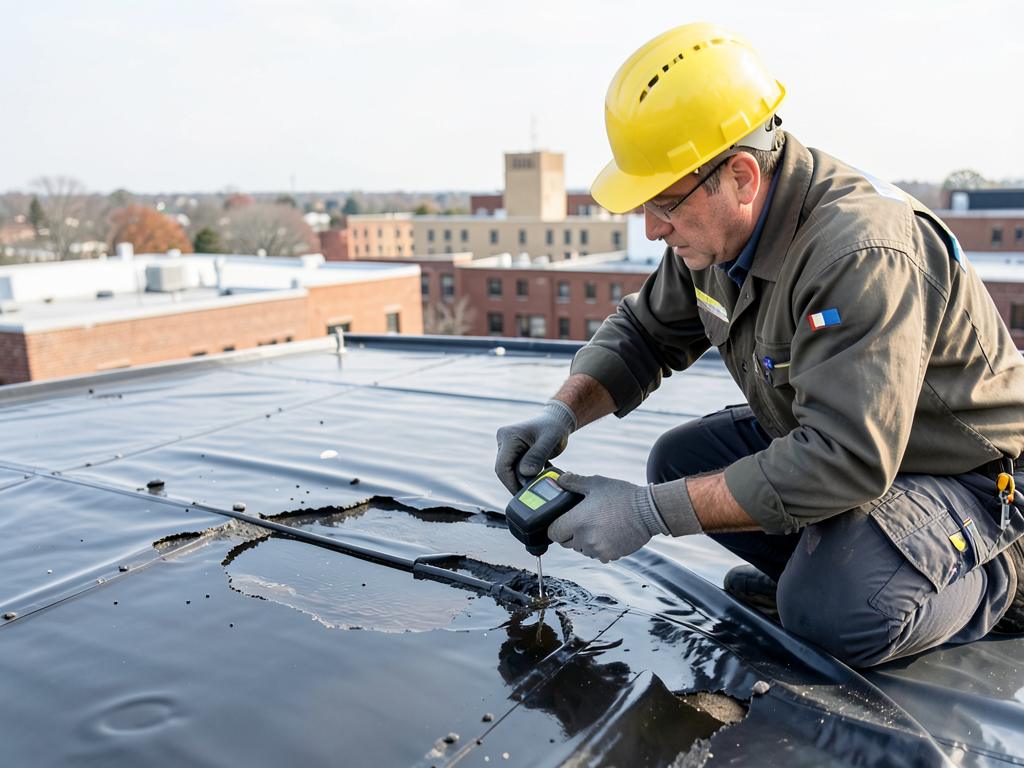
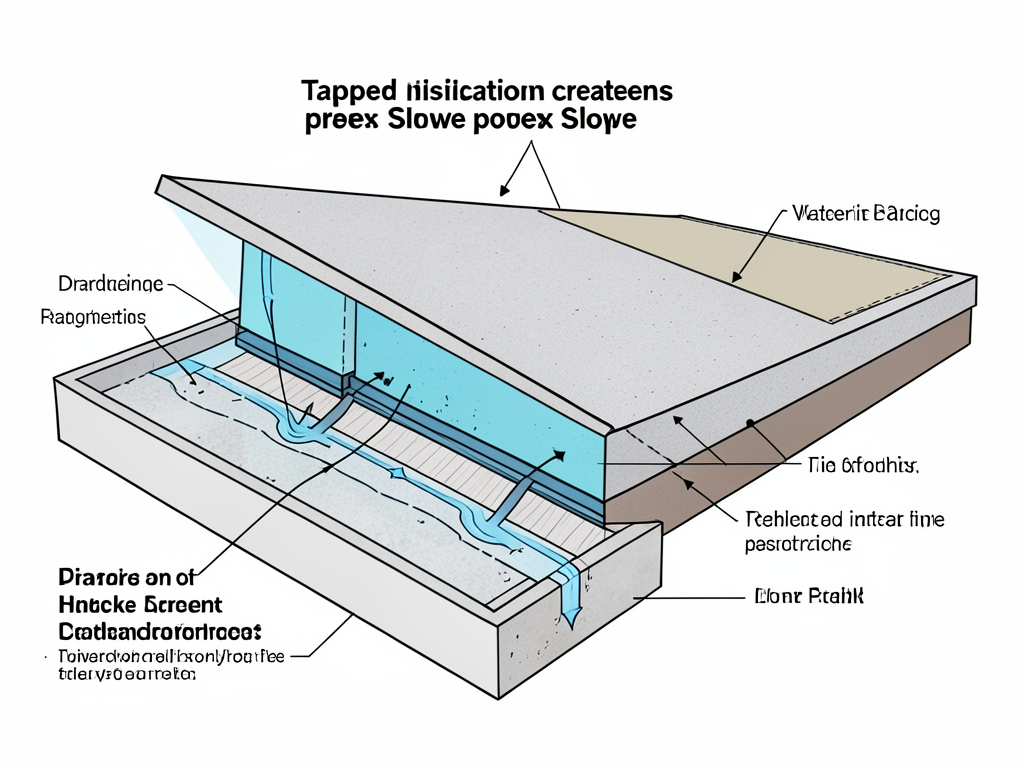
Technical diagram showing water weight distribution on a flat roof, illustrating how 1 inch of water creates over 500 pounds of pressure per 100 square feet.
5 Common Causes of Flat Roof Standing Water in Philadelphia
Understanding why water ponds on your roof is essential for choosing the right fix. In Pennsport row homes, these five causes account for nearly all ponding problems.
Clogged scuppers and drains top the list. Pennsport’s mature trees drop leaves, twigs, and debris that wash onto roofs and into drainage systems. When scuppers—the openings along roof edges—get blocked, water has nowhere to go. Even a partially clogged drain can cause ponding during heavy rains common to Philadelphia’s climate. Philadelphia Department of Licenses and Inspections.
Compressed insulation creates low spots that trap water. Many Pennsport roofs have tapered insulation that settles over time, especially in areas with foot traffic for HVAC maintenance or window washing. Once insulation compresses, it creates a bowl effect where water naturally collects and cannot drain properly.
Sagging roof joists are particularly common in Pennsport’s older buildings. Many row homes date to the early 1900s, and their structural members have settled or warped over decades. These sags create natural low points where water pools. The problem often worsens as the added weight of ponding water causes further structural settling.
Improper initial pitch affects many Philadelphia buildings. Some contractors install flat roofs with minimal slope, thinking it’s sufficient. However, Philadelphia’s heavy rainfall and snow loads require at least a quarter-inch of slope per foot to ensure proper drainage. Without this pitch, even small imperfections become ponding problems.
Damaged or deteriorated membranes lose their ability to shed water. EPDM and TPO membranes develop cracks, blisters, and seam failures over time. When the membrane integrity fails, water can pool in these damaged areas rather than flowing to drains. UV exposure, temperature extremes, and physical damage all contribute to membrane failure.
The Hidden Dangers: Why You Can’t Ignore It
Ponding water creates more than just cosmetic issues. The hidden dangers can cost thousands in repairs if left unaddressed.
Membrane degradation accelerates dramatically with standing water. Most roofing membranes are designed to shed water, not hold it. When submerged for extended periods, materials like EPDM lose flexibility and develop surface cracks. TPO membranes can delaminate, and modified bitumen can become saturated. Once the membrane fails, water infiltration becomes inevitable. Roofing Pittsburgh.
Structural weight loads pose serious risks. As mentioned, water weighs 5.2 pounds per square inch per inch of depth. A 20-by-20-foot area with just one inch of water adds over 2,000 pounds of weight. Most residential roof structures are designed for snow loads of 20-30 pounds per square foot. Ponding can easily exceed these design limits, especially when combined with snow accumulation.
Algae and moss growth thrive in standing water. These organisms not only look unsightly but also retain moisture against the membrane, accelerating deterioration. Moss can lift membrane edges, creating entry points for water. Algae growth also indicates excessive moisture, which can lead to mold problems inside your home.
Freeze-thaw damage in Philadelphia’s climate is particularly destructive. When ponding water freezes, it expands and forces apart roofing materials. This creates larger cracks that hold more water, leading to more expansion. The cycle repeats with each temperature fluctuation, turning small issues into major failures within a single winter season. Roofing Allentown.
Interior damage often appears long after roof problems begin. By the time you see water stains on ceilings, the roof deck may already be rotting, and insulation may be saturated. Repairs then become much more expensive, requiring not just roof work but also interior restoration and mold remediation.
Close-up photo showing algae growth and membrane deterioration around a roof drain, demonstrating how ponding creates ideal conditions for biological growth.
Professional Solutions for Standing Water
Professional solutions for ponding water range from simple maintenance to complete system overhauls. The right approach depends on your specific situation, roof age, and budget constraints.
Tapered insulation systems provide the most comprehensive solution for many Pennsport homes. These pre-engineered panels create proper slope across your entire roof surface, directing water to drains or scuppers. The system typically adds R-value for improved energy efficiency while solving drainage issues. Installation involves removing existing roofing down to the deck, installing new tapered insulation, and applying a new membrane.
Roof crickets are triangular structures that divert water around obstacles like chimneys, skylights, or equipment curbs. In Pennsport row homes, crickets are often needed around HVAC units or vent stacks that interrupt natural water flow. These structures create channels that guide water toward drains rather than allowing it to pool around obstacles.
Drain repositioning can solve problems when existing drains are in low spots. This involves cutting into the roof structure to install new drains in optimal locations, then patching and sealing the old drain openings. While more invasive than other solutions, it can be the most cost-effective option for severe ponding around existing drains.
Membrane replacement becomes necessary when the existing roofing material is too deteriorated to repair. This involves removing all old roofing down to the deck, inspecting and repairing any structural damage, then installing new insulation and membrane. For many older Pennsport homes, this is an opportunity to upgrade to more durable materials like TPO or PVC. How Much Does a Full Roof Replacement Actually Cost in Philadelphia Right Now.
Internal plumbing modifications address issues where downspouts or internal drains are clogged or improperly connected. Sometimes the problem isn’t the roof itself but the drainage system below. Video inspection of drain lines can identify blockages, collapsed pipes, or improper connections that prevent proper water evacuation.
Regular maintenance prevents minor issues from becoming major problems. This includes annual drain cleaning, inspection of seams and flashings, and checking for early signs of ponding. Many ponding issues start small and worsen over time, making prevention through maintenance much more cost-effective than emergency repairs.
Local Case Study: Philadelphia Flat Roof Repair
A recent project in Pennsport demonstrates how proper diagnosis leads to effective solutions. The homeowner noticed water stains on their ceiling after every heavy rain. Initial inspection revealed three distinct ponding areas totaling about 300 square feet, with the largest area holding approximately half an inch of water.
Investigation showed that the original tapered insulation had compressed over 20 years of use, creating bowl-shaped depressions around the roof’s center. The building’s age—built in 1925—meant the roof joists had also settled slightly, compounding the drainage problems. Scuppers were clear, but the lack of proper slope prevented water from reaching them.
The solution involved installing a new tapered insulation system with a minimum 1/4-inch-per-foot slope toward the building’s edges. This required removing the existing EPDM membrane and damaged insulation. New 2-inch tapered ISO boards were installed, creating proper drainage channels. A new 60-mil TPO membrane was then heat-welded over the insulation.
Post-installation testing showed no standing water after three significant rain events. The homeowner also reported improved energy efficiency, as the new insulation increased the roof’s R-value from approximately 10 to 20. Total project cost was $12,500, significantly less than the potential cost of interior water damage repairs that would have occurred within two years without intervention.
This case illustrates how understanding local building characteristics—age, construction methods, and typical failure patterns—leads to more effective solutions. Pennsport’s older housing stock often requires this level of comprehensive approach rather than simple patching.
Cost Analysis: Philadelphia Ponding Repairs
Repair costs for ponding water vary significantly based on the solution required. Understanding these ranges helps homeowners budget appropriately and avoid unexpected expenses. Why More Homeowners in Manayunk Are Switching to Metal Roofing.
Drain cleaning and minor repairs typically cost $300-$800. This includes removing debris from scuppers and drains, clearing blockages, and sealing minor membrane damage. For many cases, this simple maintenance solves the problem if caught early. Annual drain cleaning contracts run $150-$300 per year.
Tapered insulation installation ranges from $8-$15 per square foot, including new membrane. For a 1,000-square-foot roof, total cost runs $8,000-$15,000. This represents the most common professional solution for chronic ponding in older Philadelphia homes. The wide price range reflects material choices, roof accessibility, and local labor rates.
Roof cricket installation costs $1,500-$4,000 per cricket, depending on size and complexity. Most Pennsport homes need one to three crickets around chimneys, HVAC units, or other roof penetrations. This solution works well when ponding is localized around specific obstacles rather than across the entire roof surface.
Complete roof replacement with tapered insulation runs $10-$20 per square foot for standard residential projects. This includes tear-off, structural repairs if needed, new insulation, and membrane installation. While more expensive upfront, it often proves most cost-effective for roofs over 15 years old with multiple issues.
Emergency repairs after interior damage can cost 3-5 times more than preventive solutions. Water damage restoration, mold remediation, and ceiling repairs add $5,000-$15,000 or more to roofing costs. This underscores why addressing ponding early through professional inspection saves significant money long-term.
Philadelphia’s building codes require permits for most roofing work, adding $500-$1,500 to project costs. However, this ensures work meets current standards and maintains home value. Some neighborhoods with historic designations may have additional requirements affecting material choices and installation methods.
Seasonal Maintenance Schedule for Philly Roofs
Philadelphia’s climate creates specific seasonal challenges for flat roofs. Following a maintenance schedule helps prevent ponding and extends roof life.
Late winter (February-March) is ideal for post-winter inspection. Check for damage from ice dams, clear any debris accumulated over winter, and inspect seams and flashings for cold-weather damage. This timing allows you to address issues before spring rains begin.
Early spring (April) requires thorough drain cleaning. Philadelphia’s spring storms bring heavy rainfall, making proper drainage essential. Remove leaves, twigs, and debris from all drains, scuppers, and gutters. Check that water flows freely and make note of any areas where water pools.
Summer (June-August) is when ponding problems become most visible. After heavy rains, inspect your roof for standing water. Areas that retain water for more than 48 hours need professional attention. Also check for UV damage to membranes, which becomes more apparent during summer months.
Fall (September-November) focuses on preparation for winter. Clear all debris before leaf fall begins in earnest. Check that all drains are functioning properly before winter storms arrive. Consider applying reflective coatings in early fall to improve energy efficiency before heating season.
Pre-winter inspection (November) should verify that all drainage systems work properly before freeze-thaw cycles begin. Address any ponding issues now, as they worsen dramatically once freezing temperatures arrive. Also check that all roof penetrations are properly sealed against winter weather.
Annual professional inspection costs $200-$400 but often identifies problems before they require expensive repairs. Many roofing contractors offer maintenance contracts that include multiple inspections and priority service for emergencies.
Frequently Asked Questions
How can I tell if my flat roof has a ponding problem?
Look for visible standing water 48 hours after rain ends, algae or moss growth in certain areas, water stains on interior ceilings, or spongy areas when walking on the roof. You can also use a level to check for low spots where water might collect.
Is ponding water dangerous for my roof?
Yes. Ponding water adds excessive weight, accelerates membrane deterioration, promotes mold growth, and worsens with Philadelphia’s freeze-thaw cycles. What starts as a minor issue can lead to major structural damage and expensive interior repairs if left unaddressed.
How much does it cost to fix ponding on a flat roof?
Costs range from $300 for simple drain cleaning to $15,000+ for complete tapered insulation systems. Most homeowners in Philadelphia spend $8,000-$12,000 for professional solutions that address chronic ponding effectively.
Can I fix ponding water myself?
Minor issues like clearing clogged drains can be DIY projects, but proper diagnosis and repair of structural ponding requires professional expertise. Incorrect repairs can void warranties and lead to more expensive damage. Professional assessment ensures you get the right solution for your specific situation.
How long does a tapered insulation system last?
When properly installed, tapered insulation systems with new membrane typically last 20-25 years. The tapered insulation itself can last the life of the building, while the membrane may need replacement once during that period. Regular maintenance helps maximize system longevity.
Don’t let ponding water destroy your flat roof. The longer you wait, the more expensive repairs become. Call (267) 344-1222 today to schedule your professional inspection. Our team has helped hundreds of Pennsport homeowners solve ponding problems permanently. Pick up the phone and call (267) 344-1222 before the next storm hits—your roof can’t wait.
You may also find this helpful. How to Fix Alligatoring on Your Old Asphalt Flat Roof in Port Richmond.
{
“@context”: “https://schema.org”,
“@type”: “BlogPosting”,
“headline”: “How to Stop Roof Ponding from Ruining Your Flat Roof in Pennsport”,
“description”: “Standing water on your Pennsport flat roof? Learn how to fix ponding before it causes leaks, mold, and structural damage. Call (267) 344-1222 for expert help.”,
“wordCount”: 2632,
“datePublished”: “2026-05-14T10:31:00.000Z”,
“dateModified”: “2026-05-14T10:31:00.000Z”,
“inLanguage”: “en-US”,
“mainEntityOfPage”: {
“@type”: “WebPage”,
“@id”: “https://atlasroofingphiladelphia.com”
},
“publisher”: {
“@type”: “LocalBusiness”,
“name”: “Atlas Roofing Philadelphia”,
“url”: “https://atlasroofingphiladelphia.com”
},
“author”: {
“@type”: “Organization”,
“name”: “Atlas Roofing Philadelphia”,
“url”: “https://atlasroofingphiladelphia.com”
},
“image”: {
“@type”: “ImageObject”,
“url”: “https://atlasroofingphiladelphia.com/wp-content/uploads/2026/03/how-to-stop-roof-ponding-from-ruining-your-flat-ro-1.png”
}
}
{
“@context”: “https://schema.org”,
“@type”: “RoofingContractor”,
“name”: “Atlas Roofing Philadelphia”,
“url”: “https://atlasroofingphiladelphia.com”,
“address”: {
“@type”: “PostalAddress”,
“addressLocality”: “Philadelphia”
},
“areaServed”: {
“@type”: “City”,
“name”: “Philadelphia”
}
}
{
“@context”: “https://schema.org”,
“@type”: “FAQPage”,
“mainEntity”: [
{
“@type”: “Question”,
“name”: “How can I tell if my flat roof has a ponding problem?”,
“acceptedAnswer”: {
“@type”: “Answer”,
“text”: “Look for visible standing water 48 hours after rain ends, algae or moss growth in certain areas, water stains on interior ceilings, or spongy areas when walking on the roof. You can also use a level to check for low spots where water might collect.”
}
},
{
“@type”: “Question”,
“name”: “Is ponding water dangerous for my roof?”,
“acceptedAnswer”: {
“@type”: “Answer”,
“text”: “Yes. Ponding water adds excessive weight, accelerates membrane deterioration, promotes mold growth, and worsens with Philadelphia’s freeze-thaw cycles. What starts as a minor issue can lead to major structural damage and expensive interior repairs if left unaddressed.”
}
},
{
“@type”: “Question”,
“name”: “How much does it cost to fix ponding on a flat roof?”,
“acceptedAnswer”: {
“@type”: “Answer”,
“text”: “Costs range from $300 for simple drain cleaning to $15,000+ for complete tapered insulation systems. Most homeowners in Philadelphia spend $8,000-$12,000 for professional solutions that address chronic ponding effectively.”
}
},
{
“@type”: “Question”,
“name”: “Can I fix ponding water myself?”,
“acceptedAnswer”: {
“@type”: “Answer”,
“text”: “Minor issues like clearing clogged drains can be DIY projects, but proper diagnosis and repair of structural ponding requires professional expertise. Incorrect repairs can void warranties and lead to more expensive damage. Professional assessment ensures you get the right solution for your specific situation.”
}
},
{
“@type”: “Question”,
“name”: “How long does a tapered insulation system last?”,
“acceptedAnswer”: {
“@type”: “Answer”,
“text”: “When properly installed, tapered insulation systems with new membrane typically last 20-25 years. The tapered insulation itself can last the life of the building, while the membrane may need replacement once during that period. Regular maintenance helps maximize system longevity.”
}
}
]
}
{
“@context”: “https://schema.org”,
“@type”: “BreadcrumbList”,
“itemListElement”: [
{
“@type”: “ListItem”,
“position”: 1,
“name”: “Home”,
“item”: “https://atlasroofingphiladelphia.com”
},
{
“@type”: “ListItem”,
“position”: 2,
“name”: “Blog”,
“item”: “https://atlasroofingphiladelphia.com/blog”
},
{
“@type”: “ListItem”,
“position”: 3,
“name”: “How to Stop Roof Ponding from Ruining Your Flat Roof in Pennsport”
}
]
}
{
“@context”: “https://schema.org”,
“@type”: “Service”,
“serviceType”: “Roofing”,
“provider”: {
“@type”: “LocalBusiness”,
“name”: “Atlas Roofing Philadelphia”,
“url”: “https://atlasroofingphiladelphia.com”
},
“areaServed”: {
“@type”: “City”,
“name”: “Philadelphia”
},
“description”: “Standing water on your Pennsport flat roof? Learn how to fix ponding before it causes leaks, mold, and structural damage. Call (267) 344-1222 for expert help.”
}