
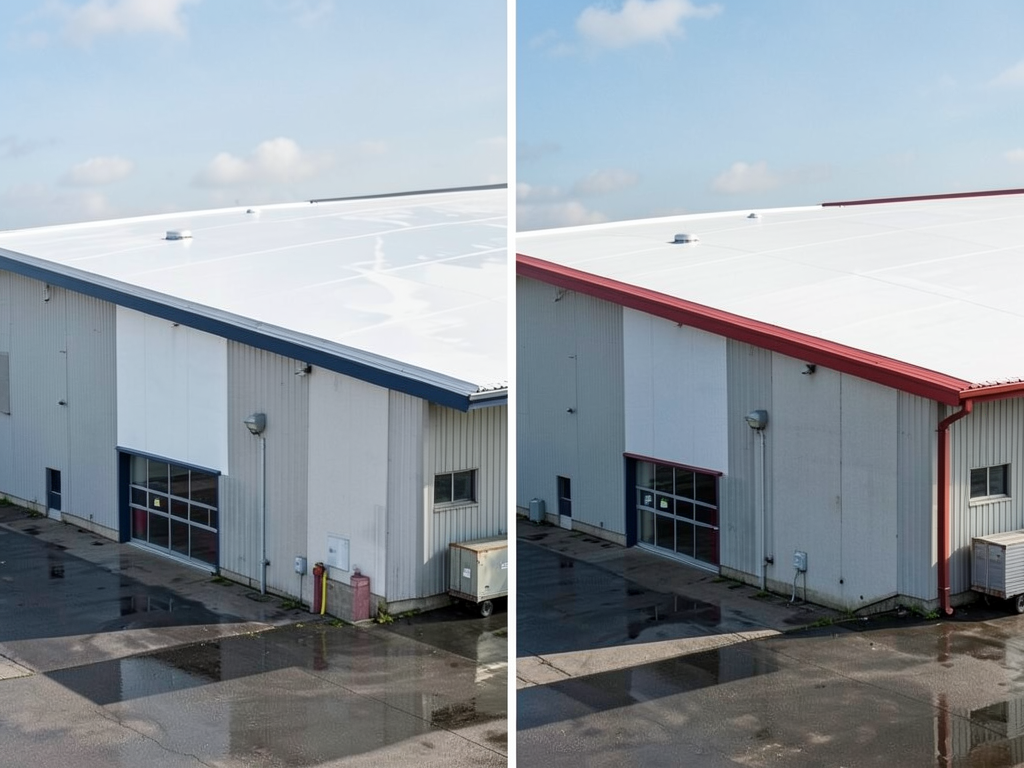
How Industrial Buildings in Port Richmond Can Benefit from Reflective Roof Coatings
Philadelphia’s Port Richmond district houses dozens of industrial warehouses and manufacturing facilities that face extreme heat gain during summer months. Large flat roofs absorb massive amounts of solar radiation, driving up cooling costs and stressing HVAC systems. Reflective roof coatings offer a proven solution that can reduce roof surface temperatures by up to 50 degrees Fahrenheit while extending the life of existing roof membranes.
Industrial property owners in Port Richmond can achieve significant energy savings through reflective coatings. These specialized fluid-applied membranes create a seamless barrier that reflects UV rays and infrared heat away from the building. The result is lower interior temperatures, reduced HVAC runtime, and protection against the freeze-thaw cycles that damage traditional roofing materials during Philadelphia’s harsh winters. Energy Department cool roof information.
Understanding Reflective Roof Coatings for Industrial Applications
Reflective roof coatings work by creating a white or light-colored surface that reflects solar radiation rather than absorbing it. Standard black EPDM or built-up roofing can reach temperatures of 150-170 degrees Fahrenheit on sunny summer days. A reflective coating can reduce that to 100-120 degrees, dramatically cutting heat transfer into the building. The Best Local Roofing Companies for Luxury Homes on the Main Line.
The technology behind these coatings involves specialized polymers and ceramic microspheres that provide both reflectivity and durability. Most industrial-grade systems include a primer coat followed by multiple layers of the reflective finish. The final mil thickness typically ranges from 20-30 mils when cured, creating a robust membrane that resists ponding water and UV degradation.
Port Richmond’s Industrial Roofing Challenges
Port Richmond’s industrial buildings face unique environmental stressors. The neighborhood sits along the Delaware River with high humidity levels year-round. This moisture combines with industrial pollutants to create acidic conditions that accelerate roof membrane deterioration. Additionally, many older warehouses have minimal insulation, making them particularly vulnerable to heat gain through the roof.
The freeze-thaw cycles common in Philadelphia create expansion and contraction stress on roofing materials. Water that enters small cracks during warm periods freezes and expands when temperatures drop, widening those cracks. Over time, this process leads to leaks, insulation damage, and eventual roof failure. Reflective coatings provide an additional layer of protection against this destructive cycle. Roofing Pittsburgh.
Types of Reflective Roof Coatings Available
Several coating systems work well for industrial applications in Philadelphia. Silicone-based coatings offer excellent ponding water resistance and flexibility. These systems maintain their properties even when submerged for extended periods, making them ideal for flat roofs with drainage issues. Acrylic elastomeric coatings provide good reflectivity and are more economical for buildings with proper drainage.
Polyurethane coatings deliver superior impact resistance and chemical protection. These systems work well in industrial areas where airborne contaminants or chemical exposure is a concern. Some facilities in Port Richmond near heavy industrial operations benefit from polyurethane’s resistance to chemical degradation.
Energy Savings and ROI Calculations
Industrial buildings in Philadelphia typically see 15-30% reduction in cooling costs after installing reflective roof coatings. A 100,000 square foot warehouse with annual cooling costs of $50,000 could save $7,500-15,000 per year. These savings accumulate while the coating also extends the underlying roof’s service life by 10-15 years.
The return on investment calculation includes coating material costs, surface preparation, and labor. Most industrial reflective coating projects in Philadelphia range from $1.50-2.50 per square foot installed. With energy savings and avoided roof replacement costs, payback periods typically fall between 3-5 years. How Much Does a Full Roof Replacement Actually Cost in Philadelphia Right Now.
Philadelphia Building Code Requirements
Philadelphia’s building code recognizes reflective roof coatings as an acceptable roofing restoration method. The Philadelphia Department of Licenses and Inspections (L&I) requires permits for coating applications over 200 square feet. Building owners must demonstrate that the existing roof structure can support any additional weight from the coating system. Roofing Allentown.
The code also references ASTM D6694 for liquid-applied acrylic coatings and ASTM D6694 for silicone coatings. These standards ensure the coating meets minimum performance requirements for weathering, flexibility, and adhesion. Port Richmond industrial buildings undergoing coating applications must comply with these standards to receive final inspection approval. ASTM D6083 standard for roof coatings.
Surface Preparation Requirements
Proper surface preparation determines coating performance and longevity. The existing roof must be thoroughly cleaned using pressure washing at 3,000-4,000 PSI to remove dirt, debris, and loose material. Any standing water areas require additional attention to ensure proper drainage after coating application.
Cracks, seams, and penetrations need repair before coating application. This typically involves cleaning the area, applying fabric reinforcement, and covering with compatible sealant. The entire surface must be dry before primer application, which usually requires 24-48 hours of clear weather in Philadelphia’s humid climate.
Application Process and Timeline
Professional coating application follows a specific sequence. After surface preparation, a primer coat goes down to ensure proper adhesion. The primer dries for 2-4 hours before the first reflective coat application. Most systems require two to three coats of the reflective finish, with each coat applied at the manufacturer’s recommended spread rate.
Weather conditions significantly impact application timing. Philadelphia’s humidity and temperature variations mean coating crews must monitor conditions closely. Ideal application occurs when temperatures are between 50-100 degrees Fahrenheit with humidity below 85%. Most Port Richmond coating projects take 3-5 days from start to finish, depending on building size and weather conditions.
Maintenance and Longevity
Reflective roof coatings require minimal maintenance but benefit from annual inspections. Building owners should check for areas where dirt accumulation might reduce reflectivity. Cleaning with low-pressure washing every 2-3 years helps maintain performance. Most high-quality industrial coatings in Philadelphia last 10-15 years before needing reapplication. Winter Roof Maintenance Tips.
The coating’s longevity depends on several factors including UV exposure, foot traffic, and environmental conditions. Buildings near Port Richmond’s industrial areas with higher air pollution may see slightly reduced coating life. Regular maintenance inspections can identify problem areas before they become leaks, extending the overall system life.. Read more about Flat Roof Maintenance Plans for Commercial Warehouses in the River Wards.
Environmental Benefits Beyond Energy Savings
Reflective roof coatings contribute to reducing the urban heat island effect in Philadelphia. By reflecting solar radiation instead of absorbing it, these roofs help lower ambient air temperatures in dense industrial areas like Port Richmond. This cooling effect benefits the entire neighborhood by reducing the heat load on surrounding buildings.
The coatings also reduce the carbon footprint associated with building cooling. Less energy consumption means lower greenhouse gas emissions from power plants. Additionally, many modern reflective coatings are water-based and contain low or zero volatile organic compounds (VOCs), making them environmentally friendly during application.
Case Study: Port Richmond Manufacturing Facility
A 75,000 square foot manufacturing building on Tulip Street in Port Richmond installed reflective silicone coating in 2024. The facility had an aging EPDM roof with multiple leak points and high cooling costs. After coating application, interior temperatures during summer dropped by an average of 8 degrees Fahrenheit.
The building owner reported a 22% reduction in summer cooling costs in the first year after installation. The coating also eliminated all active leaks and prevented new ones from forming during winter freeze-thaw cycles. The project cost $112,000 and achieved payback in just under four years through energy savings alone.
Comparing Coating Options for Industrial Use
| Coating Type | Reflectivity | Ponding Water Resistance | Cost per sq ft | Typical Lifespan |
|---|---|---|---|---|
| Silicone | 88-92% | Excellent | $2.00-2.75 | 15-20 years |
| Acrylic | 85-90% | Good | $1.50-2.00 | 10-12 years |
| Polyurethane | 80-85% | Fair | $2.25-3.00 | 12-15 years |
Common Application Mistakes to Avoid
Several factors can compromise coating performance if not addressed properly. Applying coatings over dirty or wet surfaces prevents proper adhesion. Skipping the primer coat reduces system longevity by 30-40%. Using incorrect mil thickness leaves the roof vulnerable to UV degradation and physical damage.
Philadelphia’s humidity creates specific challenges. Applying coatings when humidity exceeds 85% can trap moisture beneath the surface, leading to blistering and premature failure. Professional contractors use moisture meters and humidity gauges to ensure optimal application conditions. Temperature also matters – coatings applied below 50 degrees Fahrenheit may not cure properly.
Tax Incentives and Rebates
Philadelphia building owners can access several financial incentives for reflective roof installations. The federal Energy Policy Act provides tax deductions for commercial buildings that meet certain energy efficiency standards. Pennsylvania’s Act 129 energy efficiency programs occasionally offer rebates for cool roof installations in commercial buildings.
Some utility companies in the Philadelphia area provide incentives for energy-efficient building improvements. These programs change annually, so building owners should check with PECO and PGW for current offerings. The combined energy savings and available incentives can reduce the net cost of coating projects by 15-25%.
Frequently Asked Questions
How long does a reflective roof coating last in Philadelphia’s climate?
Most high-quality reflective roof coatings last 10-15 years in Philadelphia’s climate. Silicone coatings typically last the longest at 15-20 years, while acrylic coatings average 10-12 years. Factors affecting longevity include UV exposure, foot traffic, and environmental conditions.
Can reflective coatings fix existing roof leaks?
Reflective coatings can seal minor cracks and seams but cannot fix major structural issues. Existing leaks must be properly repaired before coating application. The coating creates a seamless membrane that prevents new leaks but cannot repair rotted decking or extensive membrane damage.
What temperature reduction can I expect after installation?
Building owners typically see 15-30 degree Fahrenheit reduction in roof surface temperature. Interior temperature drops vary based on insulation levels but commonly range from 5-10 degrees. Warehouses with minimal insulation may see greater indoor temperature improvements.
How much does a reflective roof coating cost for an industrial building?
Industrial reflective roof coating costs range from $1.50-3.00 per square foot installed, depending on coating type, roof condition, and building complexity. Most Port Richmond industrial buildings fall in the $2.00-2.50 per square foot range for quality silicone systems.
Making the Decision for Your Port Richmond Facility
Industrial building owners in Port Richmond should consider several factors when evaluating reflective roof coatings. The age and condition of the existing roof determines whether coating is viable or if replacement is necessary. Buildings with roofs less than 15 years old and in good structural condition are ideal candidates.
Energy usage patterns also influence the decision. Facilities with high cooling loads during summer months see the fastest payback. Buildings with significant roof-top equipment may need special consideration for coating application around HVAC units, vents, and other penetrations.
Finding Qualified Contractors in Philadelphia
Selecting the right contractor ensures coating performance and warranty protection. Look for contractors with specific experience in industrial reflective coating applications. They should provide manufacturer certifications, insurance documentation, and references from similar projects in the Philadelphia area.
Reputable contractors conduct thorough roof inspections before quoting. They should identify any necessary repairs, drainage issues, and provide detailed application plans. The best contractors offer 10-20 year warranties on coating systems when proper application procedures are followed.
Ready to reduce your Port Richmond industrial building’s cooling costs while extending your roof’s life? Call (267) 344-1222 today to schedule a free roof assessment and learn how reflective coatings can benefit your facility. Don’t wait until summer heat drives your energy bills through the roof.
Act now to protect your investment and start saving on energy costs. Our team understands Philadelphia’s unique climate challenges and has helped dozens of Port Richmond industrial facilities improve their building performance through professional reflective coating applications.
You may also find this helpful. Why Internal Roof Drains in Olney Warehouses Fail and How to Fix Them.
You may also find this helpful. How to Tell if Your Flat Roof Needs a Simple Patch or a Full Recoating in Frankford.
{
“@context”: “https://schema.org”,
“@type”: “BlogPosting”,
“headline”: “How Industrial Buildings in Port Richmond Can Benefit from Reflective Roof Coatings”,
“description”: “Discover how reflective roof coatings can cut cooling costs by up to 30% for Port Richmond warehouses while extending roof life in Philadelphia’s harsh climate.”,
“wordCount”: 1879,
“datePublished”: “2026-04-14T06:58:00.000Z”,
“dateModified”: “2026-04-14T06:58:00.000Z”,
“inLanguage”: “en-US”,
“mainEntityOfPage”: {
“@type”: “WebPage”,
“@id”: “https://atlasroofingphiladelphia.com”
},
“publisher”: {
“@type”: “LocalBusiness”,
“name”: “Atlas Roofing Philadelphia”,
“url”: “https://atlasroofingphiladelphia.com”
},
“author”: {
“@type”: “Organization”,
“name”: “Atlas Roofing Philadelphia”,
“url”: “https://atlasroofingphiladelphia.com”
},
“image”: {
“@type”: “ImageObject”,
“url”: “https://atlasroofingphiladelphia.com/wp-content/uploads/2026/03/how-industrial-buildings-in-port-richmond-can-bene-1.png”
}
}
{
“@context”: “https://schema.org”,
“@type”: “RoofingContractor”,
“name”: “Atlas Roofing Philadelphia”,
“url”: “https://atlasroofingphiladelphia.com”,
“address”: {
“@type”: “PostalAddress”,
“addressLocality”: “Philadelphia”
},
“areaServed”: {
“@type”: “City”,
“name”: “Philadelphia”
}
}
{
“@context”: “https://schema.org”,
“@type”: “FAQPage”,
“mainEntity”: [
{
“@type”: “Question”,
“name”: “How long does a reflective roof coating last in Philadelphia’s climate?”,
“acceptedAnswer”: {
“@type”: “Answer”,
“text”: “Most high-quality reflective roof coatings last 10-15 years in Philadelphia’s climate. Silicone coatings typically last the longest at 15-20 years, while acrylic coatings average 10-12 years. Factors affecting longevity include UV exposure, foot traffic, and environmental conditions.”
}
},
{
“@type”: “Question”,
“name”: “Can reflective coatings fix existing roof leaks?”,
“acceptedAnswer”: {
“@type”: “Answer”,
“text”: “Reflective coatings can seal minor cracks and seams but cannot fix major structural issues. Existing leaks must be properly repaired before coating application. The coating creates a seamless membrane that prevents new leaks but cannot repair rotted decking or extensive membrane damage.”
}
},
{
“@type”: “Question”,
“name”: “What temperature reduction can I expect after installation?”,
“acceptedAnswer”: {
“@type”: “Answer”,
“text”: “Building owners typically see 15-30 degree Fahrenheit reduction in roof surface temperature. Interior temperature drops vary based on insulation levels but commonly range from 5-10 degrees. Warehouses with minimal insulation may see greater indoor temperature improvements.”
}
},
{
“@type”: “Question”,
“name”: “How much does a reflective roof coating cost for an industrial building?”,
“acceptedAnswer”: {
“@type”: “Answer”,
“text”: “Industrial reflective roof coating costs range from $1.50-3.00 per square foot installed, depending on coating type, roof condition, and building complexity. Most Port Richmond industrial buildings fall in the $2.00-2.50 per square foot range for quality silicone systems.”
}
}
]
}
{
“@context”: “https://schema.org”,
“@type”: “BreadcrumbList”,
“itemListElement”: [
{
“@type”: “ListItem”,
“position”: 1,
“name”: “Home”,
“item”: “https://atlasroofingphiladelphia.com”
},
{
“@type”: “ListItem”,
“position”: 2,
“name”: “Blog”,
“item”: “https://atlasroofingphiladelphia.com/blog”
},
{
“@type”: “ListItem”,
“position”: 3,
“name”: “How Industrial Buildings in Port Richmond Can Benefit from Reflective Roof Coatings”
}
]
}
{
“@context”: “https://schema.org”,
“@type”: “Service”,
“serviceType”: “Roofing”,
“provider”: {
“@type”: “LocalBusiness”,
“name”: “Atlas Roofing Philadelphia”,
“url”: “https://atlasroofingphiladelphia.com”
},
“areaServed”: {
“@type”: “City”,
“name”: “Philadelphia”
},
“description”: “Discover how reflective roof coatings can cut cooling costs by up to 30% for Port Richmond warehouses while extending roof life in Philadelphia’s harsh climate.”
}