
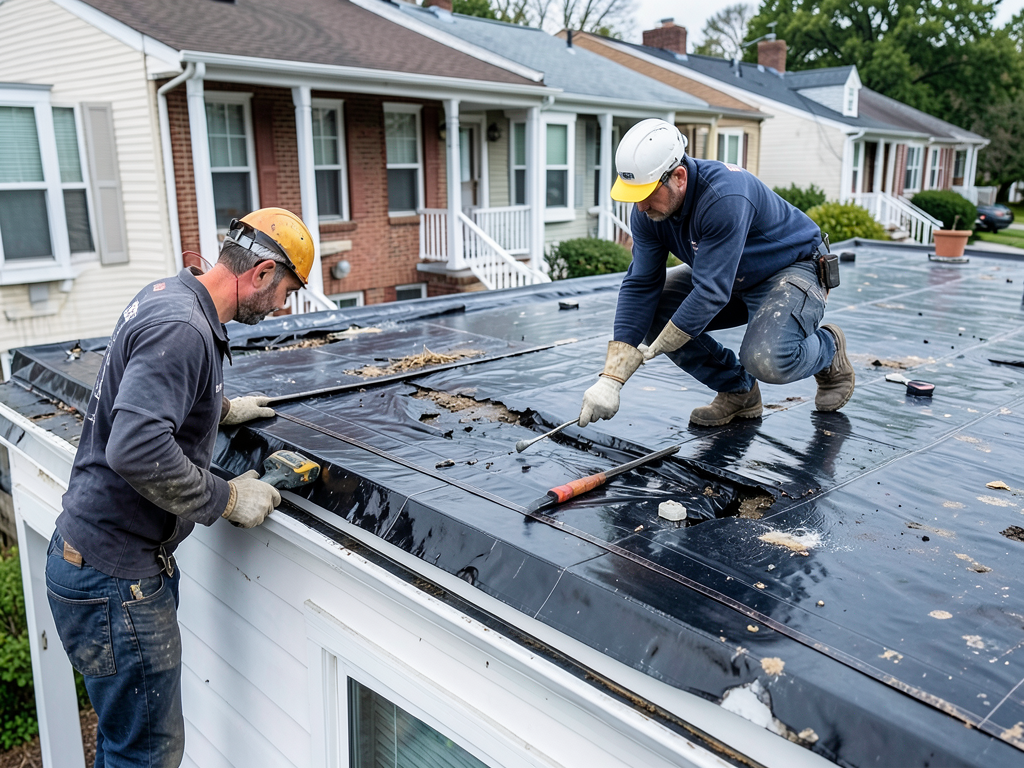
Preparing Your Bridesburg Home for Severe Summer Thunderstorms and High Winds
Summer thunderstorms in Bridesburg can bring winds exceeding 60 mph and sudden downpours that test every seam and shingle on your roof. The Delaware River corridor creates unique wind patterns that funnel through our tight rowhome blocks, making certain properties more vulnerable than others. Before the next storm warning flashes across your phone, you need to know exactly what to check and how to protect your home.
Bridesburg’s proximity to the river means your home faces specific challenges during severe weather. The combination of high winds, heavy rainfall, and the potential for flying debris creates a perfect storm for roof damage. Many homes in the area were built between 1920 and 1960, and their aging roofing systems weren’t designed for today’s increasingly intense weather patterns. The Best Local Roofing Companies for Luxury Homes on the Main Line.
The first step is understanding that wind damage rarely happens all at once. It starts with small failures – a loose shingle here, a cracked flashing there – that gradually worsen until a major storm exposes the weakness. By the time you see water stains on your ceiling, the damage has already progressed significantly.
Understanding Bridesburg’s Storm Vulnerabilities
Bridesburg sits in a unique position where the Delaware River’s influence meets Philadelphia’s urban heat island effect. This combination creates microclimates that can intensify summer storms. The tight rowhome layout means wind speeds can actually increase between buildings, creating pressure differentials that stress roof edges and corners. How Much Does a Full Roof Replacement Actually Cost in Philadelphia Right Now.
Many Bridesburg homes feature the classic Philadelphia brick rowhome construction with flat or low-slope roofs. These designs work well for urban density but present specific challenges during high winds. The parapet walls that give these homes their distinctive look can actually trap wind, creating uplift forces that pull on roofing materials. Roofing Pittsburgh.
Water intrusion becomes a major concern when wind-driven rain hits at angles that defeat standard flashing. The seams between parapet walls and roofing membranes are particularly vulnerable, as are the areas around HVAC units and vent stacks that are common on flat roofs. Roofing Allentown.
Another factor unique to Bridesburg is the age of our housing stock. Homes built before 1980 often used materials and installation methods that don’t meet current wind resistance standards. The roofing felt and underlayment from that era simply can’t withstand the wind speeds we’re seeing now.
Common Wind Damage Patterns in Philadelphia Rowhomes
Wind damage follows predictable patterns based on building geometry and material age. The corners of roofs experience the highest uplift forces, which is why you’ll often see corner shingles or membrane sections failing first during storms.. Read more about Getting Your Roof Shingles Fixed Fast Before the Next Big Storm Hits Fishtown.
On flat roofs, the perimeter areas are most vulnerable. The wind creates a vortex effect at the edges, lifting materials away from the substrate. This is especially problematic where parapet walls meet the roof surface, as the transition creates stress points.
Flashing failures are another common pattern. The metal strips that seal roof penetrations and transitions can work loose over time, especially where different materials expand and contract at different rates. Once flashing fails, water finds its way under roofing materials.
Gutter systems in Bridesburg often can’t handle the volume of water from intense summer storms. When gutters overflow, water backs up under roof edges and can cause damage to fascia boards and the roof deck itself.
The age factor compounds these issues. A twenty-year-old roof might have lost much of its flexibility and adhesion, making it unable to flex with wind loads without cracking or separating. EPA.
Philadelphia Building Code Requirements for Wind Resistance
The Philadelphia Building Code includes specific requirements for wind resistance based on a structure’s location and height. For most residential properties in Bridesburg, the code requires roofing systems to withstand sustained winds of at least 90 mph.
Section 1504.1.6 of the Philadelphia Building Code addresses wind design for roof coverings. It requires that asphalt shingles meet ASTM D3161 Class F standards for wind resistance, which means they’ve been tested to withstand winds up to 110 mph.
For flat roofs, the code requires additional fastening methods for roofing membranes. The Philadelphia L&I (Licenses and Inspections) department mandates specific attachment patterns for modified bitumen and single-ply membranes to prevent wind uplift.
Flashing requirements are also detailed in the code. Section 1507.5 specifies that metal flashing must be a minimum of 26-gauge galvanized steel or aluminum, with specific dimensions for different applications.
Understanding these requirements helps you evaluate whether your current roofing system meets modern standards or if it’s time for an upgrade before the next storm season.
5 Critical Inspection Points Before Storm Season
Before severe weather hits, you need to check specific areas of your roof for vulnerabilities. These five inspection points can help you identify problems before they cause expensive damage.
First, examine your roof edges and corners. These areas experience the highest wind loads and are often the first to fail. Look for loose or missing shingles, exposed nails, or gaps where materials have separated.
Second, check all flashing around chimneys, vents, and where the roof meets walls. Flashing should be secure and free of rust or corrosion. Pay special attention to the areas where parapet walls meet the roof surface.
Third, inspect your gutters and downspouts. They should be securely attached and free of debris. Check that water flows freely through the system and that downspouts direct water at least five feet away from your foundation.
Fourth, examine any roof penetrations like skylights, HVAC units, or vent stacks. The seals around these features are common failure points during high winds and heavy rain.
Fifth, check your attic space for signs of current or past water intrusion. Look for water stains, mold growth, or daylight visible through the roof deck. These indicate existing vulnerabilities that storms will exploit.
Best Materials for Storm Resistance in Philadelphia
When it’s time to replace your roof, choosing materials designed for our specific weather conditions makes a significant difference in performance during storms.
Impact-resistant shingles rated Class 4 offer the best protection against hail and wind-driven debris. These shingles have a polymer-modified asphalt core that remains flexible in temperature extremes while resisting impact damage.
For flat roofs, modified bitumen systems with reinforced polyester or fiberglass mats provide superior wind uplift resistance. The multiple layers create redundancy that helps prevent total system failure if one layer is damaged.
Synthetic underlayment has largely replaced traditional felt paper in modern installations. Products like GAF Deck-Armor or Owens Corning WeatherWatch offer better tear resistance and remain stable when exposed to moisture during installation.
Metal roofing systems, particularly standing seam designs, excel in high-wind areas. The interlocking panels and hidden fasteners eliminate the weak points that plague traditional roofing systems.
For parapet walls, consider using termination bars and extra fastening along the top edge. This prevents the wind from getting under the roofing membrane and lifting it away from the substrate.
Emergency Preparation Checklist
Creating an emergency plan before storm season arrives can save you thousands in potential damage. This checklist covers the essential steps every Bridesburg homeowner should take.
Start by documenting your current roof condition. Take photos of all roof areas, especially any existing damage or vulnerable spots. This documentation becomes crucial if you need to file insurance claims later.. Read more about Why Your Roof Insurance Claim Was Denied and How to Appeal It.
Clear your gutters and downspouts of all debris. Even small amounts of leaves or twigs can cause overflow during heavy rain, leading to water intrusion at roof edges.
Trim trees within ten feet of your home. Dead branches and overhanging limbs become dangerous projectiles during high winds. Pay special attention to any trees that could fall onto your roof.
Secure loose items around your property. Patio furniture, grills, and garden decorations can become airborne in strong winds and damage your roof or neighboring properties.
Check your attic ventilation. Proper airflow prevents heat and moisture buildup that can weaken roofing materials over time. Make sure soffit vents aren’t blocked and that exhaust fans vent to the exterior.
Finally, establish a relationship with a local roofing contractor before you need emergency services. Having a trusted professional’s contact information ready can make the difference between quick repairs and extended damage.
Professional Inspection Process
A thorough professional inspection goes far beyond what most homeowners can see from the ground. Understanding what a qualified inspector looks for can help you evaluate the quality of any assessment you receive. Why More Homeowners in Manayunk Are Switching to Metal Roofing.
The inspection begins with a detailed exterior examination using proper safety equipment. The inspector checks for loose materials, damaged flashing, and signs of wear that indicate vulnerability to wind damage.
Roof pitch is measured and evaluated against material specifications. Some roofing products require minimum slopes to perform properly in high winds, and many older Bridesburg homes have areas that fall below these requirements.
Fastener patterns are checked against current building codes. The number and placement of nails or screws holding roofing materials in place directly affects wind resistance.
Underlayment condition is assessed, including any visible gaps or deterioration. The inspector also checks for proper overlap and sealing at critical areas like valleys and roof edges.
The attic inspection reveals issues invisible from the exterior. Moisture damage, inadequate ventilation, and structural weaknesses all show up in the attic and can indicate how well your roof will perform in severe weather.
Finally, the inspector evaluates your specific property’s exposure to wind patterns, considering factors like nearby taller buildings, open areas, and the Delaware River’s influence on local wind behavior.
Insurance Considerations for Storm Damage
Understanding your insurance coverage before storm damage occurs can prevent unpleasant surprises when you need to file a claim. Most standard homeowners policies cover wind damage, but the specifics matter.
Review your policy’s wind damage coverage limits. Some policies have separate deductibles for wind-related claims that are higher than your standard deductible. In Pennsylvania, these wind deductibles typically range from 1% to 5% of your home’s insured value.
Check whether your policy covers the full replacement cost or just the actual cash value of your roof. Actual cash value accounts for depreciation, which can leave you responsible for a significant portion of replacement costs.
Document your roof’s age and condition. Insurance companies often deny claims on roofs over twenty years old, arguing that they’ve exceeded their expected lifespan. Having recent inspection reports can help support your claim.
Understand the timeline for filing claims. Most policies require you to report damage within a specific timeframe after a storm. Waiting too long can result in denied claims, even for legitimate damage.
Consider whether you need additional coverage for specific risks. If your home is particularly vulnerable to wind damage or if you’ve had claims in the past, you might benefit from enhanced coverage options.
Emergency Response After Storm Damage
When a severe storm hits, knowing how to respond can prevent further damage and help you navigate the insurance process more effectively.
First, ensure your family’s safety. Don’t inspect storm damage during active weather or if there are downed power lines or structural concerns. Wait until conditions are safe.
Once it’s safe, document all damage with photos and videos. Capture multiple angles and include close-ups of specific damage areas. This documentation becomes crucial for insurance claims.
Cover any immediate vulnerabilities to prevent further water intrusion. Use tarps or plastic sheeting to protect exposed areas, but be careful not to walk on damaged roof sections that could collapse.
Contact your insurance company as soon as possible to report the damage. Many companies have specific procedures for storm damage claims and may require you to use approved contractors.
Be cautious about signing anything with contractors who show up uninvited after storms. Storm chasers often target affected areas with high-pressure sales tactics and substandard work.
Keep all receipts for temporary repairs and emergency services. Your insurance policy may reimburse these expenses if they were necessary to prevent further damage.
Finally, get a professional inspection to assess the full extent of damage. What looks minor from the ground may involve significant structural issues that require immediate attention.
Long-term Storm Protection Strategies
Beyond immediate repairs and inspections, several long-term strategies can improve your home’s resilience to severe weather and reduce future damage risks.
Consider upgrading to impact-resistant roofing materials when it’s time for replacement. While the initial cost is higher, these materials often qualify for insurance discounts and can prevent costly damage during storms.
Improve your attic ventilation system. Proper airflow reduces heat buildup that can weaken roofing materials and prevents moisture accumulation that leads to rot and mold growth.
Install hurricane straps or other structural reinforcements that connect your roof to the home’s frame. These metal connectors prevent uplift during high winds and are required by code in many coastal areas.
Evaluate your landscaping for storm hazards. Trees that are too close to your home or in poor health become risks during severe weather. Professional pruning or removal might be necessary.
Consider adding a secondary water barrier beneath your primary roofing material. This self-adhering membrane provides an extra layer of protection against wind-driven rain that gets past your primary roofing system.
Regular maintenance becomes your best defense against storm damage. Annual inspections, prompt repairs, and keeping your roof in good condition prevent the small issues that storms exploit.
Cost-Benefit Analysis of Storm-Resistant Upgrades
Investing in storm-resistant upgrades requires weighing upfront costs against potential savings from prevented damage and insurance discounts.
Impact-resistant shingles typically cost 15-20% more than standard asphalt shingles but can qualify for insurance discounts of 5-15% in many areas. Over a twenty-year roof life, these savings can offset much of the additional upfront cost.
Upgraded underlayment adds $500-1000 to a typical roof replacement but provides crucial protection against ice dams and wind-driven rain. This relatively small investment can prevent thousands in water damage.
Enhanced fastening systems for flat roofs increase installation costs by 10-15% but dramatically improve wind uplift resistance. For homes in wind-prone areas, this upgrade often pays for itself by preventing a single major repair.
Professional gutter upgrades with oversized downspouts and gutter guards cost $1500-3000 but prevent water backup that can cause roof edge damage and foundation issues. The prevention of a single major water intrusion incident often justifies this expense.
The most cost-effective strategy often combines targeted upgrades with rigorous maintenance. Addressing your home’s specific vulnerabilities rather than applying generic solutions provides the best return on investment.
Frequently Asked Questions
How often should I have my roof inspected for storm readiness?
Professional roof inspections should be conducted annually, with additional checks after any severe weather event. Spring inspections are particularly important to identify winter damage before summer storm season.
Can I install storm-resistant materials on my existing roof?
Yes, many storm-resistant upgrades can be added during a re-roofing project. However, some improvements like enhanced fastening systems require complete roof replacement to be effective.
What’s the typical lifespan of storm-resistant roofing materials?
High-quality impact-resistant shingles typically last 25-30 years, while premium metal roofing can last 50+ years. The actual lifespan depends on maintenance, local weather conditions, and installation quality.
Will my insurance cover storm damage if I haven’t maintained my roof?
Insurance companies expect reasonable maintenance. If damage results from neglect rather than a covered peril, your claim may be denied. Regular maintenance documentation can support your claim if issues arise.
How much wind can my roof actually withstand?
Most modern residential roofs are designed to withstand winds of 90-110 mph, but this varies based on age, materials, and installation quality. Homes built before 2000 may not meet current wind resistance standards.
Conclusion
Preparing your Bridesburg home for severe summer thunderstorms and high winds requires understanding the specific challenges our location presents. The combination of aging housing stock, unique wind patterns from the Delaware River, and increasingly intense weather means proactive preparation isn’t optional – it’s essential.
The most effective approach combines regular professional inspections, targeted upgrades to vulnerable areas, and emergency preparation before storm season arrives. By addressing the specific vulnerabilities of your home’s construction and location, you can significantly reduce the risk of storm damage.
Remember that small issues become major problems when exposed to severe weather. Loose shingles, deteriorated flashing, and clogged gutters might seem minor, but they’re exactly the weaknesses that storms exploit. Taking action now, before the next weather alert, protects your home and your peace of mind.
Don’t wait for the next storm warning to discover your roof’s vulnerabilities. Call (267) 344-1222 today to schedule your professional inspection and storm-readiness assessment. Our experienced team understands Bridesburg’s unique challenges and can help you prepare your home before severe weather strikes.
Pick up the phone and call (267) 344-1222 before the next storm hits. Your home deserves the protection that comes from professional expertise and proper preparation. We’re here to help you weather the storm with confidence. For more information, visit FEMA.
{
“@context”: “https://schema.org”,
“@type”: “BlogPosting”,
“headline”: “Preparing Your Bridesburg Home for Severe Summer Thunderstorms and High Winds”,
“description”: “Protect your Bridesburg home from summer storms with expert roofing tips. Learn how to prevent wind damage and water intrusion before the next big thunderstorm hits.”,
“wordCount”: 2817,
“datePublished”: “2026-04-07T07:18:00.000Z”,
“dateModified”: “2026-04-07T07:18:00.000Z”,
“inLanguage”: “en-US”,
“mainEntityOfPage”: {
“@type”: “WebPage”,
“@id”: “https://atlasroofingphiladelphia.com”
},
“publisher”: {
“@type”: “LocalBusiness”,
“name”: “Atlas Roofing Philadelphia”,
“url”: “https://atlasroofingphiladelphia.com”
},
“author”: {
“@type”: “Organization”,
“name”: “Atlas Roofing Philadelphia”,
“url”: “https://atlasroofingphiladelphia.com”
},
“image”: {
“@type”: “ImageObject”,
“url”: “https://atlasroofingphiladelphia.com/wp-content/uploads/2026/03/preparing-your-bridesburg-home-for-severe-summer-t-1.png”
}
}
{
“@context”: “https://schema.org”,
“@type”: “RoofingContractor”,
“name”: “Atlas Roofing Philadelphia”,
“url”: “https://atlasroofingphiladelphia.com”,
“address”: {
“@type”: “PostalAddress”,
“addressLocality”: “Philadelphia”
},
“areaServed”: {
“@type”: “City”,
“name”: “Philadelphia”
}
}
{
“@context”: “https://schema.org”,
“@type”: “FAQPage”,
“mainEntity”: [
{
“@type”: “Question”,
“name”: “How often should I have my roof inspected for storm readiness?”,
“acceptedAnswer”: {
“@type”: “Answer”,
“text”: “Professional roof inspections should be conducted annually, with additional checks after any severe weather event. Spring inspections are particularly important to identify winter damage before summer storm season.”
}
},
{
“@type”: “Question”,
“name”: “Can I install storm-resistant materials on my existing roof?”,
“acceptedAnswer”: {
“@type”: “Answer”,
“text”: “Yes, many storm-resistant upgrades can be added during a re-roofing project. However, some improvements like enhanced fastening systems require complete roof replacement to be effective.”
}
},
{
“@type”: “Question”,
“name”: “What’s the typical lifespan of storm-resistant roofing materials?”,
“acceptedAnswer”: {
“@type”: “Answer”,
“text”: “High-quality impact-resistant shingles typically last 25-30 years, while premium metal roofing can last 50+ years. The actual lifespan depends on maintenance, local weather conditions, and installation quality.”
}
},
{
“@type”: “Question”,
“name”: “Will my insurance cover storm damage if I haven’t maintained my roof?”,
“acceptedAnswer”: {
“@type”: “Answer”,
“text”: “Insurance companies expect reasonable maintenance. If damage results from neglect rather than a covered peril, your claim may be denied. Regular maintenance documentation can support your claim if issues arise.”
}
},
{
“@type”: “Question”,
“name”: “How much wind can my roof actually withstand?”,
“acceptedAnswer”: {
“@type”: “Answer”,
“text”: “Most modern residential roofs are designed to withstand winds of 90-110 mph, but this varies based on age, materials, and installation quality. Homes built before 2000 may not meet current wind resistance standards.”
}
}
]
}
{
“@context”: “https://schema.org”,
“@type”: “BreadcrumbList”,
“itemListElement”: [
{
“@type”: “ListItem”,
“position”: 1,
“name”: “Home”,
“item”: “https://atlasroofingphiladelphia.com”
},
{
“@type”: “ListItem”,
“position”: 2,
“name”: “Blog”,
“item”: “https://atlasroofingphiladelphia.com/blog”
},
{
“@type”: “ListItem”,
“position”: 3,
“name”: “Preparing Your Bridesburg Home for Severe Summer Thunderstorms and High Winds”
}
]
}
{
“@context”: “https://schema.org”,
“@type”: “Service”,
“serviceType”: “Roofing”,
“provider”: {
“@type”: “LocalBusiness”,
“name”: “Atlas Roofing Philadelphia”,
“url”: “https://atlasroofingphiladelphia.com”
},
“areaServed”: {
“@type”: “City”,
“name”: “Philadelphia”
},
“description”: “Protect your Bridesburg home from summer storms with expert roofing tips. Learn how to prevent wind damage and water intrusion before the next big thunderstorm hits.”
}