
Dealing with Steep Slope Roofing Challenges on the Hills of East Falls
East Falls’ steep hills and historic homes demand specialized roofing expertise. The neighborhood’s dramatic elevation changes create unique challenges for steep slope roofing systems that require technical knowledge, proper safety protocols, and material selection specific to Philadelphia’s climate. Philadelphia Department of Licenses and Inspections.
Steep slope roofs in East Falls typically have pitches greater than 4:12, meaning they rise more than four inches for every twelve inches of horizontal run. These high-pitch roofs require different installation techniques, safety equipment, and material choices compared to standard residential roofs found in flatter parts of Philadelphia.
Philadelphia’s Department of Licenses and Inspections requires specific permits for steep slope roofing work, particularly in East Falls where many homes fall within historic districts. The combination of steep pitches and historic preservation guidelines means contractors must balance modern roofing technology with architectural authenticity. The Best Local Roofing Companies for Luxury Homes on the Main Line.
Understanding East Falls’ Steep Slope Roofing Requirements
East Falls’ topography creates distinct roofing challenges that affect every aspect of installation and maintenance. The neighborhood’s hills mean homes often sit at different elevations, creating complex roof lines that require careful water management and drainage planning. Roofing Pittsburgh.
Historic homes in East Falls often feature slate or wood shake roofing materials that were common when these homes were built in the late 1800s and early 1900s. Modern replacements must match the original aesthetic while meeting current building codes and providing better weather resistance. How Much Does a Full Roof Replacement Actually Cost in Philadelphia Right Now.
The steep slopes in East Falls also affect how roofing crews work. Standard ladder access becomes dangerous on pitches over 8:12, requiring specialized scaffolding, roof brackets, and fall protection systems that meet OSHA standards for residential construction. OSHA Construction Safety Guidelines.
Safety Requirements for Steep Slope Roofing in Philadelphia
Working on steep slopes requires comprehensive safety protocols that go beyond standard roofing practices. OSHA mandates specific fall protection measures for pitches over 4:12, including guardrail systems, safety nets, or personal fall arrest systems for workers. Roofing Allentown.
In East Falls’ dense residential areas, roofers must also consider property boundaries and neighbor safety. Scaffolding often extends beyond property lines, requiring coordination with adjacent homeowners and additional permits from Philadelphia’s Department of Licenses and Inspections. Why More Homeowners in Manayunk Are Switching to Metal Roofing.
Weather conditions in Philadelphia create additional safety concerns. The freeze-thaw cycles common in East Falls can make roof surfaces extremely slippery, requiring crews to use specialized footwear and additional anchoring systems during winter months.
Material Selection for Steep Slope Applications
Material selection for steep slope roofs in East Falls depends on several factors including pitch, historic requirements, and local weather patterns. Asphalt shingles remain popular due to their cost-effectiveness and wide range of styles that can match historic aesthetics.
Natural slate offers superior durability and authenticity for historic homes but requires specialized installation techniques. Slate roofs can last over 100 years but demand experienced crews familiar with the material’s weight distribution and fastening requirements.
Synthetic slate provides a middle ground, offering the look of natural slate with easier installation and lower weight. These materials work well on pitches up to 12:12 and resist the algae growth common in Philadelphia’s humid climate.
Installation Techniques for High-Pitch Roofs
Steep slope installation requires different techniques than standard roofing. The increased pitch affects how materials are handled, how underlayment is applied, and how flashing is installed to prevent water infiltration at critical junctions.
Underlayment requirements become more stringent on steep slopes. Philadelphia’s building code requires synthetic underlayment on pitches over 6:12, providing better traction for workers and superior moisture protection compared to traditional felt paper.
Ice and water shield installation becomes critical in East Falls where winter storms can create ice dam conditions. Building codes require ice shield extending at least 24 inches past the interior wall line on the warm side of exterior walls.
Ventilation Challenges on Steep Slopes
Proper ventilation becomes more critical on steep slope roofs due to the increased air volume in attic spaces. Philadelphia’s humid summers and cold winters create condensation risks that can lead to mold growth and structural damage if ventilation is inadequate.
Soffit and ridge vent systems must be carefully designed to account for the roof’s geometry. East Falls homes often feature complex roof lines with multiple ridges and valleys that require strategic vent placement to ensure proper airflow throughout the entire attic space.
Power vent systems may be necessary for some steep slope applications, particularly in homes with finished attic spaces or where passive ventilation proves insufficient due to the roof’s design or surrounding trees.
East Falls’ Historic District Considerations
Many East Falls homes fall within Philadelphia’s historic districts, requiring approval from the Historical Commission before roofing work can begin. This process affects material choices, color selections, and installation methods to ensure new work matches the neighborhood’s historic character.
Historic guidelines often require specific underlayment visibility requirements, particularly for homes with exposed eaves or where the underside of the roof is visible from certain angles. These requirements affect material selection and installation sequencing.
The commission also reviews proposals for any roof-mounted equipment such as solar panels or satellite dishes, which may require special mounting systems to preserve the roof’s historic appearance while meeting modern needs.
Weather Impact on Steep Slope Performance
Philadelphia’s weather patterns create specific challenges for steep slope roofs in East Falls. The neighborhood’s elevation means it often experiences more severe weather than lower-lying areas of the city, including higher wind speeds and more intense precipitation.
Summer thunderstorms can create uplift forces on steep slopes that standard installation methods may not adequately resist. Proper nailing patterns and adhesive application become critical for preventing shingle blow-off during severe weather events.
Winter conditions in East Falls create ice dam risks that can force water under roofing materials. The combination of steep pitches and historic construction methods means some homes may have inadequate ice and water shield protection in critical areas.
Maintenance Requirements for Steep Slope Systems
Steep slope roofs require different maintenance approaches than standard roofs. The increased pitch makes debris accumulation more problematic, as leaves and branches tend to gather in valleys and around roof penetrations where water flow concentrates.
Philadelphia’s humid climate promotes algae and moss growth on north-facing slopes, which can retain moisture and accelerate material deterioration. Regular cleaning and treatment become necessary to maintain roof performance and appearance.
Inspection requirements also change with steep slopes. Standard visual inspections from ground level may miss critical issues, requiring drone inspections or specialized equipment to properly assess roof condition and identify potential problems early.
Cost Factors for Steep Slope Roofing in East Falls
Steep slope roofing typically costs 20-40% more than standard roofing due to increased labor requirements, specialized equipment needs, and longer installation times. East Falls’ specific conditions can push costs higher due to historic district requirements and complex roof geometries.
Labor costs increase because steep slope work requires more workers for safety reasons and moves at a slower pace. Material handling becomes more difficult, and waste factors increase due to the increased risk of damage during installation.
Permit costs in Philadelphia’s historic districts often exceed standard permit fees, and the approval process can extend project timelines by several weeks, affecting both scheduling and budgeting for steep slope roofing projects.
Choosing the Right Contractor for Steep Slope Work
Not all roofing contractors have the experience and equipment necessary for steep slope work in East Falls. Look for contractors with specific experience in historic districts and steep slope applications who understand Philadelphia’s unique requirements.
Proper insurance coverage becomes critical for steep slope work. Contractors should carry specific coverage for high-angle work and have workers’ compensation policies that account for the increased risks associated with steep slope roofing.
References from similar projects in East Falls or other historic Philadelphia neighborhoods provide the best indication of a contractor’s ability to handle steep slope roofing while meeting historic preservation requirements.
Common Problems with Steep Slope Roofs
Steep slope roofs in East Falls face specific failure patterns that differ from standard roofing issues. Ice dam formation at roof edges can force water under shingles, particularly in homes with inadequate insulation or ventilation in historic construction.
Wind damage becomes more severe on steep slopes due to increased uplift forces. Shingles installed without proper adhesive application or with incorrect nailing patterns may fail during Philadelphia’s frequent summer thunderstorms.
Flashing failures at valleys and roof penetrations represent another common issue. The complex geometry of many East Falls homes creates multiple critical flashing points where water can penetrate if installation quality is compromised.
Energy Efficiency Considerations
Steep slope roofs affect home energy efficiency differently than flat or low-slope roofs. The increased attic volume in East Falls homes can create larger temperature swings, affecting both heating and cooling costs throughout the year.
Proper insulation becomes critical for steep slope applications. Building codes require specific R-values for steep slope roof assemblies, and inadequate insulation can lead to ice dam formation and increased energy costs.
Radiant barriers and reflective roofing materials can help reduce cooling costs in summer months, particularly important for East Falls homes that receive significant sun exposure due to their elevated positions.
Future Trends in Steep Slope Roofing
Solar integration continues to evolve for steep slope applications. Modern mounting systems allow for solar panel installation on steep slopes while maintaining historic aesthetics, though approval processes in East Falls’ historic districts remain rigorous.
Cool roofing technologies offer improved energy performance for steep slope applications. Light-colored or reflective shingles can reduce heat absorption while meeting historic district requirements for material appearance.
Advanced underlayment materials provide better moisture protection and worker safety during installation. Self-adhering products with enhanced slip resistance are becoming standard for steep slope applications in Philadelphia.
Emergency Response for Steep Slope Issues
Emergency repairs on steep slopes require specialized equipment and techniques. Temporary stabilization often involves specialized anchors and fall protection systems that allow workers to safely access damaged areas for immediate repairs.
Philadelphia’s weather patterns mean emergency calls often coincide with severe weather events. Having a contractor with steep slope experience and proper equipment ensures faster response times and more effective temporary solutions.
Insurance considerations become important for emergency repairs. Many steep slope issues in East Falls result from severe weather, and proper documentation of damage and repairs helps ensure insurance claims process smoothly.
Long-term Value of Quality Steep Slope Roofing
Quality steep slope roofing represents a significant investment but provides long-term value through improved home protection, energy efficiency, and aesthetic appeal. East Falls homes with well-maintained steep slope roofs typically command premium values in the local real estate market.
Proper steep slope installation can extend roof life by 50% or more compared to standard applications. The combination of quality materials, proper installation, and regular maintenance creates systems that perform reliably for decades.
The historic character preserved through quality steep slope roofing work helps maintain East Falls’ unique neighborhood identity while providing modern performance and protection for homeowners.. Read more about Why Main Line Homeowners Are Moving Away from Real Wood Shakes to Composite Tiles.
Frequently Asked Questions
What defines a steep slope roof in Philadelphia?
A steep slope roof in Philadelphia is generally defined as any roof with a pitch greater than 4:12, meaning it rises more than four inches for every twelve inches of horizontal run. Most East Falls homes feature pitches between 6:12 and 12:12.
How much more expensive is steep slope roofing compared to standard roofing?
Steep slope roofing typically costs 20-40% more than standard roofing due to increased labor requirements, specialized equipment needs, and longer installation times. East Falls’ historic district requirements can add additional costs for permits and material approvals.
Can I install solar panels on a steep slope roof in East Falls?
Yes, solar panels can be installed on steep slope roofs in East Falls, but historic district approval is required. Modern mounting systems can preserve the roof’s historic appearance while providing solar energy benefits, though the approval process may take several weeks.
How long does a steep slope roof replacement take in Philadelphia?
A steep slope roof replacement in Philadelphia typically takes 3-7 days depending on roof size, complexity, and weather conditions. Historic district requirements and permit approvals can extend the overall project timeline by several weeks before work begins.
What maintenance does a steep slope roof require?
Steep slope roofs require annual inspections, debris removal from valleys and roof penetrations, and treatment for algae or moss growth in humid conditions. Professional inspections every 2-3 years help identify potential issues before they become major problems.

Photo of a steep slope roofing crew using specialized scaffolding and fall protection equipment on an East Falls historic home, showing proper safety protocols and equipment setup for high-pitch work.
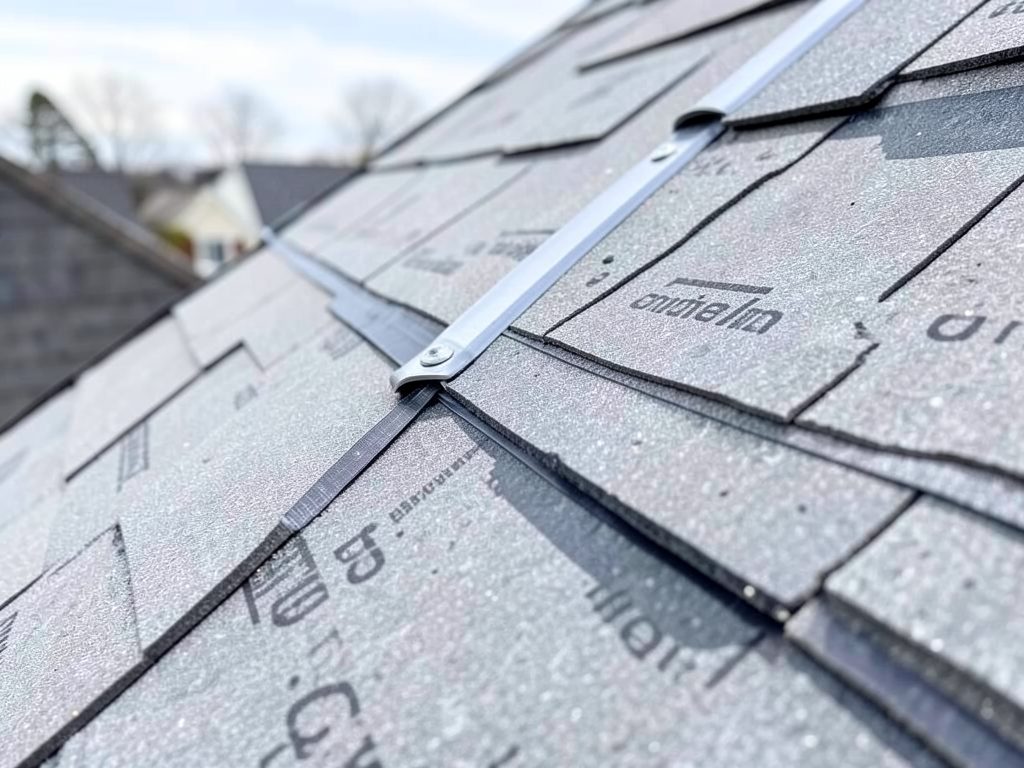
Close-up of synthetic slate installation on a steep slope roof, demonstrating proper underlayment application and flashing techniques specific to high-pitch roofing systems in Philadelphia’s climate.
Diagram showing proper ventilation system design for steep slope roofs, including soffit and ridge vent placement to ensure adequate airflow in complex roof geometries common in East Falls homes.
Steep slope roofing in East Falls requires specialized knowledge, proper safety equipment, and understanding of Philadelphia’s unique building requirements. The investment in quality materials and experienced contractors pays dividends through improved home protection and preserved historic character.
Don’t risk your steep slope roofing project to inexperienced contractors. Call (267) 344-1222 today to schedule your inspection and get a detailed proposal for your East Falls home. Our team understands the specific challenges of steep slope roofing in Philadelphia’s historic neighborhoods and can ensure your project meets all local requirements while providing lasting protection for your home.
Pick up the phone and call (267) 344-1222 before the next storm hits. East Falls’ steep hills demand roofing expertise that only comes from years of local experience. Let us show you why homeowners throughout Philadelphia trust us with their most challenging steep slope roofing projects.
{
“@context”: “https://schema.org”,
“@type”: “BlogPosting”,
“headline”: “Dealing with Steep Slope Roofing Challenges on the Hills of East Falls”,
“description”: “East Falls’ steep hills create unique roofing challenges. Learn how Philadelphia’s historic neighborhoods demand specialized steep slope roofing expertise with safety compliance and local material knowledge.”,
“wordCount”: 2315,
“datePublished”: “2026-03-31T12:06:00.000Z”,
“dateModified”: “2026-03-31T12:06:00.000Z”,
“inLanguage”: “en-US”,
“mainEntityOfPage”: {
“@type”: “WebPage”,
“@id”: “https://atlasroofingphiladelphia.com”
},
“publisher”: {
“@type”: “LocalBusiness”,
“name”: “Atlas Roofing Philadelphia”,
“url”: “https://atlasroofingphiladelphia.com”
},
“author”: {
“@type”: “Organization”,
“name”: “Atlas Roofing Philadelphia”,
“url”: “https://atlasroofingphiladelphia.com”
},
“image”: {
“@type”: “ImageObject”,
“url”: “https://atlasroofingphiladelphia.com/wp-content/uploads/2026/03/dealing-with-steep-slope-roofing-challenges-on-the-1.png”
}
}
{
“@context”: “https://schema.org”,
“@type”: “RoofingContractor”,
“name”: “Atlas Roofing Philadelphia”,
“url”: “https://atlasroofingphiladelphia.com”,
“address”: {
“@type”: “PostalAddress”,
“addressLocality”: “Philadelphia”
},
“areaServed”: {
“@type”: “City”,
“name”: “Philadelphia”
}
}
{
“@context”: “https://schema.org”,
“@type”: “FAQPage”,
“mainEntity”: [
{
“@type”: “Question”,
“name”: “What defines a steep slope roof in Philadelphia?”,
“acceptedAnswer”: {
“@type”: “Answer”,
“text”: “A steep slope roof in Philadelphia is generally defined as any roof with a pitch greater than 4:12, meaning it rises more than four inches for every twelve inches of horizontal run. Most East Falls homes feature pitches between 6:12 and 12:12.”
}
},
{
“@type”: “Question”,
“name”: “How much more expensive is steep slope roofing compared to standard roofing?”,
“acceptedAnswer”: {
“@type”: “Answer”,
“text”: “Steep slope roofing typically costs 20-40% more than standard roofing due to increased labor requirements, specialized equipment needs, and longer installation times. East Falls’ historic district requirements can add additional costs for permits and material approvals.”
}
},
{
“@type”: “Question”,
“name”: “Can I install solar panels on a steep slope roof in East Falls?”,
“acceptedAnswer”: {
“@type”: “Answer”,
“text”: “Yes, solar panels can be installed on steep slope roofs in East Falls, but historic district approval is required. Modern mounting systems can preserve the roof’s historic appearance while providing solar energy benefits, though the approval process may take several weeks.”
}
},
{
“@type”: “Question”,
“name”: “How long does a steep slope roof replacement take in Philadelphia?”,
“acceptedAnswer”: {
“@type”: “Answer”,
“text”: “A steep slope roof replacement in Philadelphia typically takes 3-7 days depending on roof size, complexity, and weather conditions. Historic district requirements and permit approvals can extend the overall project timeline by several weeks before work begins.”
}
},
{
“@type”: “Question”,
“name”: “What maintenance does a steep slope roof require?”,
“acceptedAnswer”: {
“@type”: “Answer”,
“text”: “Steep slope roofs require annual inspections, debris removal from valleys and roof penetrations, and treatment for algae or moss growth in humid conditions. Professional inspections every 2-3 years help identify potential issues before they become major problems.”
}
}
]
}
{
“@context”: “https://schema.org”,
“@type”: “BreadcrumbList”,
“itemListElement”: [
{
“@type”: “ListItem”,
“position”: 1,
“name”: “Home”,
“item”: “https://atlasroofingphiladelphia.com”
},
{
“@type”: “ListItem”,
“position”: 2,
“name”: “Blog”,
“item”: “https://atlasroofingphiladelphia.com/blog”
},
{
“@type”: “ListItem”,
“position”: 3,
“name”: “Dealing with Steep Slope Roofing Challenges on the Hills of East Falls”
}
]
}
{
“@context”: “https://schema.org”,
“@type”: “Service”,
“serviceType”: “Roofing”,
“provider”: {
“@type”: “LocalBusiness”,
“name”: “Atlas Roofing Philadelphia”,
“url”: “https://atlasroofingphiladelphia.com”
},
“areaServed”: {
“@type”: “City”,
“name”: “Philadelphia”
},
“description”: “East Falls’ steep hills create unique roofing challenges. Learn how Philadelphia’s historic neighborhoods demand specialized steep slope roofing expertise with safety compliance and local material knowledge.”
}