
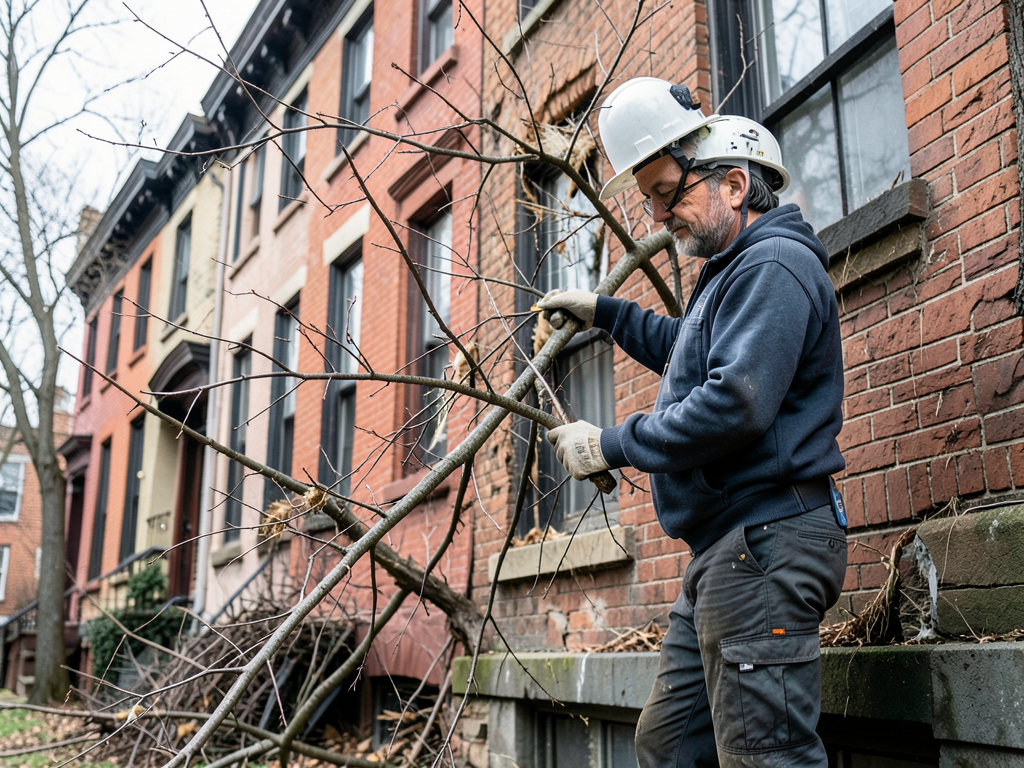
Protecting Your Spruce Hill Roof from Overhanging Trees and Falling Branches
Your roof sits under the canopy of Philadelphia’s oldest trees. Those towering oaks and maples that make Spruce Hill so beautiful also pose a real threat to your home’s structural integrity. Heavy limbs can snap during winter storms or summer thunderstorms, crashing through shingles and decking. Even without a major storm, overhanging branches scrape granules from asphalt shingles, creating weak spots that invite leaks. Philadelphia Street Tree Management.
The good news is that most tree-related roof damage is preventable. Understanding the local risks in Spruce Hill helps you take action before problems start. This guide covers what to watch for, how to respond when damage occurs, and when to call a professional for emergency repairs. The Best Local Roofing Companies for Luxury Homes on the Main Line.
Why Spruce Hill Homes Face Higher Tree Risks
Spruce Hill sits in a mature urban forest where century-old trees tower over historic homes. The neighborhood’s London Plane trees, red oaks, and silver maples create a dense canopy that shades streets and homes. These same trees drop branches weighing hundreds of pounds during high winds or when weakened by disease.. Read more about Maintaining the Historic Look of Your Germantown Home with the Right Roof.
Philadelphia’s climate creates additional stress. Winter ice storms coat branches with hundreds of pounds of frozen water. Summer thunderstorms bring sudden wind gusts that snap brittle limbs. The freeze-thaw cycles common in Pennsylvania cause wood to expand and contract, creating internal cracks that weaken branches over time. Winter Roof Maintenance Tips.
Local building patterns add another layer of risk. Many Spruce Hill homes sit on narrow lots where trees grow close to rooflines. Shared property lines mean a neighbor’s tree might overhang your roof by several feet. The Philadelphia Department of Licenses and Inspections requires permits for tree removal, making it harder to address problematic trees quickly.. Read more about A Quick Spring Roofing Checklist for Homeowners in Holmesburg.
Common Types of Tree-Related Roof Damage
Understanding what damage looks like helps you spot problems early. Here are the most frequent issues we see in Philadelphia homes:
Impact Damage from Fallen Limbs – Large branches crash through shingles, puncture decking, and damage flashing. You’ll notice broken or missing shingles, exposed wood, and sometimes water dripping inside your home.
Shingle Abrasion – Overhanging branches rub against shingles during wind, wearing away protective granules. This creates bald spots that accelerate aging and make shingles brittle.
Gutter Clogs – Leaves, twigs, and pine needles collect in gutters, causing water to back up under shingles. During winter, this creates ice dams that force water under roofing materials.
Moisture Damage – Excessive shade from tree canopies keeps roofs damp, promoting moss and algae growth. This organic growth traps moisture against shingles, causing them to deteriorate faster.
Structural Stress – Large trees near foundations can shift soil, causing subtle movement that affects roof alignment and creates stress points in the structure.
Emergency Steps After Tree Damage
When a branch hits your roof, quick action prevents further damage. Here’s what to do immediately:
- Ensure Safety First
Stay inside if the tree is still on the roof. Avoid walking on damaged areas where decking might be compromised. Keep children and pets away from affected areas.
- Document the Damage
Take photos from the ground showing the fallen tree, damaged roof, and any interior water damage. These images help with insurance claims.
- Prevent Water Intrusion
If safe to do so, cover damaged areas with a tarp. Use 2×4 boards to secure the tarp without creating additional holes in the roof.. Read more about Why Rotting Fascia Boards Are a Warning Sign for Your Overbrook Home.
- Call for Emergency Service
Professional roofers have the equipment and experience to safely remove trees and make temporary repairs. Don’t wait for the next storm.
- Notify Your Insurance Company
Most policies cover sudden damage from falling trees. Document everything and keep receipts for emergency repairs.
The 10-Foot Rule for Tree Clearance
Preventing damage starts with proper tree maintenance. The International Society of Arboriculture recommends keeping branches at least 10 feet from your roofline. This distance allows for: International Society of Arboriculture.
- Air circulation to prevent moisture buildup
- Room for branches to move in wind without hitting the roof
- Access for roof maintenance and gutter cleaning
- Reduced debris accumulation in gutters and on shingles
Professional tree trimming follows specific techniques. Arborists make cuts just outside the branch collar to promote healing. They remove dead or diseased limbs first, then shape the canopy to maintain the tree’s health while protecting your home.
Philadelphia’s Most Problematic Tree Species
Not all trees pose equal risks to roofs. In Spruce Hill and surrounding Philadelphia neighborhoods, these species create the most problems:
| Tree Species | Risk Level | Common Issues |
|---|---|---|
| Silver Maple | High | Weak wood, frequent limb drop, aggressive roots |
| London Plane | Medium-High | Massive size, surface roots, disease susceptibility |
| Red Oak | Medium | Heavy limbs, acorn debris, occasional sudden limb failure |
| Pine Trees | Medium | Needle accumulation, sap damage, branch brittleness |
| Elm | Low-Medium | Dutch elm disease creates weak wood, but less common now |
Hidden Dangers: Mold, Algae, and Moisture
The shade that makes Spruce Hill beautiful also creates perfect conditions for roof-damaging organisms. When tree canopies block sunlight, moisture lingers on shingles long after rain stops.
Black algae stains appear as dark streaks on north-facing roof slopes. While mostly cosmetic, heavy algae growth indicates persistent moisture problems. Moss grows in thick patches where shade and moisture combine, lifting shingles and creating entry points for water.
Professional roof cleaning uses soft washing techniques that kill organisms without damaging shingles. High-pressure washing strips granules and can void warranties. The process typically involves:
- Applying biodegradable cleaning solutions
- Letting chemicals dwell for 15-20 minutes
- Rinsing with low-pressure water
- Applying preventive treatments to inhibit regrowth
- Early Spring (March-April)
Inspect for winter damage. Check for lifted shingles, damaged flashing, and gutter clogs from winter debris. Trim any branches damaged by ice storms.
- Late Spring (May-June)
Clean gutters and downspouts. Check for moss or algae growth. Schedule professional tree trimming before summer growth peaks.
- Early Fall (September-October)
Remove leaves before they accumulate. Check for loose branches that could fall in winter storms. Clean gutters again after leaves drop.
- Late Fall (November)
Final inspection before winter. Ensure all branches are at least 10 feet from the roof. Check attic ventilation to prevent ice dams.
- Visible sagging or uneven roof sections
- Water stains on interior ceilings or walls
- Missing or damaged shingles after storms
- Persistent gutter clogs despite cleaning
- Unusual sounds from the roof during wind
- Flashing around chimneys, vents, and skylights
- Shingle granule condition and wear patterns
- Gutter attachment and drainage efficiency
- Attic ventilation and insulation
- Structural integrity of rafters and decking
- Roof replacements over 100 square feet
- Structural repairs to roof decking
- Changes to roof pitch or structure
- Installation of new roofing materials
- Minimum 3:12 roof pitch for asphalt shingles
- Ice and water shield in valleys and along eaves
- Proper flashing installation per manufacturer specifications
- Adequate attic ventilation to prevent moisture buildup
Navigating Insurance Claims for Tree Damage
Pennsylvania insurance law treats tree damage claims differently than many states. Here’s what Spruce Hill homeowners need to know: Why More Homeowners in Manayunk Are Switching to Metal Roofing.
Coverage Basics – Most policies cover sudden, accidental damage from falling trees. This includes damage from storms, high winds, and lightning strikes. Coverage typically extends to both roof repair and debris removal.
Maintenance Exclusions – Insurance won’t cover damage from neglected trees. If a dead tree falls on your house, the claim might be denied as a maintenance issue. Regular tree inspections and trimming demonstrate responsible homeownership.
Neighbor Tree Liability – Pennsylvania follows the “Massachusetts rule” – you can trim branches overhanging your property line, but you can’t force a neighbor to remove a healthy tree. If a neighbor’s tree damages your home, your insurance handles the claim, not theirs.
Documentation Requirements – Insurance adjusters need clear evidence of damage extent and cause. Keep photos of the tree before removal, the damage itself, and any temporary repairs. Get written estimates from licensed contractors.
Preventative Maintenance Schedule
Regular maintenance prevents most tree-related roof problems. Follow this seasonal schedule for Spruce Hill homes:
Professional Assessment: When to Call an Expert
Some roof issues require professional evaluation. Here are signs you need expert help:
Professional roofers use diagnostic tools to assess hidden damage. Moisture meters detect water in decking that isn’t visible from the surface. Thermal imaging reveals temperature differences that indicate air leaks or moisture problems.
During inspections, technicians check:
Cost Factors for Tree-Related Repairs
Repair costs vary based on damage extent and roof type. Here’s what influences pricing in Philadelphia:
| Repair Type | Average Cost Range | Time to Complete |
|---|---|---|
| Emergency Tarping | $300 – $800 | 2-4 hours |
| Shingle Replacement | $500 – $2,500 | 1-2 days |
| Decking Repair | $1,500 – $4,000 | 2-3 days |
| Complete Roof Replacement | $8,000 – $25,000 | 3-7 days |
| Tree Removal from Roof | $800 – $3,000 | 4-8 hours |
Building Code Requirements in Philadelphia
Philadelphia building codes affect how tree-related repairs must be performed. The Philadelphia Department of Licenses and Inspections requires permits for:
Work must comply with the Philadelphia Building Code, which references the International Building Code. Key requirements include:
Permits typically cost $50-$200 and require inspection before final payment. Unpermitted work can result in fines and complications when selling your home.
Long-Term Protection Strategies
Beyond immediate repairs, consider these strategies for long-term roof protection:
Strategic Tree Planting – If you’re adding trees, plant them far enough from the house to prevent future problems. Large trees should be at least 20 feet from the foundation.
Root Barriers – For trees near foundations, install root barriers to prevent soil movement that can affect roof alignment.
Regular Professional Inspections – Annual inspections catch problems before they cause major damage. Look for companies that offer maintenance agreements.
Quality Materials – When repairs are needed, invest in high-quality materials with good warranties. Impact-resistant shingles cost more but withstand branch hits better.
Proper Ventilation – Good attic ventilation prevents ice dams and reduces moisture that promotes moss growth.
Local Resources and Support
Philadelphia offers resources for homeowners dealing with tree-related roof issues:
The Philadelphia Parks and Recreation Street Tree Management office handles public trees. They can assess whether a street tree poses a risk to your home and coordinate removal if necessary.
The Pennsylvania Horticultural Society offers tree care workshops and can recommend certified arborists who understand local tree species and risks.
Local building supply companies stock materials suited to Philadelphia’s climate. They can advise on products that perform well in our freeze-thaw cycles and high humidity.
Frequently Asked Questions
Can I trim branches overhanging my property from a neighbor’s tree?
Yes, Pennsylvania law allows you to trim branches up to your property line. However, you must do so carefully to avoid harming the tree. If the tree is healthy and the damage results from natural causes, your insurance typically covers repairs regardless of tree ownership.
How quickly should I respond to tree damage on my roof?
Immediately. Even small punctures can let water in, and the next rain could cause significant interior damage. Emergency tarping services can prevent further damage while you arrange permanent repairs.
Will my homeowner’s insurance cover preventive tree trimming?
Generally no. Insurance considers tree maintenance the homeowner’s responsibility. However, if a tree poses an imminent danger and the owner refuses to address it, some insurers might help with emergency removal costs.
How can I tell if a tree is dangerous before it falls?
Look for dead branches, fungal growth on the trunk, cracks in the wood, or a pronounced lean. A certified arborist can assess tree health and identify hazards that aren’t visible to untrained eyes.
What’s the best time of year for tree trimming near my roof?
Late winter or early spring is ideal. Trees are dormant, making it easier to see the structure. Cuts heal faster in spring, and you avoid the heavy growth periods that stress trees.
Your Spruce Hill home deserves protection from the very trees that make the neighborhood special. By understanding the risks, taking preventive action, and responding quickly when damage occurs, you can enjoy both the beauty of mature trees and the security of a sound roof.
Don’t wait for the next storm to discover problems. Schedule a professional roof inspection today to assess your current risk level and develop a protection plan that works for your specific situation.
Call (267) 344-1222 today to schedule your inspection. Our experienced team understands the unique challenges of Philadelphia’s tree-lined neighborhoods and can help you protect your investment for years to come.
You may also find this helpful. The Pros and Cons of Synthetic Slate for Historic Homes in Chestnut Hill.
You may also find this helpful. Keeping Squirrels and Raccoons from Tearing Holes in Your Roxborough Roof.
{
“@context”: “https://schema.org”,
“@type”: “BlogPosting”,
“headline”: “Protecting Your Spruce Hill Roof from Overhanging Trees and Falling Branches”,
“description”: “Learn how to protect your Spruce Hill home from tree damage. Discover local risks, emergency steps, and prevention tips for Philadelphia’s tree-lined neighborhoods.”,
“wordCount”: 2062,
“datePublished”: “2026-03-12T09:55:00.000Z”,
“dateModified”: “2026-03-12T09:55:00.000Z”,
“inLanguage”: “en-US”,
“mainEntityOfPage”: {
“@type”: “WebPage”,
“@id”: “https://atlasroofingphiladelphia.com”
},
“publisher”: {
“@type”: “LocalBusiness”,
“name”: “Atlas Roofing Philadelphia”,
“url”: “https://atlasroofingphiladelphia.com”
},
“author”: {
“@type”: “Organization”,
“name”: “Atlas Roofing Philadelphia”,
“url”: “https://atlasroofingphiladelphia.com”
},
“image”: {
“@type”: “ImageObject”,
“url”: “https://atlasroofingphiladelphia.com/wp-content/uploads/2026/03/protecting-your-spruce-hill-roof-from-overhanging-1.png”
}
}
{
“@context”: “https://schema.org”,
“@type”: “RoofingContractor”,
“name”: “Atlas Roofing Philadelphia”,
“url”: “https://atlasroofingphiladelphia.com”,
“address”: {
“@type”: “PostalAddress”,
“addressLocality”: “Philadelphia”
},
“areaServed”: {
“@type”: “City”,
“name”: “Philadelphia”
}
}
{
“@context”: “https://schema.org”,
“@type”: “FAQPage”,
“mainEntity”: [
{
“@type”: “Question”,
“name”: “Can I trim branches overhanging my property from a neighbor’s tree?”,
“acceptedAnswer”: {
“@type”: “Answer”,
“text”: “Yes, Pennsylvania law allows you to trim branches up to your property line. However, you must do so carefully to avoid harming the tree. If the tree is healthy and the damage results from natural causes, your insurance typically covers repairs regardless of tree ownership.”
}
},
{
“@type”: “Question”,
“name”: “How quickly should I respond to tree damage on my roof?”,
“acceptedAnswer”: {
“@type”: “Answer”,
“text”: “Immediately. Even small punctures can let water in, and the next rain could cause significant interior damage. Emergency tarping services can prevent further damage while you arrange permanent repairs.”
}
},
{
“@type”: “Question”,
“name”: “Will my homeowner’s insurance cover preventive tree trimming?”,
“acceptedAnswer”: {
“@type”: “Answer”,
“text”: “Generally no. Insurance considers tree maintenance the homeowner’s responsibility. However, if a tree poses an imminent danger and the owner refuses to address it, some insurers might help with emergency removal costs.”
}
},
{
“@type”: “Question”,
“name”: “How can I tell if a tree is dangerous before it falls?”,
“acceptedAnswer”: {
“@type”: “Answer”,
“text”: “Look for dead branches, fungal growth on the trunk, cracks in the wood, or a pronounced lean. A certified arborist can assess tree health and identify hazards that aren’t visible to untrained eyes.”
}
},
{
“@type”: “Question”,
“name”: “What’s the best time of year for tree trimming near my roof?”,
“acceptedAnswer”: {
“@type”: “Answer”,
“text”: “Late winter or early spring is ideal. Trees are dormant, making it easier to see the structure. Cuts heal faster in spring, and you avoid the heavy growth periods that stress trees.”
}
}
]
}
{
“@context”: “https://schema.org”,
“@type”: “HowTo”,
“name”: “Emergency Tree Damage Response”,
“step”: [
{
“@type”: “HowToStep”,
“position”: 1,
“name”: “Ensure Safety First”,
“text”: “Stay inside if the tree is still on the roof. Avoid walking on damaged areas where decking might be compromised. Keep children and pets away from affected areas.”
},
{
“@type”: “HowToStep”,
“position”: 2,
“name”: “Document the Damage”,
“text”: “Take photos from the ground showing the fallen tree, damaged roof, and any interior water damage. These images help with insurance claims.”
},
{
“@type”: “HowToStep”,
“position”: 3,
“name”: “Prevent Water Intrusion”,
“text”: “If safe to do so, cover damaged areas with a tarp. Use 2×4 boards to secure the tarp without creating additional holes in the roof.”
},
{
“@type”: “HowToStep”,
“position”: 4,
“name”: “Call for Emergency Service”,
“text”: “Professional roofers have the equipment and experience to safely remove trees and make temporary repairs. Don’t wait for the next storm.”
},
{
“@type”: “HowToStep”,
“position”: 5,
“name”: “Notify Your Insurance Company”,
“text”: “Most policies cover sudden damage from falling trees. Document everything and keep receipts for emergency repairs.”
}
],
“image”: “https://atlasroofingphiladelphia.com/wp-content/uploads/2026/03/protecting-your-spruce-hill-roof-from-overhanging-1.png”
}
{
“@context”: “https://schema.org”,
“@type”: “BreadcrumbList”,
“itemListElement”: [
{
“@type”: “ListItem”,
“position”: 1,
“name”: “Home”,
“item”: “https://atlasroofingphiladelphia.com”
},
{
“@type”: “ListItem”,
“position”: 2,
“name”: “Blog”,
“item”: “https://atlasroofingphiladelphia.com/blog”
},
{
“@type”: “ListItem”,
“position”: 3,
“name”: “Protecting Your Spruce Hill Roof from Overhanging Trees and Falling Branches”
}
]
}
{
“@context”: “https://schema.org”,
“@type”: “Service”,
“serviceType”: “Roofing”,
“provider”: {
“@type”: “LocalBusiness”,
“name”: “Atlas Roofing Philadelphia”,
“url”: “https://atlasroofingphiladelphia.com”
},
“areaServed”: {
“@type”: “City”,
“name”: “Philadelphia”
},
“description”: “Learn how to protect your Spruce Hill home from tree damage. Discover local risks, emergency steps, and prevention tips for Philadelphia’s tree-lined neighborhoods.”
}