
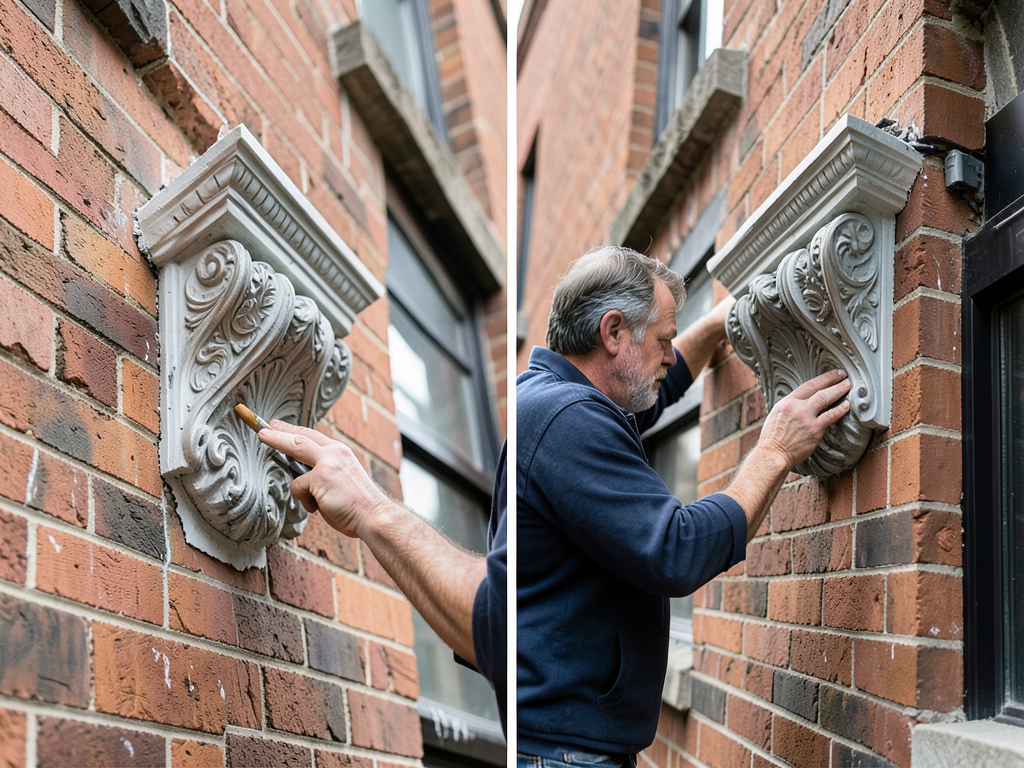
Restoring the Decorative Cornice on Your Northern Liberties Rowhome
The ornate cornice crowning your Northern Liberties rowhome does more than add architectural character—it protects your brick facade from water damage and helps maintain the structural integrity of your historic property. When decorative cornices show signs of deterioration, immediate restoration prevents costly repairs to both the exterior and interior of your home. EPA Lead Paint Guidelines.
Philadelphia’s humid summers and freeze-thaw winters create perfect conditions for cornice damage. Wood rot from trapped moisture, rusted metal flashing, and cracked fiberglass all threaten the longevity of these architectural details. Our restoration process addresses these issues with historically appropriate materials and techniques that preserve your home’s character while ensuring lasting protection. Philadelphia Historical Commission.
Before starting any restoration work, we evaluate whether your property falls under Philadelphia Historical Commission guidelines. Homes in designated historic districts require specific permits and approval for exterior modifications. Our team navigates these requirements daily, ensuring your restoration meets both preservation standards and modern building codes.
Common Cornice Styles Found in Northern Liberties
Northern Liberties features several distinct cornice styles that reflect its development from the early 1800s through the early 1900s. Federal-style homes built before 1840 often display simple, elegant cornices with clean lines and minimal ornamentation. These typically feature wooden box frames with modest crown molding. Is Your Old Northern Liberties Roof Still Safe? (How to Tell if You Need a Pro).
Victorian-era rowhomes from the 1870s through 1900 showcase more elaborate designs. Look for scrollwork, brackets, and dentil molding in pressed metal or wood. Many of these homes feature pressed tin cornices that mimic the appearance of carved stone at a fraction of the weight and cost.
Italianate and Second Empire styles common in the neighborhood include heavy bracketed cornices with wide overhangs. These designs require careful restoration to maintain their dramatic visual impact while addressing structural concerns like sagging or water infiltration.
Understanding your cornice style helps determine the appropriate restoration approach. A Federal-style cornice might need simple wood repair, while a Victorian pressed metal cornice could require custom fabrication of missing pieces.
Signs Your Cornice Needs Professional Restoration
Early detection of cornice problems prevents extensive damage to your rowhome’s structure. Here are the warning signs that indicate professional restoration is needed:
- Peeling paint or bubbling on cornice surfaces, especially at joints and corners
- Visible wood rot that you can probe with a screwdriver
- Water stains on interior walls directly below the cornice
- Missing or damaged brackets, corbels, or decorative elements
- Separation between cornice sections or from the building facade
- Rusted metal flashing or exposed fasteners
- Cracks in fiberglass cornices that allow water penetration
During our inspection, we use moisture meters to detect hidden water damage within cornice materials. Wood that reads above 15% moisture content indicates active rot that requires immediate attention.
Sound is another diagnostic tool. Tap suspected wood sections with a rubber mallet. Healthy wood produces a solid, resonant sound. Rotted wood sounds hollow or gives way under pressure.
Visual inspection from ground level often misses critical damage. We use scaffolding or boom lifts to examine cornices up close, checking for hairline cracks in paint that signal underlying material failure.
Our Restoration Process: Wood, Metal, and Fiberglass
Our restoration process begins with a thorough assessment and ends with a historically appropriate finish that protects your investment for decades. Here’s how we restore each material type:
- Initial Assessment and Documentation
We photograph existing conditions, measure dimensions, and identify architectural details. This documentation helps match replacement materials and satisfies Historical Commission requirements. How Much Does a Full Roof Replacement Actually Cost in Philadelphia Right Now.
- Material Testing and Analysis
We test paint layers to identify lead content, examine wood species, and assess metal corrosion patterns. This information guides our restoration approach.
- Removal of Damaged Materials
We carefully remove rotted wood, rusted metal, or cracked fiberglass without damaging surrounding materials. We preserve salvageable decorative elements whenever possible.
- Structural Repairs
We reinforce framing members, replace water-damaged sheathing, and ensure proper drainage paths. This prevents future water infiltration.
- Material Restoration or Replacement
Wood: We use rot-resistant species like Spanish cedar or apply wood epoxy consolidants. Metal: We fabricate custom pieces using galvanized steel or copper. Fiberglass: We repair cracks and reinforce weak areas.
- Finishing and Painting
We apply appropriate primers, use historically accurate colors, and finish with high-quality exterior paints that provide lasting protection.
Wood restoration requires specific techniques based on damage extent. For minor rot, we use two-part wood epoxy that penetrates and hardens damaged areas. Severely rotted sections need complete replacement with matching wood species.
Metal cornice restoration involves custom fabrication. We create templates from existing pieces, then cut and shape new metal components. Galvanized steel offers durability at lower cost than copper, though copper develops a desirable patina over time.
Fiberglass cornices present unique challenges. While durable, they become brittle with age. We repair cracks using fiberglass patching compounds and reinforce stress points to prevent future breakage.
Navigating Philadelphia Historical Commission Requirements
Properties in Philadelphia’s historic districts must comply with Historical Commission guidelines before any exterior work begins. Northern Liberties contains several designated historic areas where these rules apply.
The Commission requires detailed drawings showing existing conditions and proposed restoration work. We prepare these drawings, including material specifications and color samples for painted finishes.
Permit timelines typically range from 2-4 weeks for standard restoration projects. Complex designs or historically significant properties may require additional review time.
Key Commission considerations include:
- Maintaining original architectural character and proportions
- Using historically appropriate materials and colors
- Preserving original craftsmanship details
- Ensuring repairs don’t damage adjacent historic fabric
We handle all permit applications and Commission submissions, streamlining the approval process for our clients. Our experience with hundreds of similar projects means we know exactly what documentation satisfies reviewers.
Non-compliance penalties can include fines up to $2,000 per violation and mandatory removal of non-approved work. Working with a contractor familiar with Historical Commission procedures prevents these costly mistakes.
Cost Factors for Cornice Restoration
Cornice restoration costs vary based on several factors. Here’s what influences your project budget:
| Factor | Impact on Cost | Typical Range |
|---|---|---|
| Material Type | Wood restoration costs less than custom metal fabrication | $15-45 per linear foot |
| Damage Extent | Minor repairs cost less than complete replacement | $500-5,000 total |
| Historical Commission Requirements | Additional documentation and approval processes add time | $200-1,000 in fees |
| Access Requirements | Scaffolding permits and equipment rentals add costs | $300-2,000 |
| Finish Quality | Premium paints and multiple coats increase costs | $2-8 per square foot |
Most Northern Liberties cornice restoration projects fall between $3,000 and $15,000 total, depending on scope and complexity.
Factors that increase costs include:
- Custom metal fabrication for missing pieces
- Lead paint abatement requirements
- Emergency repairs needed before seasonal weather changes
- Complex scaffolding requirements for difficult access
We provide detailed written estimates that break down all cost components, helping you understand where your investment goes.
Preventative Maintenance for Long-Lasting Results
Regular maintenance extends the life of your restored cornice and prevents costly repairs. Here’s our recommended maintenance schedule: Winter Roof Maintenance Tips.
- Annual Inspection – Check for peeling paint, rust spots, or wood deterioration
- Bi-Annual Cleaning – Remove dirt, debris, and organic growth that traps moisture
- 5-Year Professional Assessment – Comprehensive evaluation of all cornice components
Simple maintenance tasks you can perform include:
- Clean gutters and downspouts to prevent overflow onto cornices
- Trim tree branches that touch or rub against cornice surfaces
- Touch up paint on small areas of damage before they spread
- Check flashing around roof edges where it meets the cornice
Moisture is the primary enemy of cornice longevity. Proper drainage design during restoration helps prevent future water damage. We install hidden weep holes and ensure positive drainage away from building surfaces.
Temperature fluctuations cause materials to expand and contract. Quality primers and flexible caulks accommodate this movement, preventing cracks that allow water infiltration.
Why Professional Restoration Matters
DIY cornice repair often creates more problems than it solves. Common mistakes include:
- Using incompatible materials that trap moisture
- Improper surface preparation leading to premature paint failure
- Missing underlying structural damage that continues to worsen
- Violating Historical Commission guidelines unknowingly
Professional restoration offers several advantages:
- Proper diagnosis of underlying problems
- Access to specialized tools and materials
- Knowledge of historical construction methods
- Compliance with local regulations
- Warranty protection on workmanship
Our team includes craftsmen with decades of experience in historic restoration. We understand the nuances of working with century-old materials and can match existing details precisely.
Insurance considerations also matter. Many homeowner policies require professional repairs for structural elements like cornices. DIY repairs might void coverage for future water damage claims.
Service Areas in Philadelphia
While this article focuses on Northern Liberties, we provide cornice restoration services throughout Philadelphia’s historic neighborhoods:
- Northern Liberties (19123, 19125)
- Fishtown (19125)
- Kensington (19125, 19134)
- Old City (19106)
- Society Hill (19106, 19147)
- Queen Village (19147)
Each neighborhood presents unique challenges based on architectural styles and historical development patterns. Our experience across these areas means we can handle any cornice restoration project.
We understand the specific requirements for properties near landmarks like Liberty Lands Park and the Delaware River waterfront, where historical preservation takes priority.
Frequently Asked Questions
How long does cornice restoration typically take?
Most projects complete within 1-2 weeks, depending on weather conditions and Historical Commission approval timelines. Complex custom fabrication might extend this to 3-4 weeks.
Can I restore just part of my cornice or must I do the entire thing?
We often restore sections incrementally, but matching existing materials and finishes can be challenging. Full restoration ensures consistent appearance and often costs less per linear foot.
Will cornice restoration increase my home’s value?
Yes. Restored cornices enhance curb appeal and preserve historic character, both significant value factors in Philadelphia’s competitive real estate market.
Do I need permits for cornice restoration?
Properties in historic districts require Historical Commission approval. We handle all permit applications as part of our service.
What’s the difference between repair and restoration?
Repair addresses immediate damage, while restoration returns the cornice to its original appearance using historically appropriate materials and techniques.
Ready to Restore Your Northern Liberties Cornice?
Don’t wait until minor cornice damage becomes a major structural problem. Our team of experienced craftsmen specializes in restoring Philadelphia’s historic architectural details with the care and expertise they deserve.
We offer free assessments to evaluate your cornice’s condition and provide detailed recommendations for restoration. Our estimates include all permit requirements, material specifications, and projected timelines.
Call (267) 344-1222 today to schedule your free cornice assessment. Our team will examine your property, discuss restoration options, and provide a clear path forward for preserving your home’s historic character.
Pick up the phone and call (267) 344-1222 before the next storm hits. Your Northern Liberties rowhome deserves expert care from craftsmen who understand Philadelphia’s unique architectural heritage.
Don’t risk DIY repairs that could damage your historic property. Trust the professionals who restore cornices throughout Philadelphia’s most treasured neighborhoods.
You may also find this helpful. The Truth About Repairing Historic Clay Tile Roofs in Society Hill.
{
“@context”: “https://schema.org”,
“@type”: “BlogPosting”,
“headline”: “Restoring the Decorative Cornice on Your Northern Liberties Rowhouse”,
“description”: “Expert cornice restoration for historic Northern Liberties rowhomes. Learn wood rot repair, metal fabrication, and Philadelphia Historical Commission compliance for your Victorian or Federal-style home.”,
“wordCount”: 1810,
“datePublished”: “2026-03-21T16:10:00.000Z”,
“dateModified”: “2026-03-21T16:10:00.000Z”,
“inLanguage”: “en-US”,
“mainEntityOfPage”: {
“@type”: “WebPage”,
“@id”: “https://atlasroofingphiladelphia.com”
},
“publisher”: {
“@type”: “LocalBusiness”,
“name”: “Atlas Roofing Philadelphia”,
“url”: “https://atlasroofingphiladelphia.com”
},
“author”: {
“@type”: “Organization”,
“name”: “Atlas Roofing Philadelphia”,
“url”: “https://atlasroofingphiladelphia.com”
},
“image”: {
“@type”: “ImageObject”,
“url”: “https://atlasroofingphiladelphia.com/wp-content/uploads/2026/03/restoring-the-decorative-cornice-on-your-northern-1.png”
}
}
{
“@context”: “https://schema.org”,
“@type”: “RoofingContractor”,
“name”: “Atlas Roofing Philadelphia”,
“url”: “https://atlasroofingphiladelphia.com”,
“address”: {
“@type”: “PostalAddress”,
“addressLocality”: “Philadelphia”
},
“areaServed”: {
“@type”: “City”,
“name”: “Philadelphia”
}
}
{
“@context”: “https://schema.org”,
“@type”: “FAQPage”,
“mainEntity”: [
{
“@type”: “Question”,
“name”: “How long does cornice restoration typically take?”,
“acceptedAnswer”: {
“@type”: “Answer”,
“text”: “Most projects complete within 1-2 weeks, depending on weather conditions and Historical Commission approval timelines. Complex custom fabrication might extend this to 3-4 weeks.”
}
},
{
“@type”: “Question”,
“name”: “Can I restore just part of my cornice or must I do the entire thing?”,
“acceptedAnswer”: {
“@type”: “Answer”,
“text”: “We often restore sections incrementally, but matching existing materials and finishes can be challenging. Full restoration ensures consistent appearance and often costs less per linear foot.”
}
},
{
“@type”: “Question”,
“name”: “Will cornice restoration increase my home’s value?”,
“acceptedAnswer”: {
“@type”: “Answer”,
“text”: “Yes. Restored cornices enhance curb appeal and preserve historic character, both significant value factors in Philadelphia’s competitive real estate market.”
}
},
{
“@type”: “Question”,
“name”: “Do I need permits for cornice restoration?”,
“acceptedAnswer”: {
“@type”: “Answer”,
“text”: “Properties in historic districts require Historical Commission approval. We handle all permit applications as part of our service.”
}
},
{
“@type”: “Question”,
“name”: “What’s the difference between repair and restoration?”,
“acceptedAnswer”: {
“@type”: “Answer”,
“text”: “Repair addresses immediate damage, while restoration returns the cornice to its original appearance using historically appropriate materials and techniques.”
}
},
{
“@type”: “Question”,
“name”: “Ready to Restore Your Northern Liberties Cornice?”,
“acceptedAnswer”: {
“@type”: “Answer”,
“text”: “Don’t wait until minor cornice damage becomes a major structural problem. Our team of experienced craftsmen specializes in restoring Philadelphia’s historic architectural details with the care and expertise they deserve.”
}
}
]
}
{
“@context”: “https://schema.org”,
“@type”: “HowTo”,
“name”: “Cornice Restoration Process”,
“step”: [
{
“@type”: “HowToStep”,
“position”: 1,
“name”: “Initial Assessment and Documentation”,
“text”: “We photograph existing conditions, measure dimensions, and identify architectural details. This documentation helps match replacement materials and satisfies Historical Commission requirements. How Much Does a Full Roof Replacement Actually Cost in Philadelphia Right Now.”
},
{
“@type”: “HowToStep”,
“position”: 2,
“name”: “Material Testing and Analysis”,
“text”: “We test paint layers to identify lead content, examine wood species, and assess metal corrosion patterns. This information guides our restoration approach.”
},
{
“@type”: “HowToStep”,
“position”: 3,
“name”: “Removal of Damaged Materials”,
“text”: “We carefully remove rotted wood, rusted metal, or cracked fiberglass without damaging surrounding materials. We preserve salvageable decorative elements whenever possible.”
},
{
“@type”: “HowToStep”,
“position”: 4,
“name”: “Structural Repairs”,
“text”: “We reinforce framing members, replace water-damaged sheathing, and ensure proper drainage paths. This prevents future water infiltration.”
},
{
“@type”: “HowToStep”,
“position”: 5,
“name”: “Material Restoration or Replacement”,
“text”: “Wood: We use rot-resistant species like Spanish cedar or apply wood epoxy consolidants. Metal: We fabricate custom pieces using galvanized steel or copper. Fiberglass: We repair cracks and reinforce weak areas.”
},
{
“@type”: “HowToStep”,
“position”: 6,
“name”: “Finishing and Painting”,
“text”: “We apply appropriate primers, use historically accurate colors, and finish with high-quality exterior paints that provide lasting protection.”
}
],
“image”: “https://atlasroofingphiladelphia.com/wp-content/uploads/2026/03/restoring-the-decorative-cornice-on-your-northern-1.png”
}
{
“@context”: “https://schema.org”,
“@type”: “BreadcrumbList”,
“itemListElement”: [
{
“@type”: “ListItem”,
“position”: 1,
“name”: “Home”,
“item”: “https://atlasroofingphiladelphia.com”
},
{
“@type”: “ListItem”,
“position”: 2,
“name”: “Blog”,
“item”: “https://atlasroofingphiladelphia.com/blog”
},
{
“@type”: “ListItem”,
“position”: 3,
“name”: “Restoring the Decorative Cornice on Your Northern Liberties Rowhouse”
}
]
}
{
“@context”: “https://schema.org”,
“@type”: “Service”,
“serviceType”: “Roofing”,
“provider”: {
“@type”: “LocalBusiness”,
“name”: “Atlas Roofing Philadelphia”,
“url”: “https://atlasroofingphiladelphia.com”
},
“areaServed”: {
“@type”: “City”,
“name”: “Philadelphia”
},
“description”: “Expert cornice restoration for historic Northern Liberties rowhomes. Learn wood rot repair, metal fabrication, and Philadelphia Historical Commission compliance for your Victorian or Federal-style home.”
}