
Maintaining the Historic Look of Your Germantown Home with the Right Roof
Your Germantown home tells a story through its architecture and preserving that story starts with the roof. The right roofing materials and restoration techniques can maintain your home’s historic character while providing modern protection against Philadelphia’s harsh weather patterns. Philadelphia Historical Commission.
Germantown’s historic district status means any exterior changes must follow strict Philadelphia Historical Commission guidelines. These regulations protect the architectural integrity of homes built before 1940 while allowing for necessary updates that meet current building codes.
Philadelphia’s freeze-thaw cycles heavy snow loads and summer thunderstorms create unique challenges for historic roofs. Traditional materials like slate and copper were designed for these conditions but they require specialized installation techniques that many modern contractors don’t understand.
Understanding the difference between preservation restoration and replacement is crucial. Preservation maintains existing materials. Restoration replaces damaged components with matching materials. Replacement involves complete removal and installation of new roofing systems that must still meet historical guidelines. How Much Does a Full Roof Replacement Actually Cost in Philadelphia Right Now.
Before starting any project you’ll need to submit detailed plans to the Philadelphia Historical Commission. This process includes material specifications color samples and sometimes even historical documentation proving your proposed changes match the original construction.
The commission reviews applications based on the Secretary of the Interior’s Standards for Rehabilitation. These federal guidelines ensure that changes don’t destroy historic materials and that new work is compatible with the original design in size scale and material. Secretary of the Interior’s Standards for Rehabilitation.
Working with a contractor who understands these requirements saves time and prevents costly mistakes. Many homeowners discover too late that their chosen materials or installation methods don’t meet historical commission standards.
Traditional slate roofing offers durability lasting 75 to 100 years when properly installed. Pennsylvania Black slate quarried in the Lehigh Valley provides the authentic dark gray appearance common in 19th-century Germantown homes. Roofing Pittsburgh.
Standing seam copper roofing develops a natural patina over 15 to 20 years transitioning from bright copper to the green verdigris that characterizes many historic Philadelphia buildings. This material resists corrosion and can last over 50 years. Roofing Allentown.
Navigating the Philadelphia Historical Commission Requirements
The Philadelphia Historical Commission (PHC) requires permits for any exterior modifications to properties in historic districts. Germantown along with Society Hill Old City and other neighborhoods falls under these strict regulations.
Application Process Steps
- Pre-Application Consultation
Schedule a meeting with PHC staff to discuss your project scope and get preliminary feedback on your plans.
- Complete Application Forms
Submit detailed drawings material specifications and photographs of existing conditions. Include historical documentation when available.
- Public Notice Period
The commission posts your application for 15 days allowing neighbors to review and comment on proposed changes.
- Commission Review
Your application goes before the Historical Commission for a formal vote. Meetings occur monthly.
- Permit Issuance
Once approved you receive your permit and can begin work within the specified timeframe.
The entire process typically takes 60 to 90 days from application to permit issuance. Rush applications are rarely approved unless there’s an emergency situation like active roof leaks.
PHC guidelines require that replacement materials match the original in appearance texture and composition. Modern synthetic alternatives rarely receive approval unless they can demonstrate identical visual characteristics under close inspection.
Documentation requirements include current photographs historical photos when available and material samples. The commission may request additional information about installation methods to ensure they align with traditional techniques.
Violations of historical commission guidelines can result in fines up to $500 per day and mandatory restoration to original conditions at the homeowner’s expense. Working with an experienced contractor prevents these costly mistakes.
Traditional Materials and Period-Correct Techniques
Choosing the right materials means understanding what was originally used and why. Each material served specific functional and aesthetic purposes in historic construction.
Slate roofing dominated 19th-century Philadelphia construction due to its durability and local availability. Pennsylvania Black slate from Lehigh County quarries provided the dark gray appearance that characterizes many Germantown homes. Roofing Erie.
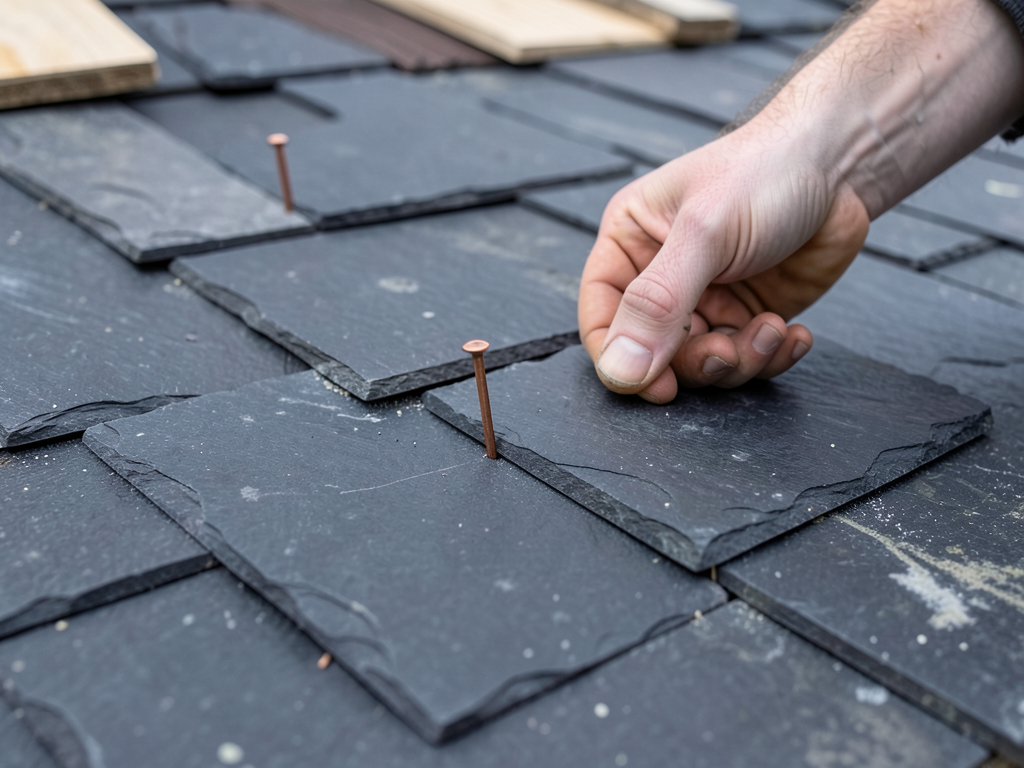
Installation requires specialized skills. Each slate tile must be hand-cut to specific dimensions and hung on copper or stainless steel nails. The overlapping pattern creates a watertight barrier that can withstand Pennsylvania’s severe weather.
Copper roofing offers both beauty and functionality. The standing seam design allows for thermal expansion and contraction preventing the buckling that affects less flexible materials.
Lead-coated copper provides an alternative to the green patina of natural copper. This material maintains a consistent gray appearance while offering the same durability and weather resistance.
Wood shakes particularly cedar were common in early 20th-century construction. Hand-split shakes provide better water resistance than machine-cut alternatives and develop a natural weathered appearance over time.
Installation techniques matter as much as materials. Traditional methods include hand-caulking joints custom-fabricated flashings and proper ventilation systems that prevent moisture buildup in historic roof structures.
Modern ventilation must be integrated carefully to avoid damaging historic rafters and sheathing. Ridge vents when properly installed can provide necessary airflow without visible alterations to the roofline.
Flashing details require particular attention. Lead flashings around chimneys and dormers were standard practice and must be replicated exactly to meet historical commission standards.
Material Comparison for Historic Restoration
| Material | Lifespan | Cost Range | Historical Accuracy | Maintenance Needs |
|---|---|---|---|---|
| Pennsylvania Black Slate | 75-100 years | $15-25 per sq ft | Excellent | Minimal |
| Standing Seam Copper | 50-75 years | $20-30 per sq ft | Excellent | Minimal |
| Lead-Coated Copper | 50-75 years | $22-32 per sq ft | Excellent | Minimal |
| Hand-Split Cedar Shakes | 30-40 years | $10-15 per sq ft | Good | Moderate |
| Traditional Tin | 40-50 years | $12-18 per sq ft | Excellent | Moderate |
Neighborhood-Specific Case Studies
Germantown’s architectural diversity requires different approaches for various home styles. Victorian homes need different materials than Federal-style structures.
Victorian homes in Germantown often feature complex rooflines with multiple gables dormers and decorative elements. These require careful material matching and specialized installation techniques.
Federal-style homes typically have simpler roof designs with minimal ornamentation. Slate roofing in uniform patterns works best for these structures.
Colonial Revival homes often feature symmetrical designs with central chimneys. Copper flashing around these architectural elements must match original construction methods.
The Wister neighborhood within Germantown contains many 19th-century homes with original slate roofs still intact. These provide excellent examples of proper installation and maintenance techniques. Winter Roof Maintenance Tips.
Local soil conditions affect roof performance. Germantown’s clay-rich soil expands and contracts with moisture changes creating foundation movement that can stress roof structures over time.
Temperature fluctuations in Germantown average 55 degrees annually creating significant thermal stress on roofing materials. Traditional materials were designed to accommodate these changes better than many modern alternatives.
Philadelphia’s Building Code Chapter 13 requires specific wind resistance ratings for roofing in historic districts. Materials must meet or exceed these standards while maintaining historical appearance.
The Difference Between Preservation Restoration and Reconstruction
Understanding these terms helps homeowners make informed decisions about their historic properties.
Preservation maintains existing historic materials and features. This approach works when original roofing remains in good condition but needs minor repairs or cleaning.
Restoration replaces damaged or deteriorated components with matching materials and techniques. This approach is common when some original materials have failed but the majority remain intact.
Reconstruction involves recreating missing or severely damaged elements based on historical documentation. This approach requires extensive research and may need special approval from historical commissions.
Preservation is often the most cost-effective approach when original materials remain viable. However it requires regular maintenance to prevent deterioration.
Restoration allows for some modernization while maintaining historical character. This approach often includes upgrading underlayment and ventilation systems without visible changes to the exterior.
Reconstruction is the most expensive option but may be necessary for severely damaged structures. This approach requires detailed documentation to ensure accuracy.
The choice between these approaches depends on the condition of existing materials historical significance and budget constraints. Professional assessment helps determine the most appropriate path forward.
Frequently Asked Questions for Philly Historic Homeowners
How long does the historical commission approval process take?
The process typically takes 60 to 90 days from application submission to permit issuance. This includes a 15-day public notice period and a monthly commission meeting where your application is reviewed.
Can I use modern synthetic materials that look like slate or cedar?
Most synthetic materials receive poor reviews from historical commissions because they don’t match the texture weight and aging characteristics of traditional materials. Exceptions exist only when synthetic materials can demonstrate identical visual properties under close inspection.
What happens if I make changes without approval?
Unapproved changes can result in fines up to $500 per day and mandatory restoration to original conditions at your expense. The historical commission may also require you to remove non-compliant work.
How do I find a contractor experienced with historic restoration?
Look for contractors with specific experience in your neighborhood’s architectural style. Ask for references from other historic homeowners and verify their understanding of Philadelphia Historical Commission requirements.
Are there tax incentives for historic preservation?
Pennsylvania offers tax credits for certified historic rehabilitation projects. The federal government also provides tax incentives for income-producing historic properties. Check with the Pennsylvania Historical and Museum Commission for current programs.
Diagnostic Testing for Historic Roof Assessment
Before starting any restoration project comprehensive diagnostic testing helps determine the appropriate approach and identify hidden problems.
Moisture meter testing reveals water infiltration patterns that aren’t visible from the surface. Multiple readings at different depths help identify the extent of water damage to roof decking and support structures.
Infrared thermography detects heat loss patterns that indicate insulation problems or air leaks. This technology helps identify areas where modern improvements can be made without visible alterations.
Core sampling of existing roofing materials determines their remaining lifespan and structural integrity. This testing helps decide between preservation and restoration approaches.
Load testing evaluates the structural capacity of existing roof framing. This is crucial for determining whether additional weight from new materials can be safely supported.
Material analysis through laboratory testing identifies the composition of existing roofing materials. This information guides material selection for repairs and ensures compatibility.
Documentation of existing conditions through detailed photography and measurements creates a baseline for comparison after restoration work is complete.
Modern Integration with Historic Preservation
Historic preservation doesn’t mean avoiding modern technology. Many improvements can be integrated without visible alterations.
Ice and water shield underlayment provides superior waterproofing compared to traditional felt paper. This modern material can be installed under historic roofing without changing the exterior appearance.
Spray foam insulation in rafter spaces improves energy efficiency while maintaining the original roof structure. This approach requires careful installation to prevent moisture problems.
Solar panels can be integrated into historic roofs using low-profile mounting systems that don’t alter the roofline. Some historical commissions approve these installations when they’re not visible from public streets.
Gutter systems can be upgraded to handle increased water volume from modern heating and cooling equipment. Custom-fabricated copper gutters can match original profiles while providing improved functionality.
Ventilation improvements using ridge vents or soffit vents can be integrated without visible changes to the roof structure. Proper ventilation prevents moisture buildup and extends the life of roofing materials.
Lightning protection systems can be installed using minimal penetrations and hidden wiring. These systems protect both the structure and its occupants without altering historical appearance.
Cost Factors and Timeline Considerations
Historic roof restoration typically costs 30 to 50 percent more than standard replacement due to specialized materials and techniques.
Material costs vary significantly by type. Pennsylvania Black slate costs $15 to $25 per square foot installed while standing seam copper ranges from $20 to $30 per square foot.
Labor costs increase due to the specialized skills required for historic restoration. Installation time often doubles compared to standard roofing projects.
Permit fees for historical commission approval typically range from $200 to $500 depending on project scope. Additional fees may apply for public notice requirements.
Timeline considerations include the 60 to 90-day approval process material lead times for custom fabrication and weather constraints during installation.
Most historic restoration projects take 4 to 8 weeks for completion once work begins. This includes removal of existing materials installation of new roofing and final inspections.
Seasonal factors affect scheduling. Spring and fall offer the best weather conditions for roofing work in Philadelphia’s climate.
Maintenance Requirements for Historic Roofs
Regular maintenance extends the life of historic roofing materials and prevents costly repairs.
Annual inspections should check for damaged or missing tiles flashing deterioration and signs of water infiltration. Early detection prevents minor problems from becoming major repairs.
Gutter cleaning twice yearly prevents water backup that can damage roofing materials and historic structures. Pay particular attention to valley areas where debris accumulates.
Moss and algae growth on historic roofs requires gentle cleaning methods. Harsh chemicals can damage traditional materials and should be avoided.
Tree trimming prevents branches from rubbing against roofing surfaces and reduces debris accumulation. Maintain at least 10 feet of clearance from roof surfaces.
Flashing maintenance includes checking seals around chimneys vents and other roof penetrations. These areas are common failure points in historic roofing systems.
Documentation of maintenance activities helps track roof condition over time and provides valuable information for future restoration projects.

Diagram showing traditional slate installation techniques with copper nails and overlapping patterns
Before and after photos of a Germantown Victorian home with restored slate roofing and copper flashing
Close-up detail of hand-soldered lead-coated copper flashing around a historic chimney
Why Choose Atlas Roofing Philadelphia for Your Historic Restoration
Atlas Roofing Philadelphia combines technical expertise with deep understanding of Philadelphia’s historic preservation requirements. Our team has successfully completed numerous restoration projects in Germantown and surrounding historic districts.
We maintain relationships with Philadelphia Historical Commission staff and understand the documentation requirements for smooth approval processes. Our experience helps avoid common pitfalls that delay projects.
Our craftsmen are trained in traditional installation techniques specific to historic materials. We maintain an inventory of salvaged materials for matching existing roofing when necessary.
We provide comprehensive diagnostic testing before starting any project. This approach ensures we recommend the most appropriate restoration strategy for your specific situation.
Our project management includes coordination with historical commission staff material suppliers and other trades to ensure smooth project execution.
We understand the unique challenges of working in historic districts including restricted work hours material delivery constraints and neighbor considerations.
Getting Started with Your Historic Roof Restoration
The first step is scheduling a professional assessment of your roof’s condition. This evaluation includes documentation of existing materials identification of problem areas and recommendations for restoration approaches.
During the assessment we’ll discuss your goals for the project whether that’s maintaining historical accuracy improving energy efficiency or addressing specific problems like leaks or deterioration.
We’ll provide a detailed proposal outlining the recommended approach timeline and cost estimates. This proposal includes all necessary documentation for historical commission submission.
Our team handles the entire permit process from initial application through final approval. We maintain communication with historical commission staff throughout the review process.
Once permits are approved we’ll schedule the work at a time that minimizes disruption to your household and neighbors. We maintain clean job sites and communicate regularly about project progress.
Quality control inspections throughout the project ensure that all work meets both historical commission standards and our own high expectations for craftsmanship.
Protecting Your Investment in Historic Preservation
Historic roof restoration represents a significant investment in your property’s future. Proper execution protects both the historical character and market value of your home.
Quality restoration work can increase property values by 10 to 15 percent in historic districts. This appreciation reflects both the improved condition and the preserved historical character.
Energy efficiency improvements through proper insulation and ventilation can reduce heating and cooling costs by 15 to 25 percent while maintaining historical appearance.
Extended material lifespan means fewer replacements over time. Properly restored slate or copper roofing can last 75 to 100 years outlasting multiple standard roofing installations.
Insurance considerations may include premium reductions for historic properties with properly maintained roofing systems. Some insurers offer specific programs for historic preservation.
Future resale value benefits from documented restoration work and historical commission approval. These factors provide assurance to potential buyers about the quality and legality of improvements.
Call (267) 344-1222 Today to Schedule Your Inspection
Don’t wait until minor roof problems become major structural issues. Call (267) 344-1222 today to schedule your comprehensive historic roof assessment. Our team will evaluate your roof’s condition discuss restoration options and provide a detailed proposal for bringing your Germantown home back to its original glory.
Pick up the phone and call (267) 344-1222 before the next storm hits. Early intervention prevents costly damage and ensures your historic home continues to tell its story for generations to come.
Our office is located at 1500 Walnut Street Philadelphia PA 19102. We serve all historic districts throughout Philadelphia including Germantown Society Hill Old City and Chestnut Hill.
Call (267) 344-1222 now to speak with our historic restoration specialists. We’ll answer your questions schedule your assessment and help you take the first step toward preserving your home’s architectural heritage.
Frequently Asked Questions
How do I know if my roof qualifies as historic?
Homes built before 1940 typically qualify for historic designation especially if they retain original architectural features. The Philadelphia Historical Commission maintains district maps and can verify your property’s status.
Can I make my historic roof more energy efficient?
Yes many energy efficiency improvements can be made without visible alterations. These include improved underlayment proper ventilation and attic insulation that doesn’t change the exterior appearance.
What if I can’t find matching materials for repairs?
We maintain relationships with salvage yards and specialty suppliers who can source matching materials. When exact matches aren’t available we can custom-fabricate components to match original specifications.
How long will my restored roof last?
Properly restored historic roofing materials like slate or copper can last 75 to 100 years with proper maintenance. This lifespan far exceeds standard roofing materials and represents a true long-term investment.
Will restoration work disrupt my daily life?
We work to minimize disruption through careful scheduling and site management. Most restoration projects take 4 to 8 weeks with work hours coordinated to respect neighborhood quiet times and your household routine.
{
“@context”: “https://schema.org”,
“@type”: “BlogPosting”,
“headline”: “Maintaining the Historic Look of Your Germantown Home with the Right Roof”,
“description”: “Preserve your Germantown home’s historic character with authentic roofing materials and proper restoration techniques that meet Philadelphia’s strict historical guidelines.”,
“wordCount”: 3026,
“datePublished”: “2026-02-25T08:30:00.000Z”,
“dateModified”: “2026-02-25T08:30:00.000Z”,
“inLanguage”: “en-US”,
“mainEntityOfPage”: {
“@type”: “WebPage”,
“@id”: “https://atlasroofingphiladelphia.com”
},
“publisher”: {
“@type”: “LocalBusiness”,
“name”: “Atlas Roofing Philadelphia”,
“url”: “https://atlasroofingphiladelphia.com”
},
“author”: {
“@type”: “Organization”,
“name”: “Atlas Roofing Philadelphia”,
“url”: “https://atlasroofingphiladelphia.com”
},
“image”: {
“@type”: “ImageObject”,
“url”: “https://atlasroofingphiladelphia.com/wp-content/uploads/2026/03/maintaining-the-historic-look-of-your-germantown-h-1.png”
}
}
{
“@context”: “https://schema.org”,
“@type”: “RoofingContractor”,
“name”: “Atlas Roofing Philadelphia”,
“url”: “https://atlasroofingphiladelphia.com”,
“address”: {
“@type”: “PostalAddress”,
“addressLocality”: “Philadelphia”
},
“areaServed”: {
“@type”: “City”,
“name”: “Philadelphia”
}
}
{
“@context”: “https://schema.org”,
“@type”: “FAQPage”,
“mainEntity”: [
{
“@type”: “Question”,
“name”: “How long does the historical commission approval process take?”,
“acceptedAnswer”: {
“@type”: “Answer”,
“text”: “The process typically takes 60 to 90 days from application submission to permit issuance. This includes a 15-day public notice period and a monthly commission meeting where your application is reviewed.”
}
},
{
“@type”: “Question”,
“name”: “Can I use modern synthetic materials that look like slate or cedar?”,
“acceptedAnswer”: {
“@type”: “Answer”,
“text”: “Most synthetic materials receive poor reviews from historical commissions because they don’t match the texture weight and aging characteristics of traditional materials. Exceptions exist only when synthetic materials can demonstrate identical visual properties under close inspection.”
}
},
{
“@type”: “Question”,
“name”: “What happens if I make changes without approval?”,
“acceptedAnswer”: {
“@type”: “Answer”,
“text”: “Unapproved changes can result in fines up to $500 per day and mandatory restoration to original conditions at your expense. The historical commission may also require you to remove non-compliant work.”
}
},
{
“@type”: “Question”,
“name”: “How do I find a contractor experienced with historic restoration?”,
“acceptedAnswer”: {
“@type”: “Answer”,
“text”: “Look for contractors with specific experience in your neighborhood’s architectural style. Ask for references from other historic homeowners and verify their understanding of Philadelphia Historical Commission requirements.”
}
},
{
“@type”: “Question”,
“name”: “Are there tax incentives for historic preservation?”,
“acceptedAnswer”: {
“@type”: “Answer”,
“text”: “Pennsylvania offers tax credits for certified historic rehabilitation projects. The federal government also provides tax incentives for income-producing historic properties. Check with the Pennsylvania Historical and Museum Commission for current programs.”
}
},
{
“@type”: “Question”,
“name”: “How do I know if my roof qualifies as historic?”,
“acceptedAnswer”: {
“@type”: “Answer”,
“text”: “Homes built before 1940 typically qualify for historic designation especially if they retain original architectural features. The Philadelphia Historical Commission maintains district maps and can verify your property’s status.”
}
},
{
“@type”: “Question”,
“name”: “Can I make my historic roof more energy efficient?”,
“acceptedAnswer”: {
“@type”: “Answer”,
“text”: “Yes many energy efficiency improvements can be made without visible alterations. These include improved underlayment proper ventilation and attic insulation that doesn’t change the exterior appearance.”
}
},
{
“@type”: “Question”,
“name”: “What if I can’t find matching materials for repairs?”,
“acceptedAnswer”: {
“@type”: “Answer”,
“text”: “We maintain relationships with salvage yards and specialty suppliers who can source matching materials. When exact matches aren’t available we can custom-fabricate components to match original specifications.”
}
},
{
“@type”: “Question”,
“name”: “How long will my restored roof last?”,
“acceptedAnswer”: {
“@type”: “Answer”,
“text”: “Properly restored historic roofing materials like slate or copper can last 75 to 100 years with proper maintenance. This lifespan far exceeds standard roofing materials and represents a true long-term investment.”
}
},
{
“@type”: “Question”,
“name”: “Will restoration work disrupt my daily life?”,
“acceptedAnswer”: {
“@type”: “Answer”,
“text”: “We work to minimize disruption through careful scheduling and site management. Most restoration projects take 4 to 8 weeks with work hours coordinated to respect neighborhood quiet times and your household routine.”
}
}
]
}
{
“@context”: “https://schema.org”,
“@type”: “HowTo”,
“name”: “Philadelphia Historical Commission Permit Process”,
“step”: [
{
“@type”: “HowToStep”,
“position”: 1,
“name”: “Pre-Application Consultation”,
“text”: “Schedule a meeting with PHC staff to discuss your project scope and get preliminary feedback on your plans.”
},
{
“@type”: “HowToStep”,
“position”: 2,
“name”: “Complete Application Forms”,
“text”: “Submit detailed drawings material specifications and photographs of existing conditions. Include historical documentation when available.”
},
{
“@type”: “HowToStep”,
“position”: 3,
“name”: “Public Notice Period”,
“text”: “The commission posts your application for 15 days allowing neighbors to review and comment on proposed changes.”
},
{
“@type”: “HowToStep”,
“position”: 4,
“name”: “Commission Review”,
“text”: “Your application goes before the Historical Commission for a formal vote. Meetings occur monthly.”
},
{
“@type”: “HowToStep”,
“position”: 5,
“name”: “Permit Issuance”,
“text”: “Once approved you receive your permit and can begin work within the specified timeframe.”
}
],
“image”: “https://atlasroofingphiladelphia.com/wp-content/uploads/2026/03/maintaining-the-historic-look-of-your-germantown-h-1.png”
}
{
“@context”: “https://schema.org”,
“@type”: “BreadcrumbList”,
“itemListElement”: [
{
“@type”: “ListItem”,
“position”: 1,
“name”: “Home”,
“item”: “https://atlasroofingphiladelphia.com”
},
{
“@type”: “ListItem”,
“position”: 2,
“name”: “Blog”,
“item”: “https://atlasroofingphiladelphia.com/blog”
},
{
“@type”: “ListItem”,
“position”: 3,
“name”: “Maintaining the Historic Look of Your Germantown Home with the Right Roof”
}
]
}
{
“@context”: “https://schema.org”,
“@type”: “Service”,
“serviceType”: “Roofing”,
“provider”: {
“@type”: “LocalBusiness”,
“name”: “Atlas Roofing Philadelphia”,
“url”: “https://atlasroofingphiladelphia.com”
},
“areaServed”: {
“@type”: “City”,
“name”: “Philadelphia”
},
“description”: “Preserve your Germantown home’s historic character with authentic roofing materials and proper restoration techniques that meet Philadelphia’s strict historical guidelines.”
}